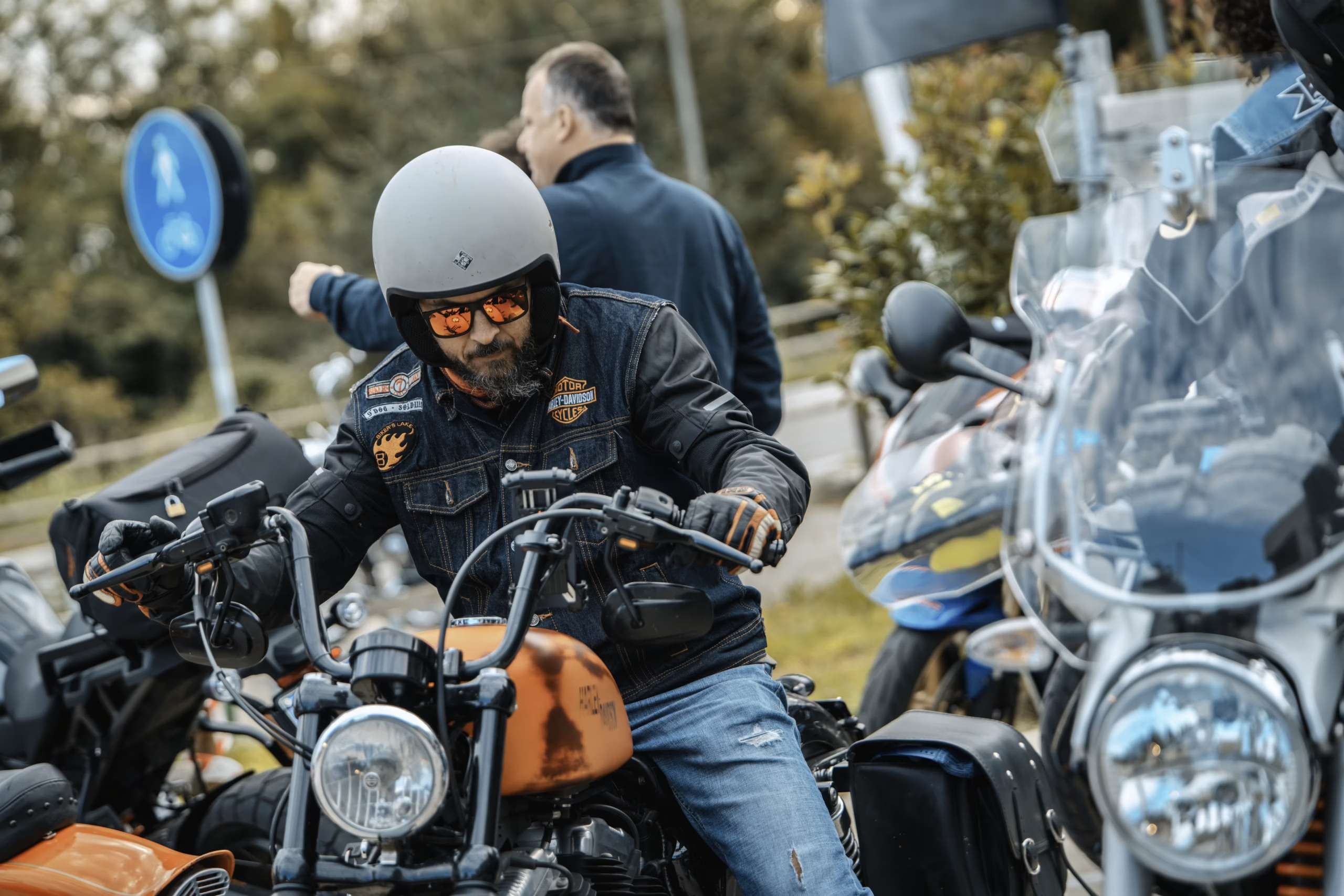
Here we are again, my adorable companions in disaster. Welcome to another chapter of this whole affair. Today we’re talking about freedom. The real kind, or at least its most convincing imitation: an engine running, two wheels under your ass, and no executive in a suit and tie authorized to ask where you think you’re going.
Some people spend their lives searching for a safe place to stop, while others feel truly at home only when that place disappears in the rearview mirror.
This is a story of engines, worn leather, friendships born on asphalt, and people who have understood something fairly simple: sometimes freedom is not an ideal to print on a T-shirt. It is a road ahead, a motorcycle under your ass, and enough gas to see where the day ends up.
Freedom is a word we have worn down until it is almost useless.
We put it in ads for cars bought on credit, in phone contracts that last twenty-four months, and in speeches by politicians surrounded by armed men. We are free to choose among three plans, five insurance policies, and an impressive number of jobs that let us survive long enough to come back the next day.
Quite the celebration, in other words.
Then you look at a motorcycle.
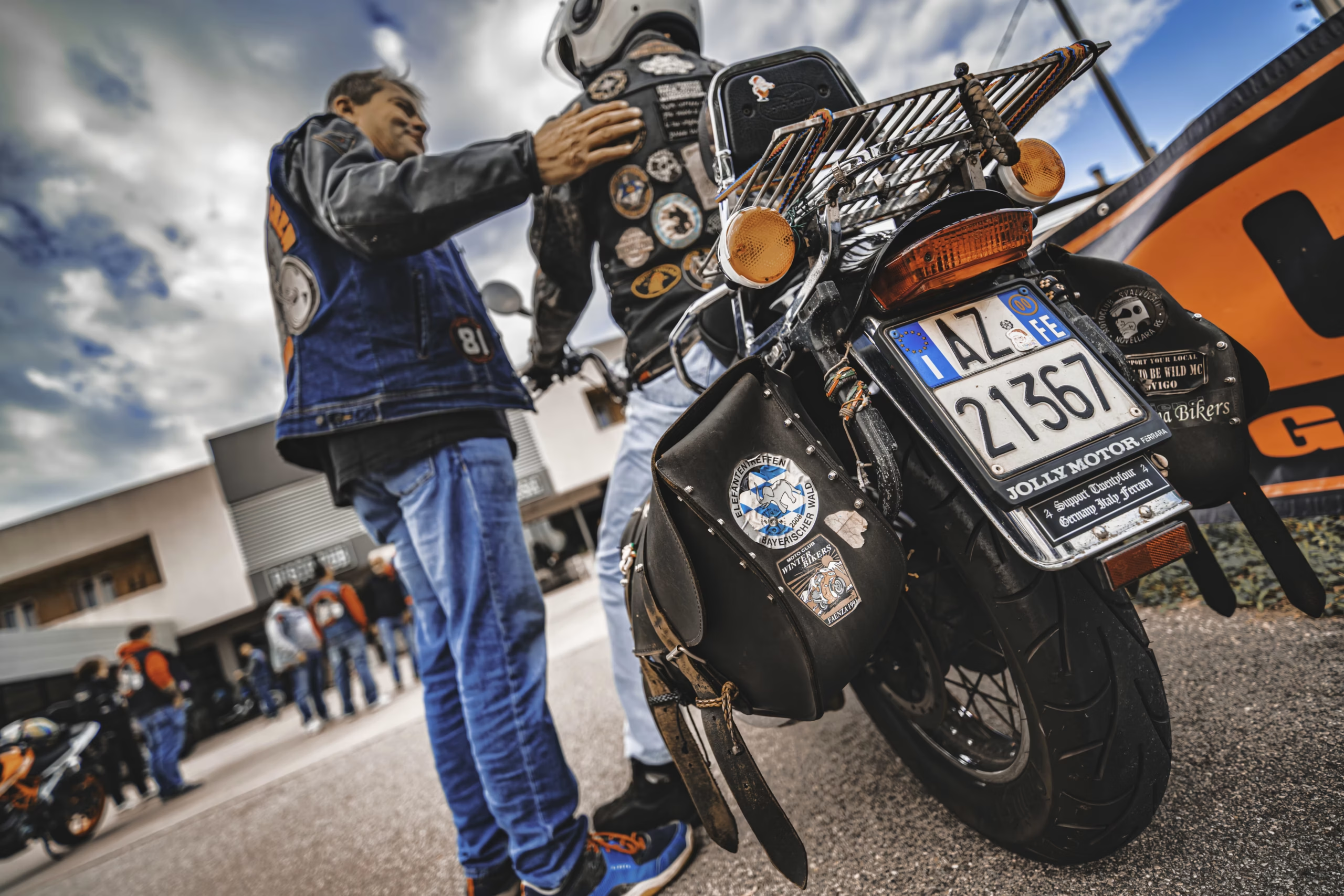
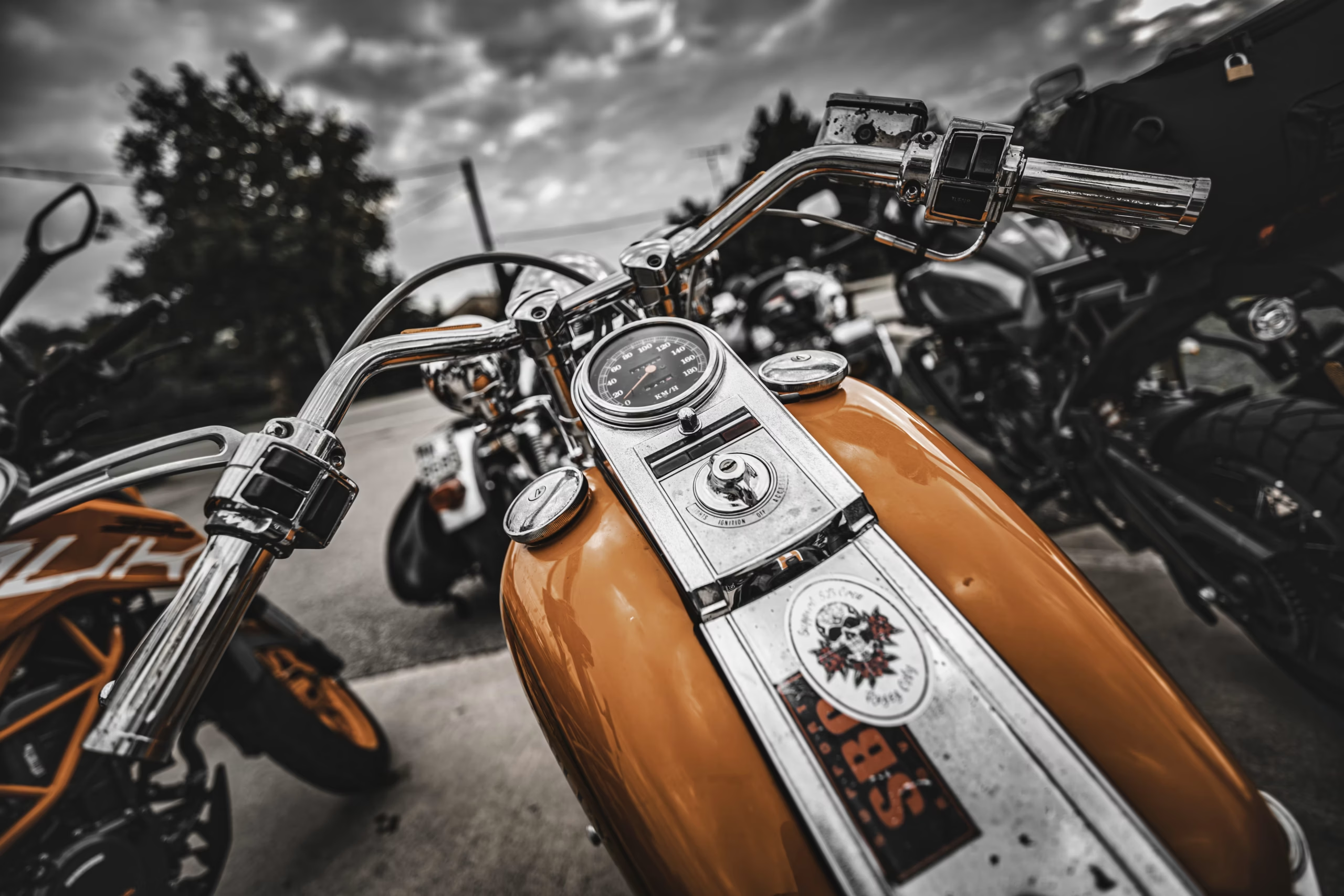
Not when it is parked outside some fashionable bar, polished like a knickknack for men who need accessories louder than their personalities—or phallic extensions for equipment clearly undersized for the occasion. You look at it when it carries miles, rain, insects, worn saddlebags, stickers from places it has crossed, and scratches no one could be bothered to hide.
That is when you understand that certain objects are not merely there to give you something to own.
They are there to let you leave.
And that is an enormous, fascinating, astonishing difference.
A motorcycle does not promise comfort. It does not protect you from heat, cold, rain, or the fact that the world will occasionally decide to hurl an insect the size of a small drone straight at you.
It does not have massaging seats.
It does not isolate you from the road.
It hands you the whole thing.
The wind against your chest. The smell of the fields. The asphalt changing beneath the wheels. The temperature dropping as you enter the woods. The rain arriving to remind you, with all the delicacy of a slap, that nature does not give a fuck about your plans.
A motorcycle does not eliminate the journey.
It makes you live it.
And perhaps that is why the people who love one rarely speak of it as a simple means of transportation.
Because it is not.
It is a door.
An excuse.
A pass out of the organized life and into one that is less comfortable, but much harder to forget.
I watched these people up close for a while.
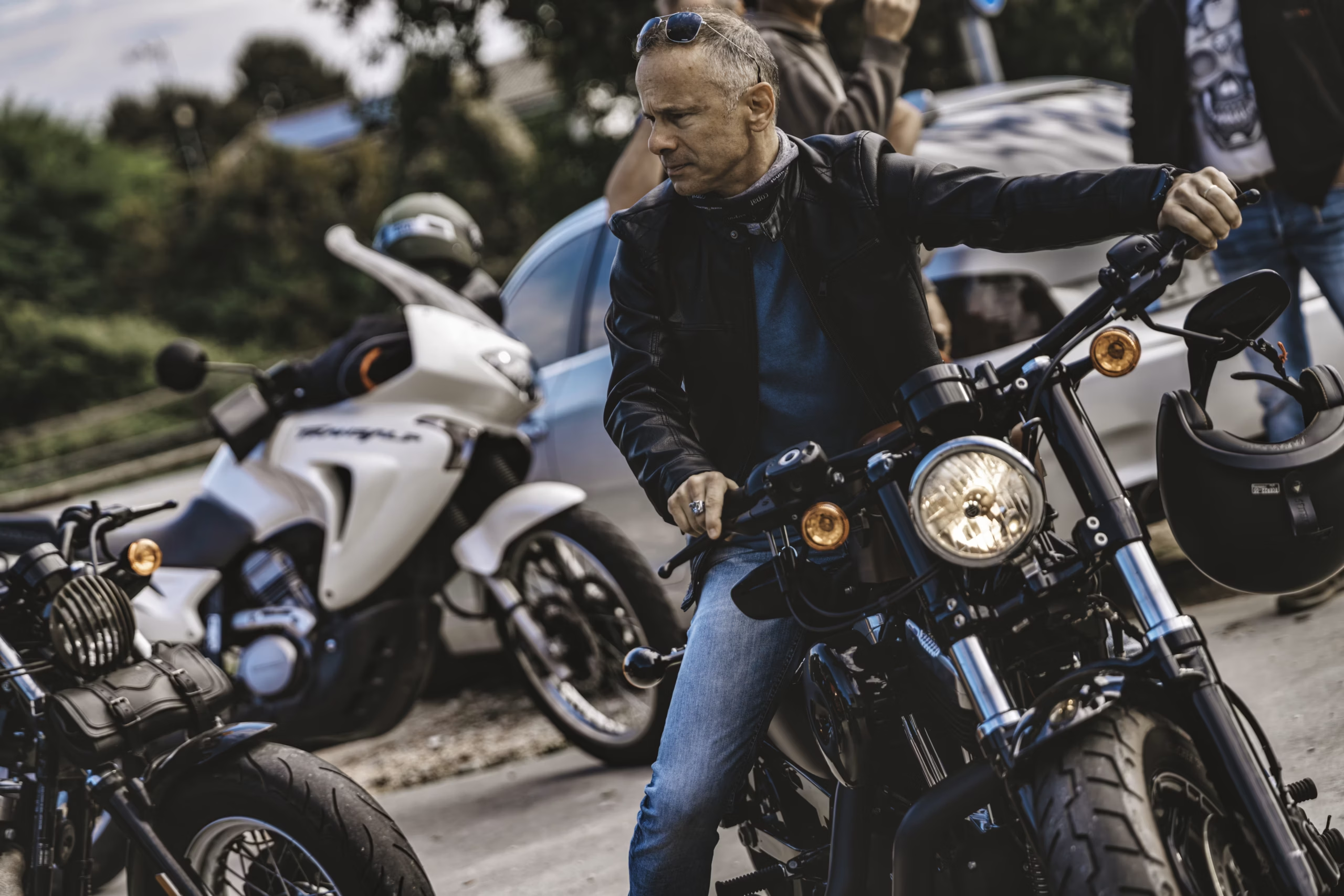
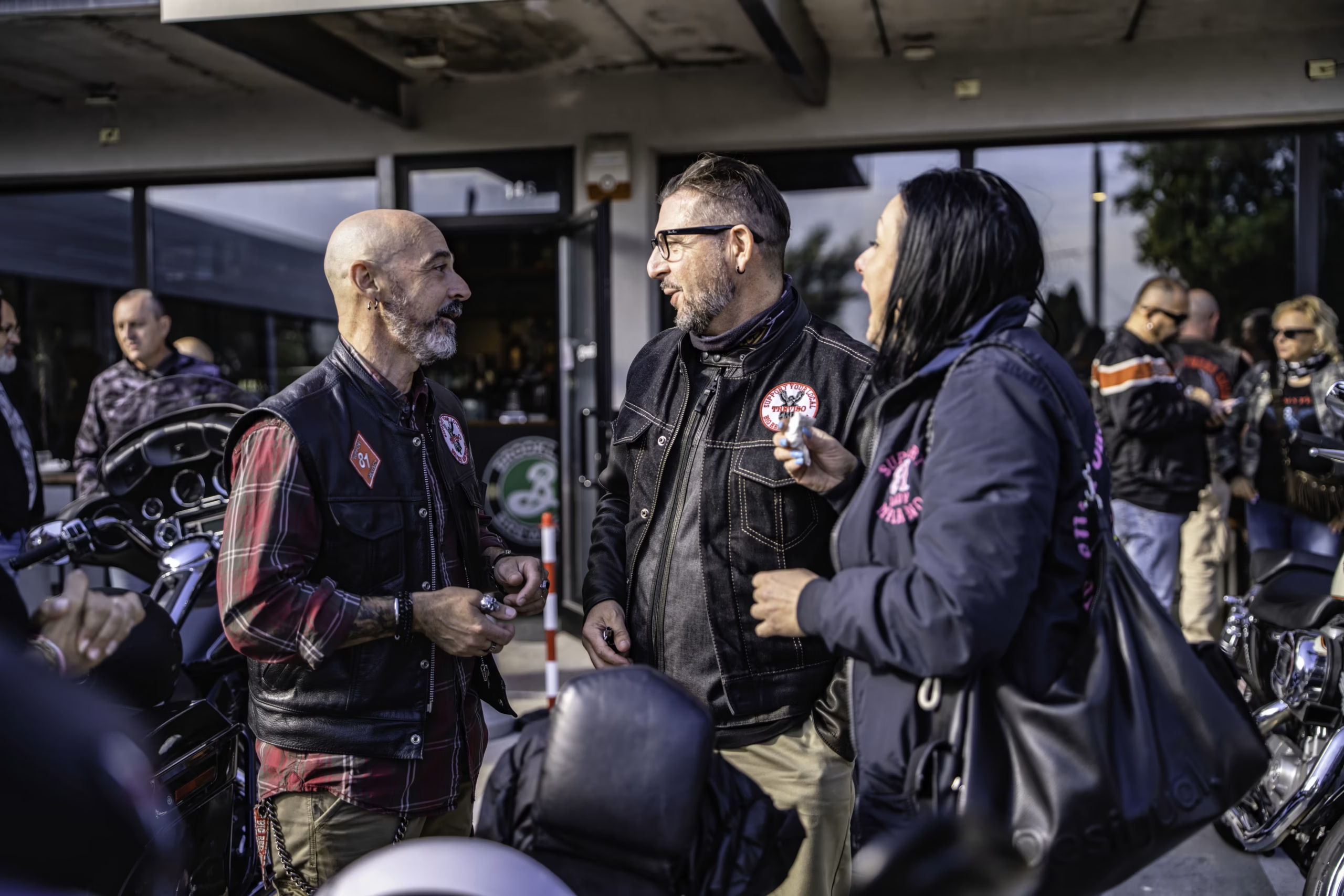
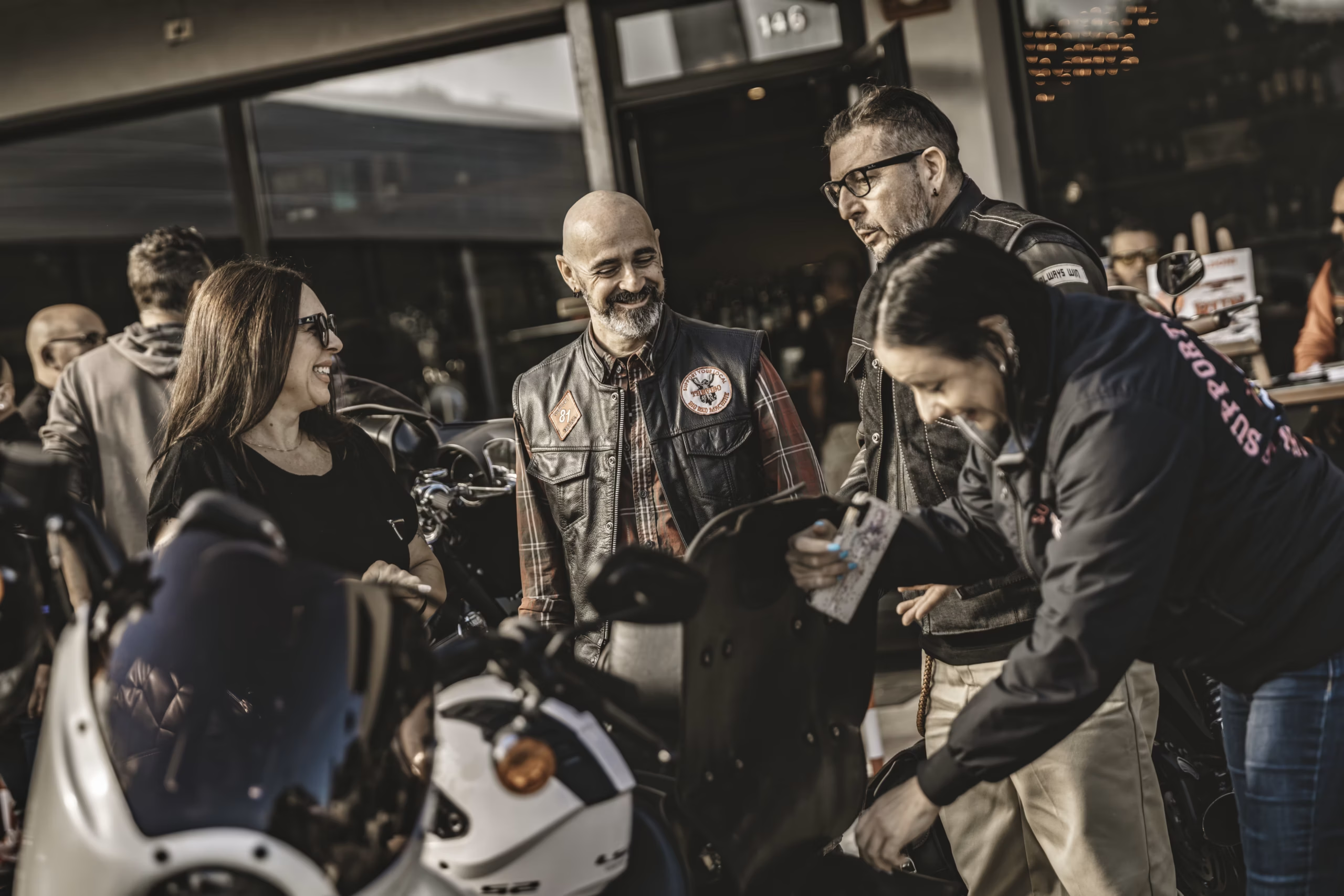
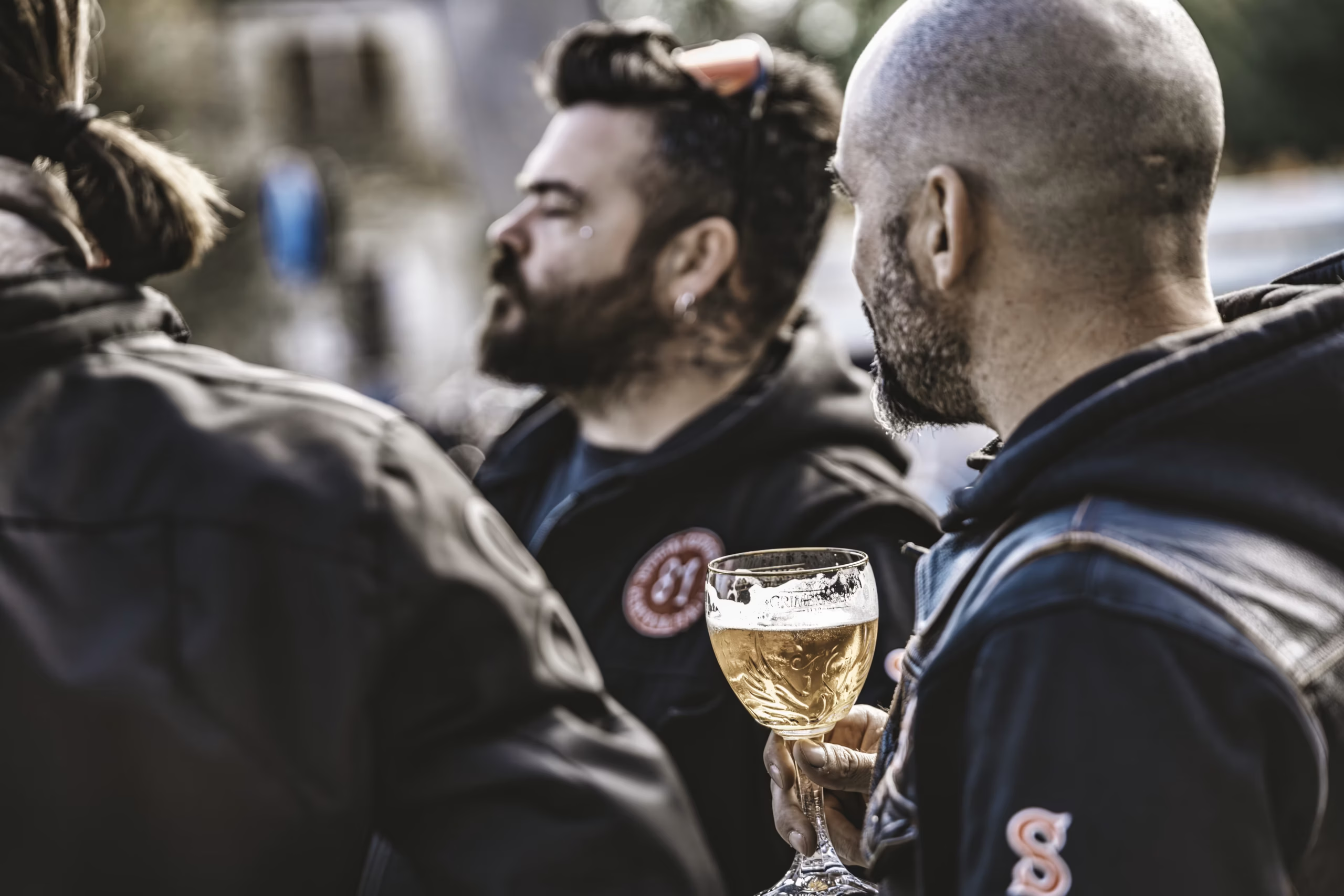
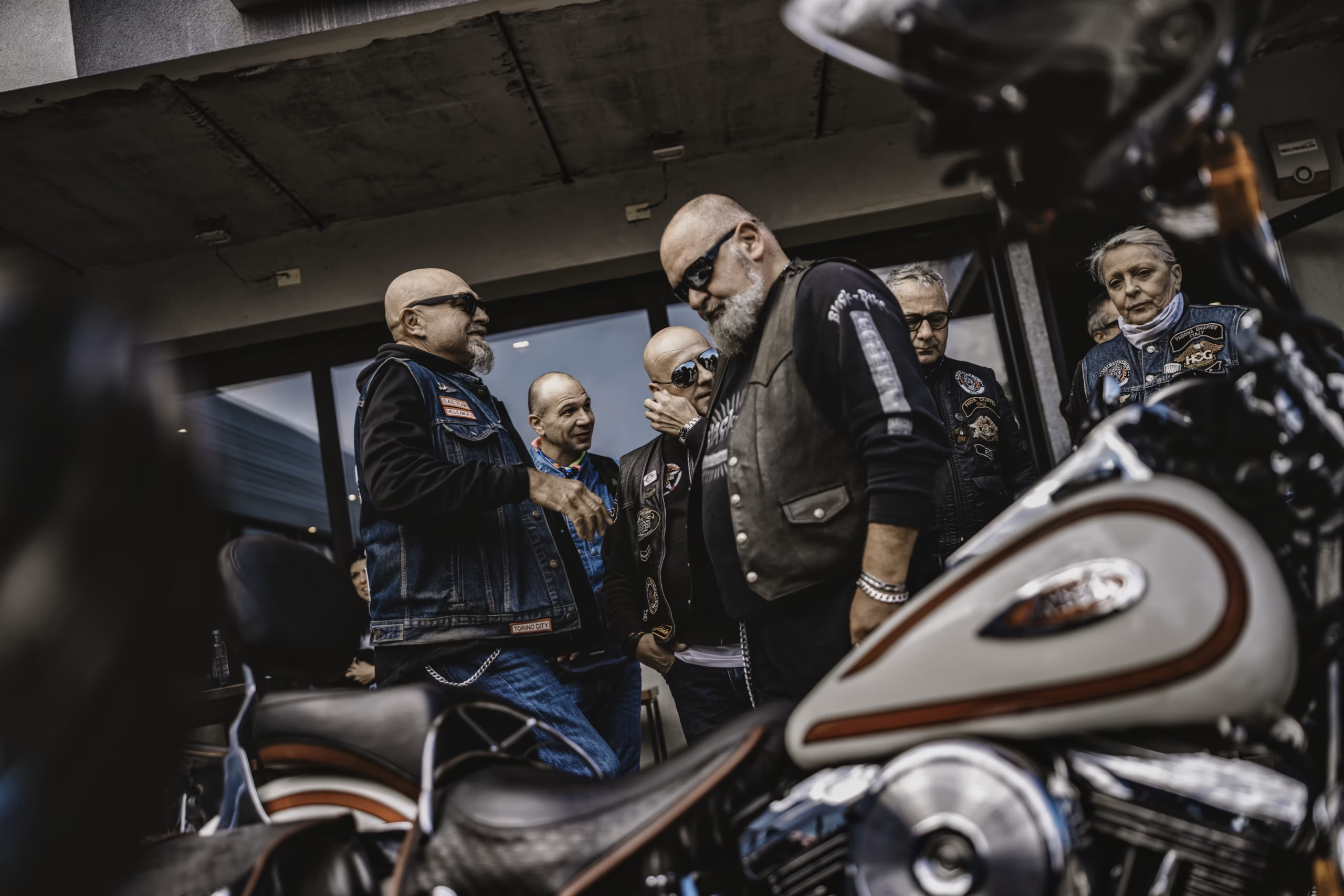
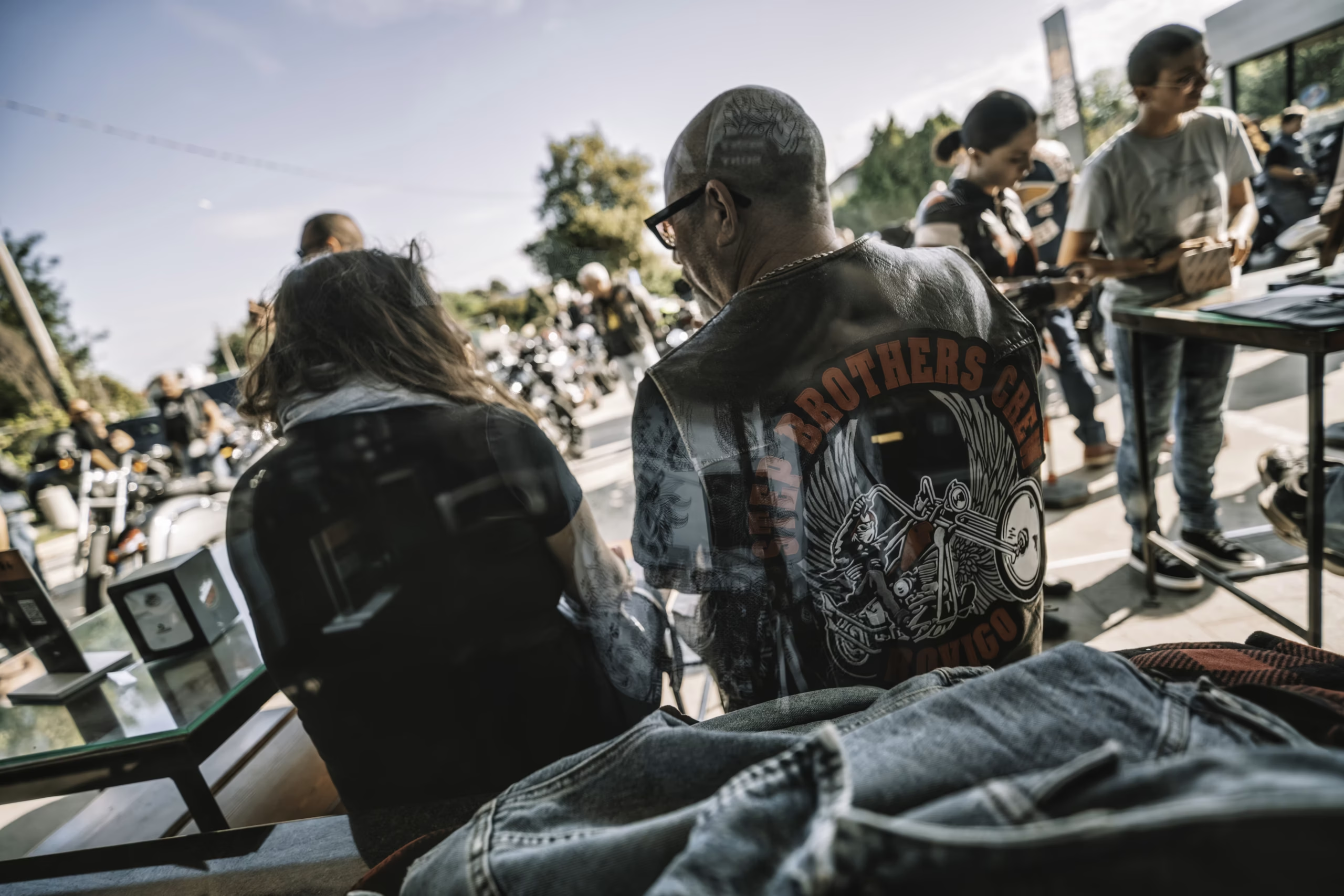
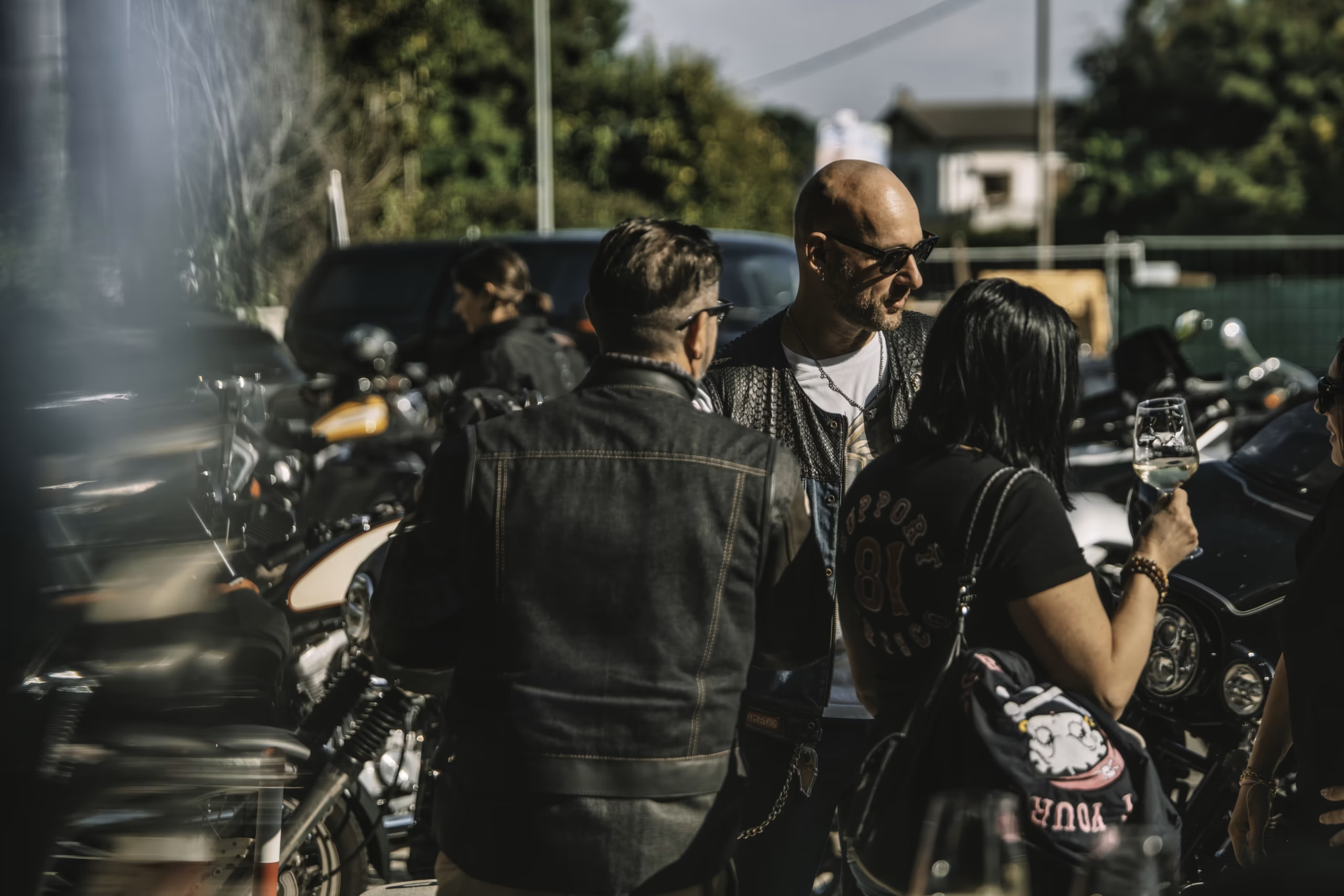
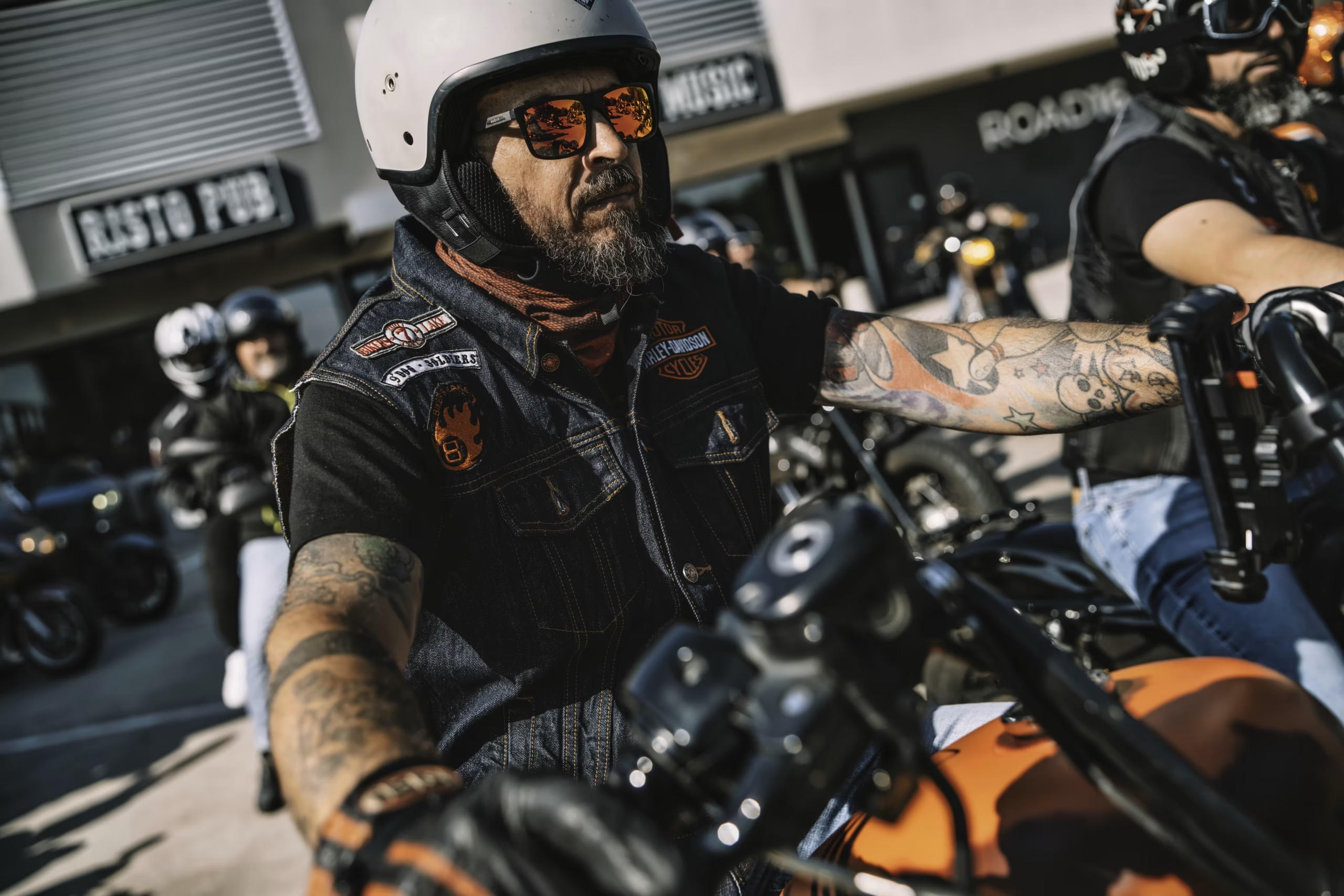
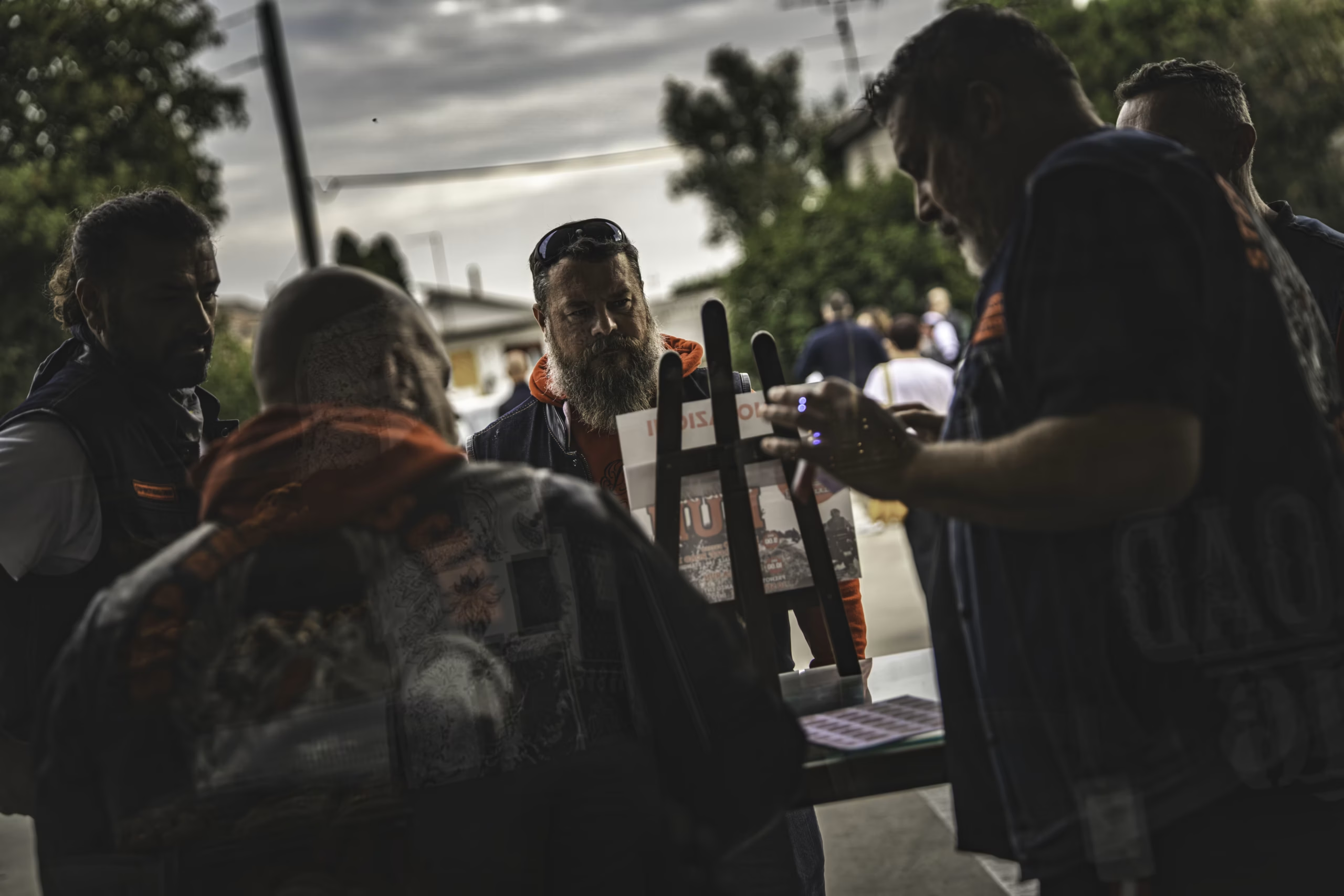
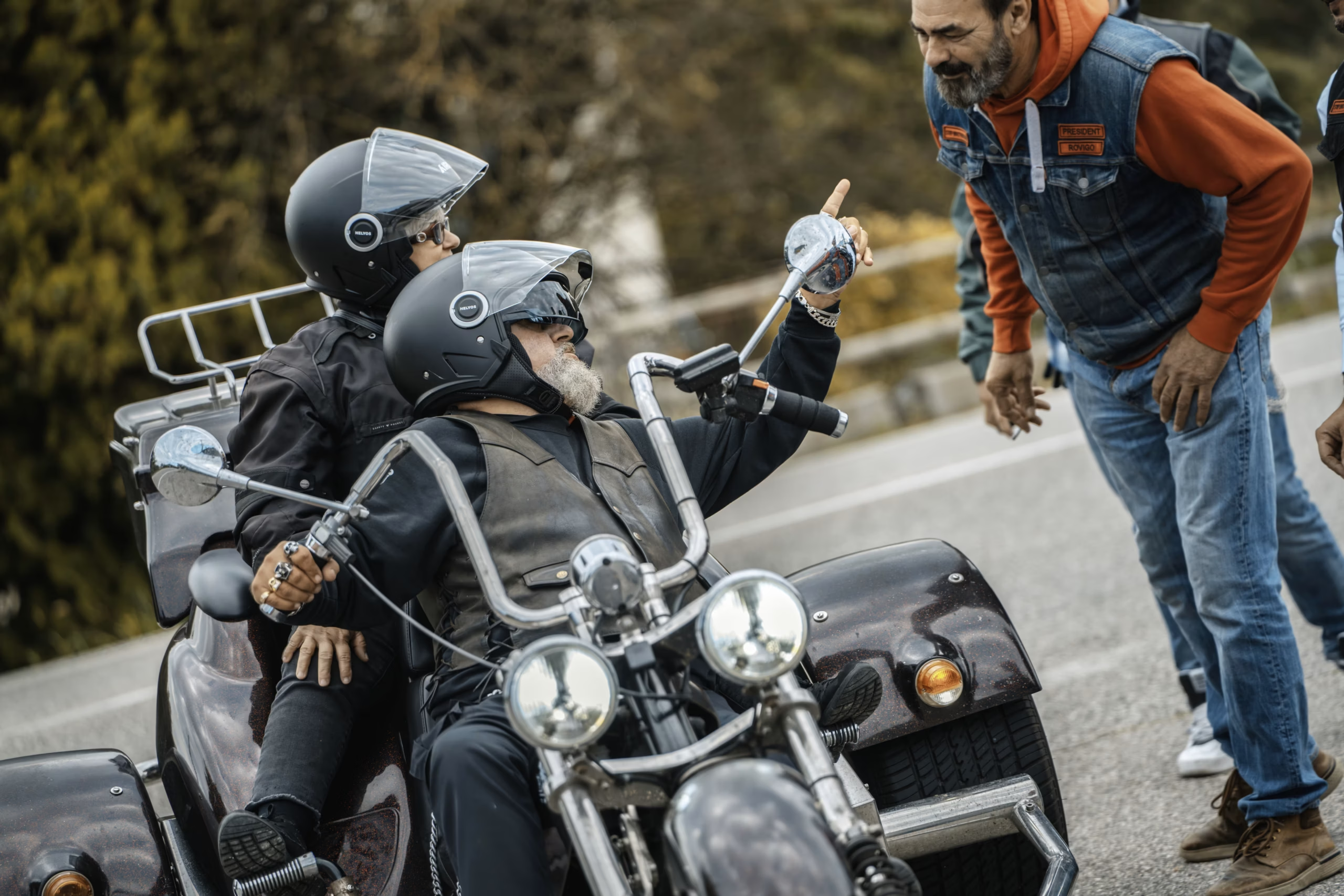
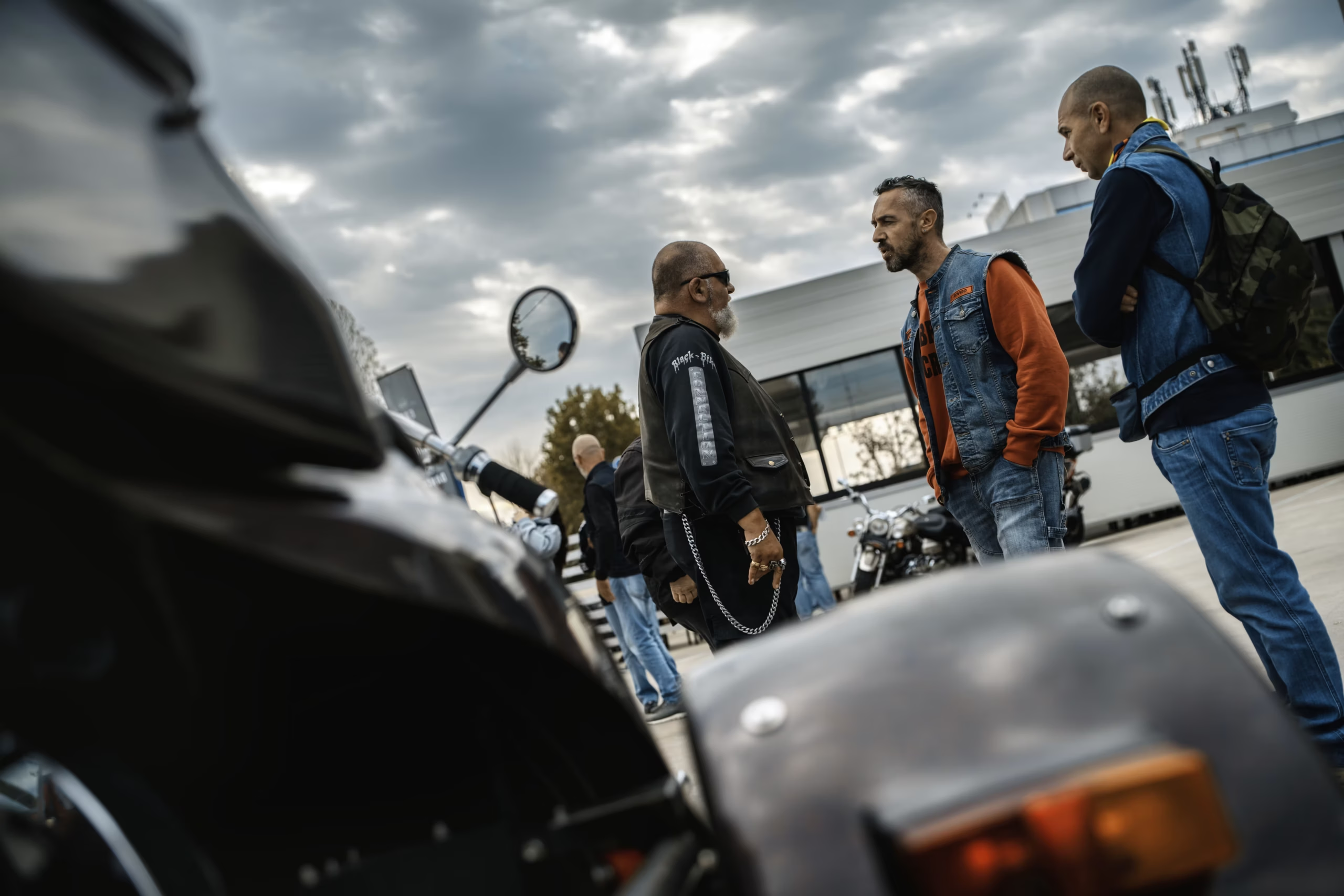
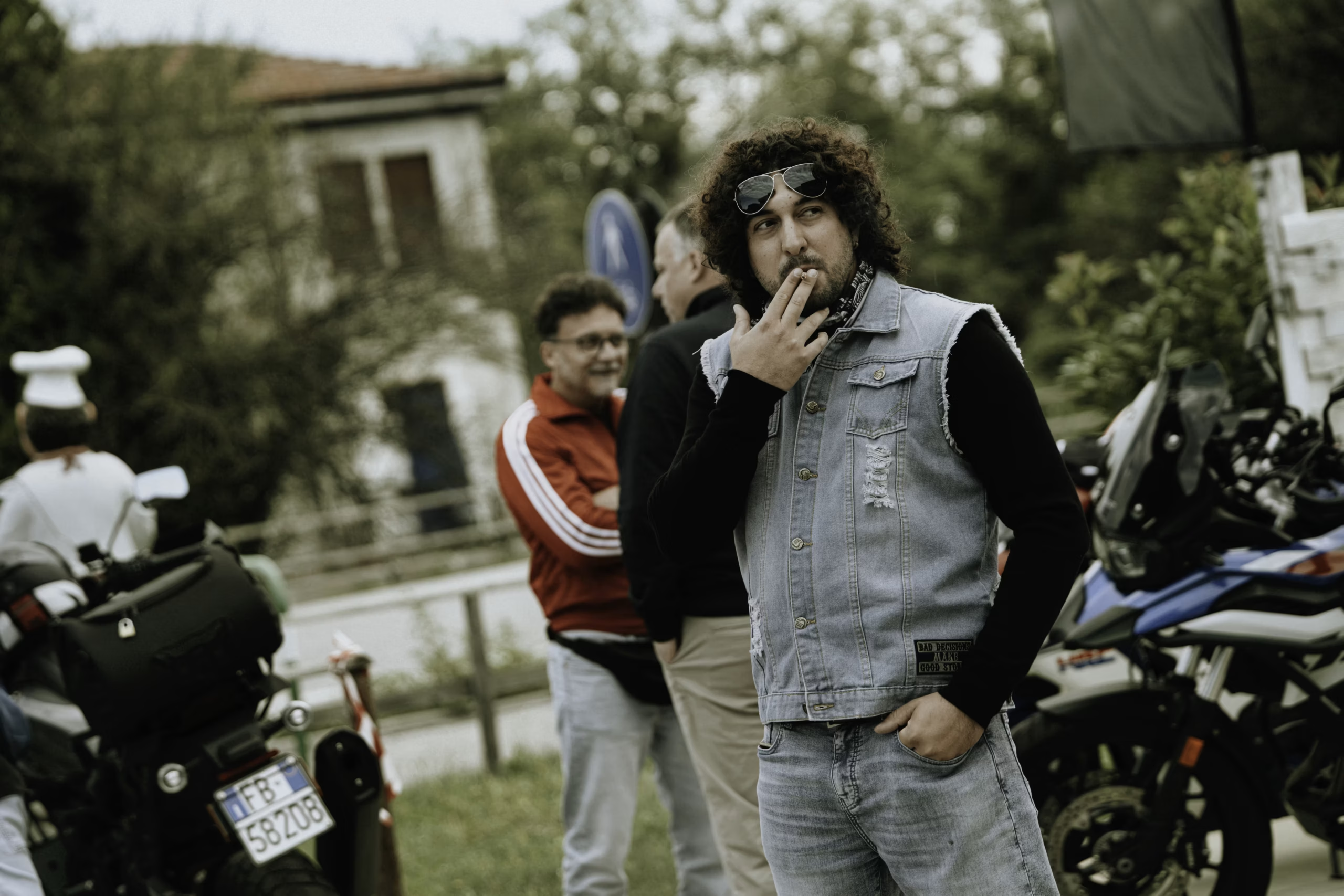
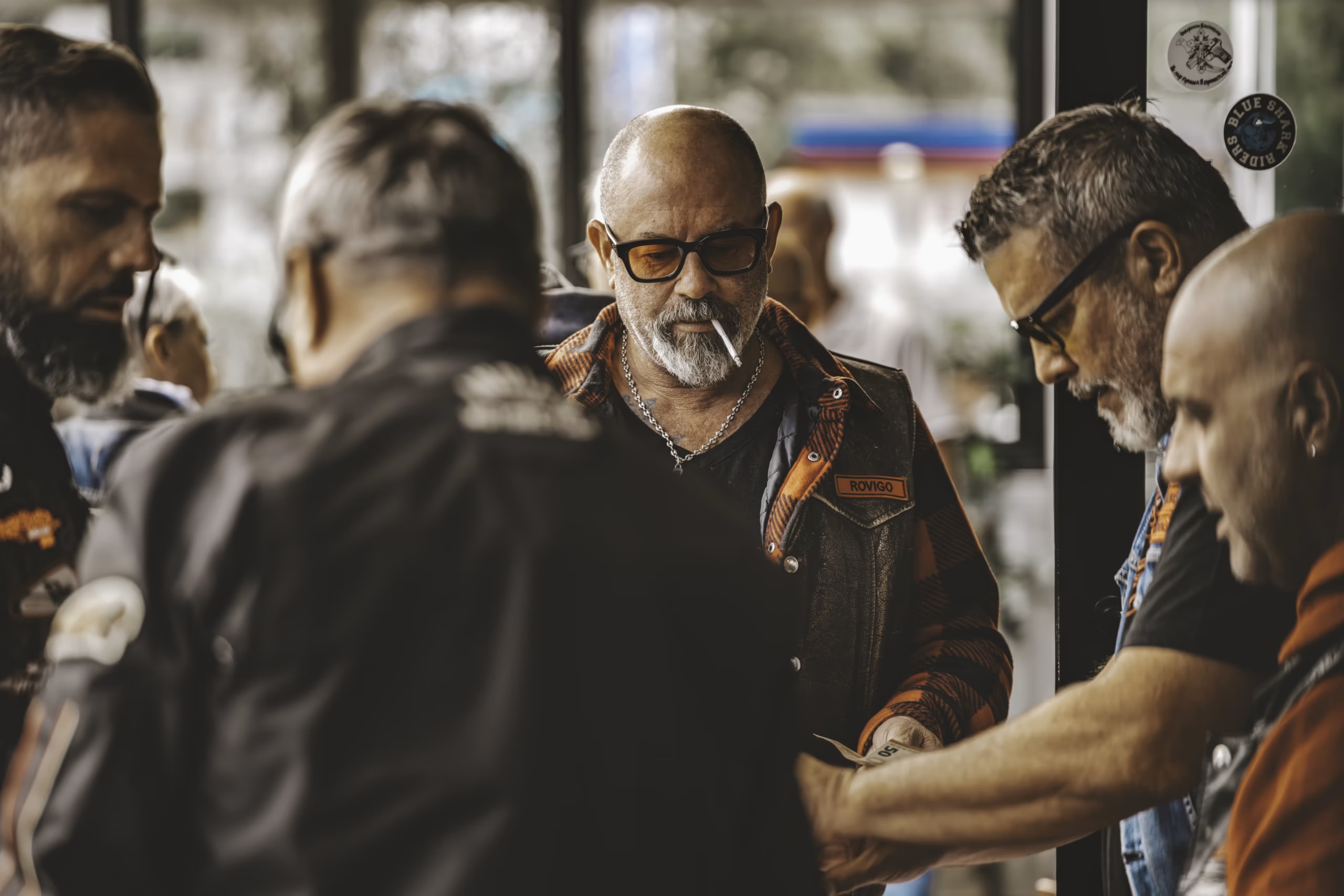
Leather jackets, denim, patches sewn on like medals from private wars. Gray beards, tattoos, scarred helmets, boots that have clearly known more roads than carpets. Men and women who, from a distance, might look as though they had stepped out of an illustrated catalog of everything a prudent mother would advise you to avoid.
Then you move closer.
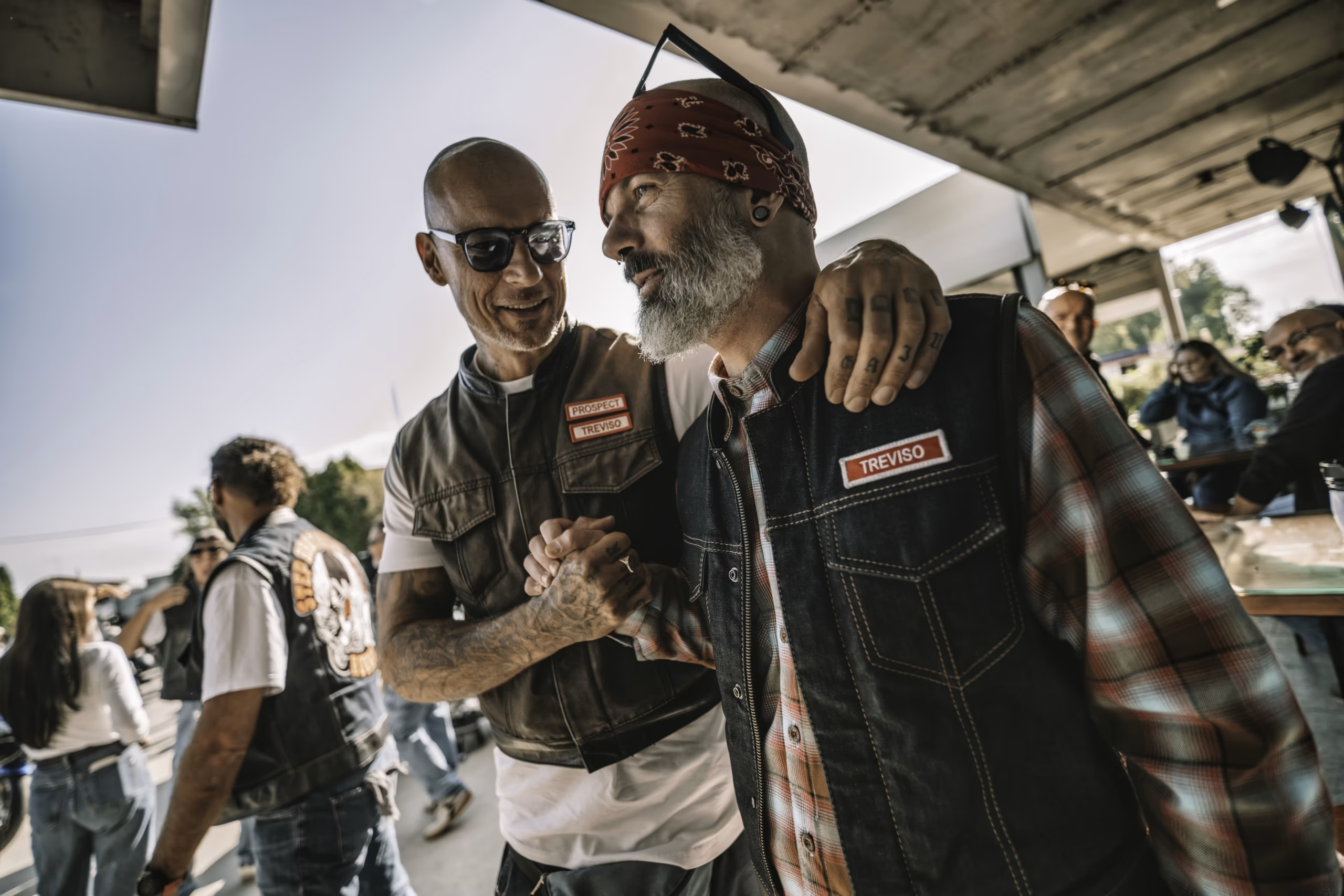
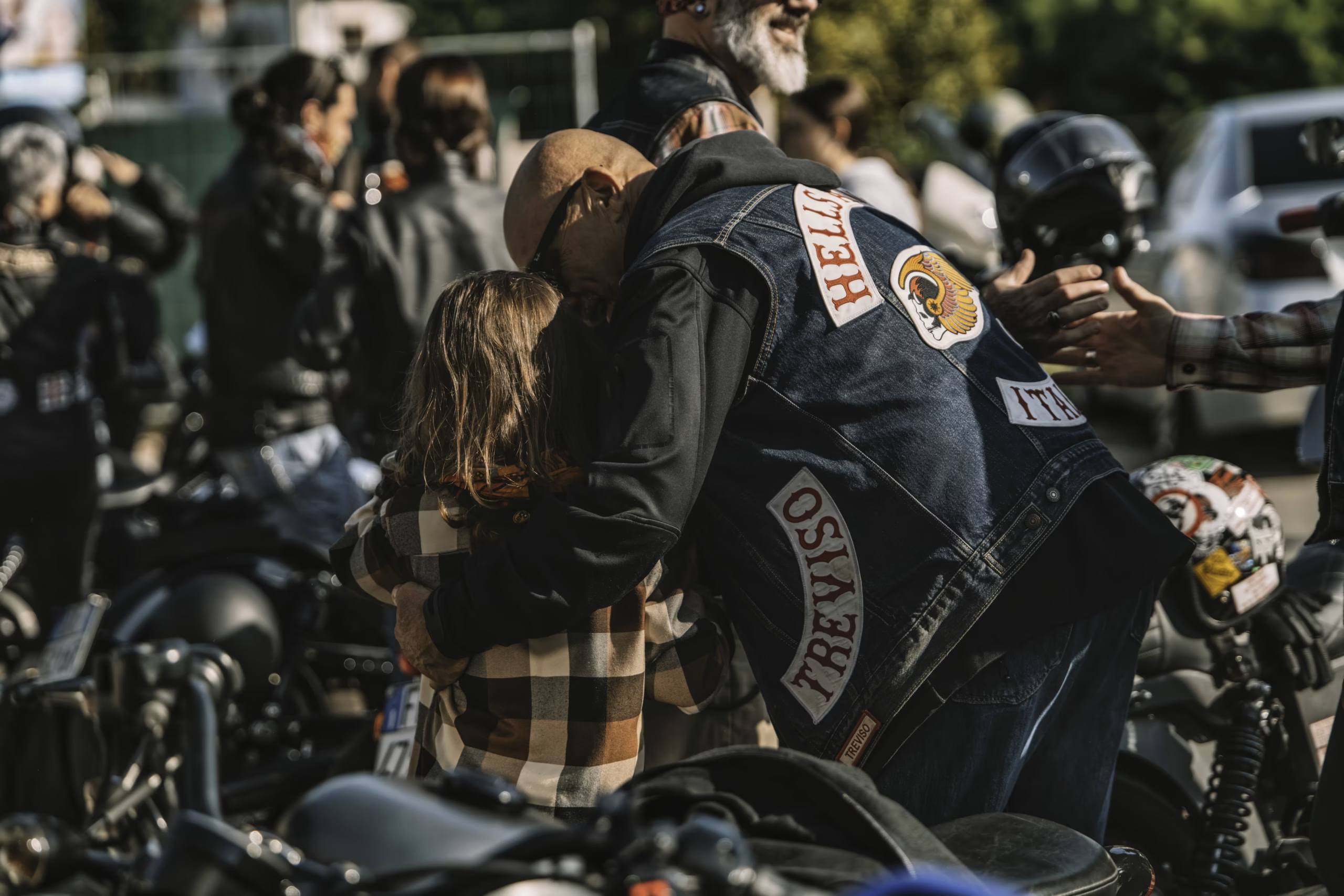
And you find handshakes.
Hugs.
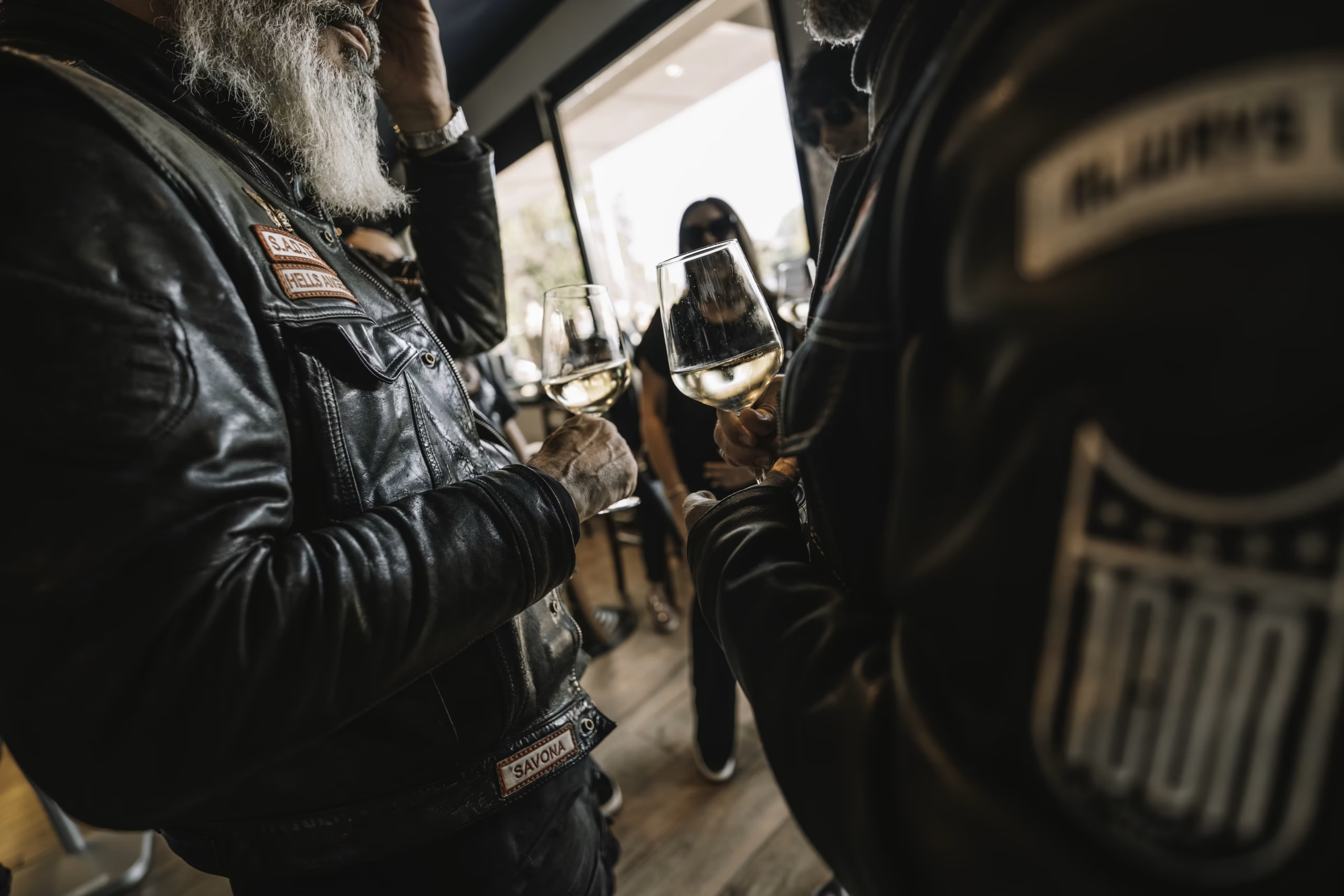
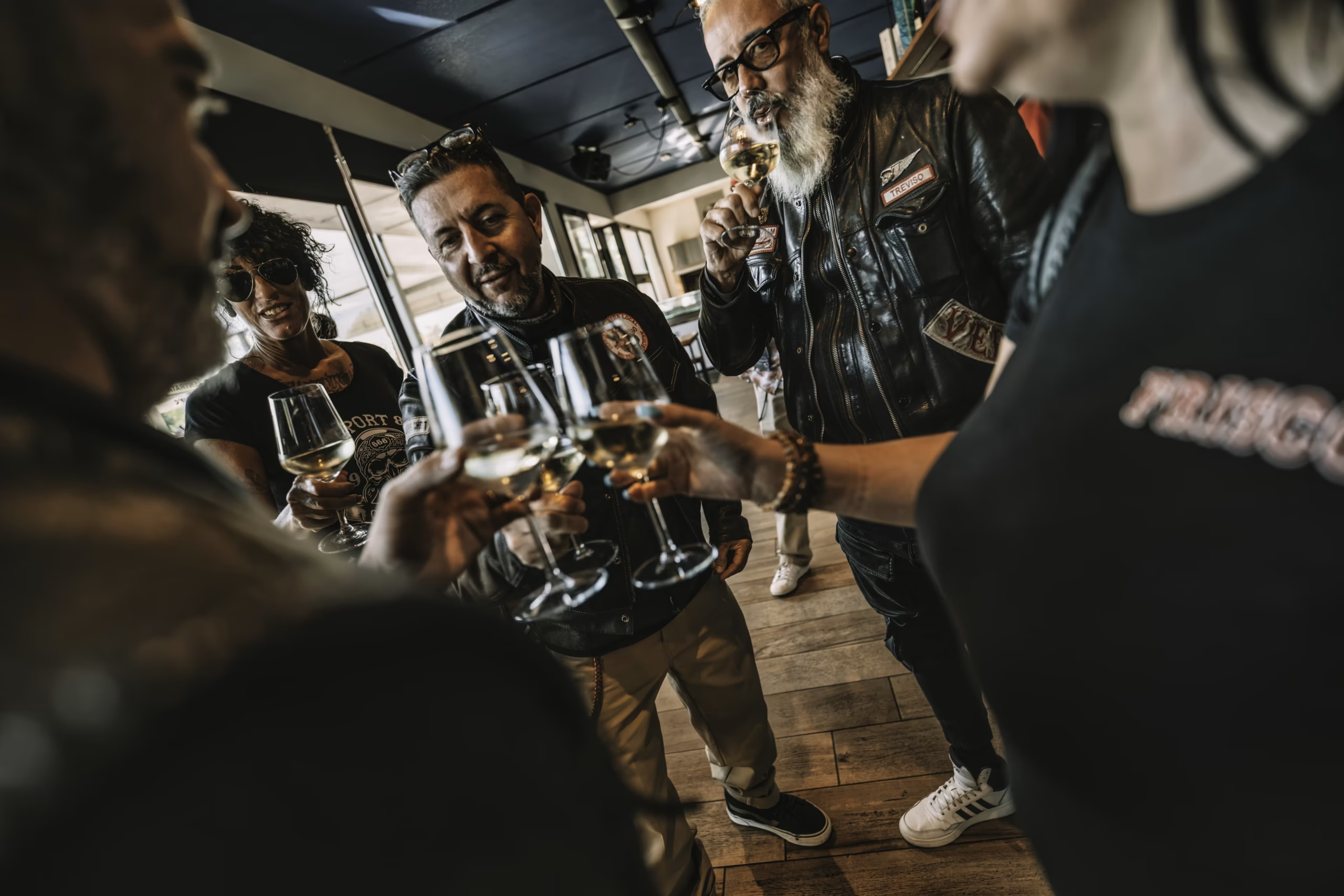
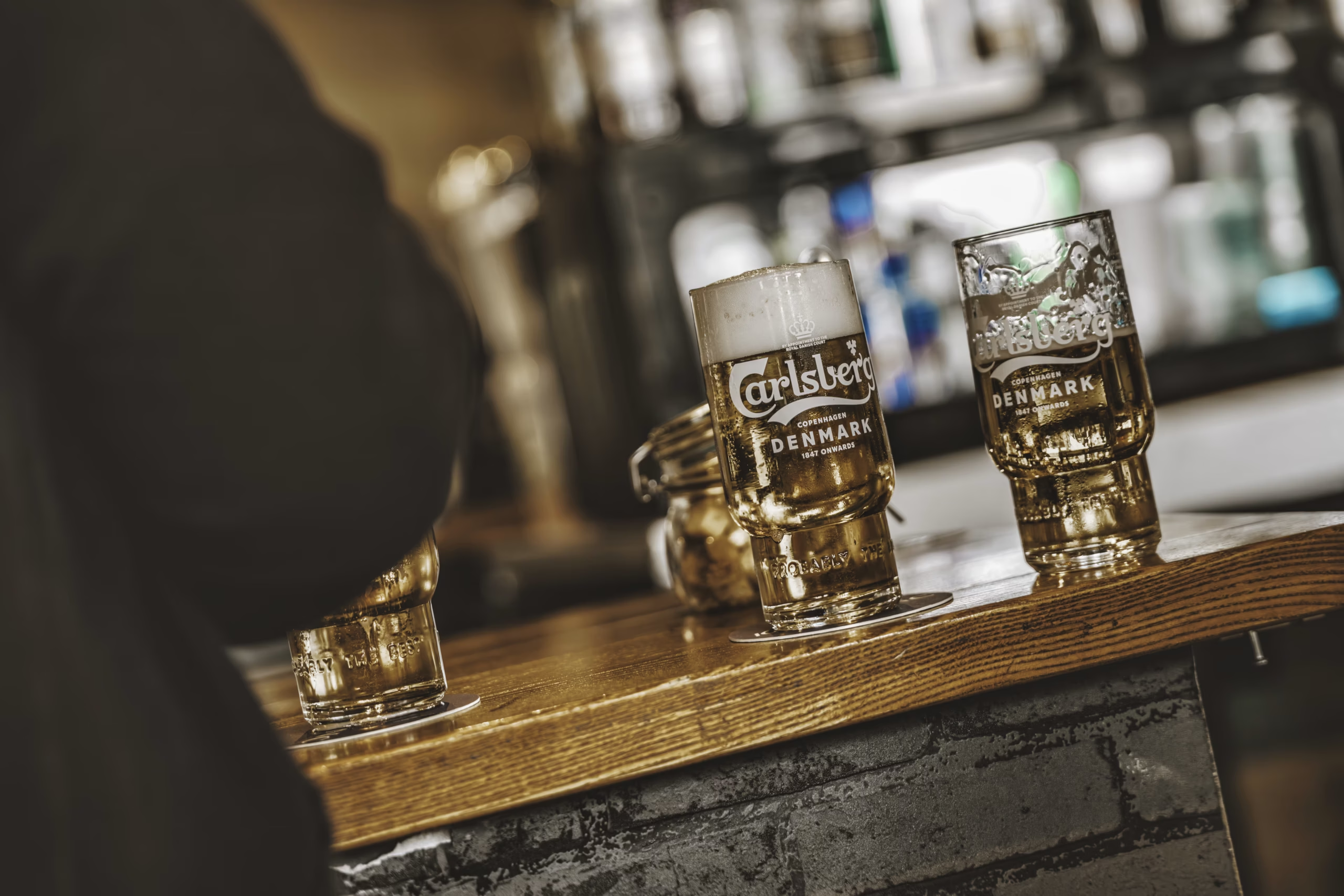
Raised glasses.
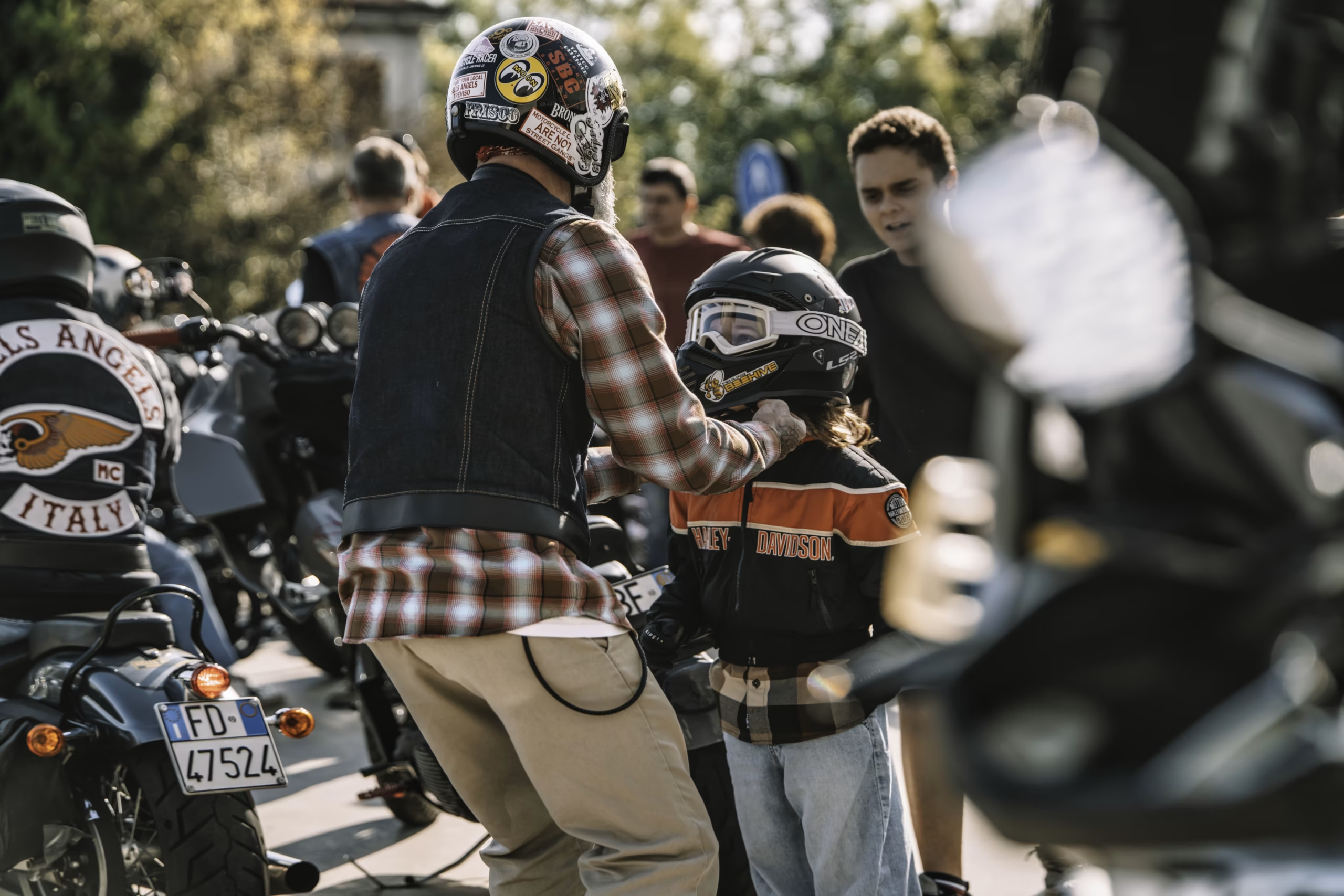
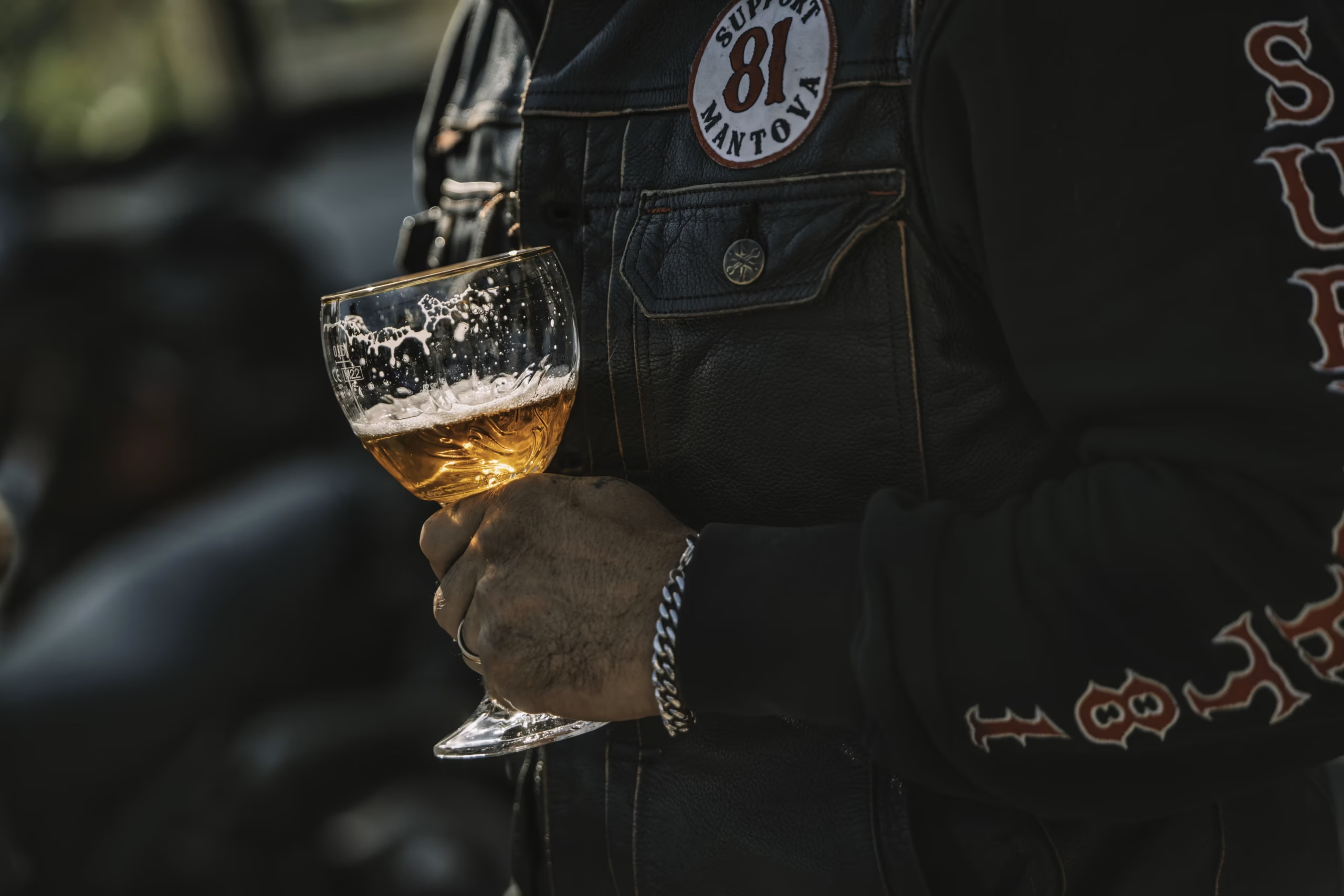
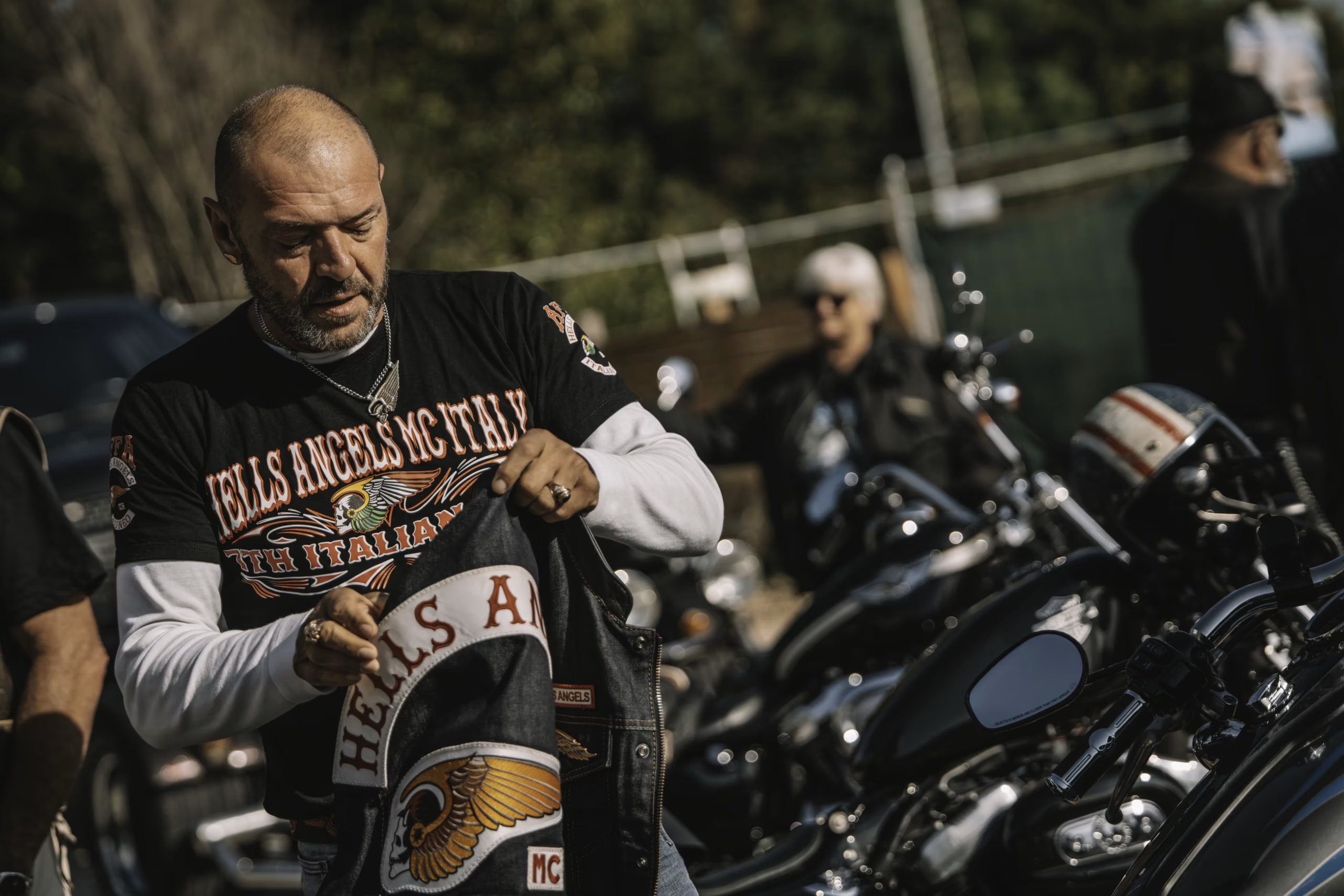
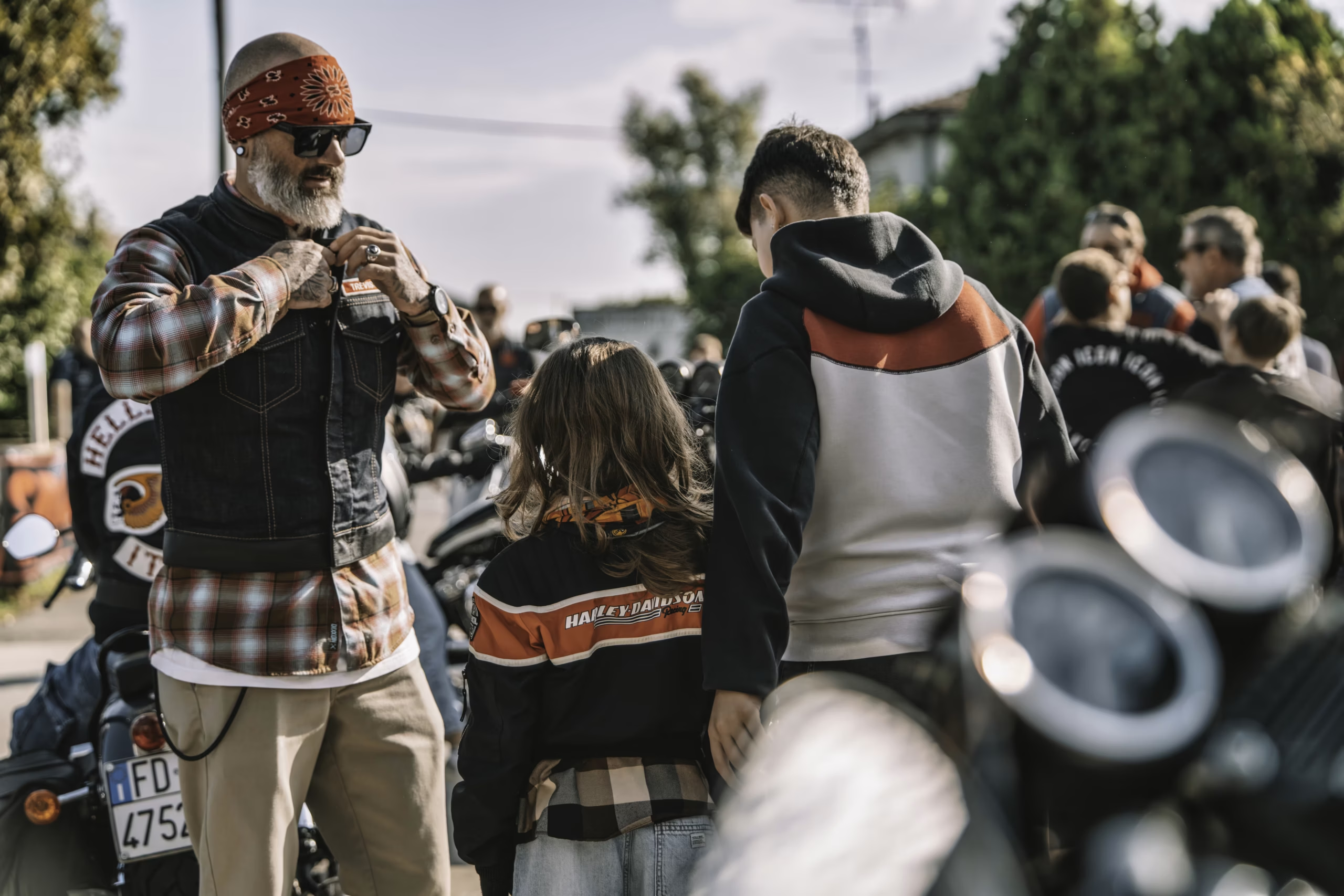
Someone helping another person settle into a jacket.
Someone inspecting a motorcycle that is not his with the care of a surgeon—if surgeons worked while smoking and swearing at a rusty screw.
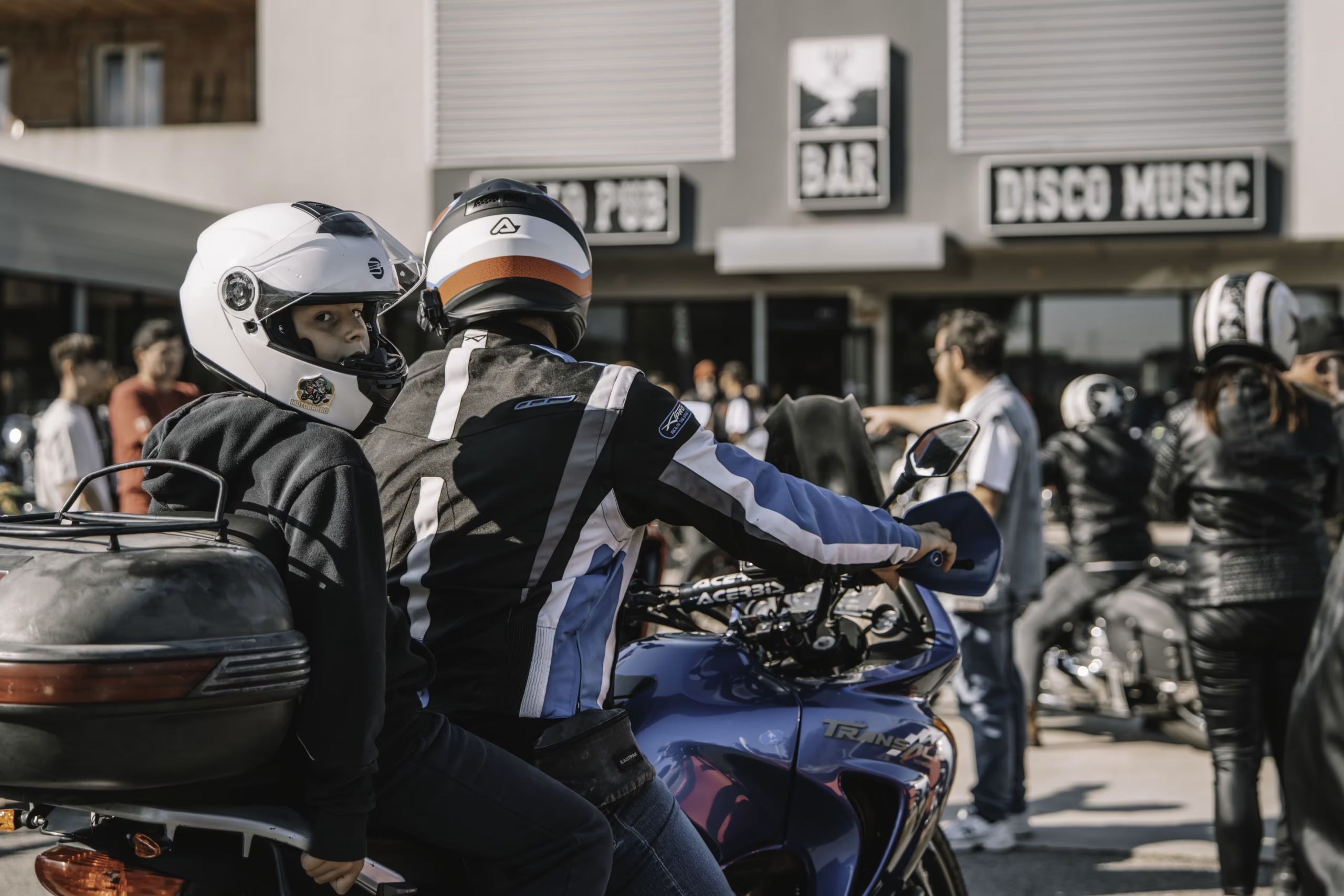
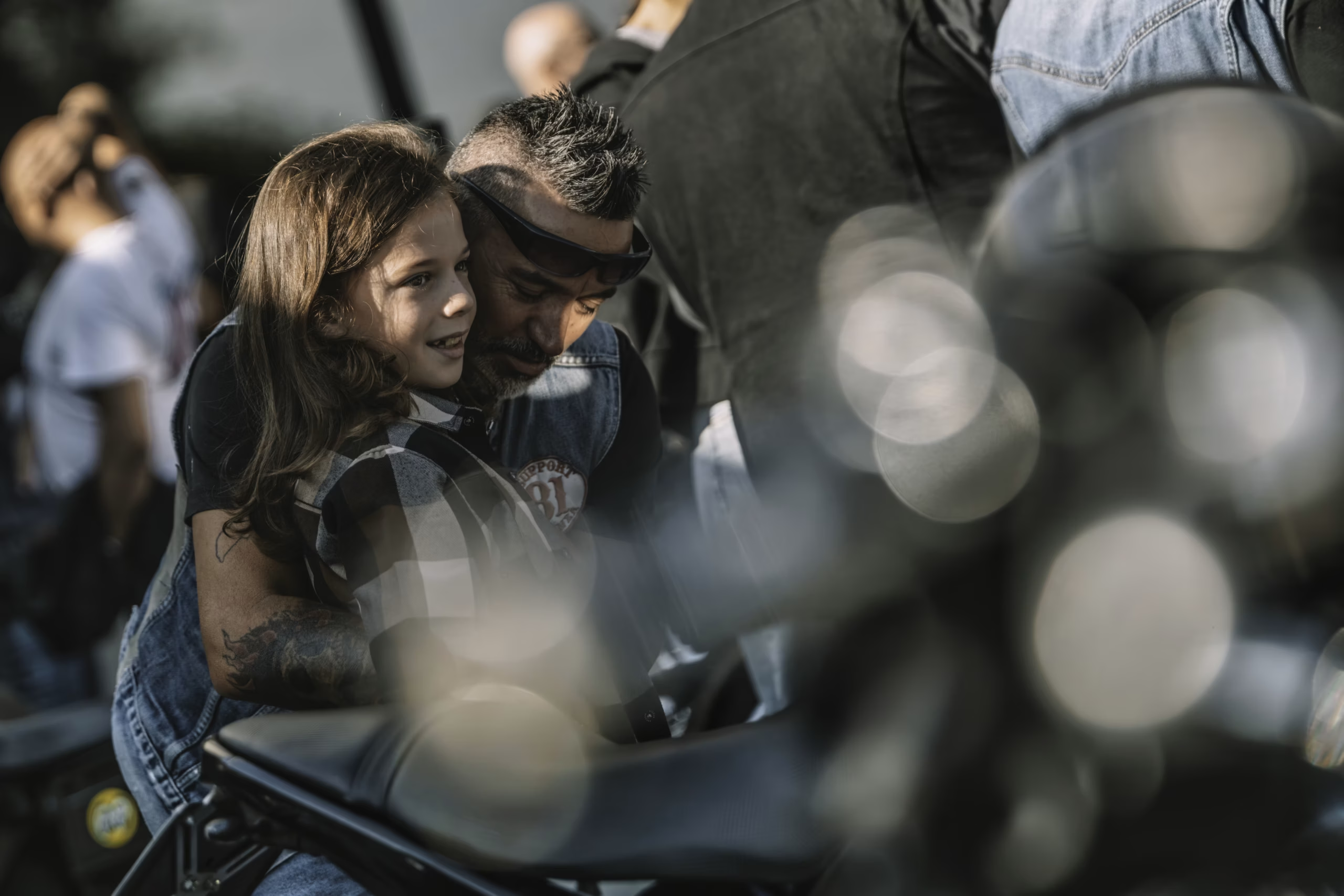
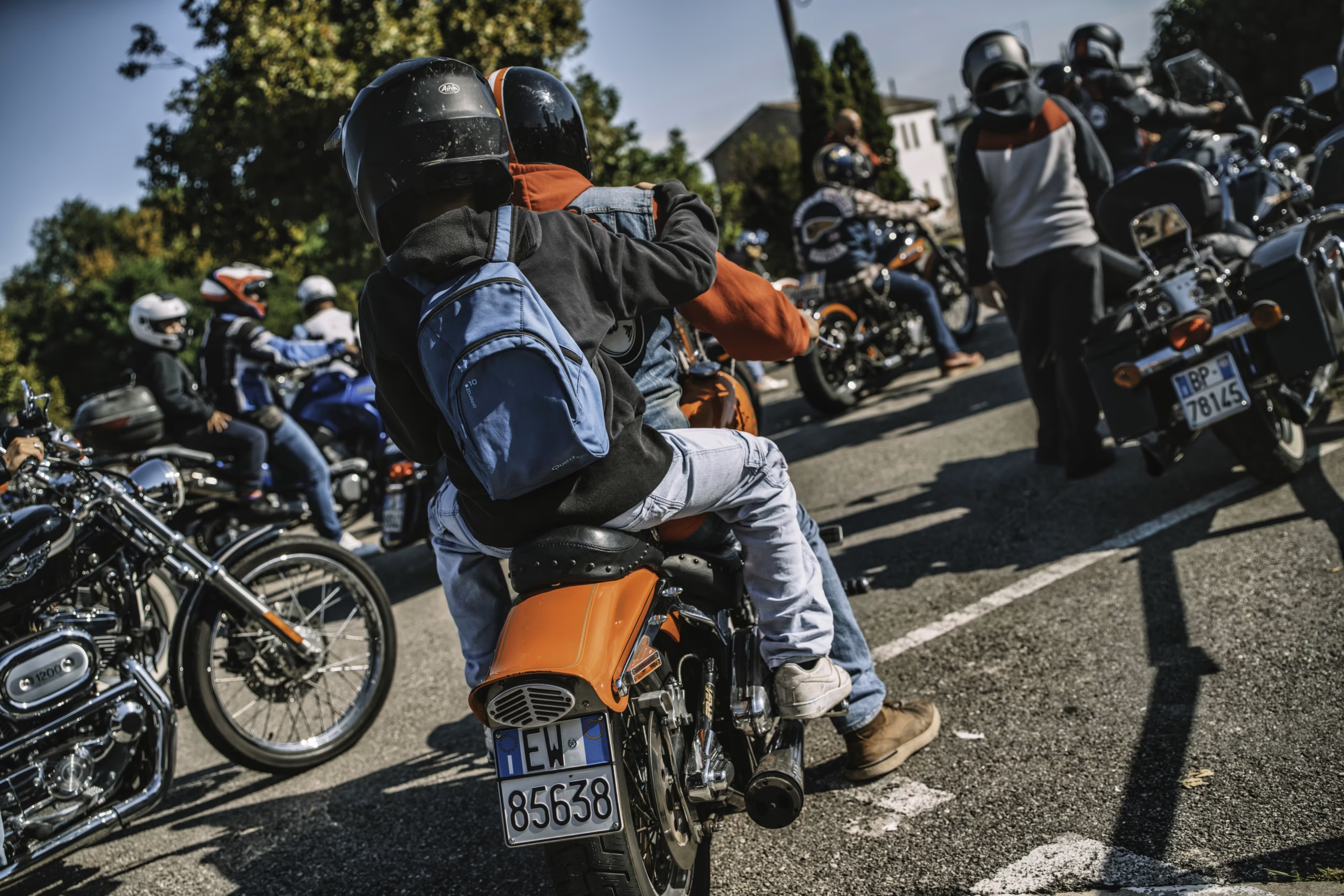
You find children weaving among the adults, already captivated by that world of metal and noise. Couples posing for photographs. Old friends reuniting. People who arrive alone and, a few minutes later, seem to belong to something.
And that is the part that struck me.
Not the costume.
Not the outlaw aesthetic, which is sometimes authentic and other times merely a more expensive way to choose your Sunday best.
What struck me was the bond.
In a world where we spend hours declaring ourselves connected while ignoring the person sitting beside us, these people still seem capable of recognizing one another through physical gestures. A hand on a shoulder. A drink poured. A tool passed over before anyone has to ask. A road traveled together.
Small things.
Modern civilization considers them unproductive.
Which is exactly why they may matter.
Their motorcycles tell the same story.
They are not merely clean or expensive. They are cared for.
There is a difference here too.
Cleaning means removing the dirt.
Caring means knowing.
Knowing which sound is normal and which one is announcing an expensive bill. Remembering when a part was replaced. Noticing a new vibration. Tightening a bolt before the road decides to keep it as a souvenir.
Every motorcycle seems to hold a piece of its rider’s character.
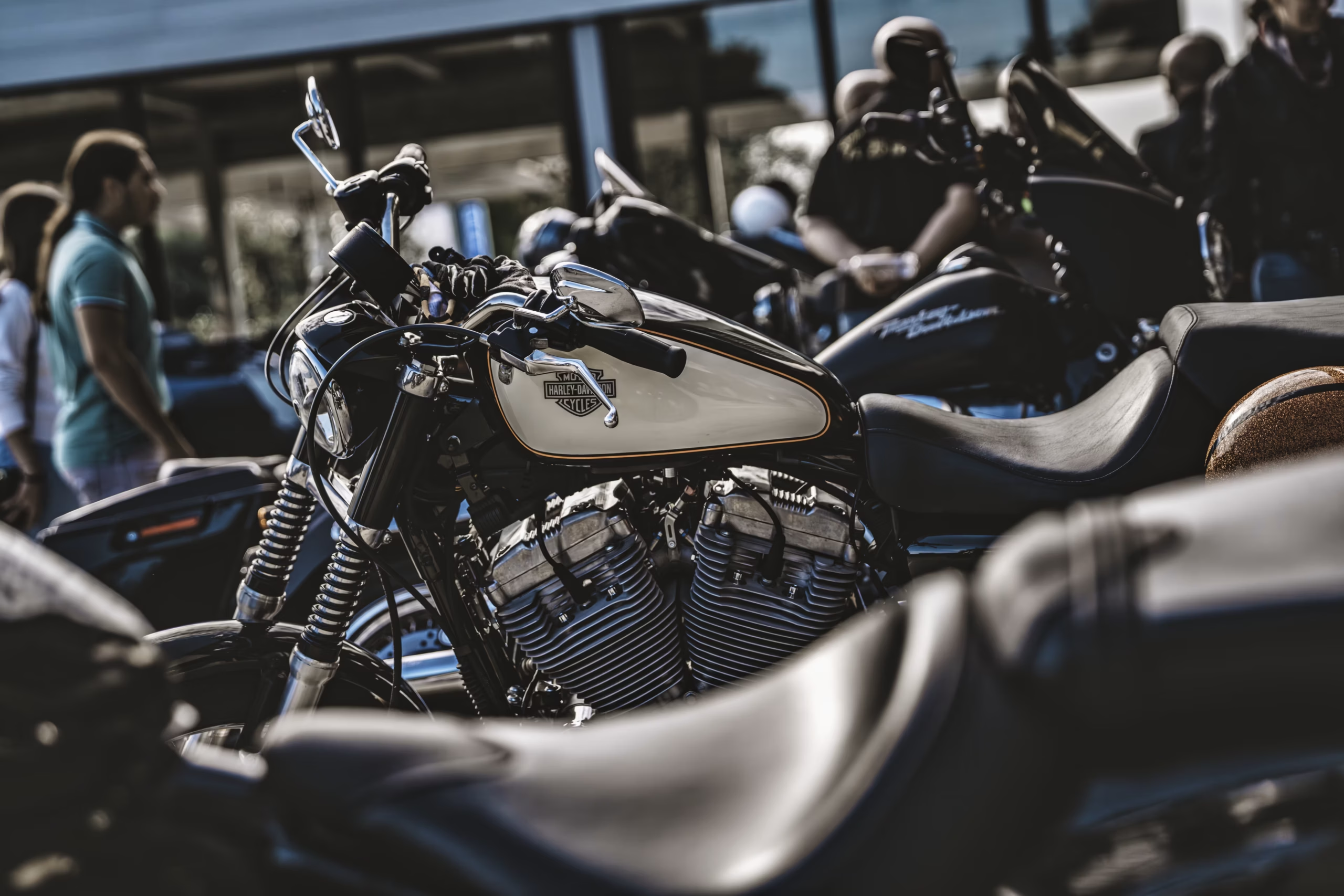
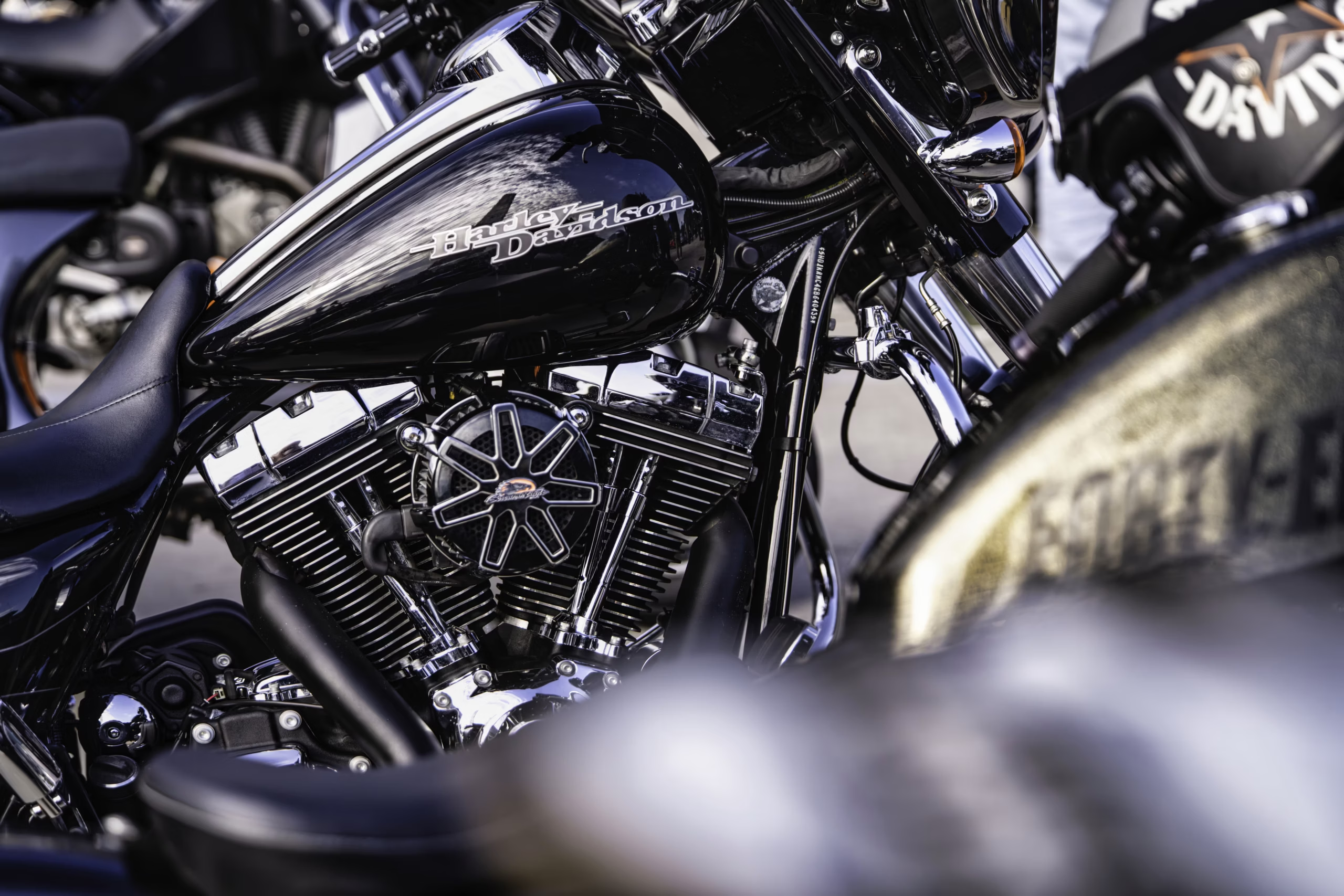
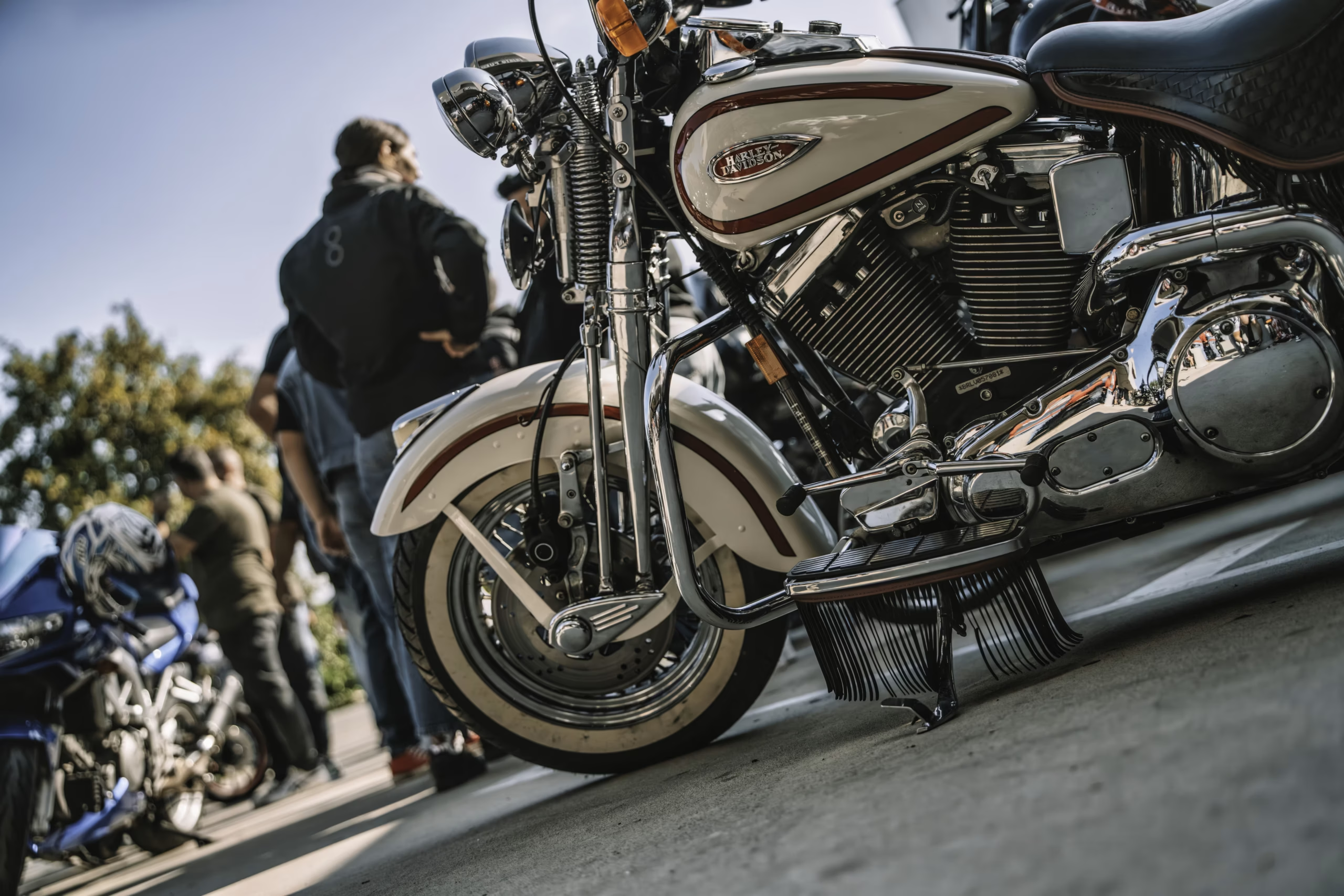
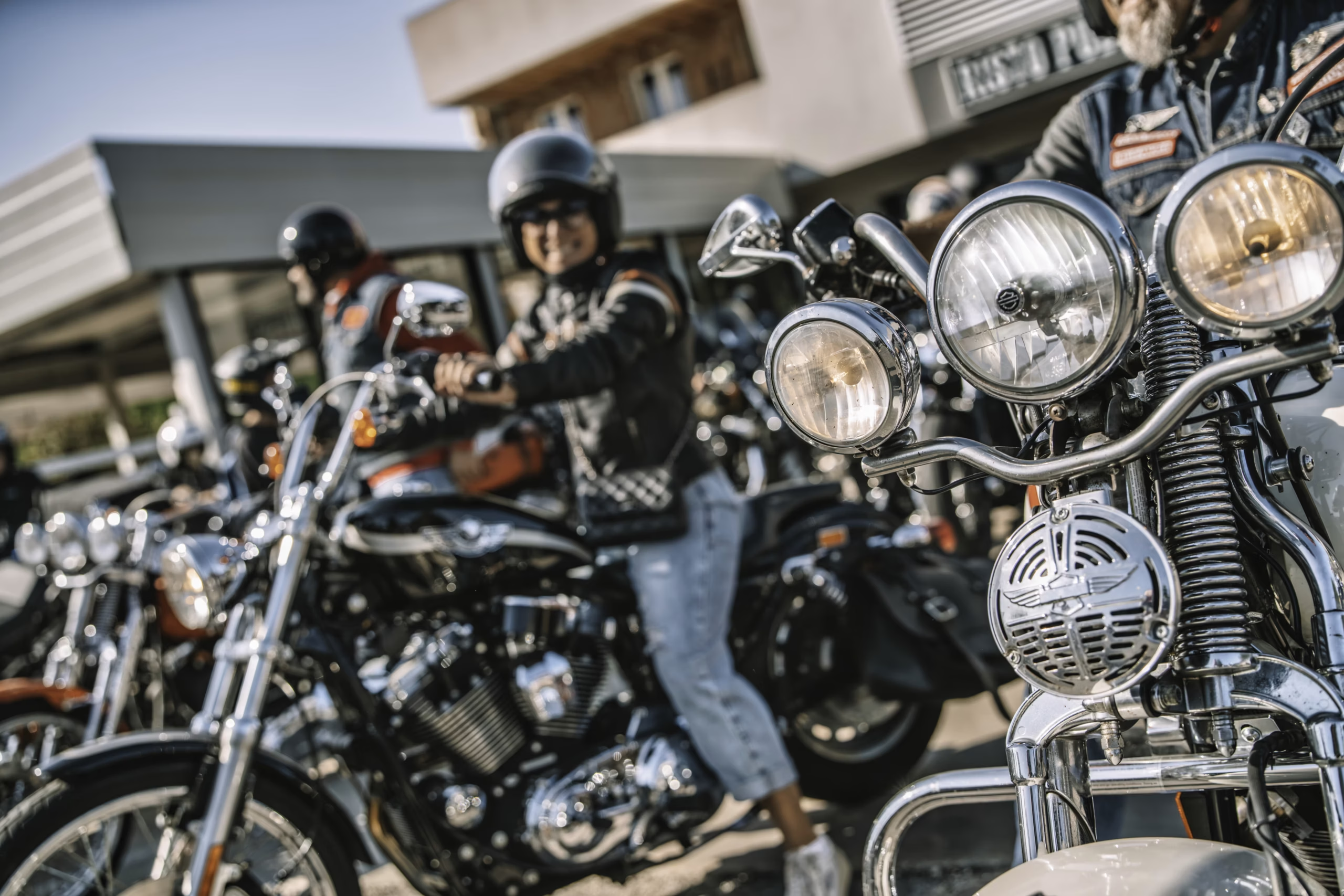
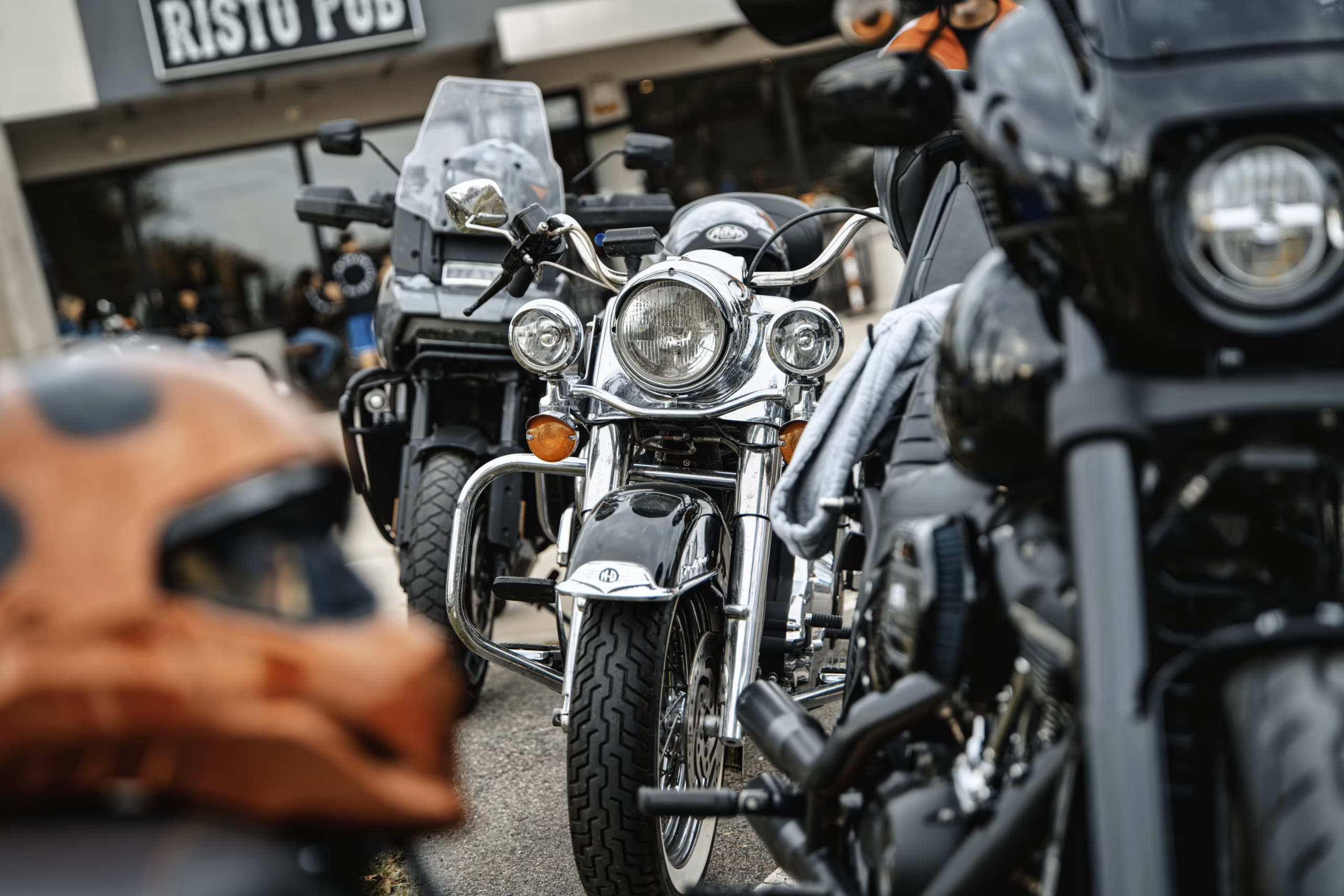
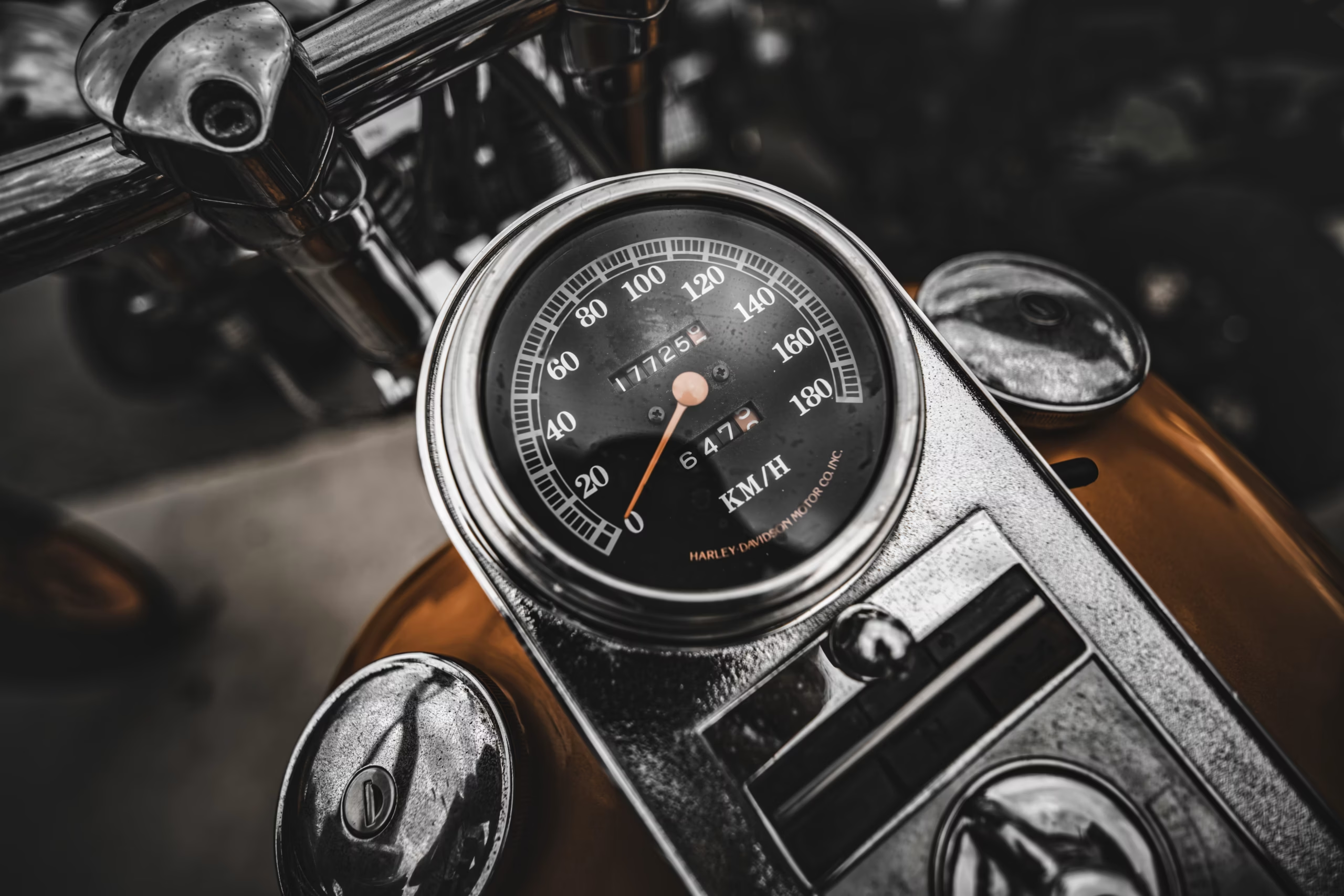
One is chromed until it reflects the sky.
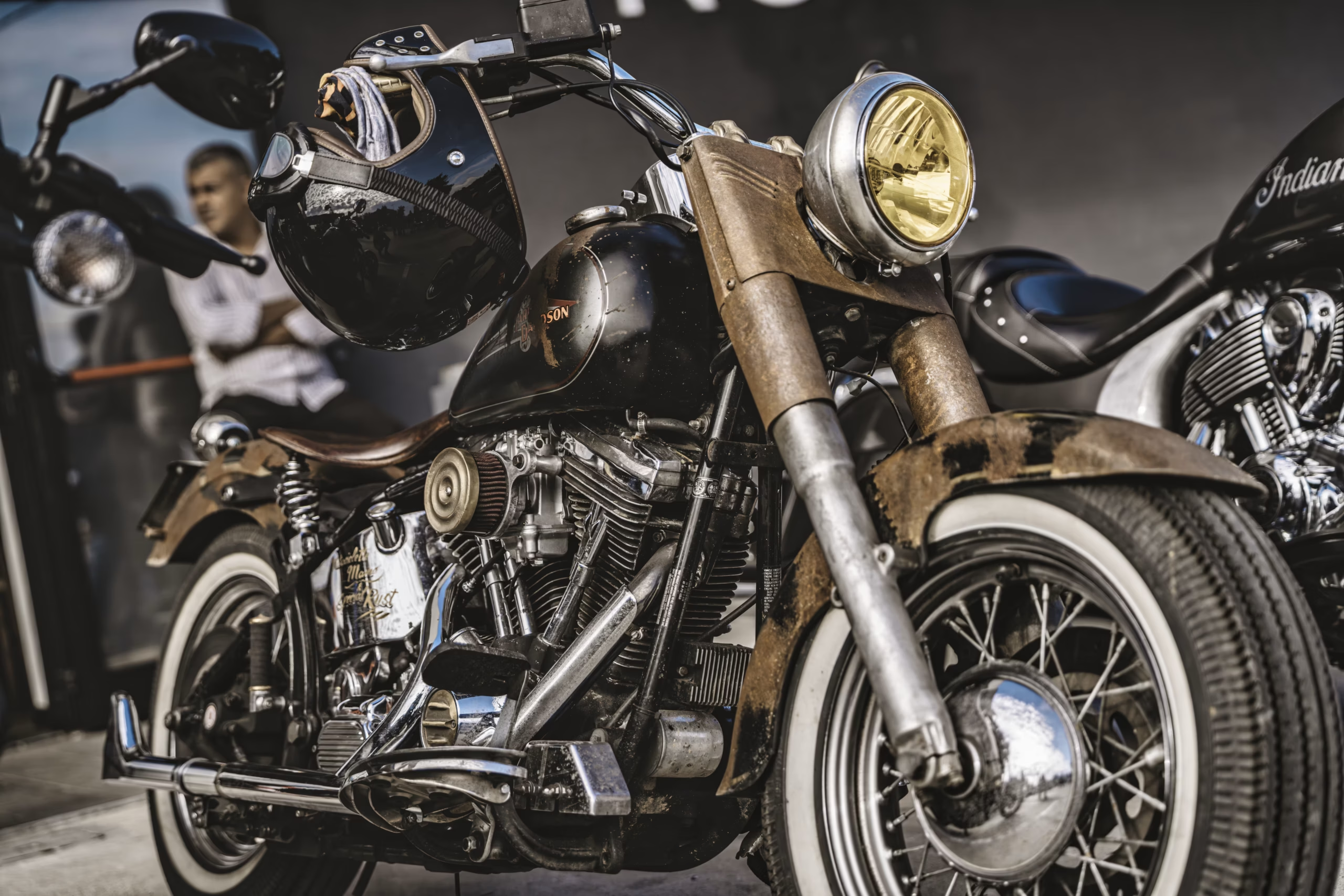
Another is covered in rust, leather, metal, and scars, as though it had been assembled from the remains of three previous lives.
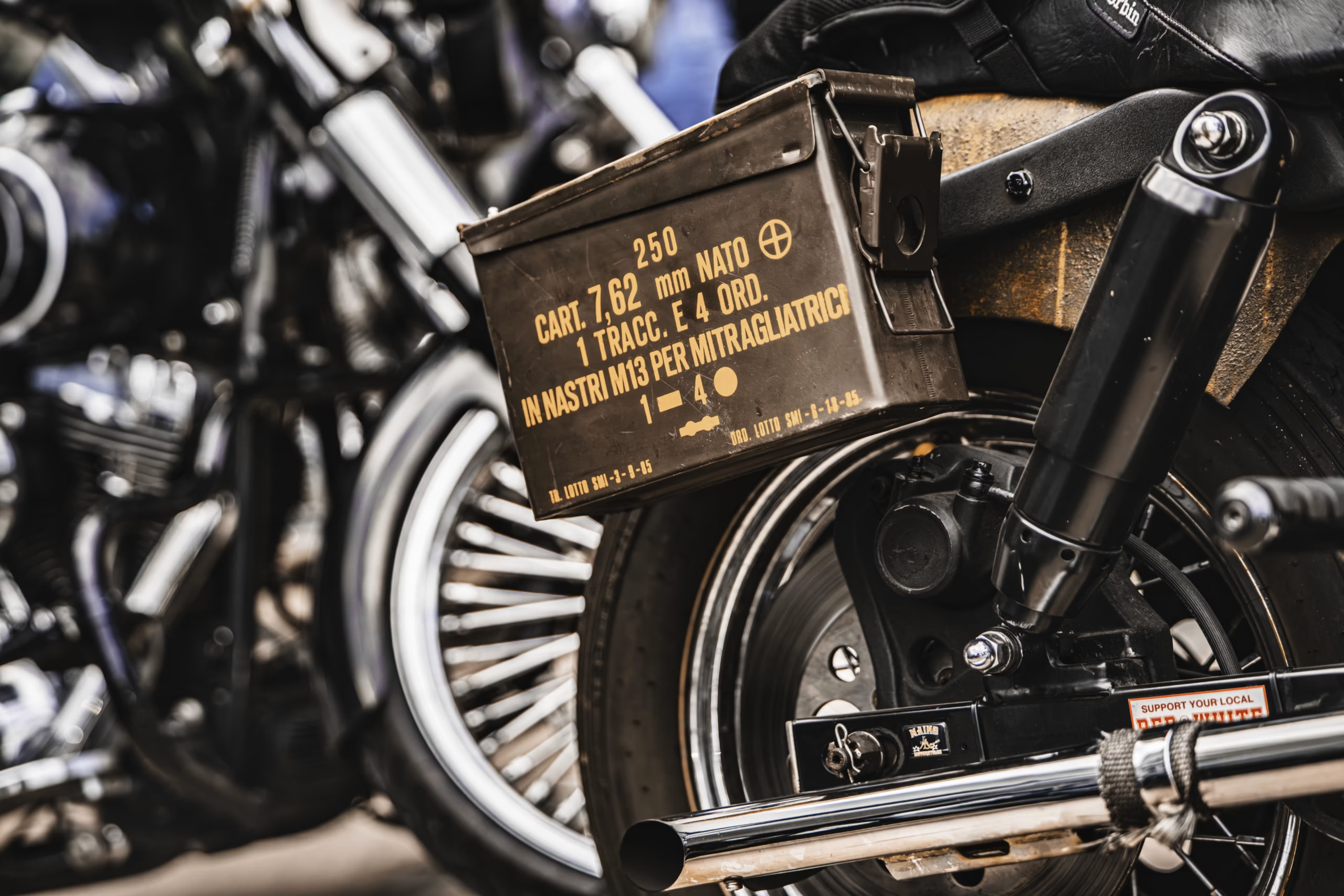
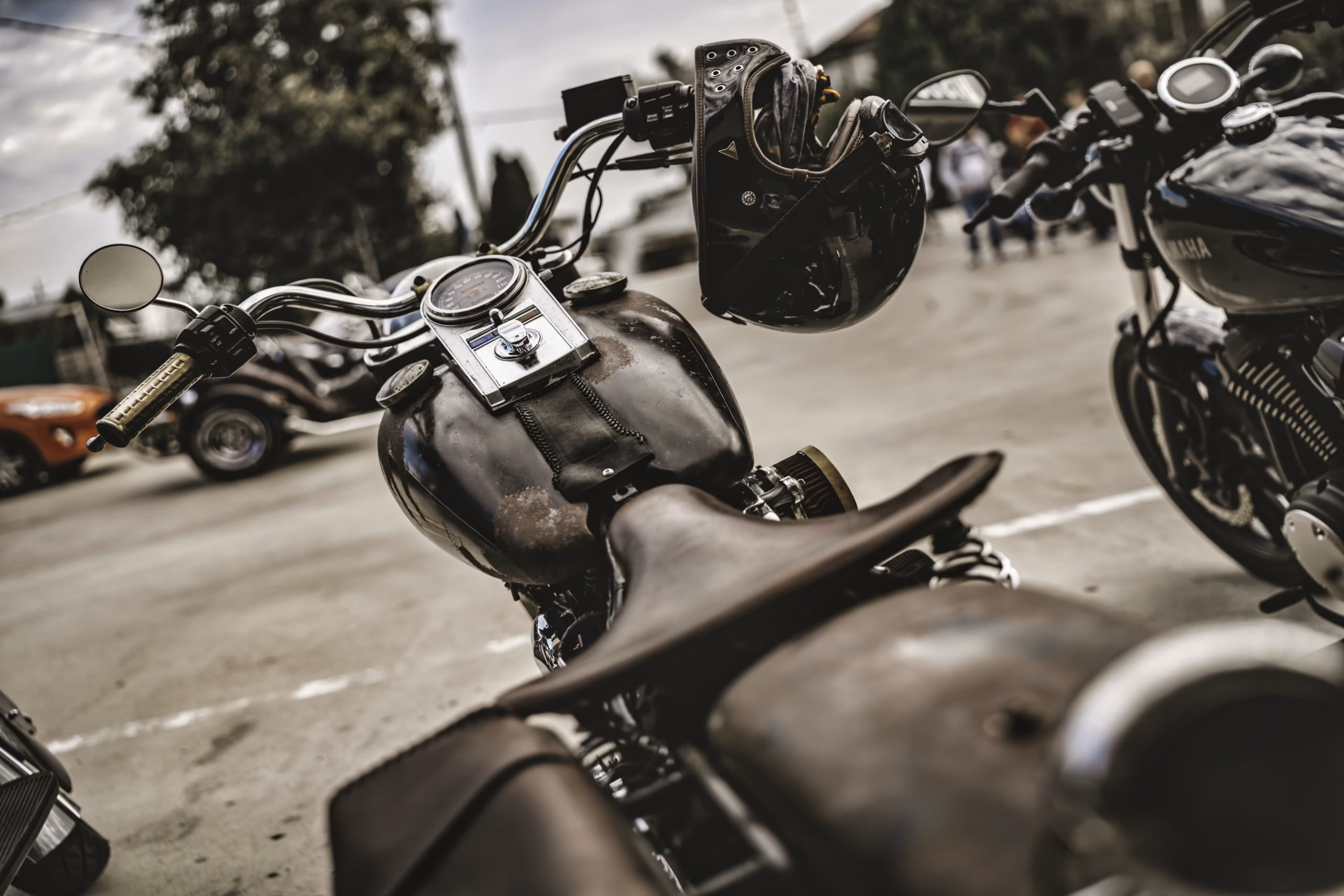
One carries bags covered in emblems and memories. Another is so immaculate it looks ready for a ceremony. Another still has a worn tank, a scarred seat, and that magnificent air possessed by things that do not need to be perfect in order to keep working.
They are not neutral objects.
They are biographies with engines.
And perhaps that explains why they are loved so fiercely.
The motorcycle is not the point.
It is the way.
The way to reach a place, meet people, wake up early, get lost, stop at an unfamiliar bar, eat something questionable, set off again, get cold, laugh, and come home feeling as though the day lasted longer than the twenty-four hours stipulated in the contract.
We have filled our lives with tools designed to save us time.
Then we spend all the time we saved watching videos of other people living.
A brilliant system.
The motorcyclist—at least the kind I have seen—seems to follow the opposite philosophy: take longer, choose the long road, stop whenever it is worth stopping, and arrive with something to tell.
It is not always an epic journey.
Sometimes it is only a few miles.
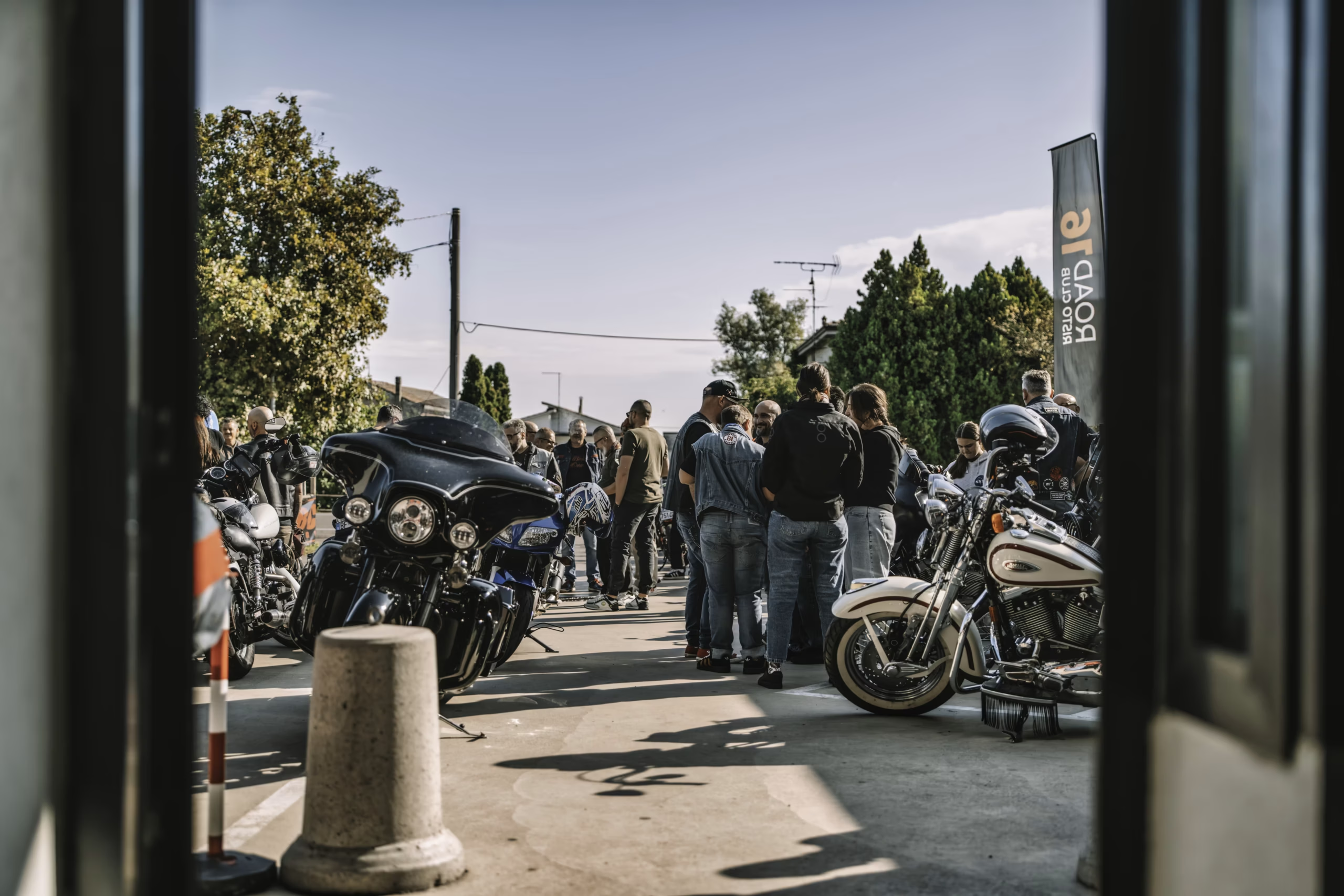
A gathering.
Lunch.
An afternoon spent talking around the bikes, drinking, joking, and discussing exhausts, seats, tires, and modifications no reasonable person would ever notice with wildly disproportionate seriousness.
But life is mostly made of this.
Days that look small yet, pieced together, become the only biography we ever truly own.
We have been convinced that living means reaching great milestones.
Career.
House.
Success.
Prestige.
A series of words printed in elegant type above photographs of people smiling too much.
Then you meet someone who seems perfectly well because he spent Sunday riding with his friends, and you begin to suspect the whole construction may be one colossal load of bullshit.
Maybe life does not always have to be grand.
Maybe it has to be felt.
A motorcycle starting.
Morning light on metal.
Someone arriving and being welcomed.
A group raising a toast.
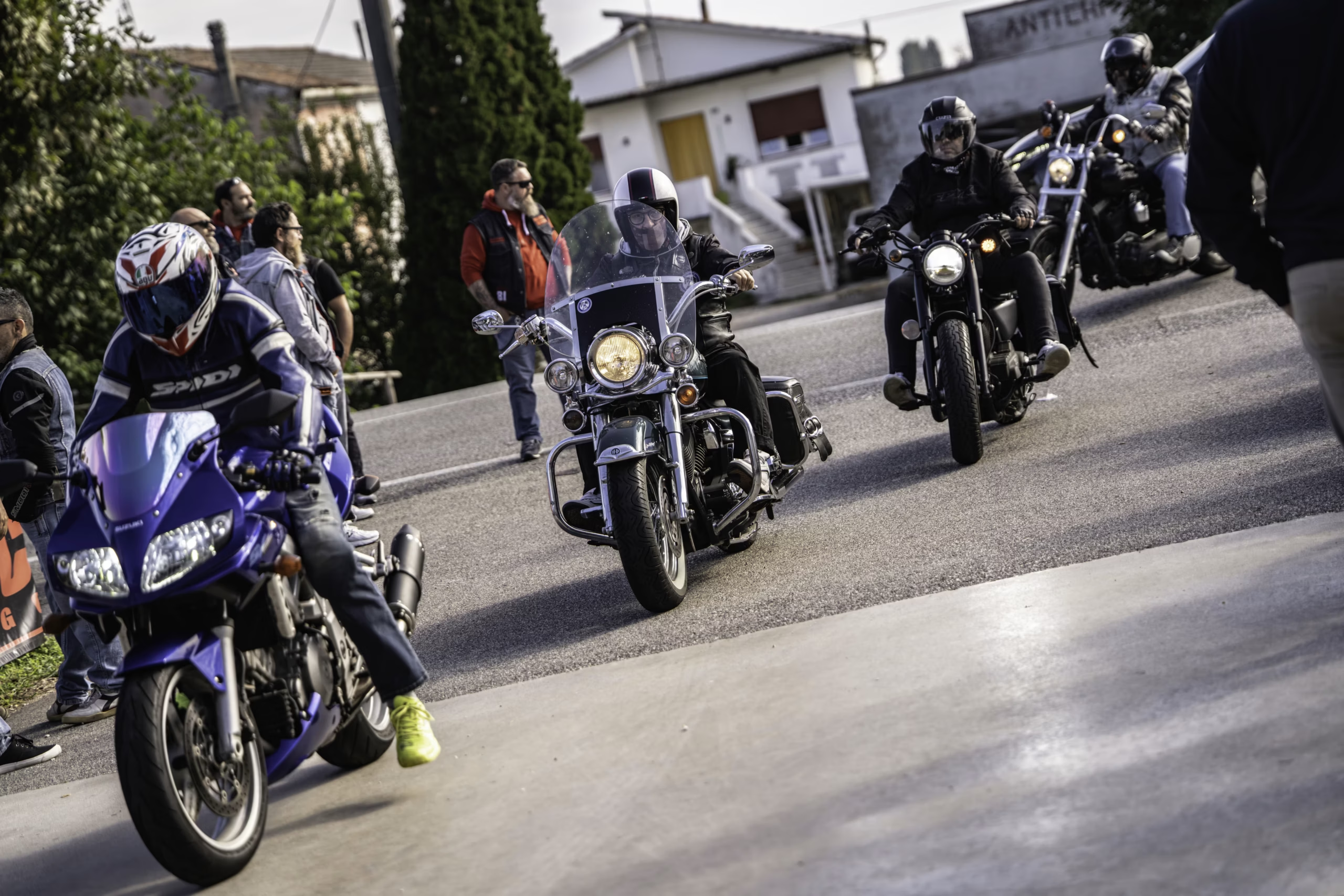
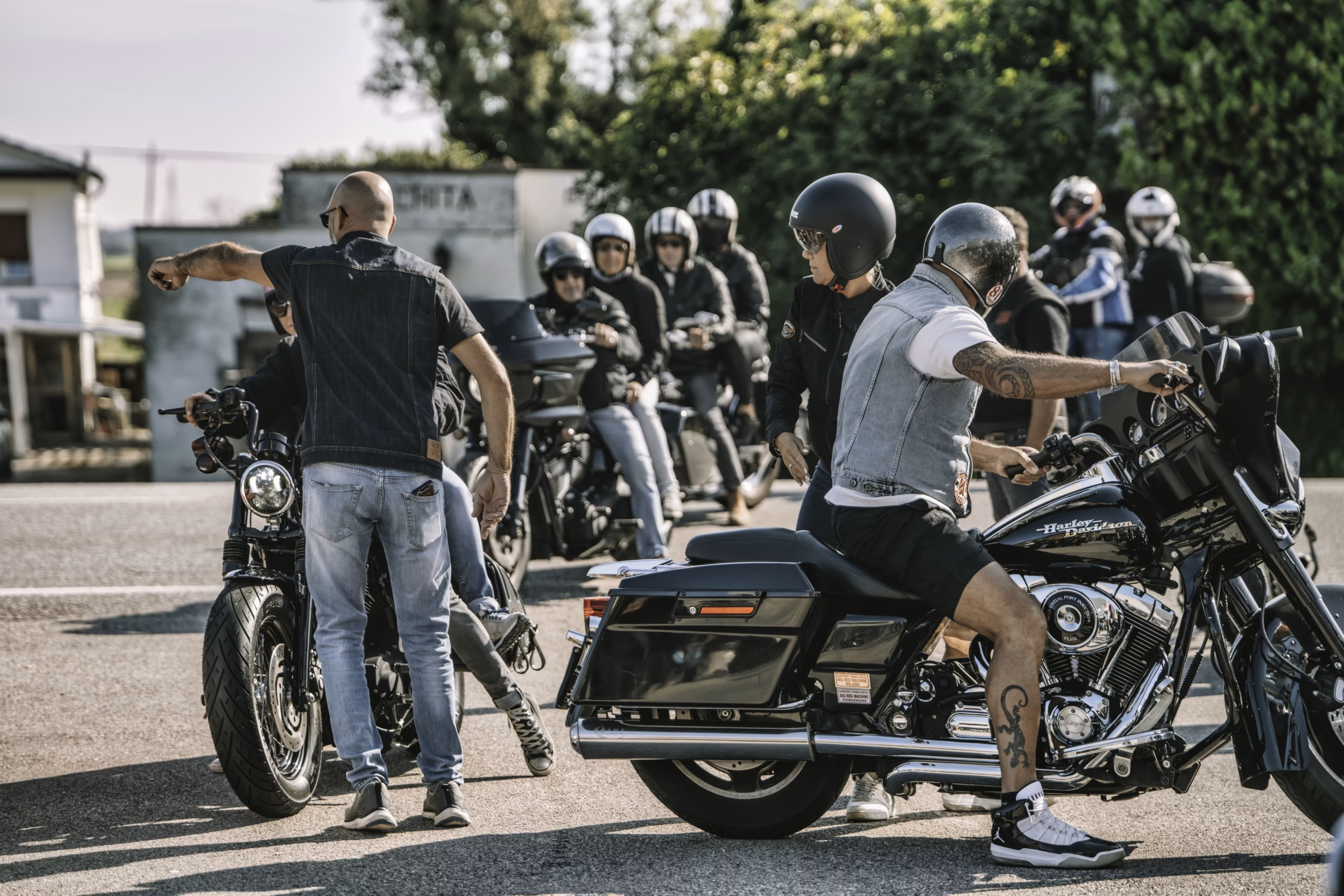
The sound of engines before departure.
The road opening ahead.
That is not nothing.
We are the ones who learned to call it nothing because it does not produce a promotion, a certificate, or an interesting line on a résumé.
But a résumé does not keep you company when life turns dark.
A passion sometimes does.
A community often does too.
Naturally, I do not want to turn all of this into a romantic postcard.
There will be assholes among motorcyclists too—egomaniacs, fanatics, and men convinced that the volume of an exhaust can compensate for an obvious poverty of spirit.
Every human tribe contains its allotted percentage of idiots.
It is a universal tax.
But that does not erase what I felt while immersed in that world: the possibility that a shared passion might become a language, and that this language might allow people to find one another.
Not because they share every idea.
Not because they come from the same place.
But because they know what it means to prepare the bike, set out, and let the road decide the rest for a few hours.
Travel teaches you in ways no school could easily schedule.
It teaches you that plans fall apart.
That the weather changes.
That something breaks.
That people can help you without knowing you.
That certain magnificent places have no parking lot, no reviews, and no connection fast enough to post them immediately.
It teaches you to carry only what you need.
And in a society built on the compulsive accumulation of things we no longer know where to put, that is almost an act of conscious revolution.
Space on a motorcycle is limited.
You have to choose.
A jacket.
A few clothes.
The tools.
Two things that matter.
Everything else stays home.
And perhaps you discover that many of the problems you considered indispensable could have stayed there too.
Simplicity is not always peace.
Sometimes it is discomfort, exhaustion, cold, and a backache capable of making you look fondly even upon an IKEA couch.
But it is a full discomfort.
An exhaustion you have earned.
You feel it in your body, and you know where it came from.
Very different from the gray exhaustion we carry after a day spent answering pointless messages, attending inconclusive meetings, and pretending to care about goals set by people who cannot even remember our names.
The road wears you out, but first it gives you something.
The system often manages only the first part.
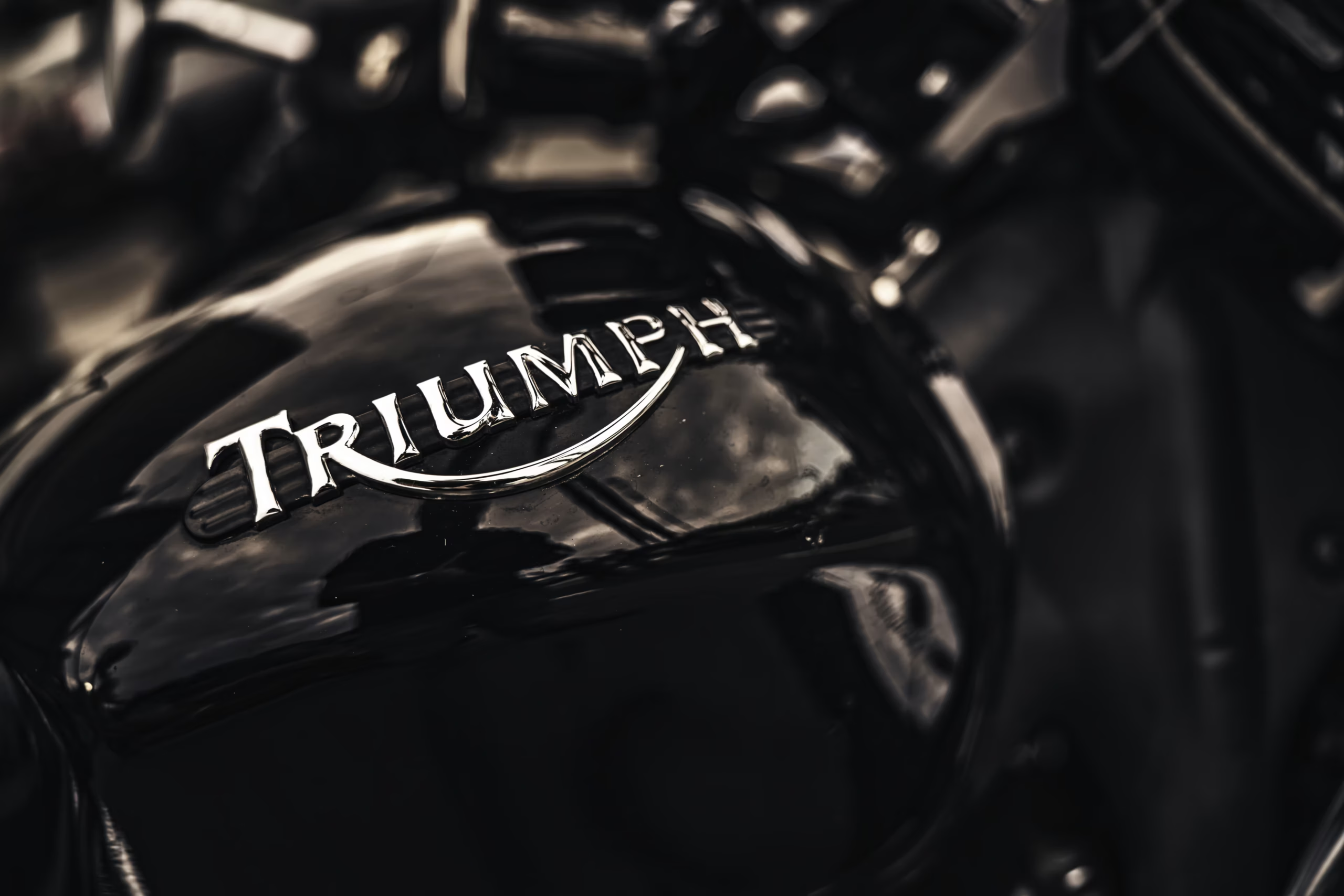
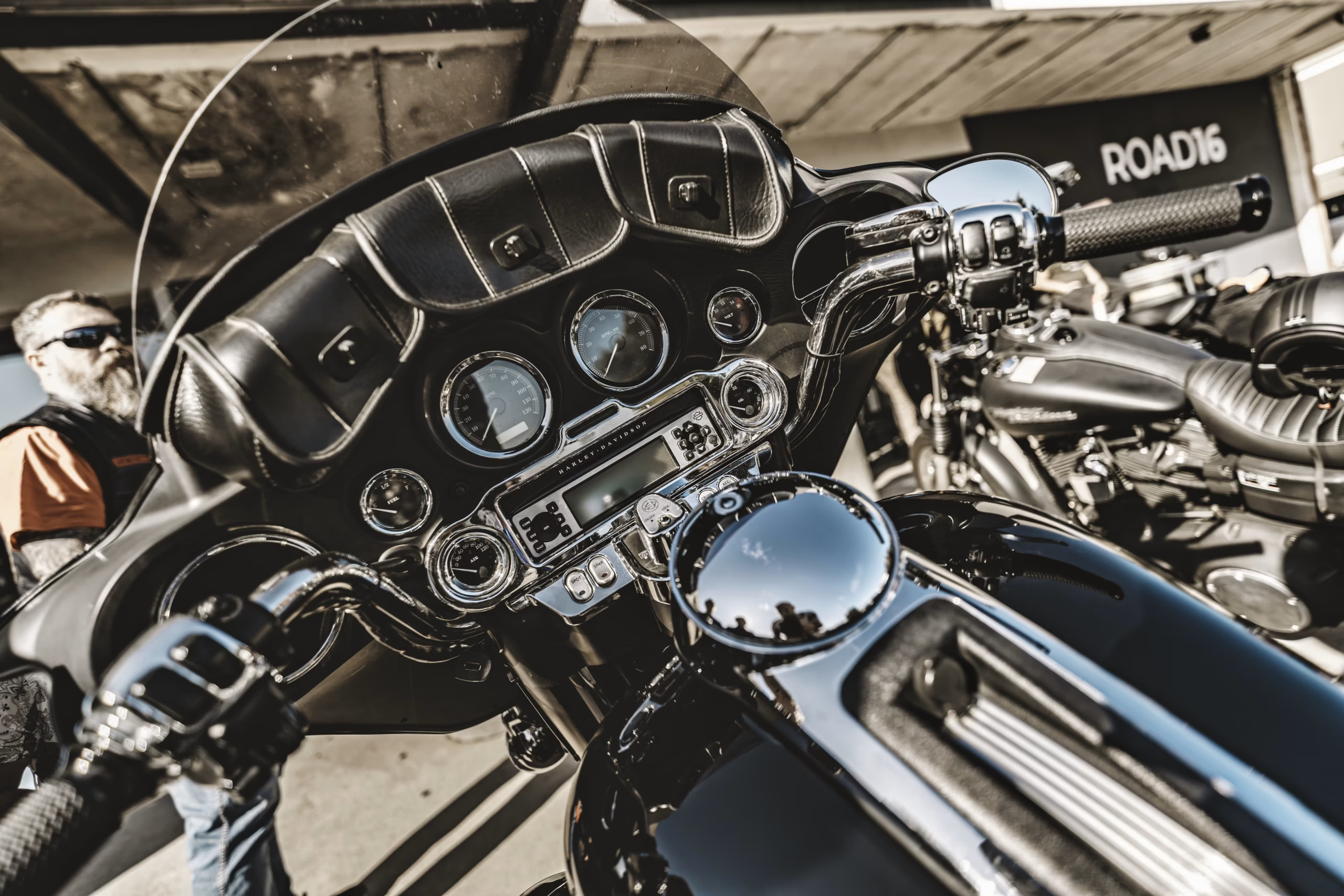
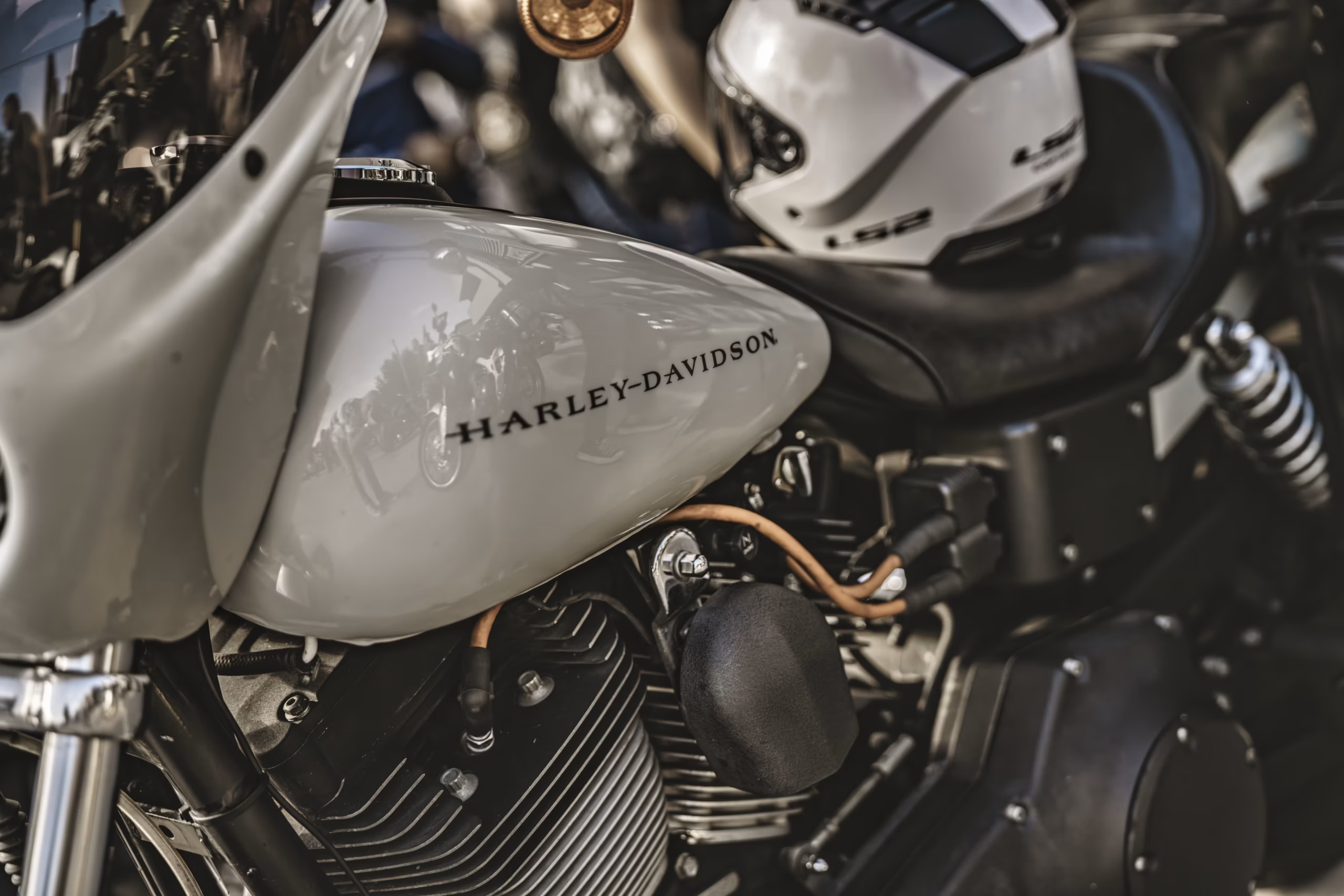
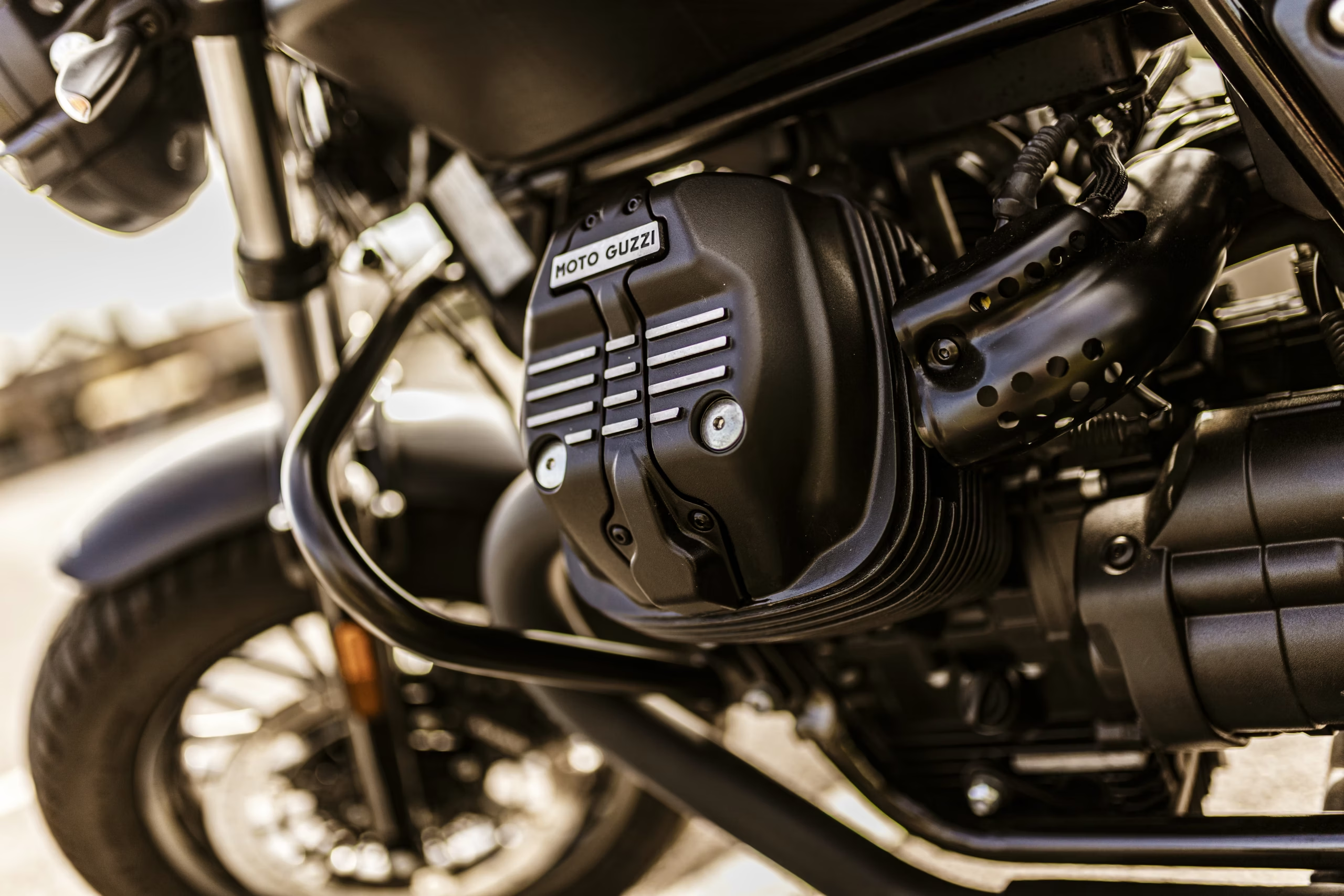
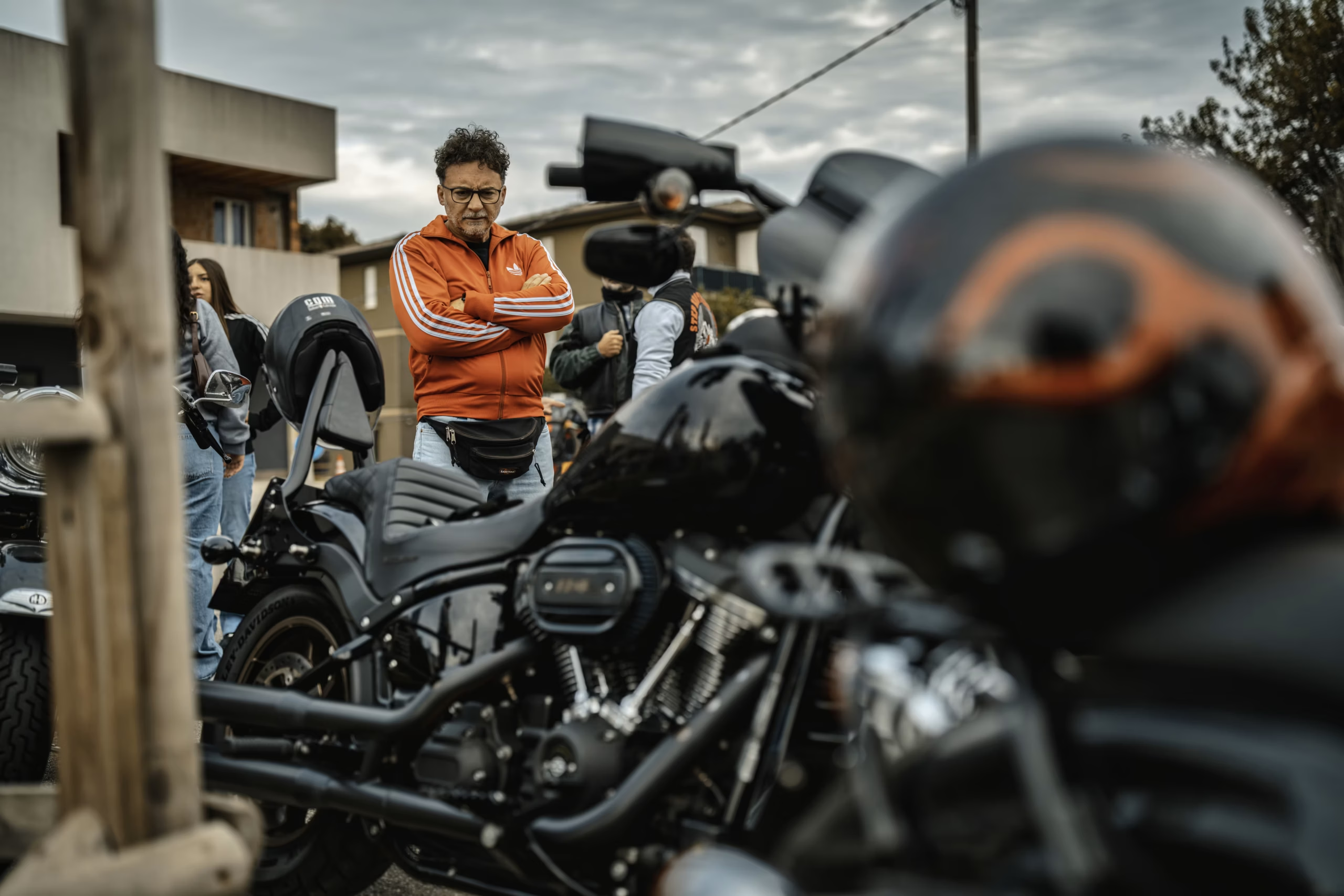
Looking at these photographs, I see the metal, naturally.
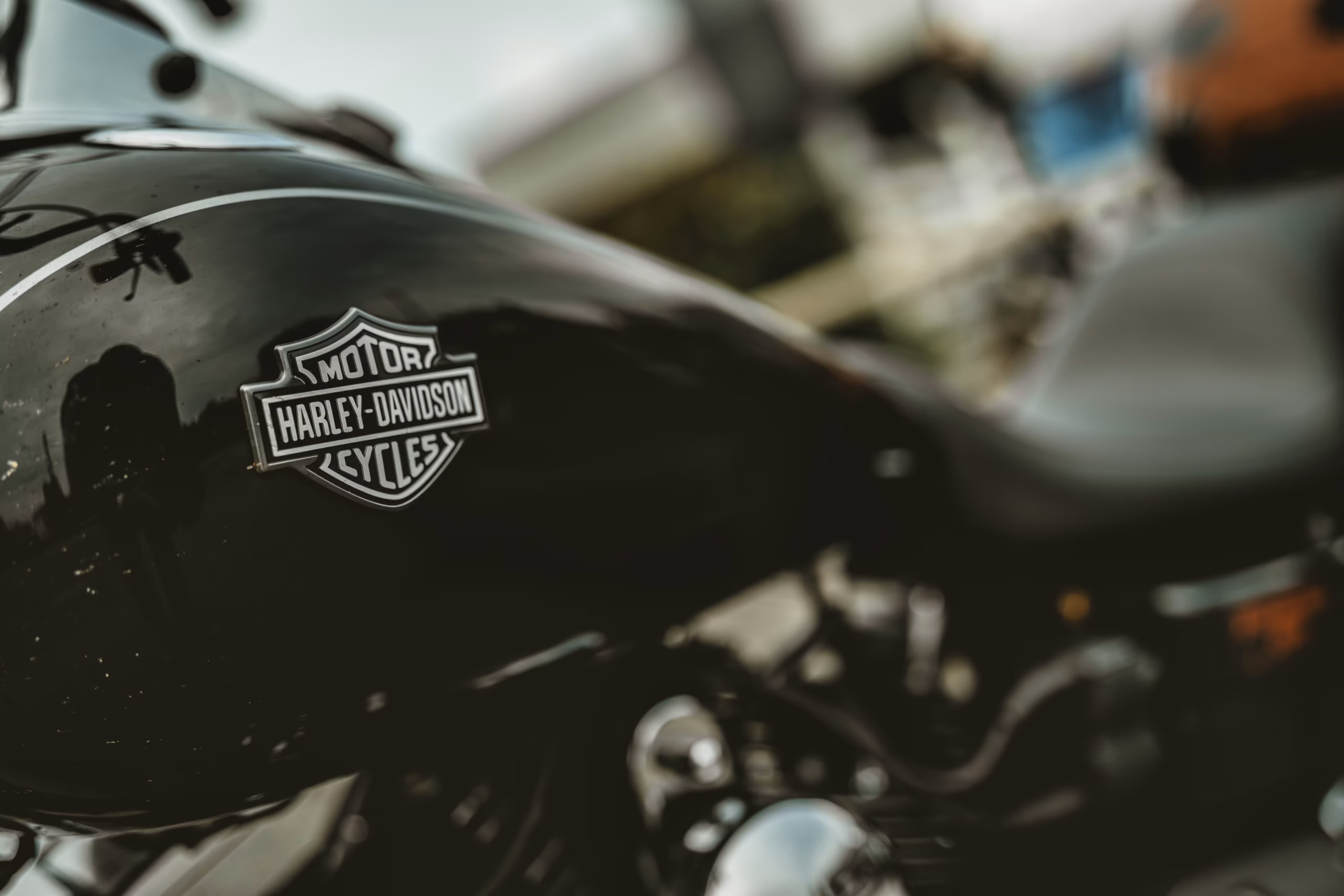
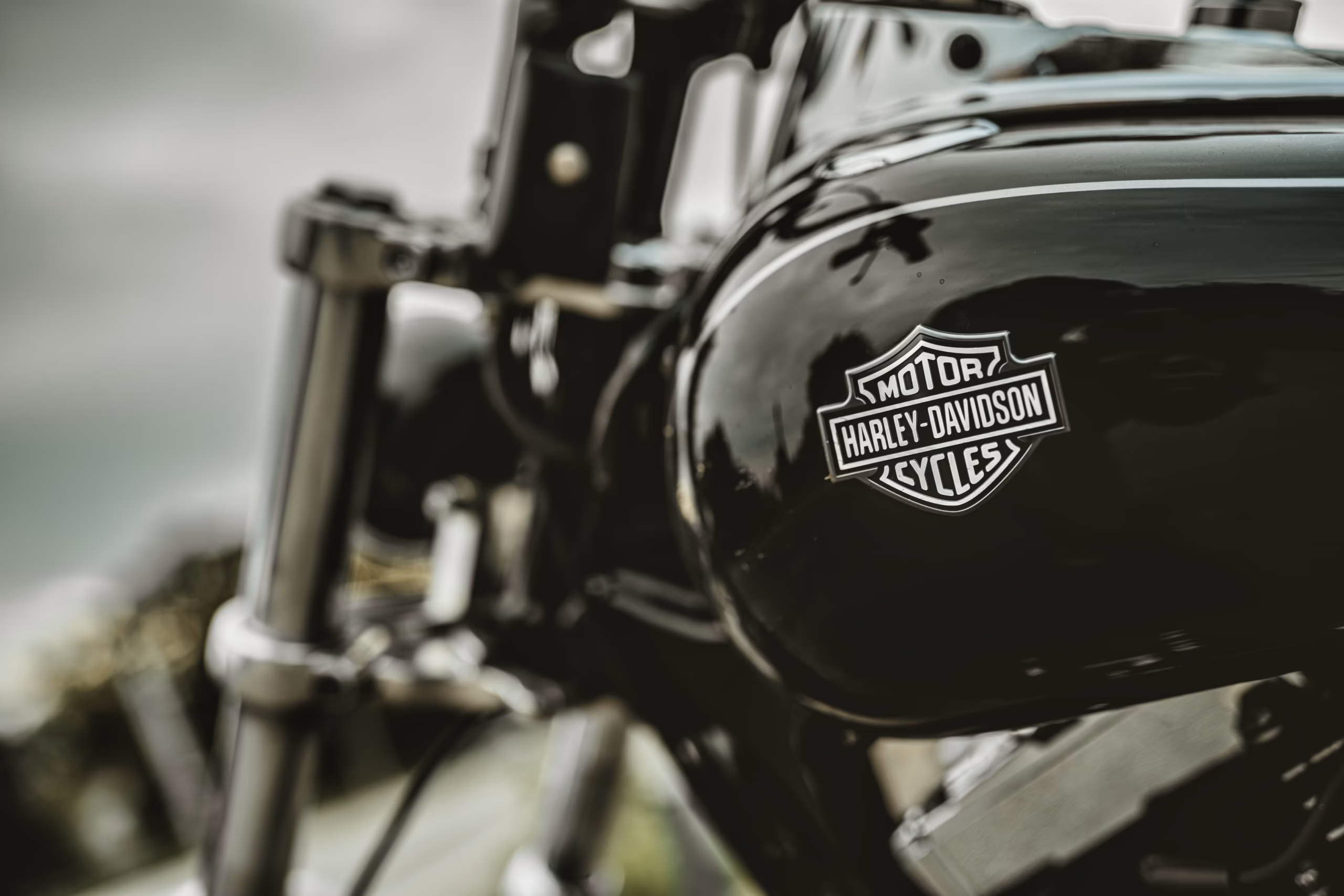
The logos.
The details.
The helmets.
The forks.
The engines, which look like sculptures created by someone obsessed with noise and deeply suspicious of discretion.
But above all, I see the people.
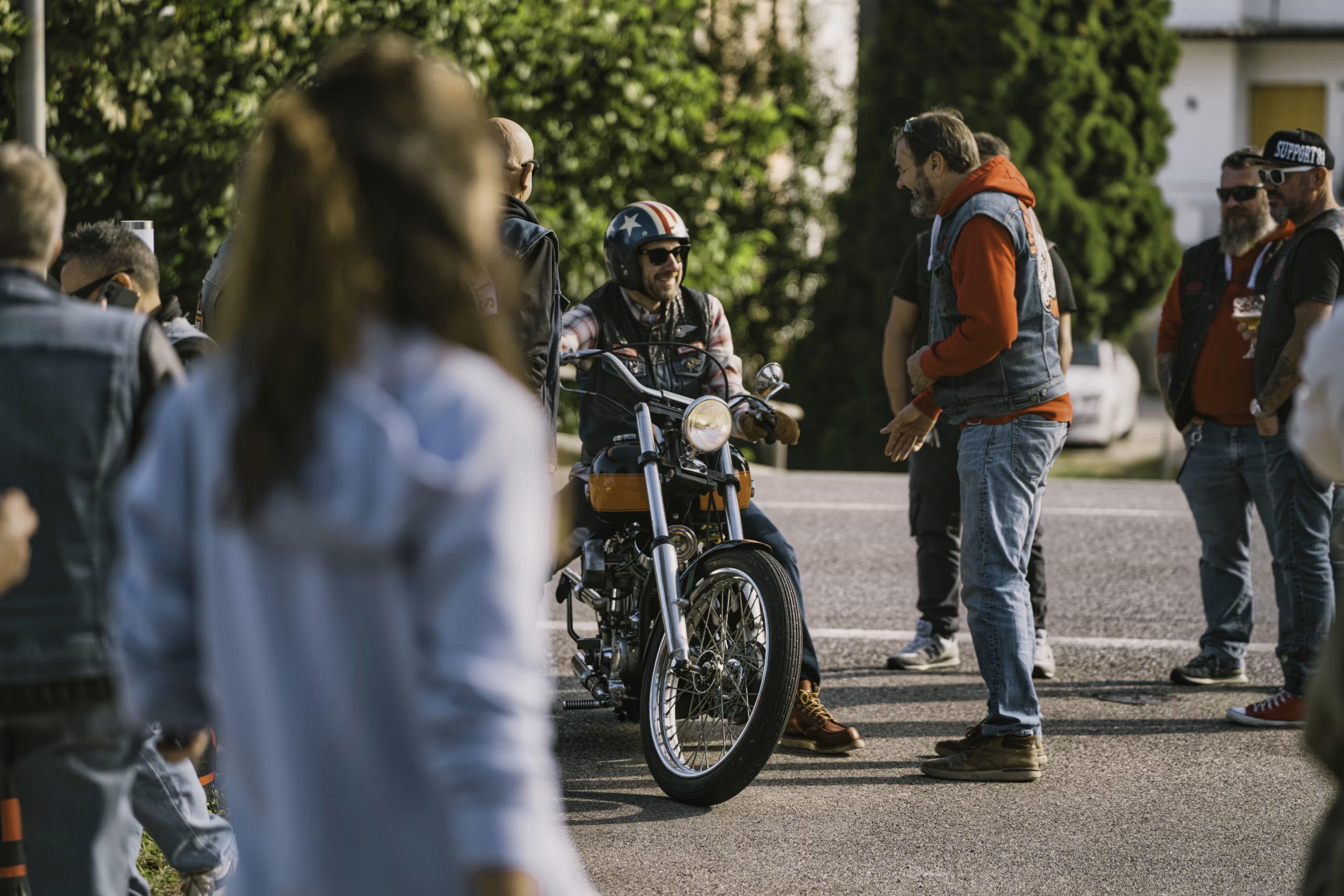
One greets a friend who has just arrived.
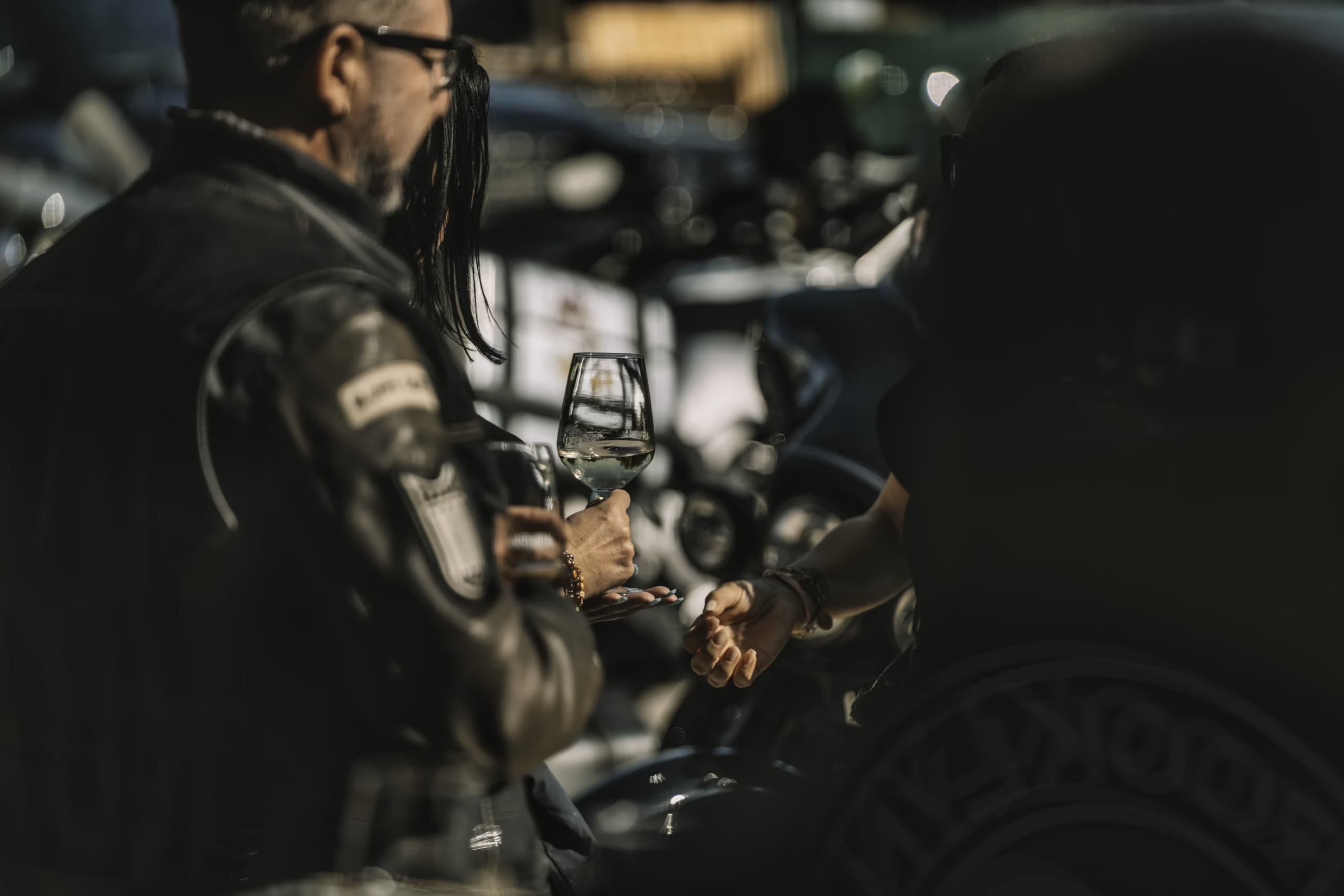
A couple poses smiling, drinks in hand, wearing the look of people who—at least for that moment—have nothing to prove.
A group raises a toast.
Someone smokes and listens.
Others talk gathered around the bikes while light caresses leather and chrome, transforming an ordinary parking lot into something that feels like home.
Because perhaps home is not always a building.
It can be a feeling.
The place where you do not have to explain your passion because everyone around you already speaks the same language.
The place where the noise you love bothers no one.
The place where a motorcycle is recognized not by what it costs, but by the story it carries.
It is easy to dismiss all of it as folklore.
The leather.
The patches.
The tattoos.
The beards.
The ritual of departures and arrivals.
But almost every community needs symbols. The corporate world has ties, badges, and grandiose titles. Motorcyclists have jackets, emblems, and customized machines.
At least their symbols smell of wind.
And they do not pretend to call a sales department “family” before firing half of it to improve the quarterly figures.
In that world, I saw an imperfect idea of freedom, certainly.
Gas costs money.
Motorcycles break down.
Roads end.
Even those who travel must eventually stop and return to the responsibilities waiting for them.
No one truly escapes everything.
But some escapes are not meant to avoid life.
They are meant to find it again.
Leaving for a few days does not necessarily mean abandoning your problems. Sometimes it means getting far enough away to finally see them in their proper proportions.
From a distance, many everyday tragedies reveal their true nature: well-dressed annoyances, invented obligations, other people’s expectations we had mistaken for desires of our own.
Then you turn the key.
The engine vibrates.
The road begins to move beneath you.
And for a few miles you are not your job, your bank balance, your past, or the list of everything you have not yet managed to become.
You are someone going somewhere.
It can seem like little only to someone who has never stood still for too long.
Perhaps the true luxury is not owning an enormous, gleaming, expensive motorcycle.
It is still having something that makes you want to leave.
A reason to get up early.
A direction, however provisional.
People with whom to share the ride, and enough curiosity to want to know what lies beyond the next turn.