We spend much of our lives convinced we are the main character.
We wake in the morning and imagine the world is waiting for our next move. That traffic lights change for us, songs on the radio are about our latest failed romance, and people in the street are little more than extras hired to make the scenery believable.
Then you go out with a camera.
You step into the crowd.
And discover nobody gives a fuck about you.
It’s liberating.
The city was already awake when I arrived.
Naturally.
Cities never truly sleep. They merely change shifts, like old professional whores who have seen enough men to remember none of them.
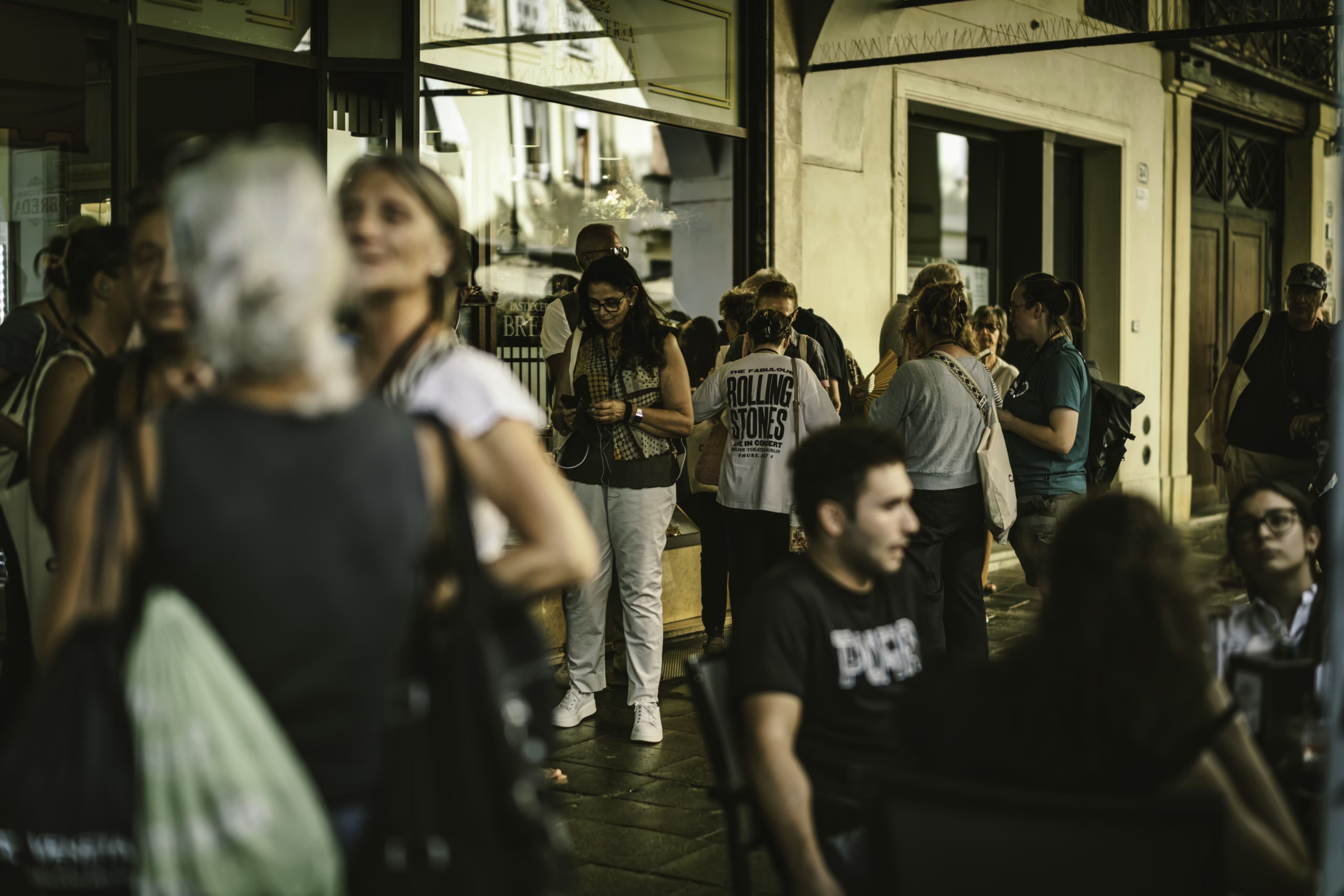
People filled the sidewalks, entered shops, left bars, and gathered before windows. Bodies close, lives impossibly far apart. Everyone busy reaching something or pretending to know where they were going.
A woman looked at her phone with headphones in her ears.
Beside her, someone wore a Rolling Stones T-shirt.
I liked imagining she was listening to them, though it was probably a nine-minute voice message from a friend incapable of summarizing a toxic relationship.
Mick Jagger would have understood.
I kept walking.
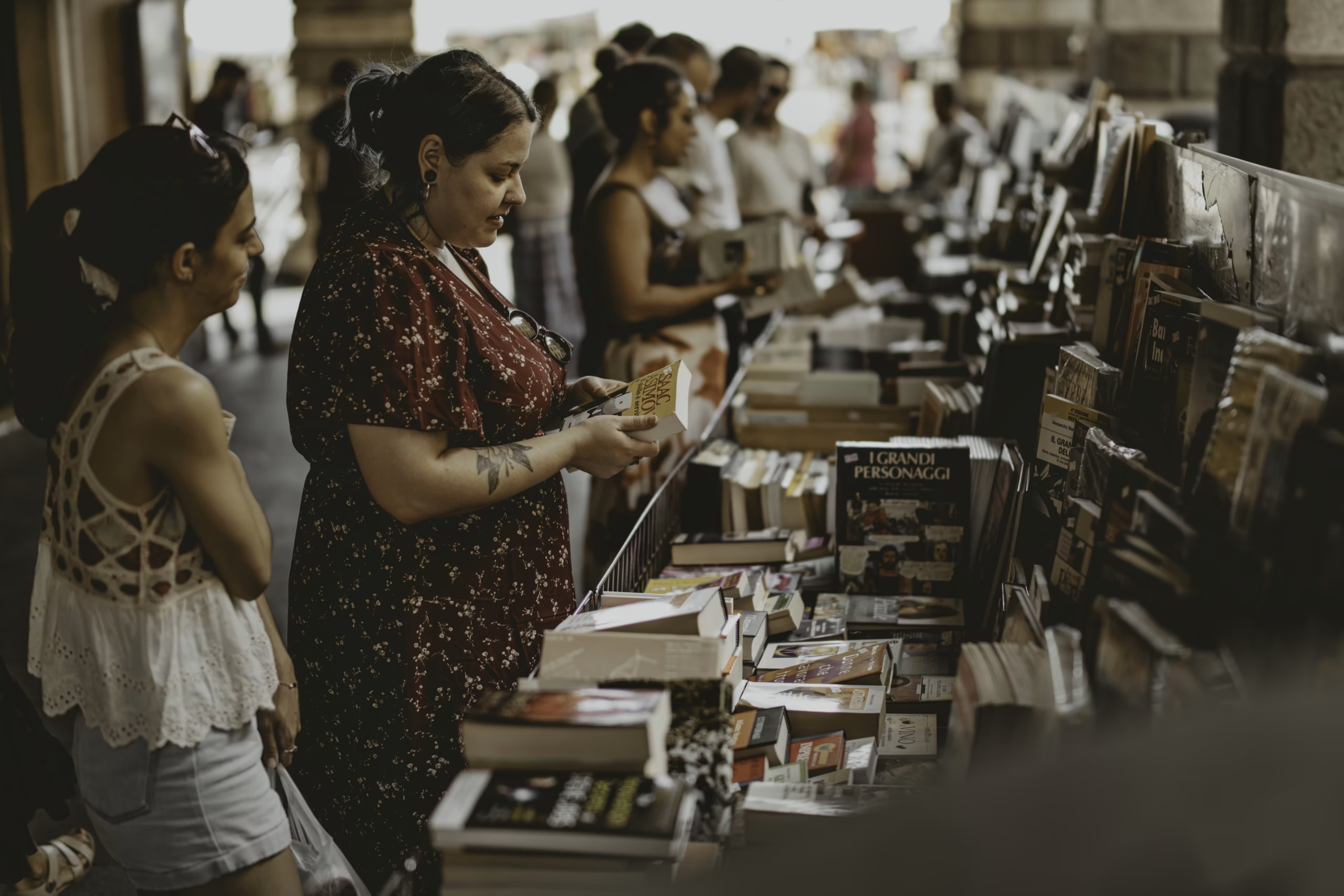
There was a book market.
Books piled on tables, books leaning against columns, books that had passed through more homes and hands than many people.
A woman held one open.
She studied it carefully, as though somewhere in those pages might be the answer to a question she hadn’t yet found the courage to ask.
That is why we buy books.
We say we want to read stories.
In truth, we always hope to find our own, written by someone smart enough to explain it to us.
Meanwhile, the city kept moving.
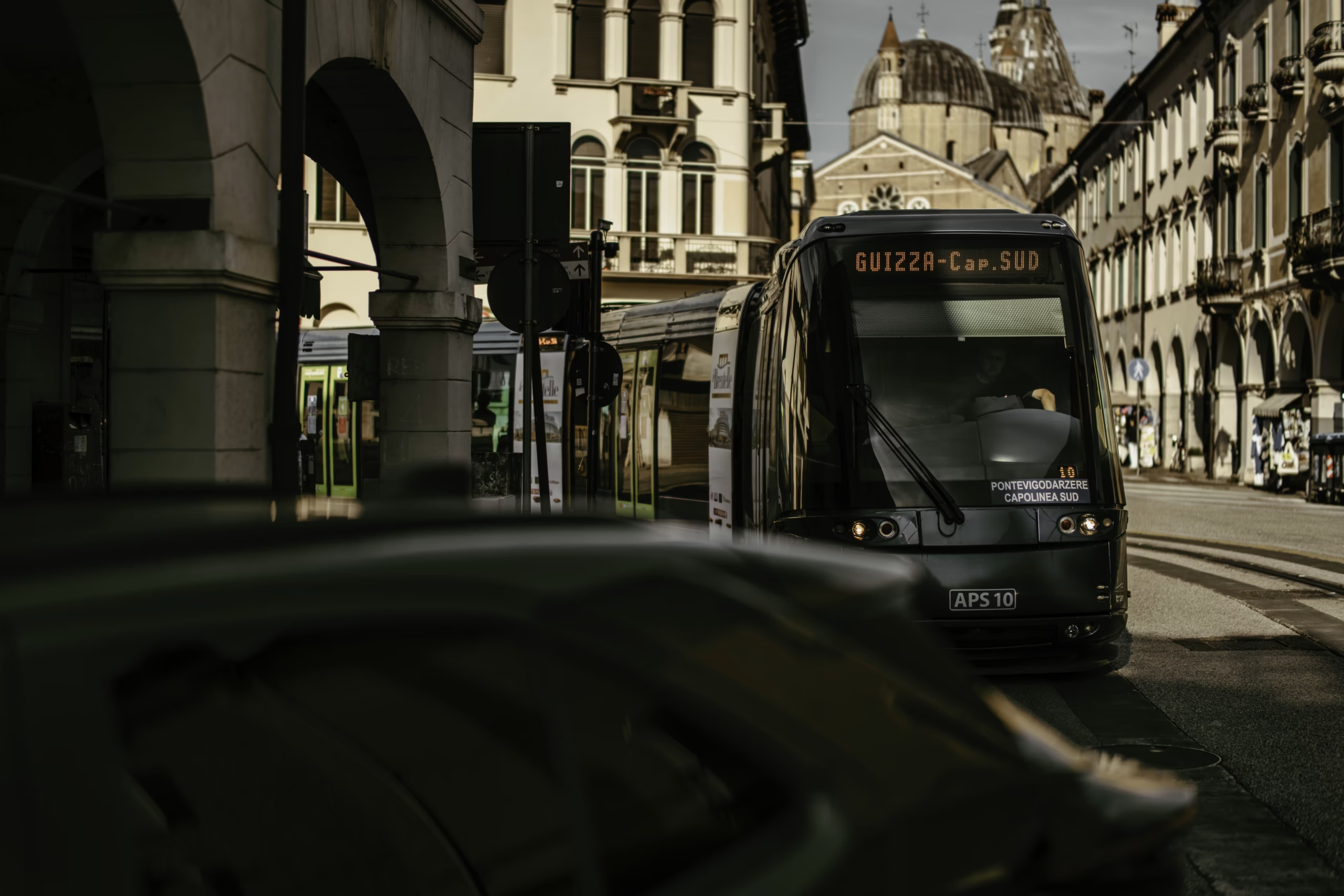
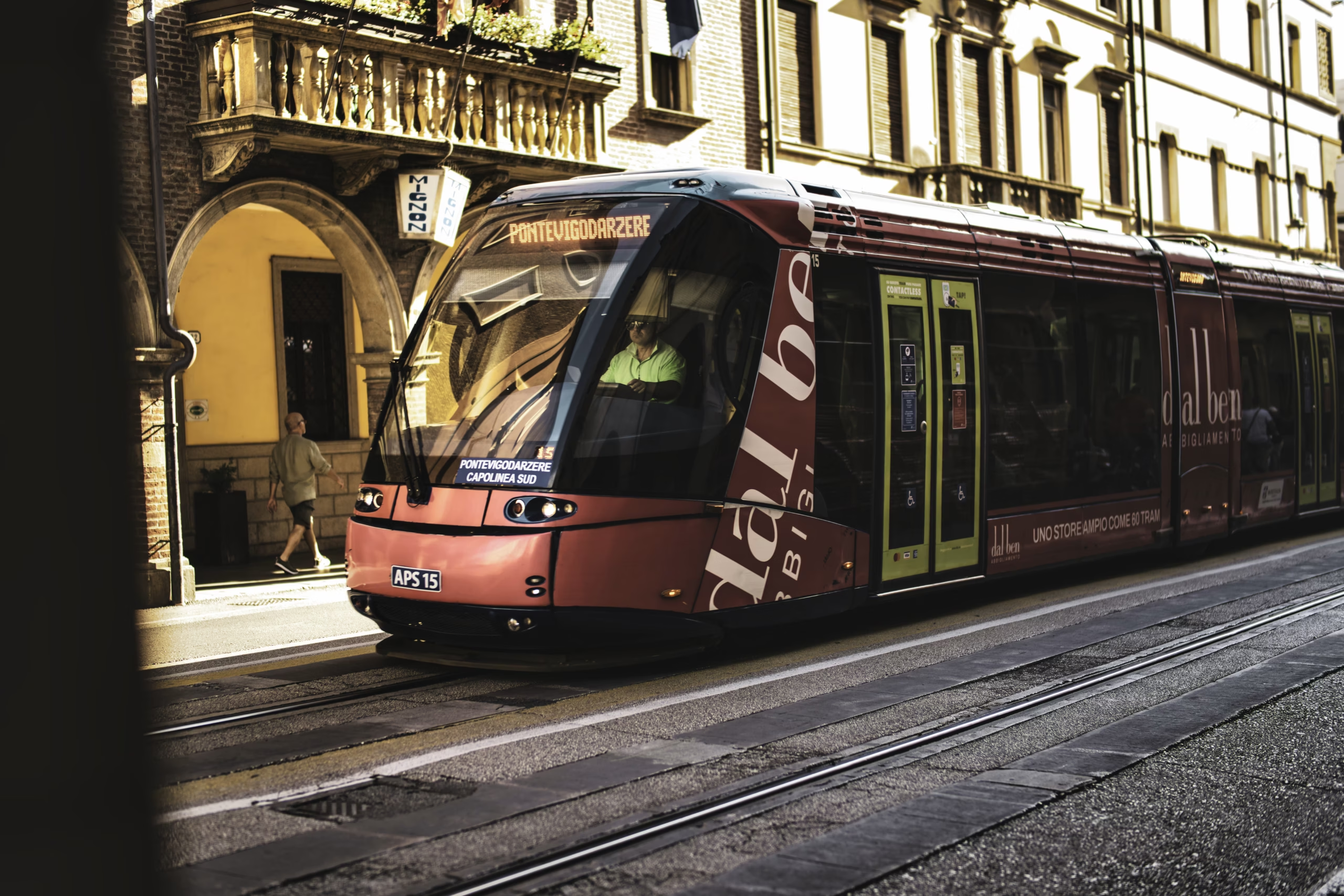
A streetcar appeared at the far end, gliding among old buildings and cars with the serious expression of something that knows its exact destination.
Public transportation has that reassuring quality.
It knows where it begins.
It knows where it must arrive.
It repeats the same route every day, and no one accuses it of lacking ambition.
When a man does that, they say he is stuck.
That he should grow up.
Change jobs.
Find a woman.
Leave that woman.
Have a child.
Buy a house.
Sell the house.
Go to therapy to understand why none of it made him happy.
The streetcar didn’t give a fuck.
It followed the rails.
Perhaps freedom isn’t having infinite possibilities.
Perhaps it is finding two strips of metal that take you where you need to go and ceasing to argue with every damned intersection.
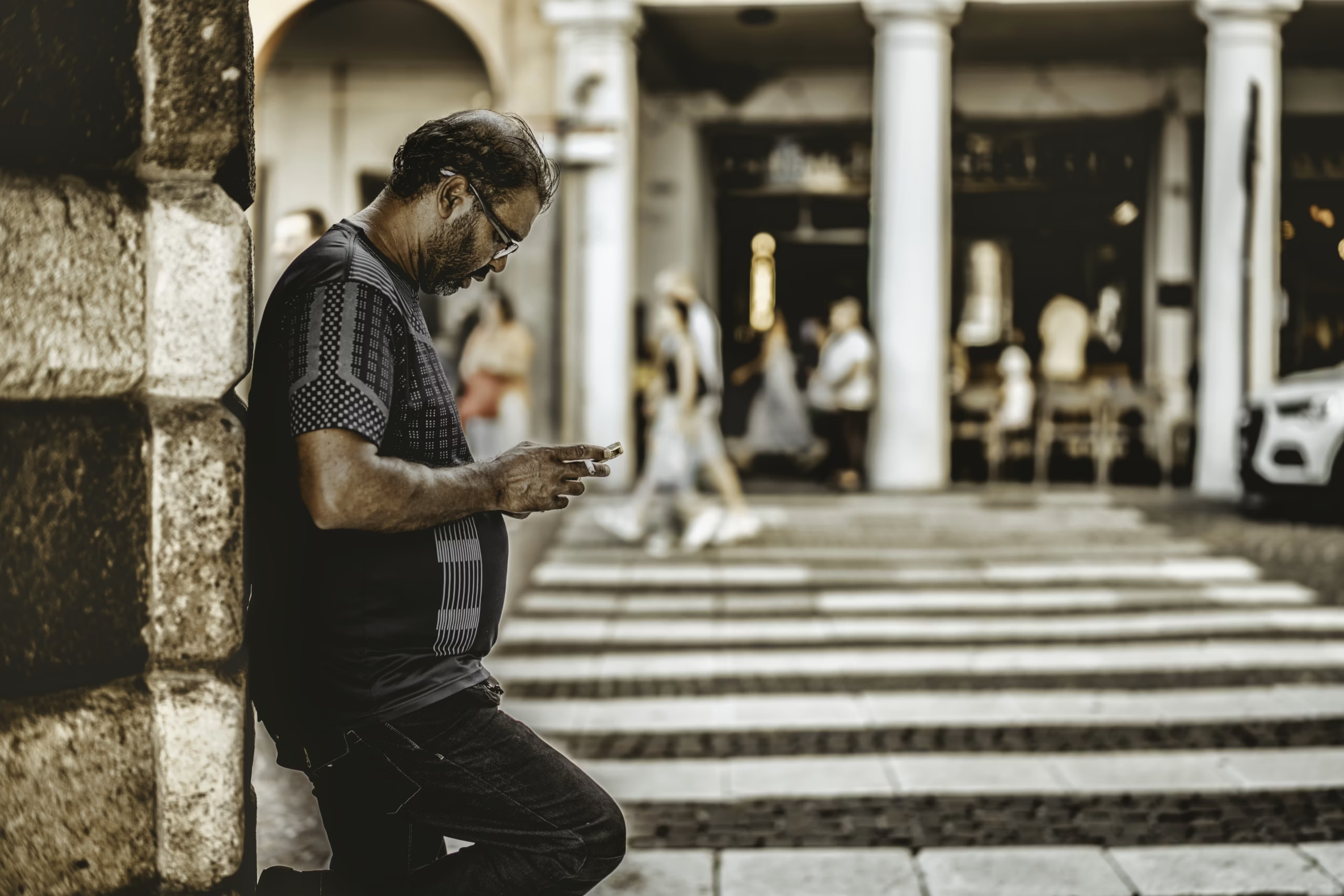
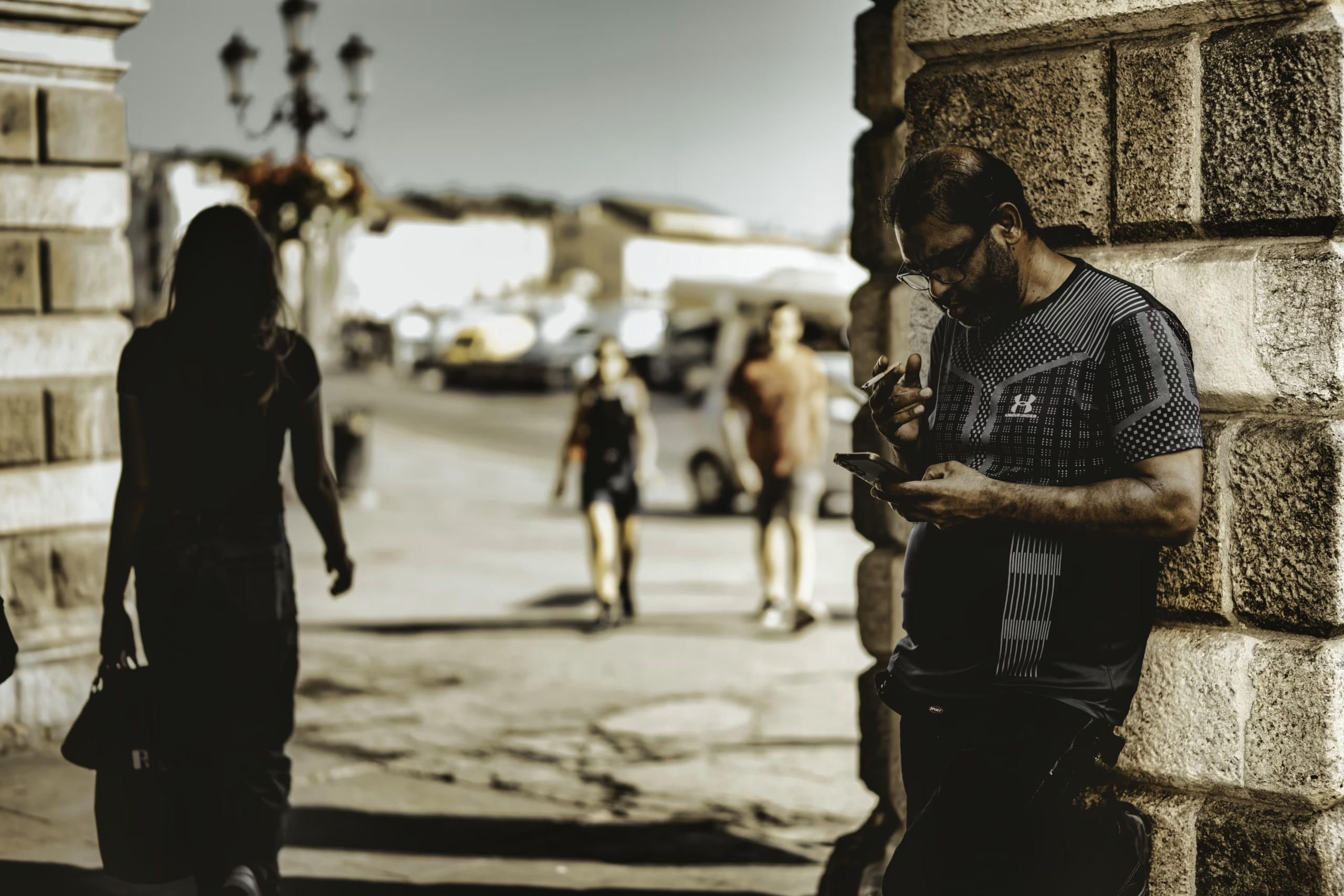
Beneath an arcade, a man leaned against a wall.
A phone in one hand and a cigarette in the other.
One addiction on each side.
The perfect symmetry of modern man.
He watched the screen and smoked as if both might deliver something he was waiting for.
News.
A woman.
A payment.
Or simply confirmation that he still existed somewhere outside his own body.
A dark figure passed beside him.
They didn’t look at each other.
Cities are full of people who come within inches of one another without ever meeting.
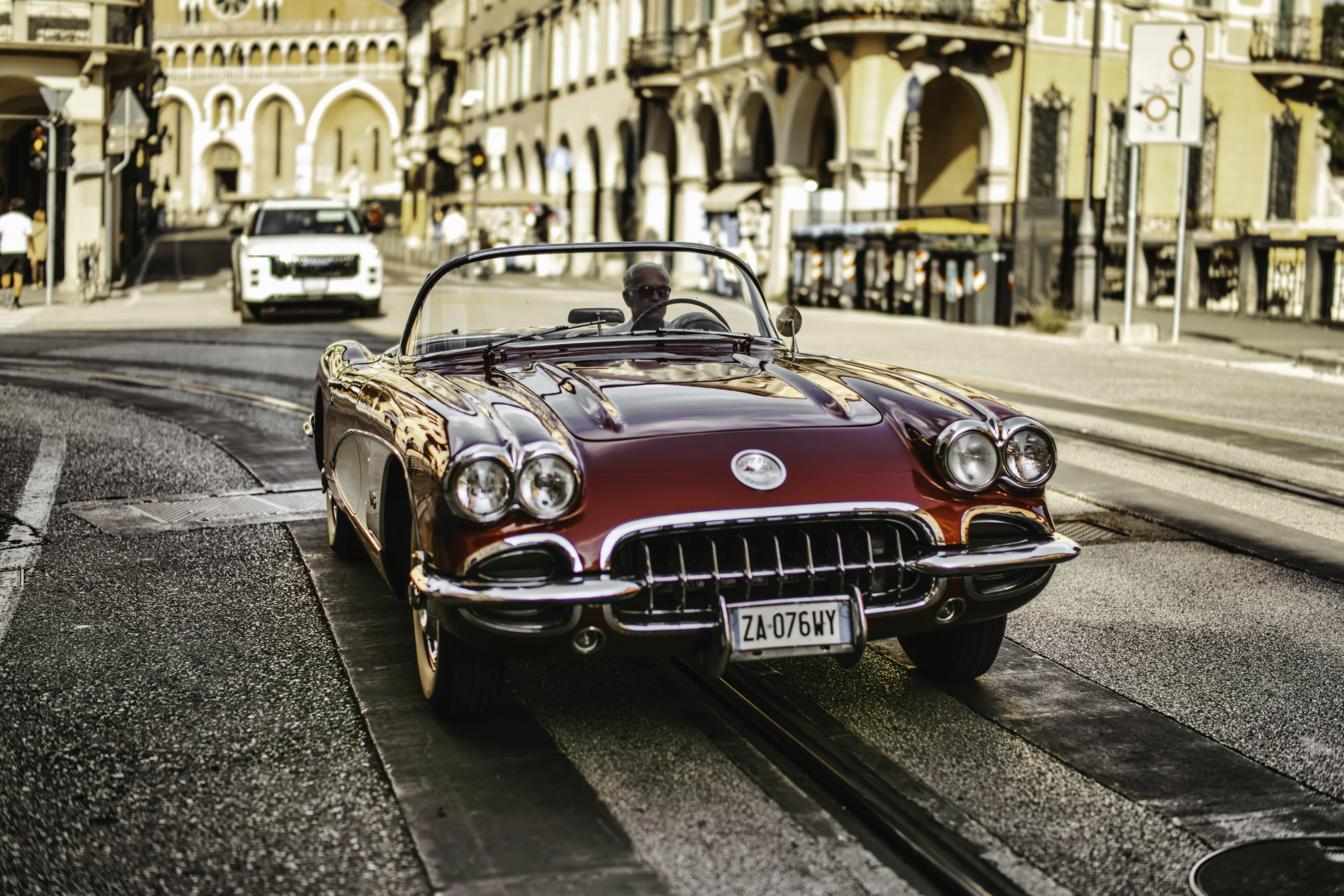
Then that car arrived.
Red.
Low.
Polished enough to reflect every building he could never have afforded to park it in front of.
At the wheel was a white-haired man in dark glasses.
He looked as though he came from an age when cars were designed by men in love with curves, not committees concerned about trunk space.
He passed without hurry.
I don’t know who he was.
Perhaps he bought that car young and spent the rest of his life keeping it alive.
Perhaps he bought it old to recover something time had taken.
Perhaps he wasn’t trying to recover anything.
Perhaps he simply liked driving a fucking beautiful car.
Not everything has to conceal a trauma.
Sometimes a cigar is a cigar, and a red convertible is an excellent way to remind death that it still has to wait its turn.
The tables outside a café were empty.
The chairs perfectly aligned.
They seemed to await conversations, dates, lies told with ice in a glass.
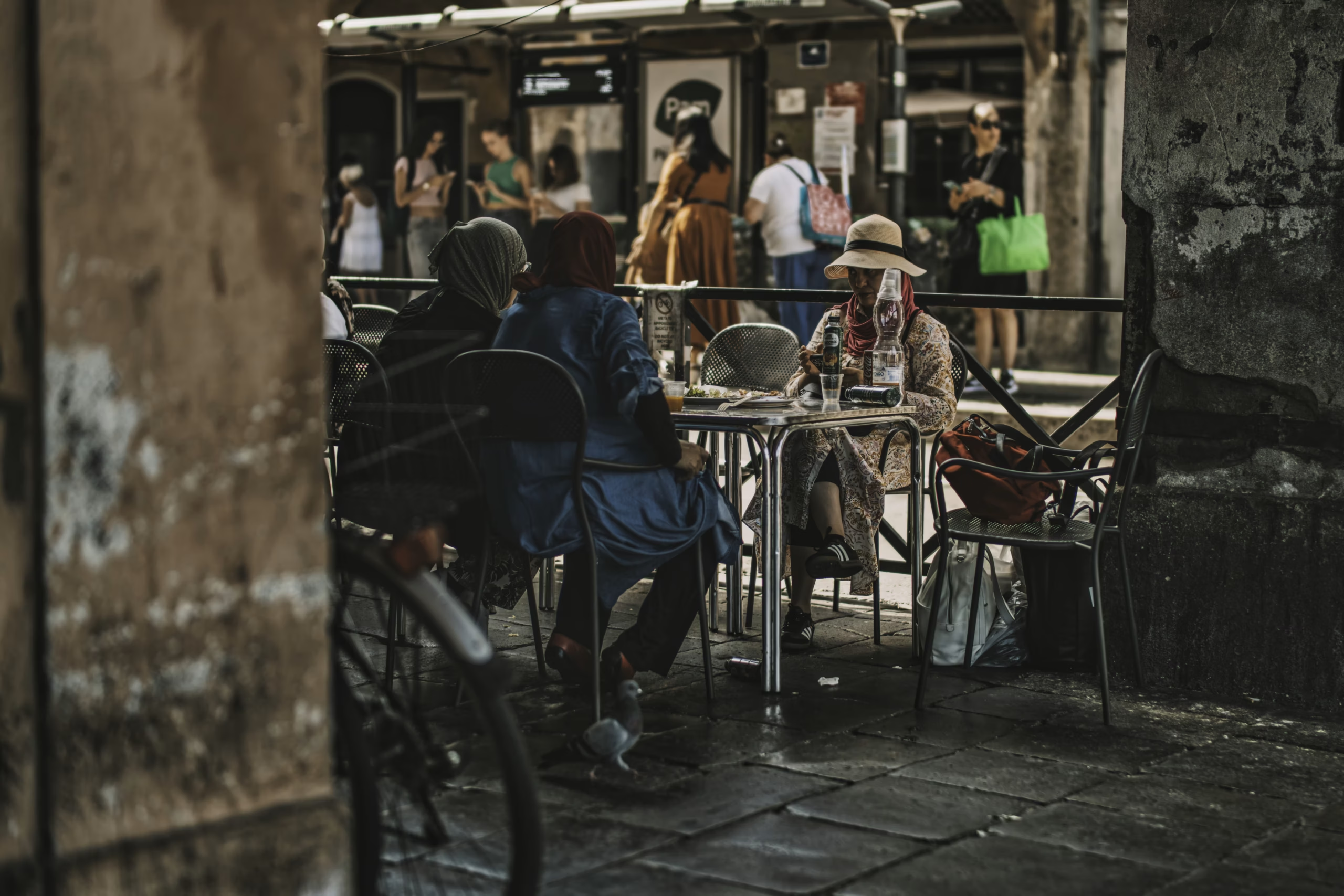
A little farther on, other tables were full.
Several women ate and talked. One, her hat low over her eyes, checked her phone. Beneath the table a pigeon patrolled with the efficiency of a waiter paid in crumbs.
Pigeons have understood everything about civilization.
They don’t work.
They don’t pay rent.
They don’t pretend to appreciate architecture.
They wait for someone to drop something, then shit on his car.
Hard not to respect them.
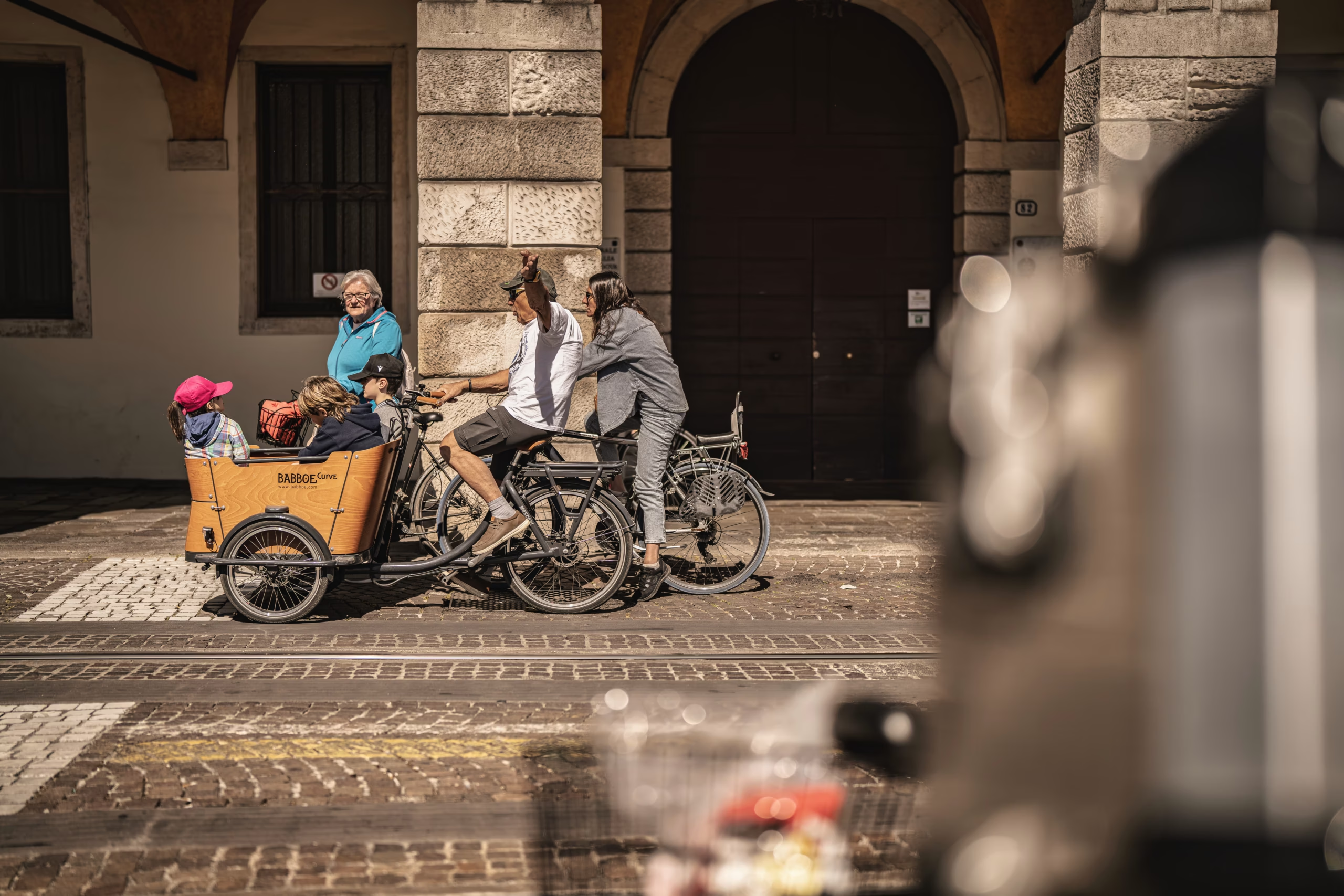
A family crossed the street on a bicycle large enough to resemble a small relocation.
The children sat in front.
A man raised one hand.
Perhaps he was greeting someone.
Perhaps asking for room.
Perhaps he had simply spotted a friend.
I couldn’t know.
The photograph would preserve that gesture without explanation, condemning it forever to be a greeting addressed to no one.
That is what happens when you photograph strangers.
You take a fragment of their life and remove everything that might explain it.
The before.
The after.
The words.
A gesture remains.
And suddenly it can mean anything.
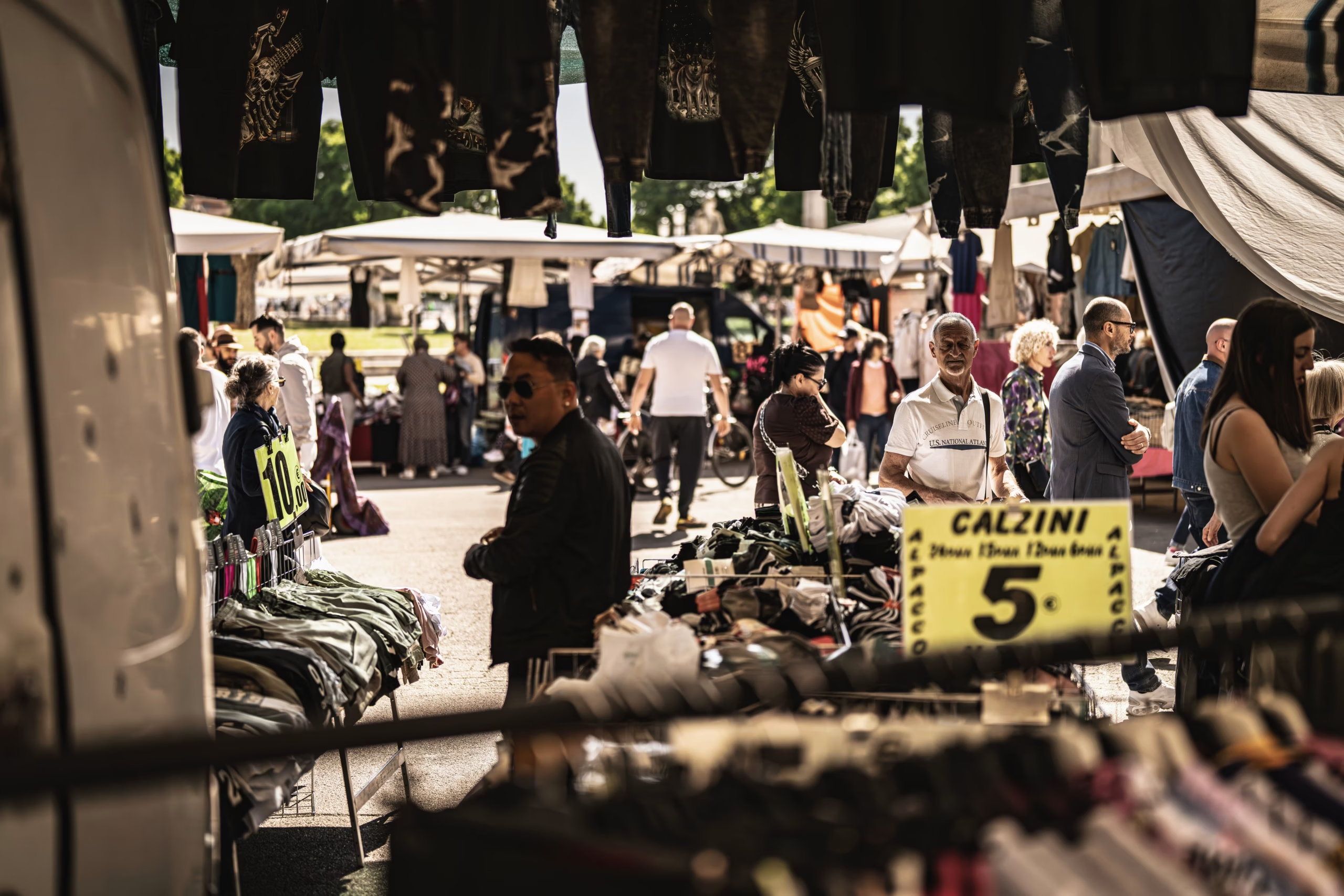
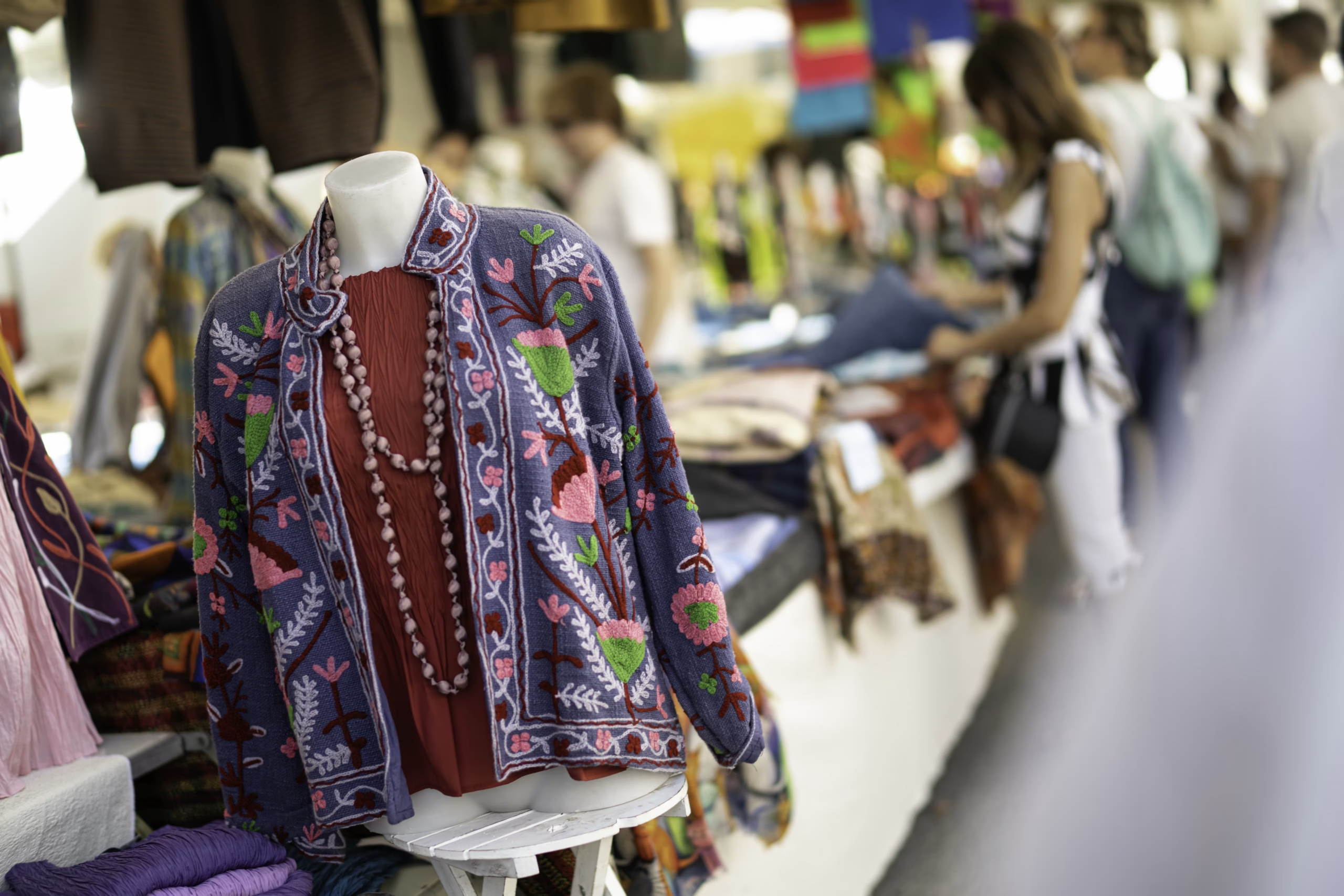
At the market, clothes hung above people’s heads.
Five-euro pants.
T-shirts.
Jackets.
Temporary identities piled on tables.
People sifted through fabrics searching for their size, as if finding the right pants might finally make them comfortable inside themselves.
In the middle of that chaos, a man dressed in black appeared.
Dark glasses.
A guitar on his back.
A small orange suitcase in his hand.
He looked like a main character.
Or at least he’d had the decency to dress like one.
He walked through the crowd like someone newly arrived from another story with no intention of explaining anything.
Perhaps he had to play at a wedding.
Perhaps at a funeral.
Maybe they were the same event.
Perhaps he spent the night on the couch of a woman who told him to leave before her husband came home. He put his suit back on, gathered his guitar, and dragged the suitcase to the station, preserving that form of dignity only well-dressed men can maintain while their lives go to shit.
Or perhaps he was simply a musician traveling for work.
But that would have been a disappointing story.
Strangers cannot defend themselves against the stories we invent about them.
It is the privilege and cowardice of the observer.
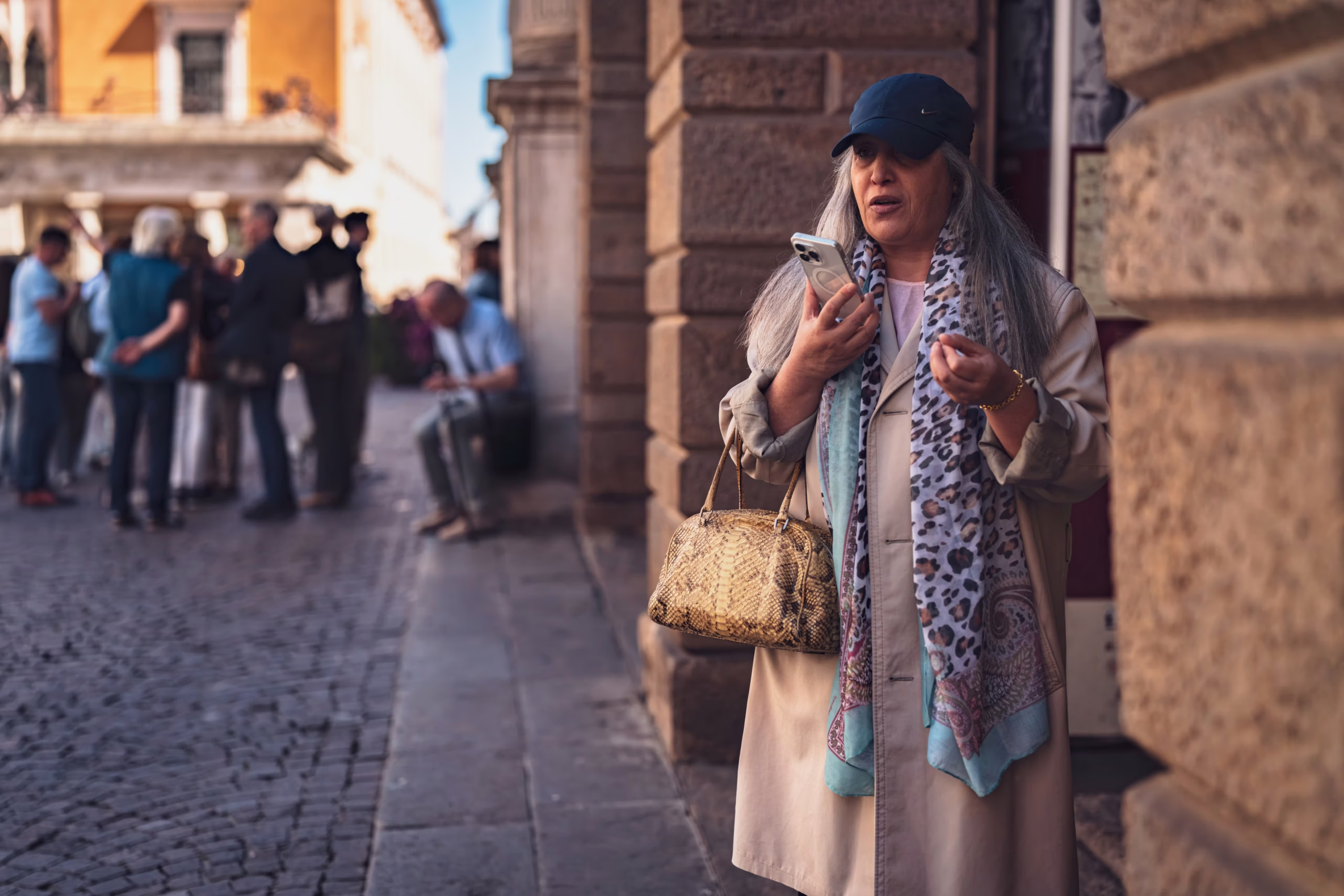
A woman talked on the phone, leaning against a wall.
She had long gray hair, a dark hat, a leopard-print scarf, and a purse that looked as though it had belonged to a very expensive reptile.
She gestured.
Someone on the other end was probably receiving an explanation they hadn’t requested or a truth they had avoided long enough.
I watched her for a few seconds.
I couldn’t hear the words.
I didn’t need to.
Some conversations are recognizable from the movement of hands. Phone calls where someone tries to cram into a small device all the anger they failed to express in person.
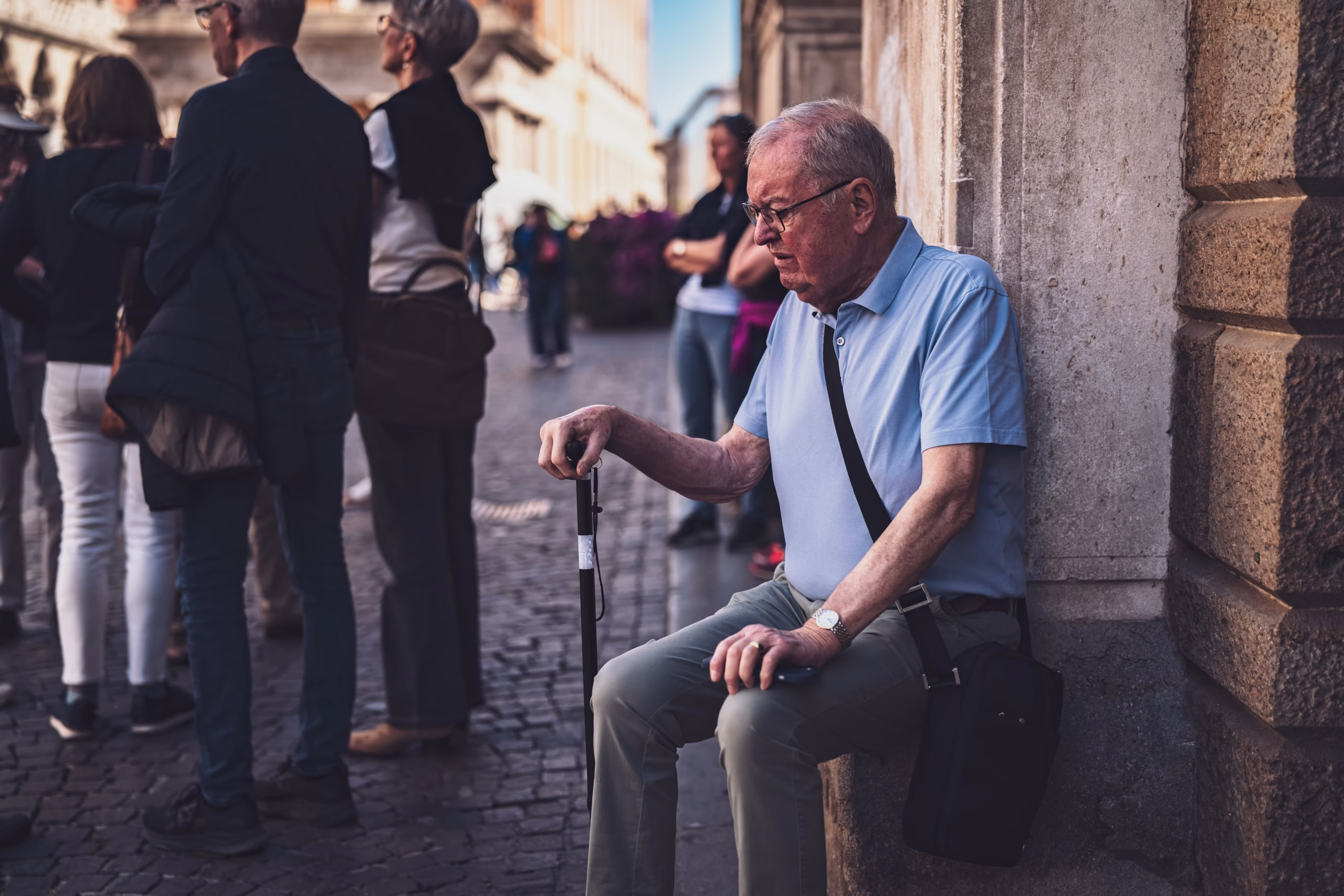
Not far away, an old man sat against the stone.
One hand on his cane.
His gaze lowered.
The crowd passed without slowing.
He looked tired.
Or perhaps he was only waiting.
When you’re young, standing still makes people think you’re lazy.
When you grow old, they finally grant you the right to be tired.
He looked like someone who had seen enough cities, people, and days to know that no amount of hurry would change the ending.
Everyone else walked.
He stayed there.
For some strange reason, he was the only one who didn’t seem lost.
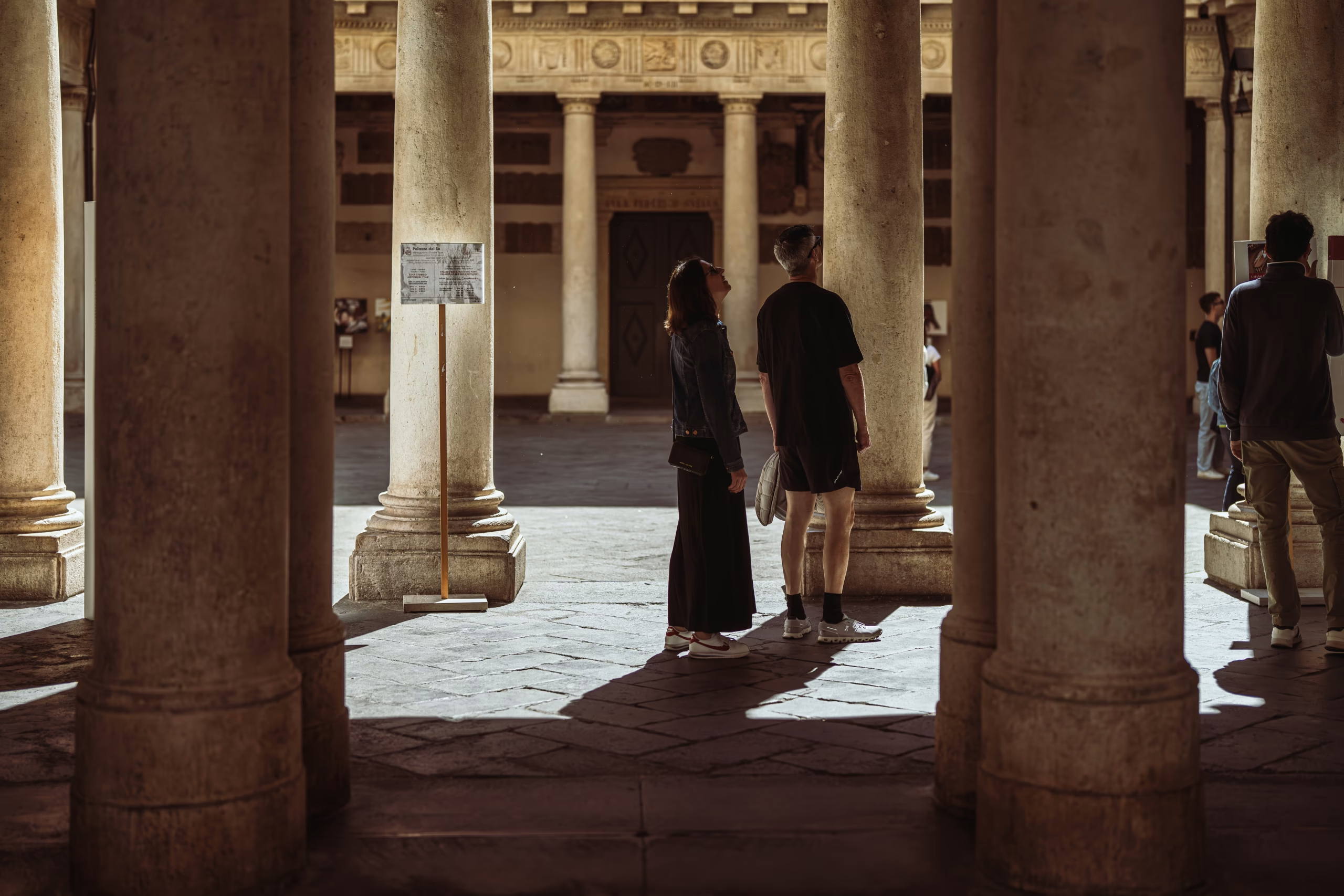
I entered a building filled with columns.
People looked upward.
They read plaques, studied ceilings, photographed stones that had survived men who believed themselves immortal.
We love monuments because they reassure us.
They let us believe something can truly remain.
We know we won’t, naturally, but prefer not to spoil the guided tour with unpleasant details.
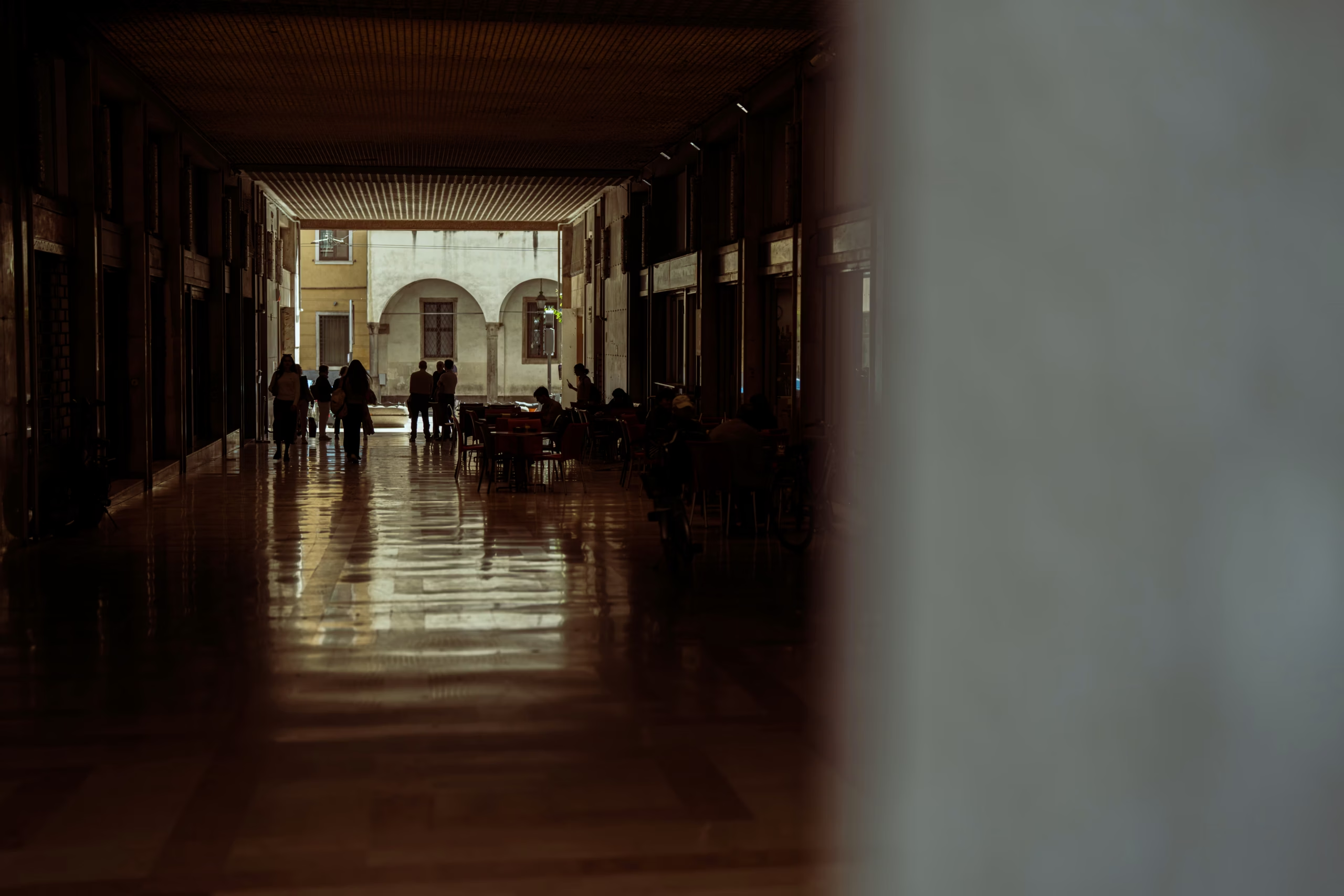
At the end of the arcade, light entered through an opening and turned everyone into silhouettes.
The city seemed to swallow them on one side and spit them out on the other.
One at a time.
Without names.
Without résumés.
Without distinguishing the righteous from the assholes.
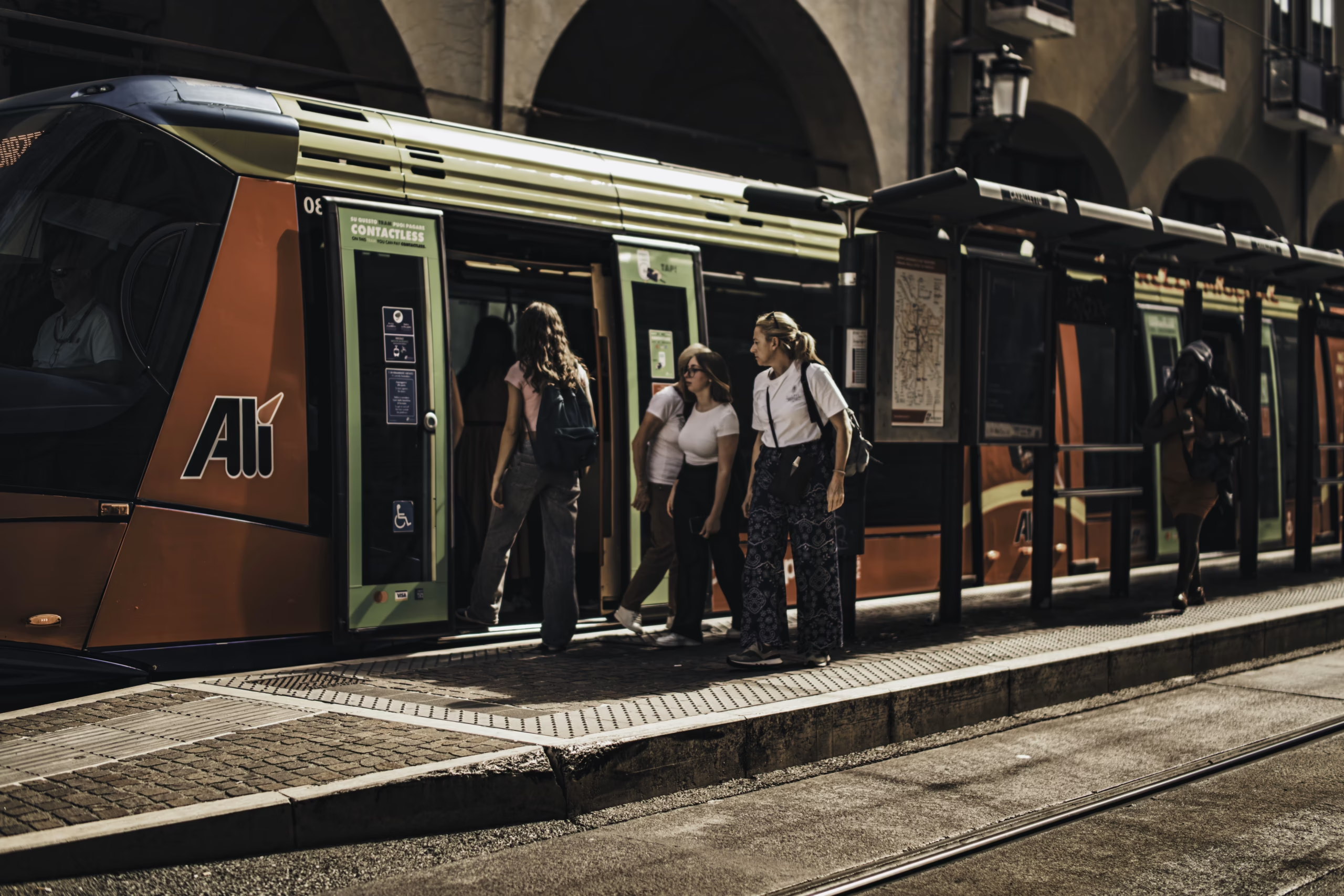
Then another streetcar stopped.
The doors opened.
Some people boarded; others remained on the platform, hesitating for an instant before that small mechanical mouth.
Every departure contains one exact moment when it could still be prevented.
Then the doors close.
The streetcar leaves.
And whatever you failed to decide suddenly becomes a decision.
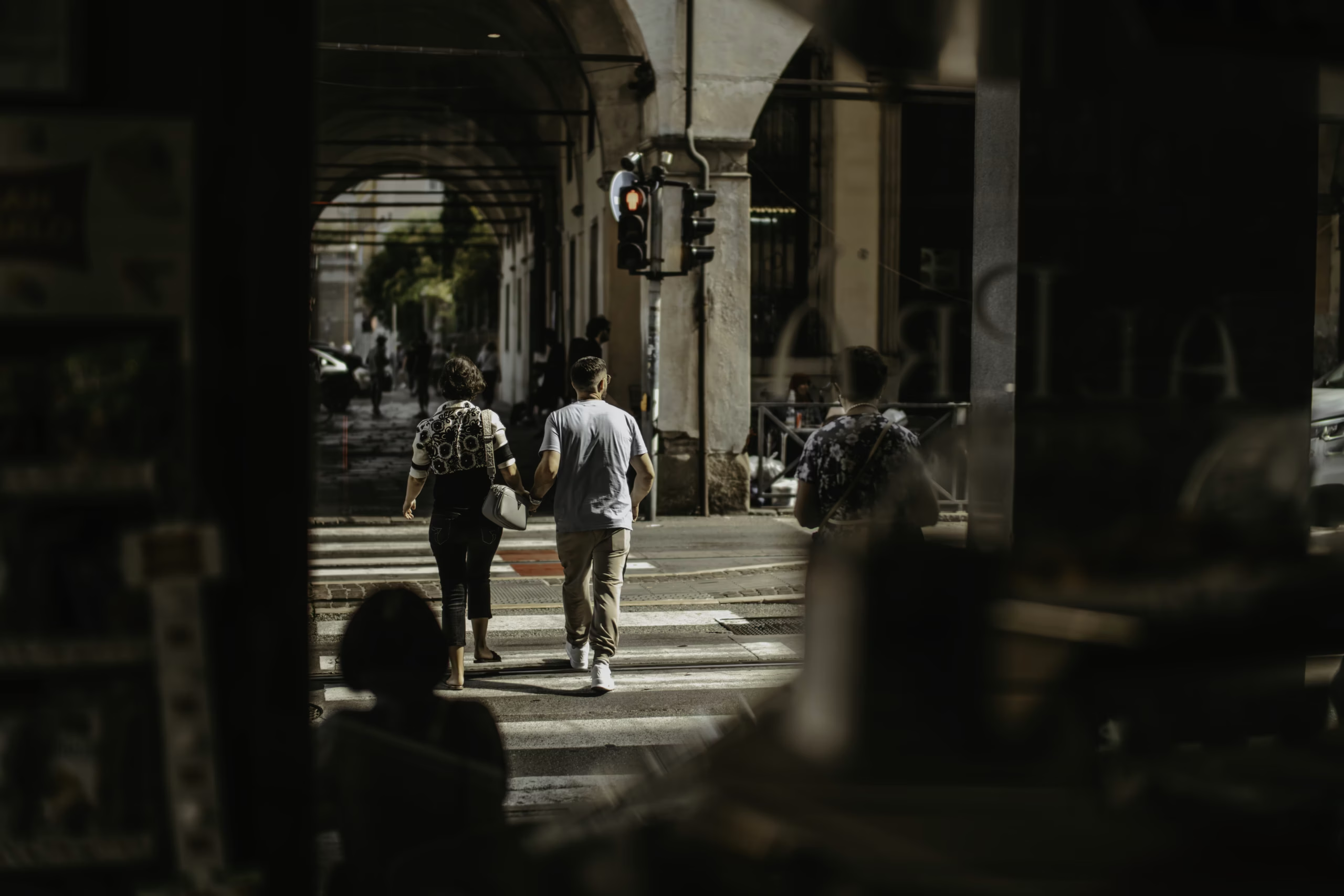
Farther on, a couple crossed the street holding hands.
The pedestrian light ahead of them was red.
They continued.
Perhaps they hadn’t seen it.
Perhaps they didn’t give a damn.
I liked imagining that, for a few yards at least, they chose to trust one another more than the city’s signals.
I didn’t know how long they had been together.
I didn’t know whether they loved each other.
I didn’t know whether that evening they would eat at the same table or argue over some piece of bullshit left to rot long enough to become enormous.
I only knew that in that precise instant, they were holding hands.
The photograph needed nothing more.
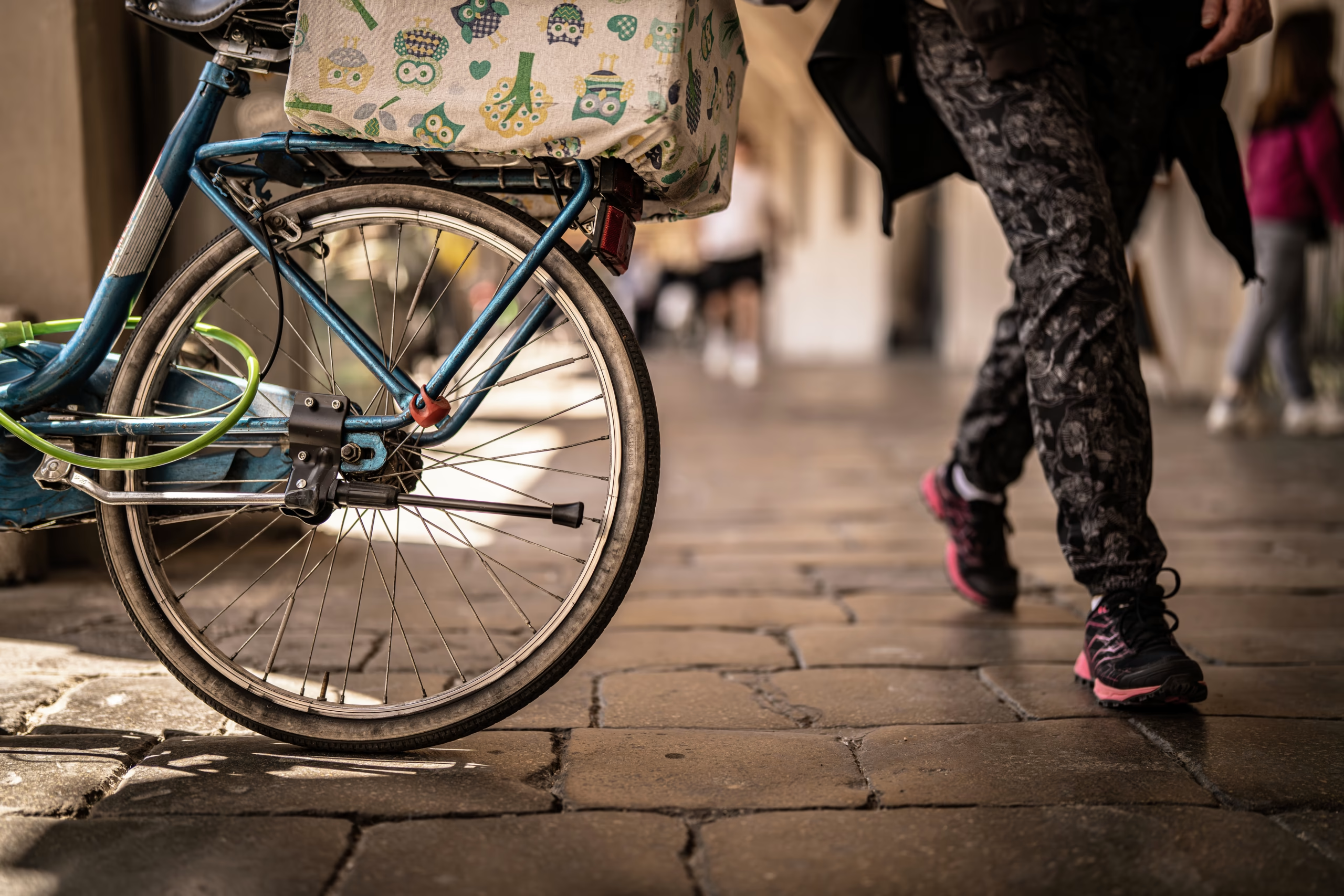
A bicycle stood beneath the arcade.
Beside it, two legs crossed the frame.
A wheel.
A pair of shoes.
The worn floor.
No face.
And yet the entire city was there.
In the things that move and the things left waiting.
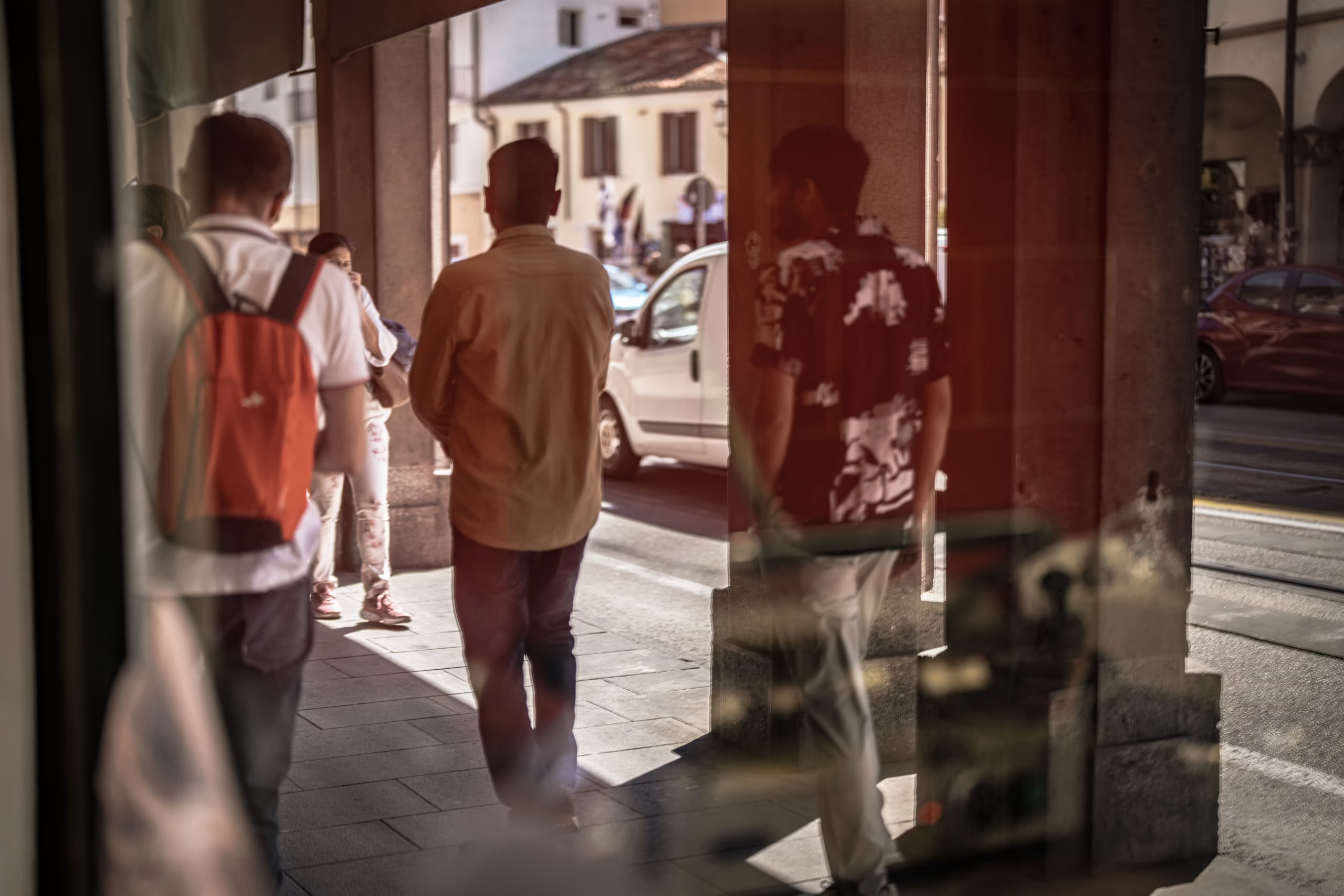
In the end, I returned to the street.
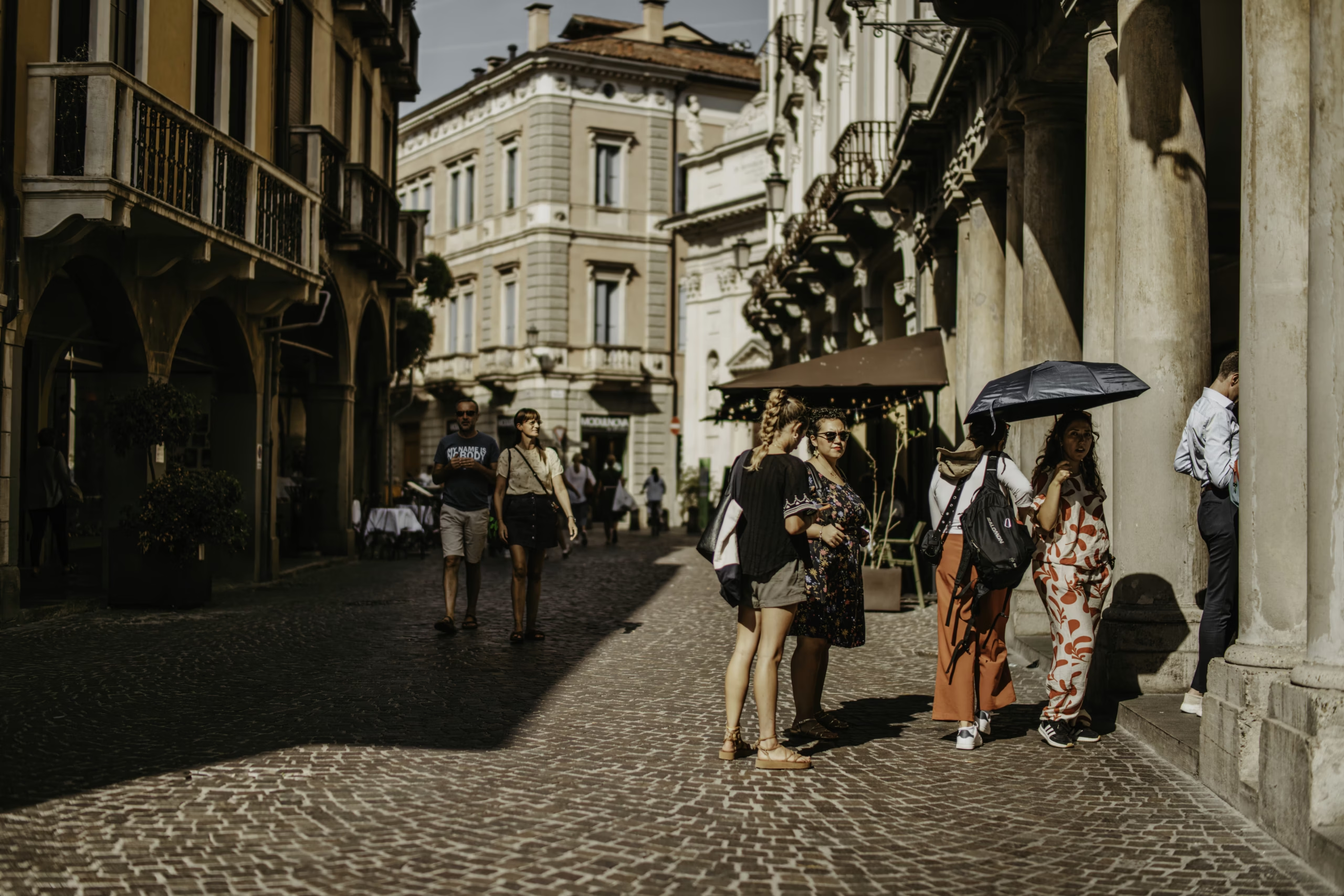
Light cut across the buildings and divided the sidewalk in two.
Sun and shadow.
People kept passing, stopping, talking, and disappearing behind columns. A woman held an open umbrella against the light. Another seemed to tell a story with her hands. Someone waited in a doorway.
Nothing extraordinary.
And that was precisely the point.
I had nineteen photographs.
Nineteen fragments of lives that weren’t mine.
I knew none of those people’s names. I didn’t know where they came from, where they were going, or what waited for them once they left the frame.
Perhaps the woman bought the book.
Perhaps the man received the message he was waiting for.
Perhaps the musician missed the streetcar.
Perhaps the couple kept holding hands.
Perhaps the old man stood and went home.
Photography grants no endings.
It steals an instant and lets everything else continue without it.
That is why photographing the street feels so much like writing.
You watch people you don’t know.
Invent what is missing.
Give meaning to gestures that may have meant nothing, and build an entire life around an expression that lasted less than a second.
You probably get everything wrong.
But it doesn’t matter.
The truth belongs to them.
The story belongs to whoever looks.
That day the city handed me no great revelation. No encounter destined to change my life. No event important enough to deserve a plaque.
It merely reminded me that the world is full of lives that continue even when I’m not watching.
That every stranger is the center of something I will never see.
And that to them, I was only a man with a camera.
A figure in the background.
An extra.
For once, not being the main character felt like wonderful news.
The city didn’t need me.
It carried on anyway.
The streetcars followed their rails.
People crossed the street.
Doors opened and closed.
Everyone carried a story no one else would ever fully know.