I will not tell you where we are.
Not because it is a military secret or because I fear an invasion of tourists armed with sandals, DSLRs, and a sudden passion for garlic. It is simply that giving this place a name would make it too precise. Too small. A coordinate on a map, when it could be any forgotten province far enough from every grand opportunity and close enough to the earth to smell it after the rain.
Here, green grows everywhere.
It grows in the fields, along the ditches, over the walls, around the houses. It grows with such stubbornness that this land appears generous.
And perhaps it is.
But color is not the same thing as possibility.
You can have acres of wheat before your eyes and no clear road before your life. You can be surrounded by fruit, animals, sunsets, and silence, and still hunger for something that has not yet learned how to be born here.
That is what these photographs are about.
A place capable of giving me roots deep enough to hold me and a horizon empty enough to make me forever long for somewhere else.
A place I loved in its details because, taken all together, it was sometimes simply too much.
I will not tell you where these photographs were taken.
You could work it out, of course.
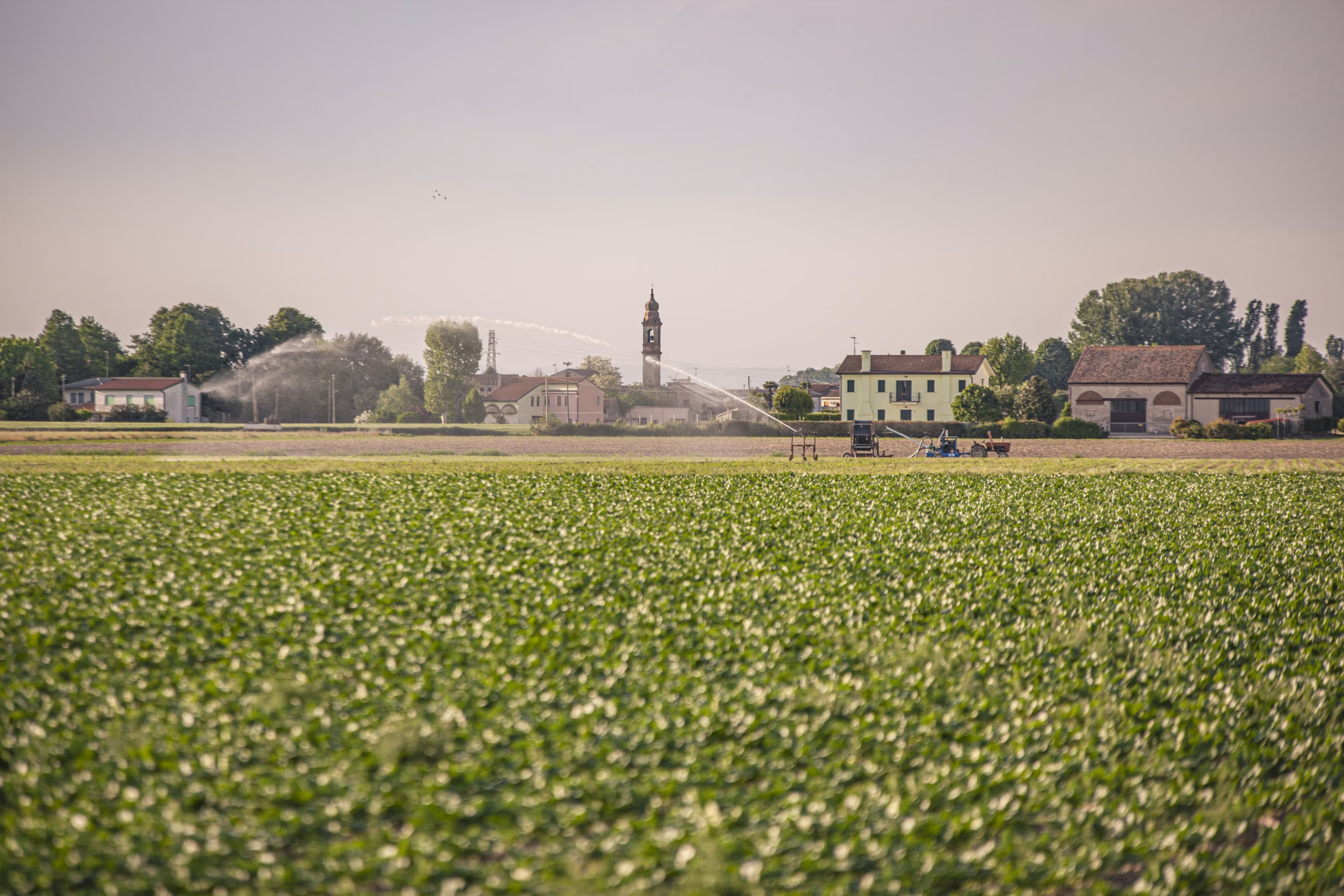
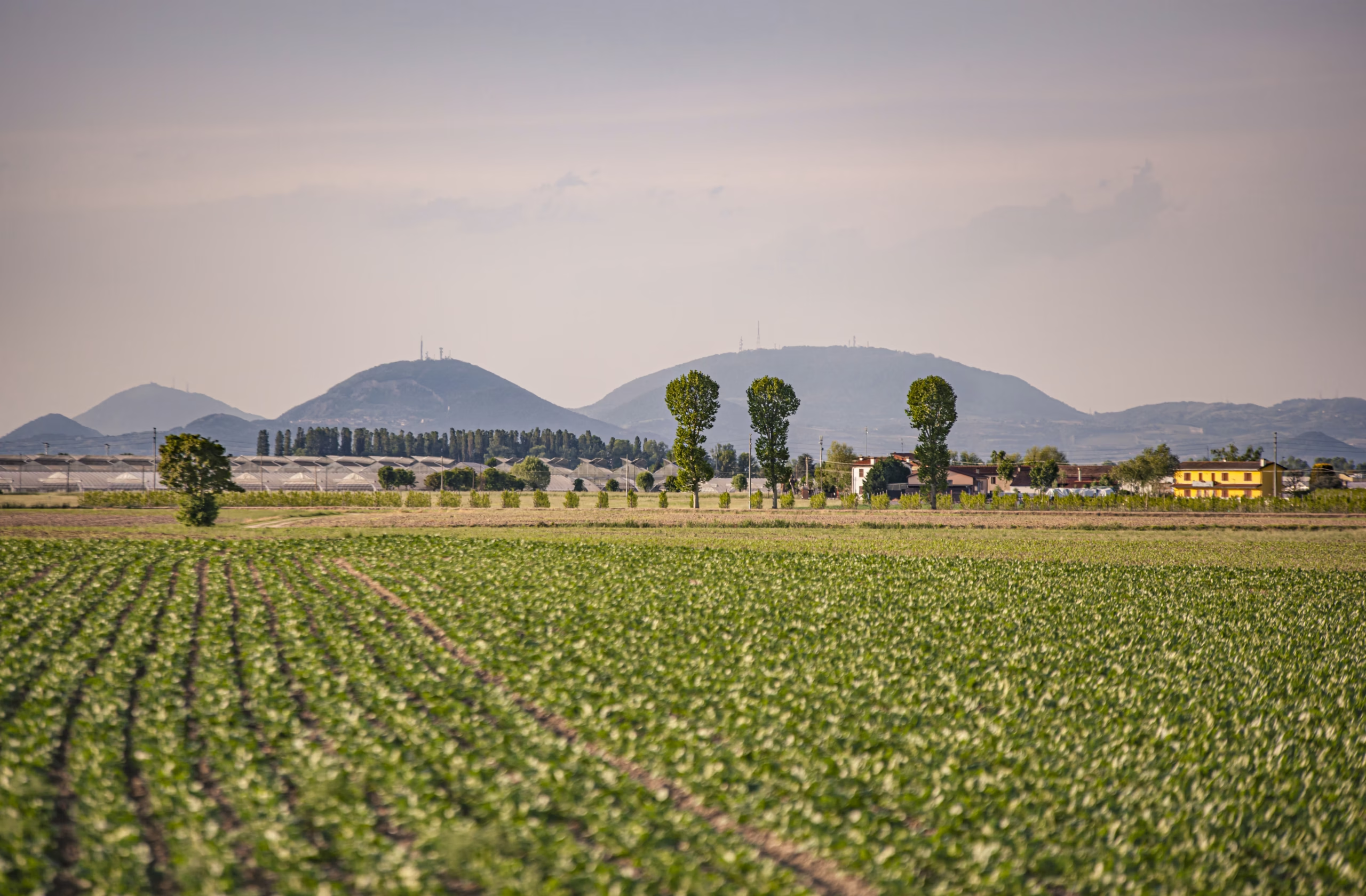
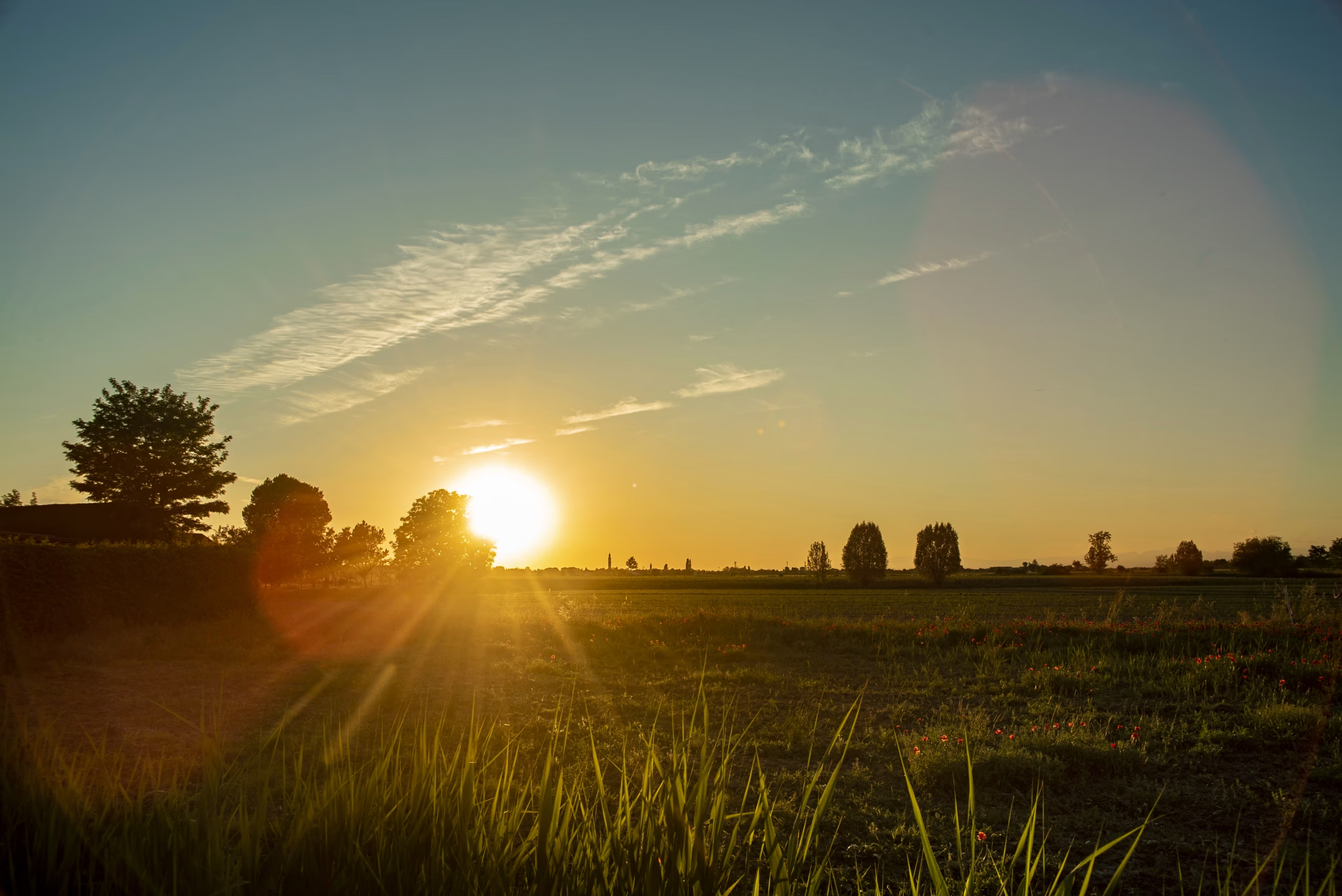
A bell tower, a street sign, the distant outline of a hill, a chapel at the junction of two roads narrow enough to make two drivers quarrel and wide enough to let a tractor pass as though it were the president of the Republic.
But it does not matter.
Names are useful to navigation systems, mail carriers, and people who want to know precisely which place they will later have to leave.
I am interested in another geography.
The kind that clings to you.
The landscape that goes on living inside you even when you are not looking at it. The one that appears on no official document but determines how you see the light, endure silence, and desire everything you have never had.
This place, whatever you choose to call it, is where I was born and raised.
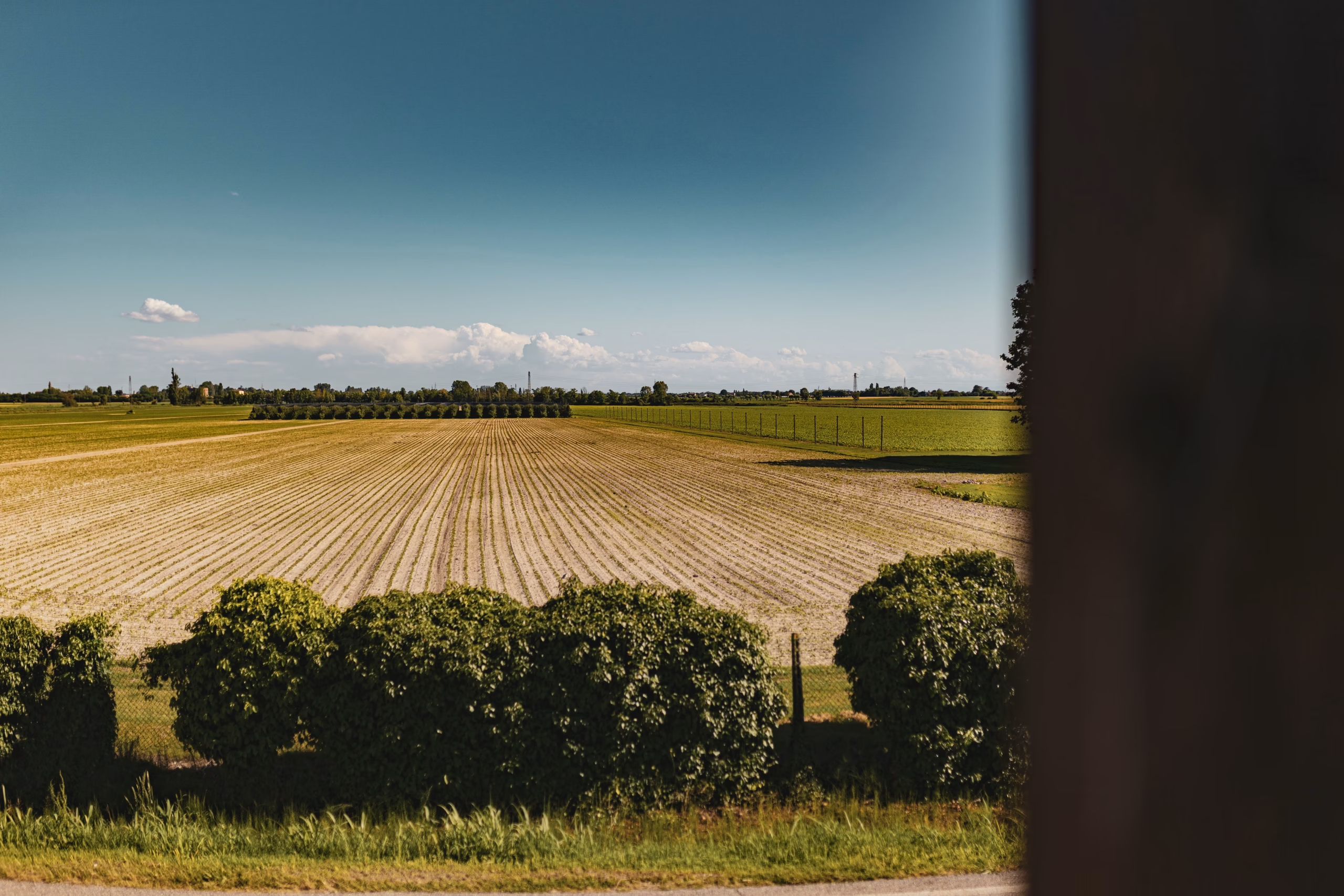
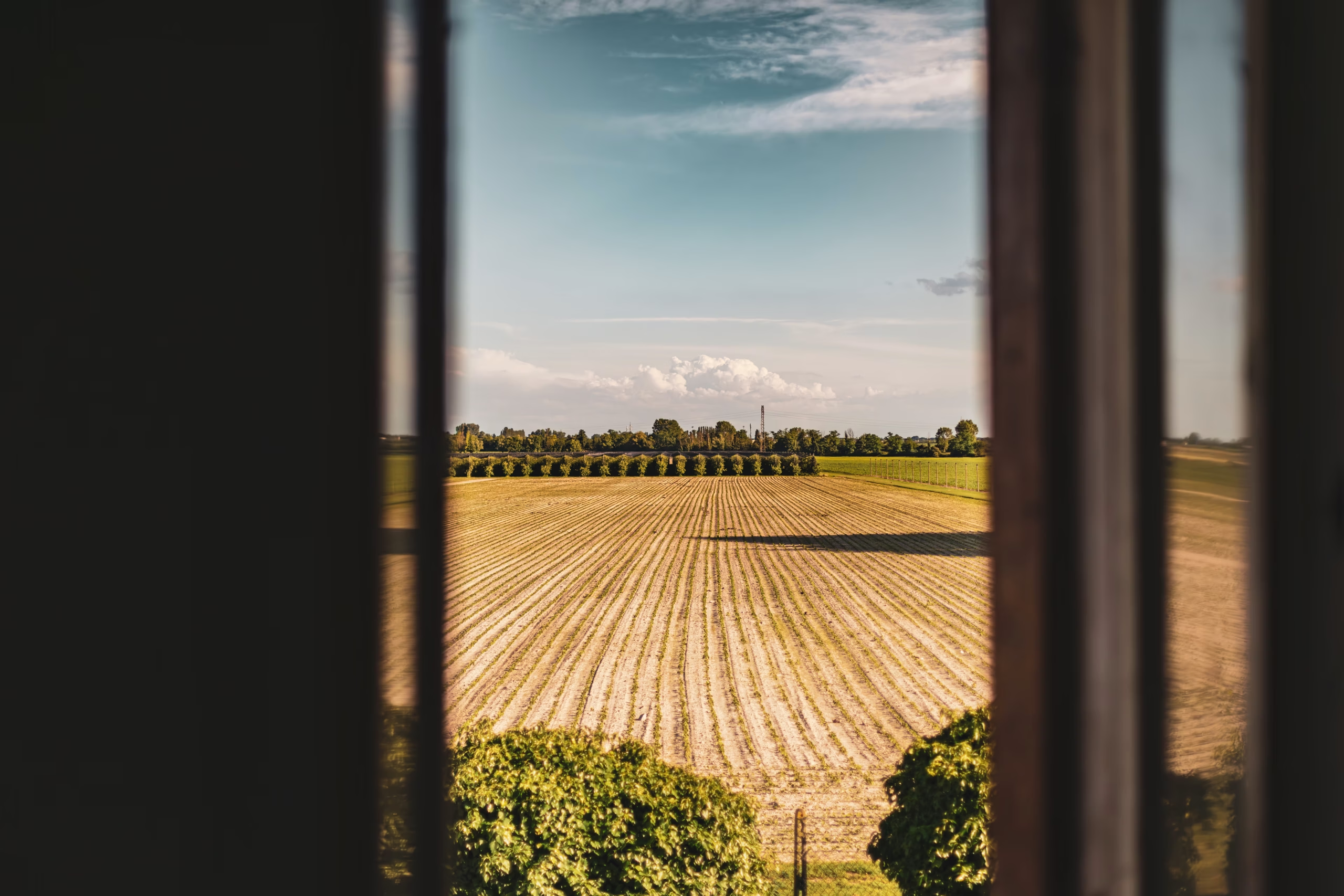
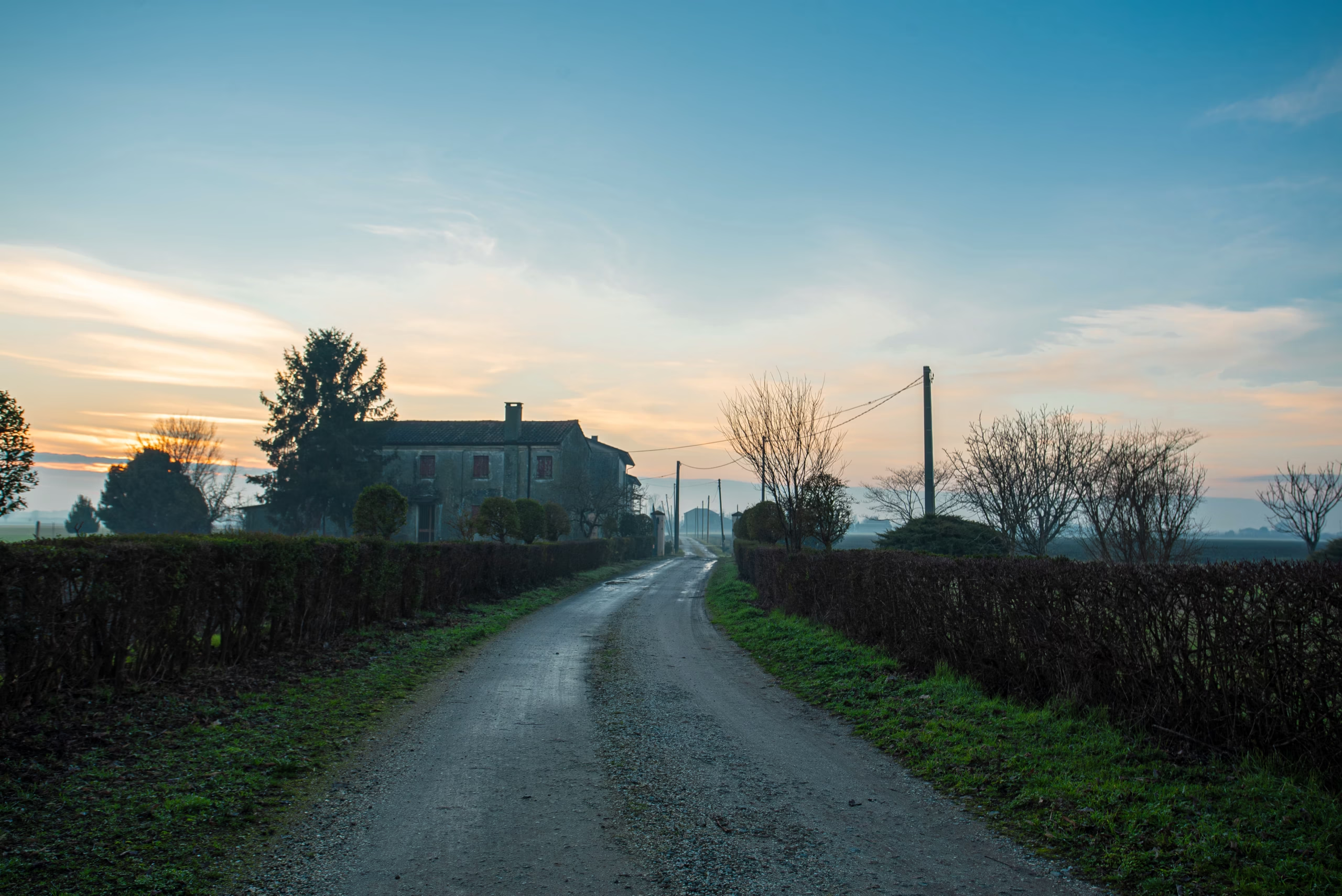
An expanse of flat earth where the horizon seems to have been drawn with a ruler and abandoned there by someone either devoid of imagination or gifted with an especially cruel sense of humor.
Fields.
Ditches.
Rows of crops.
Trees.
Houses dropped in the middle of nowhere like a bad throw of the dice.
The occasional bell tower, just to remind you that God might be nearby, though He plainly prefers not to get too involved.
Then more roads.
More fields.
More silence.
As a child, I did not call it a landscape.
It was simply the world.
I did not know that elsewhere houses could continue for miles, that streets could fill with people at any hour, or that an artist might find opportunities without having to chase them into another province, another region, or another fucking continent.
I believed that was what the world was.
An expanse of green in summer, brown in winter, covered in fog whenever the sky decided to come down to earth and mind our business.
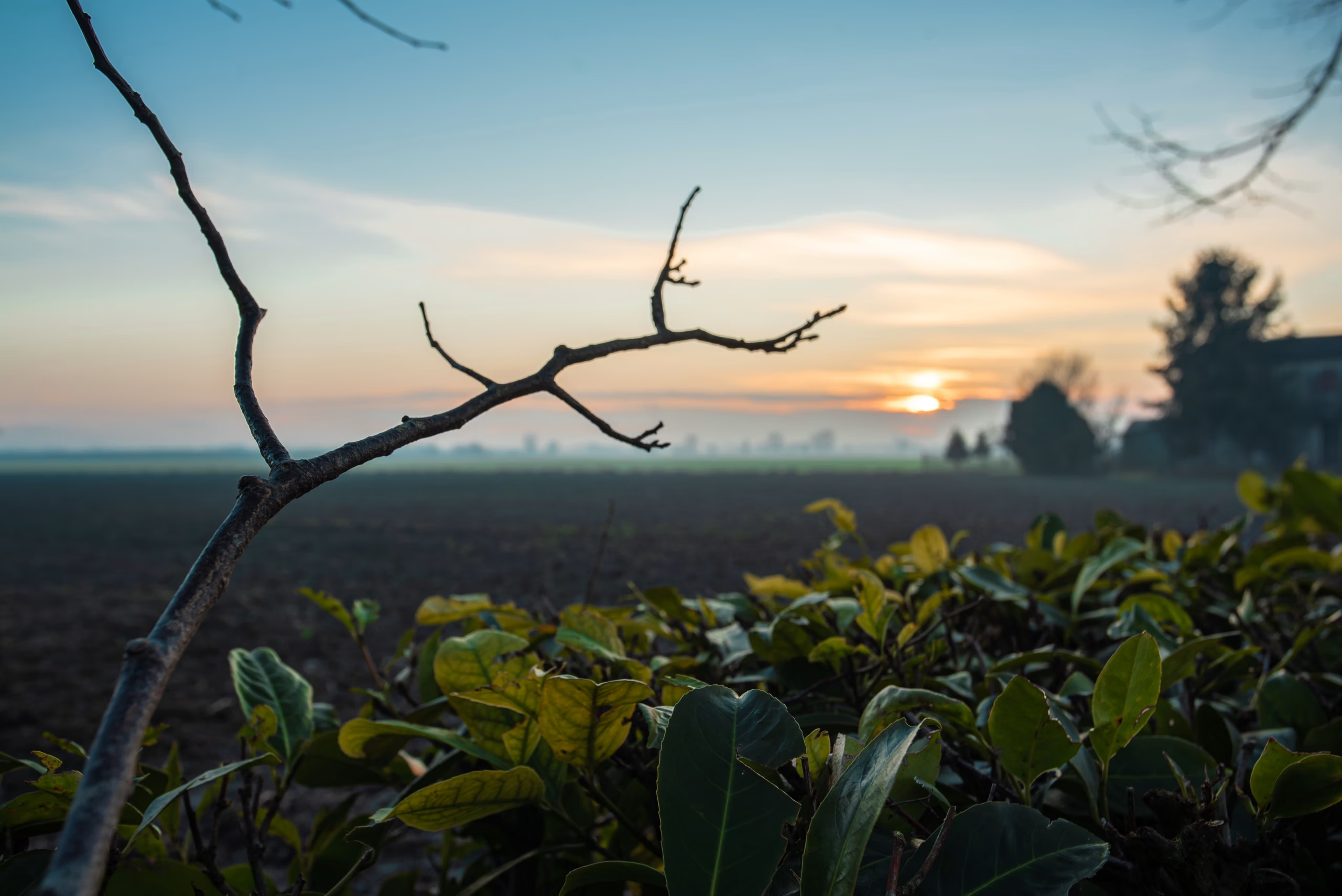
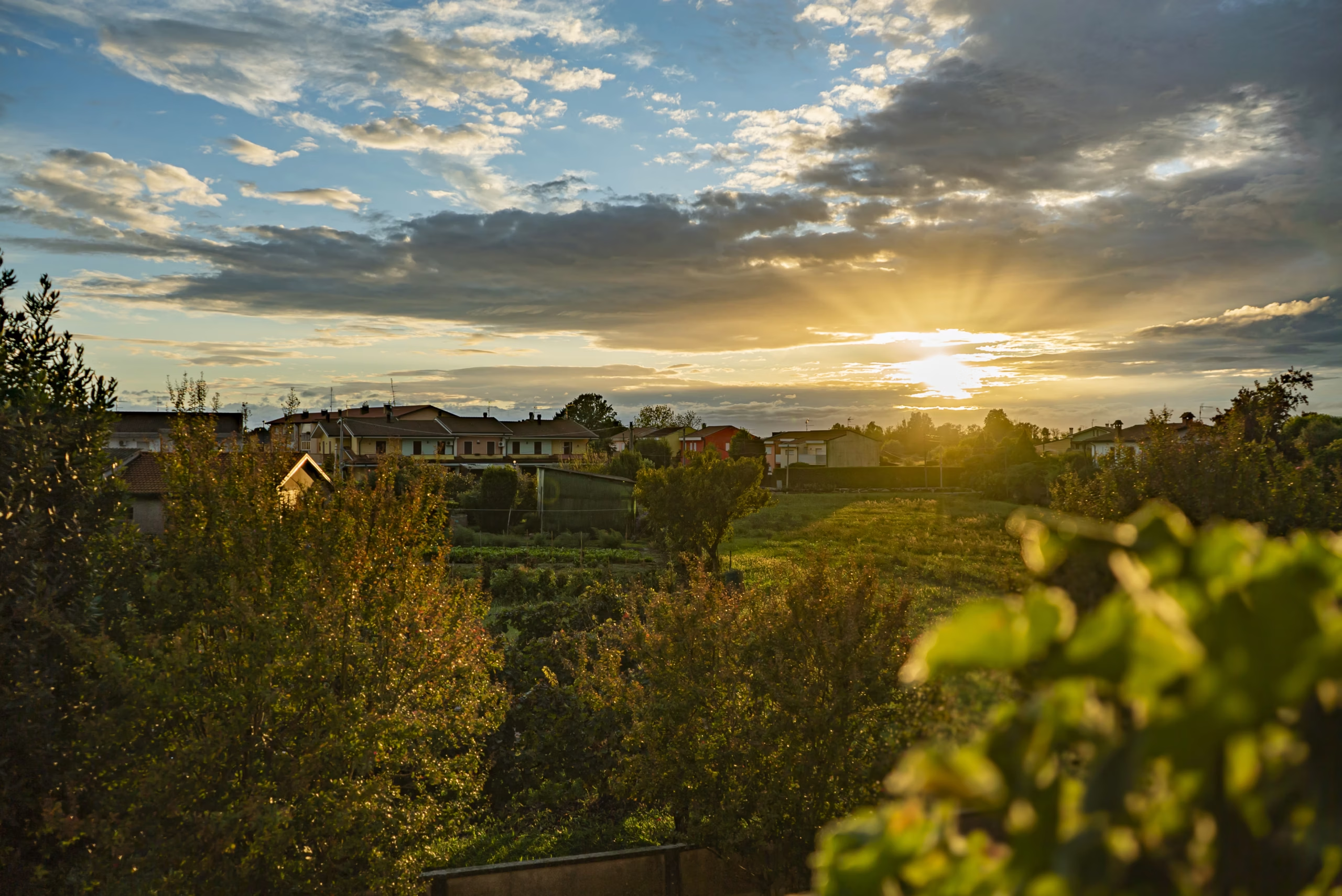
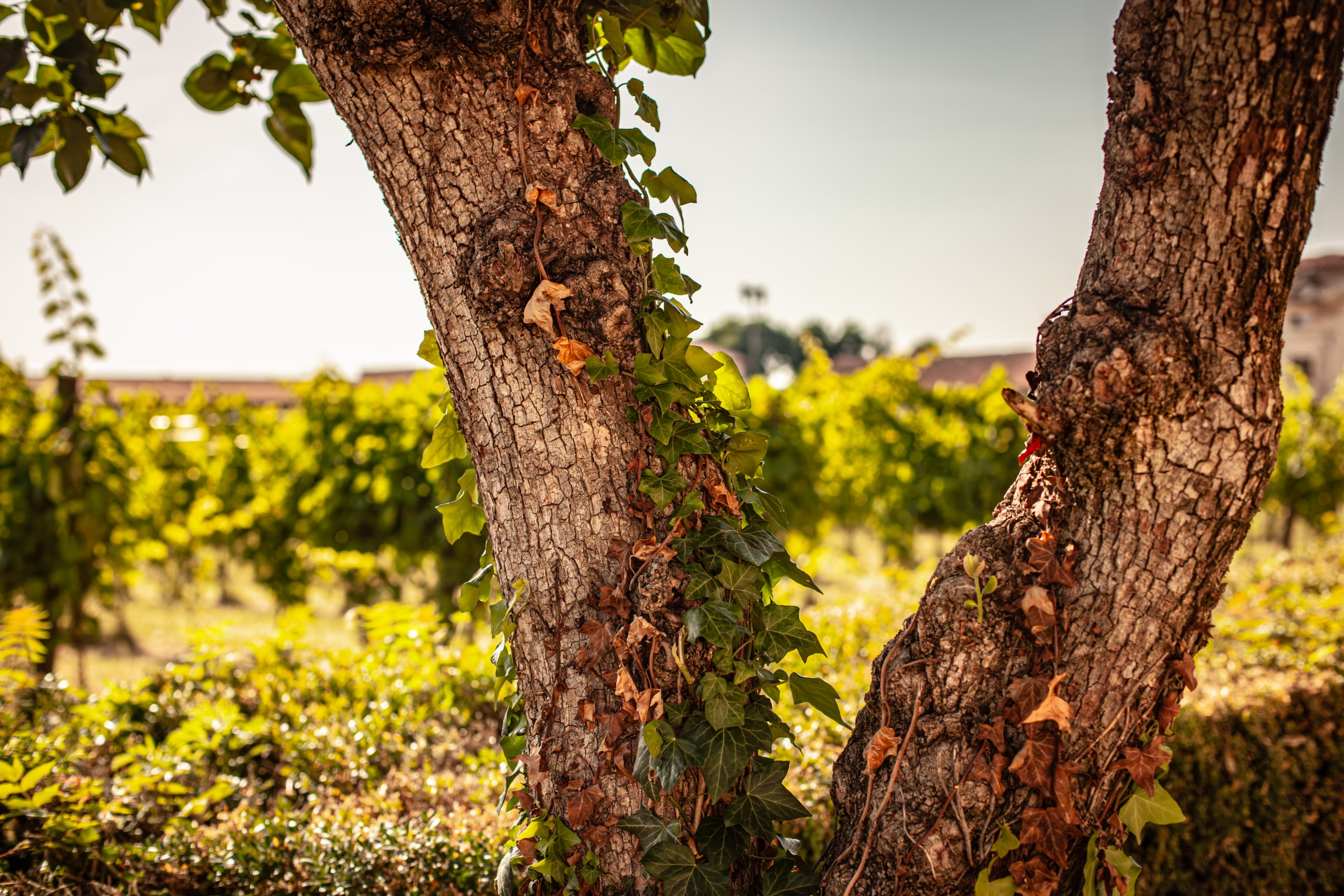
The first images in this series look at the countryside through trees and branches.
They do not reveal it immediately.
They spy on it.
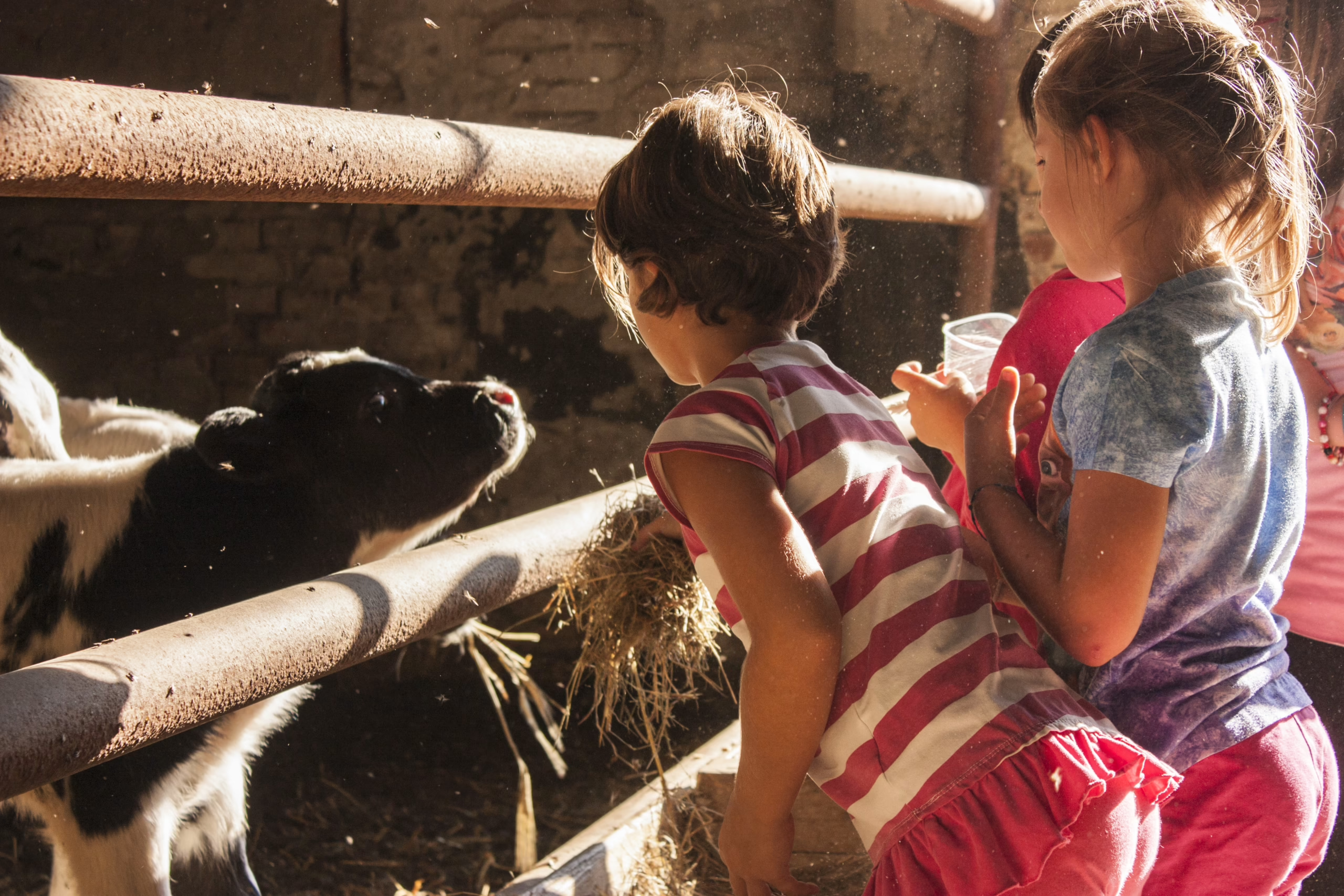
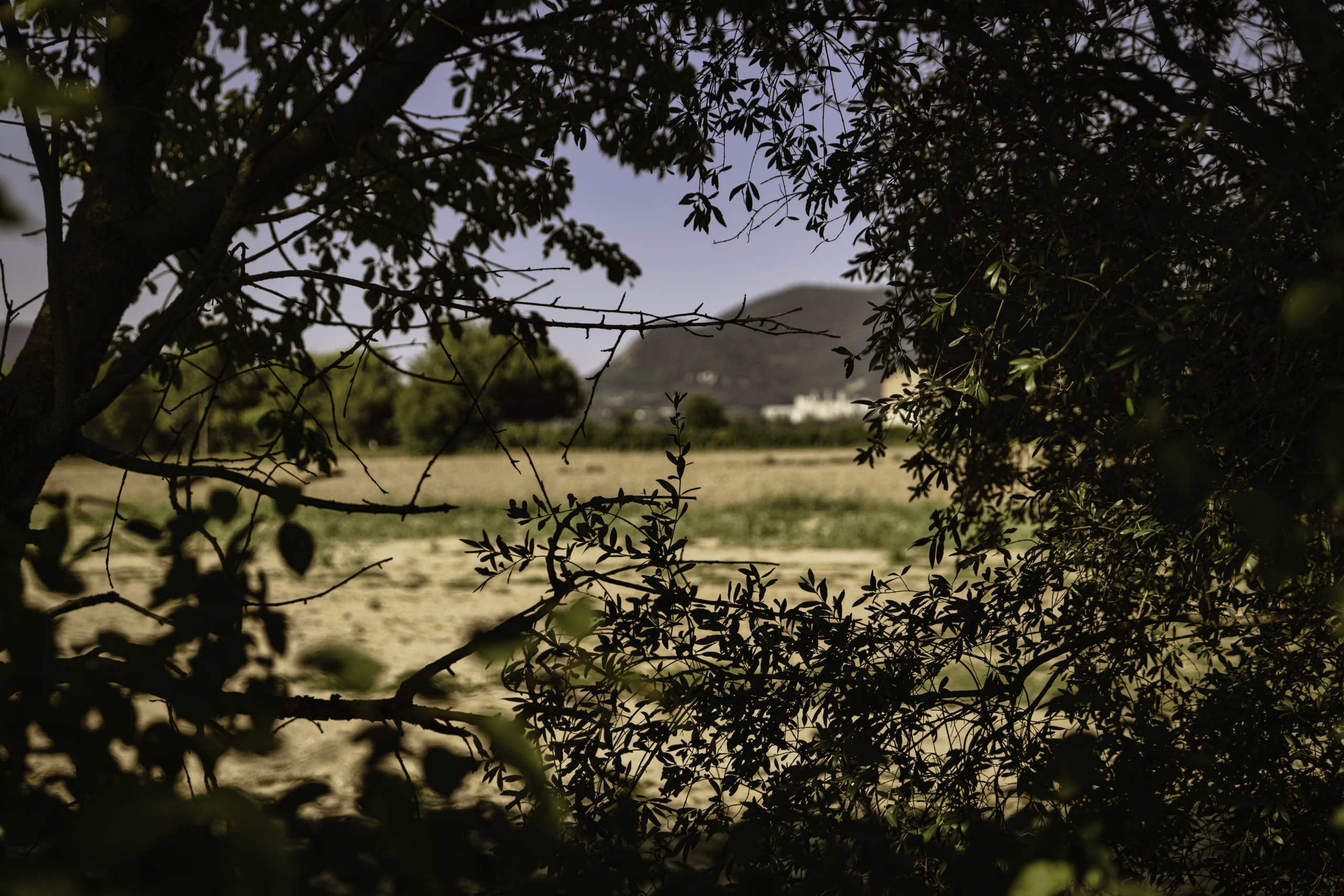
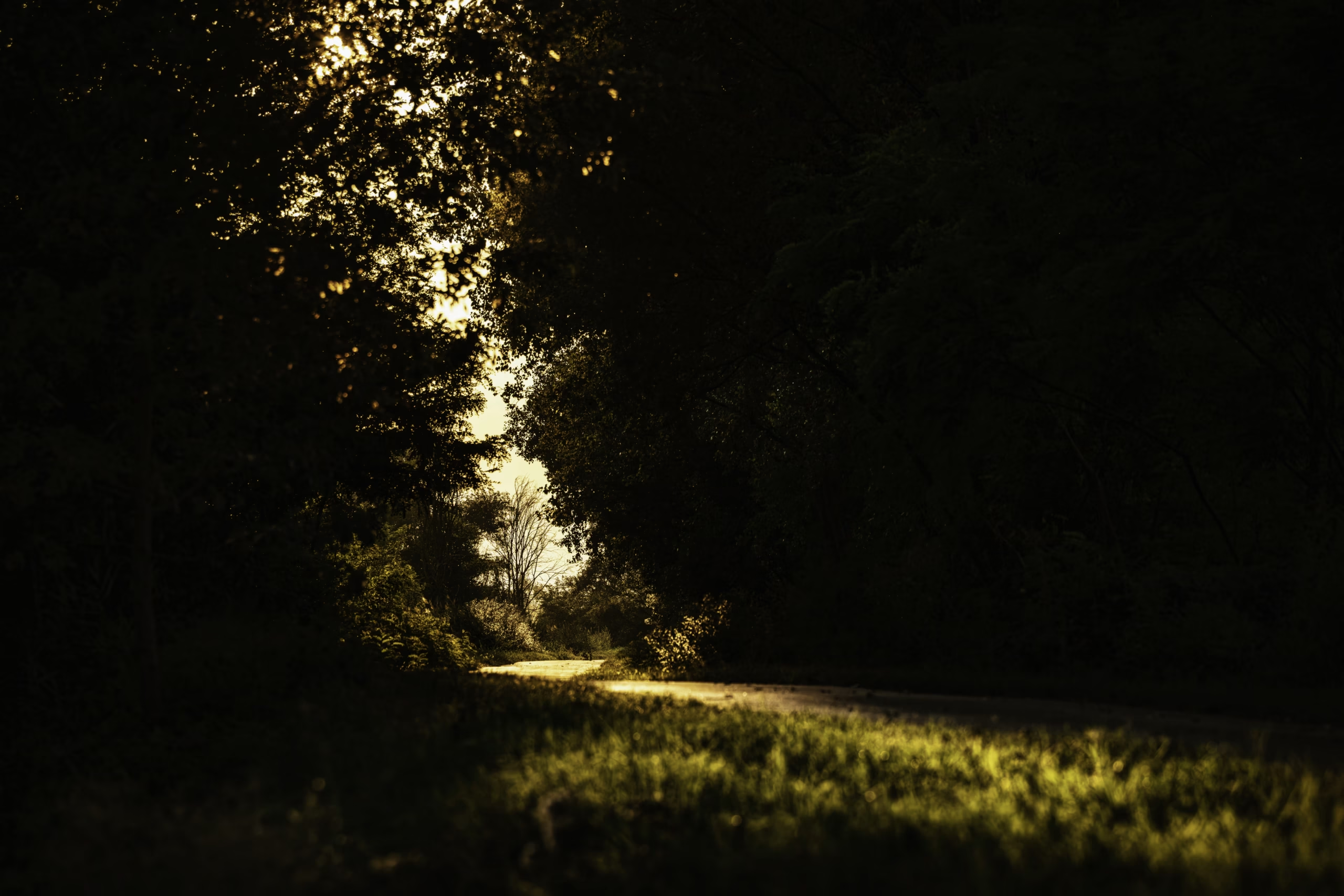
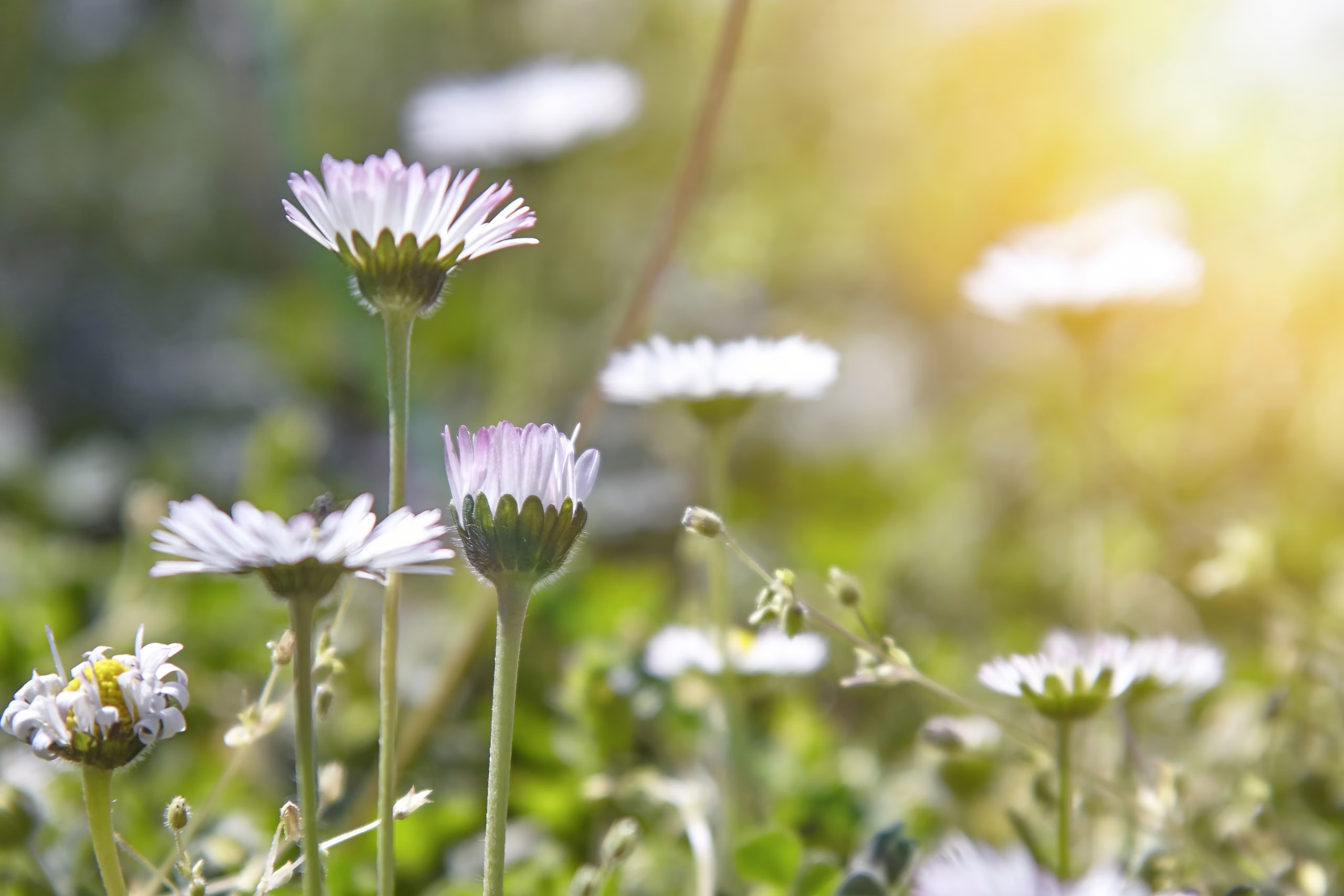
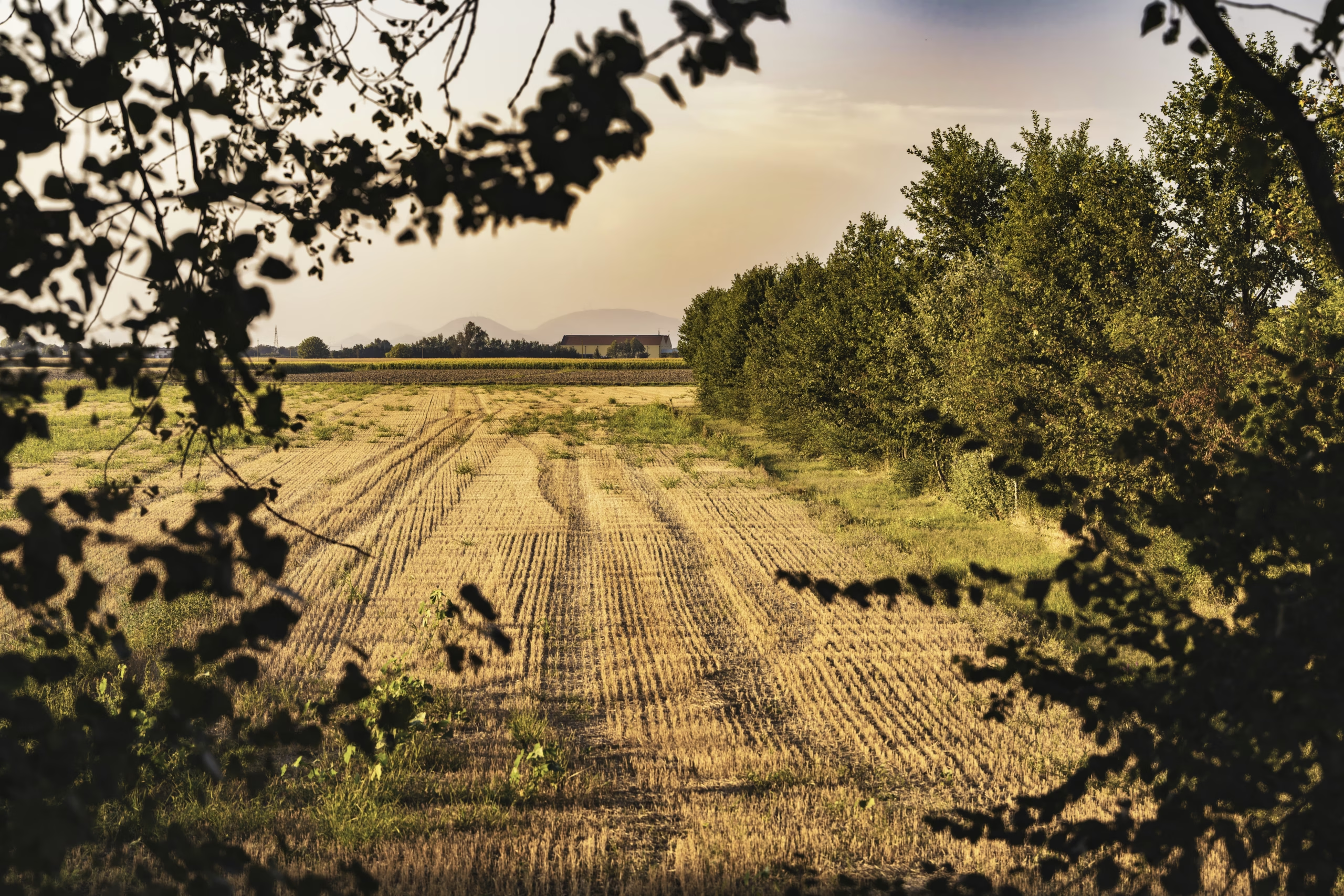
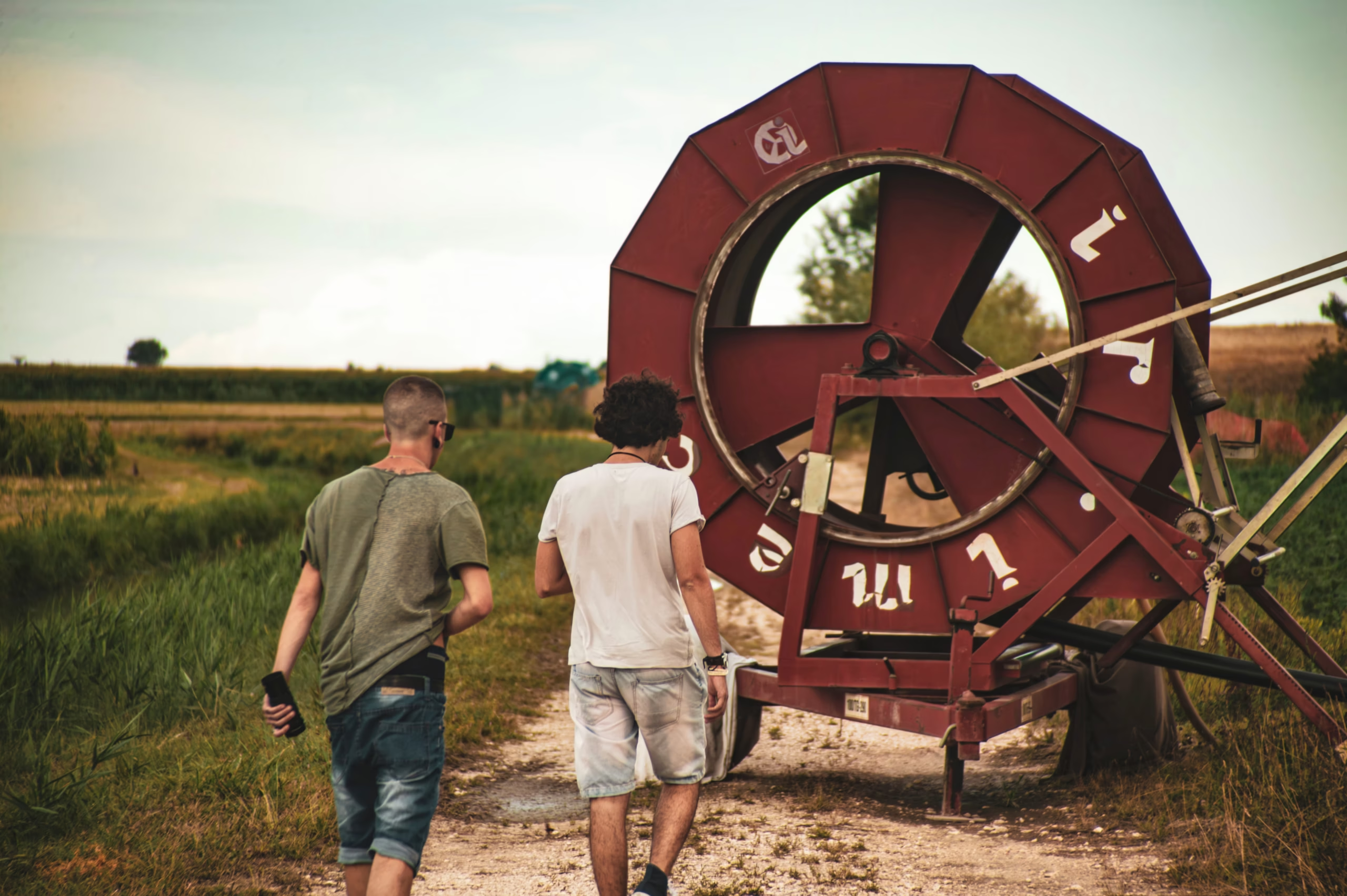
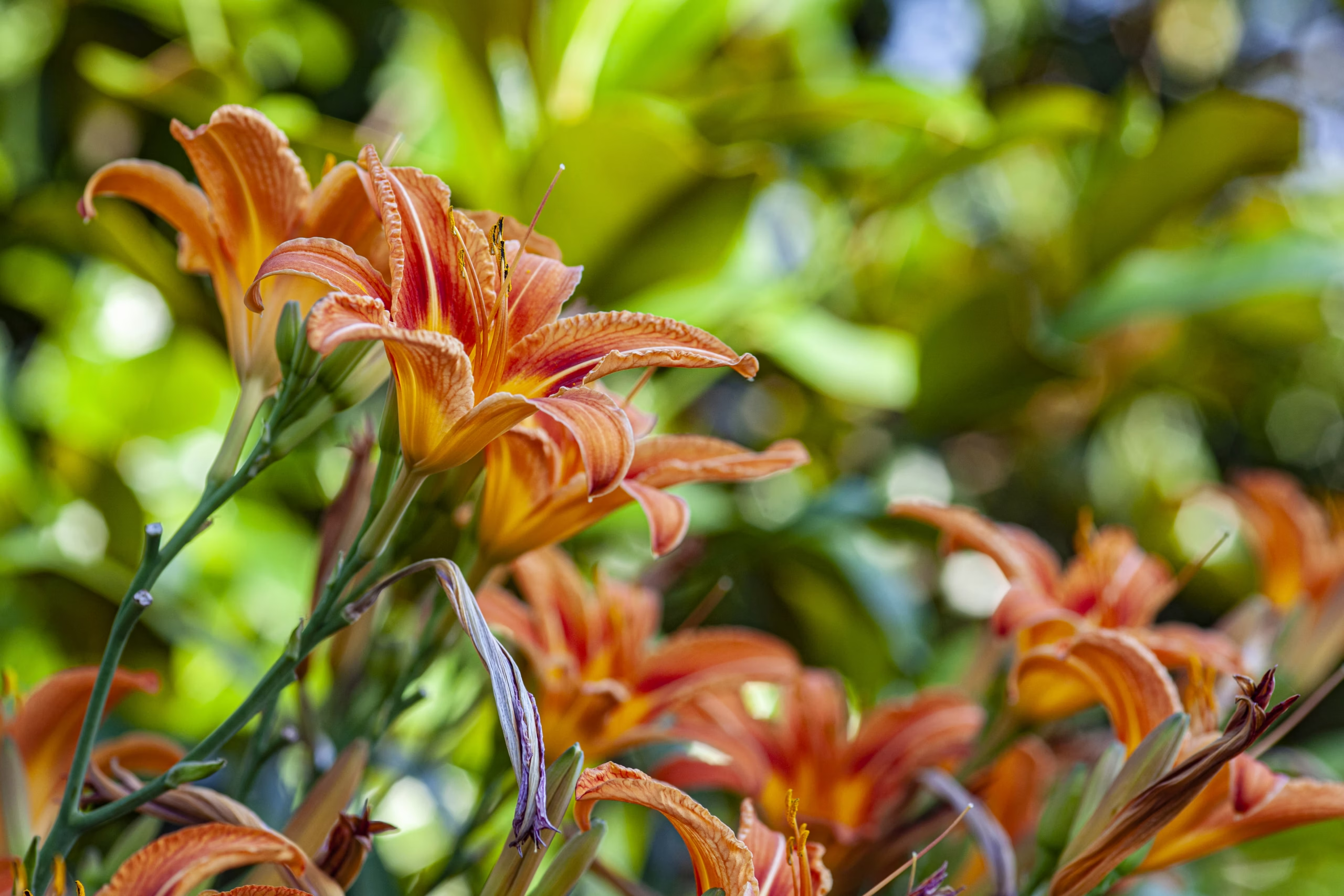
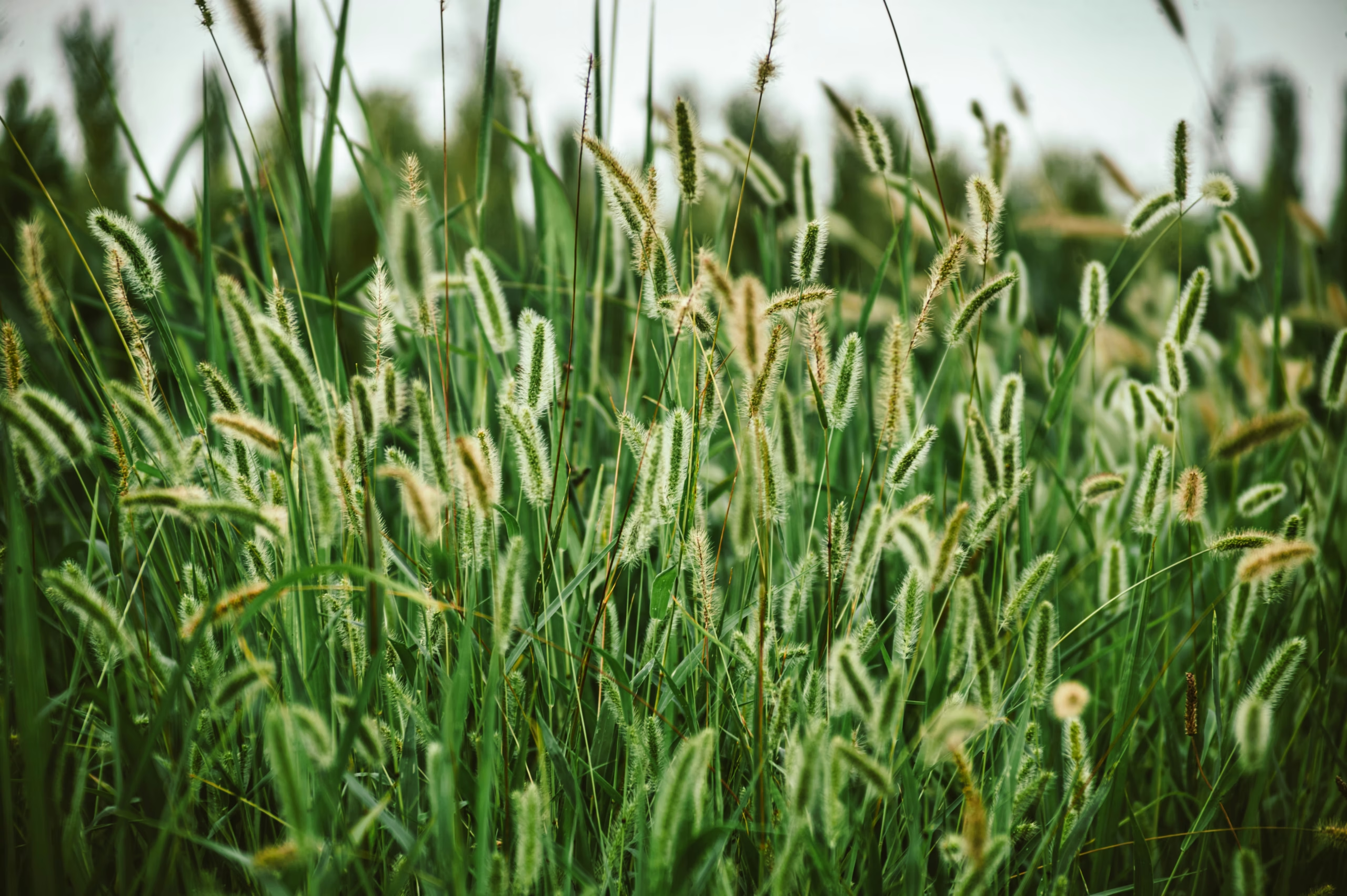
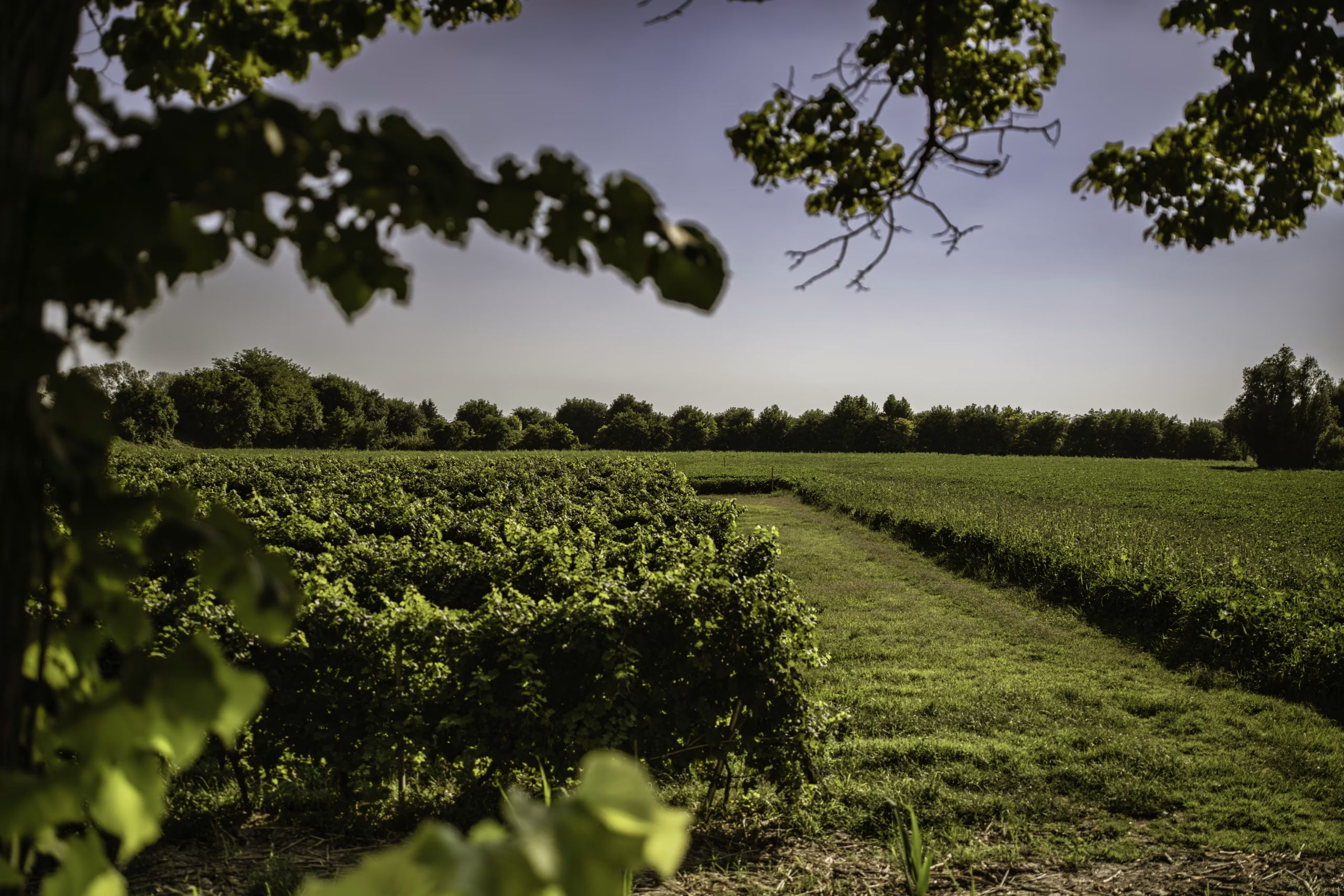
The way you observe someone with whom you have a complicated relationship: from a certain distance, preferably with something in between and an escape route behind you.
The field appears through an opening in the foliage. Light slips between the trunks. A strip of earth emerges from the shadow, and for a few seconds it almost resembles the promise of something.
That is how I learned to care for these places.
Not all at once.
In fragments.
A gap in the leaves.
A reflection on a ditch.
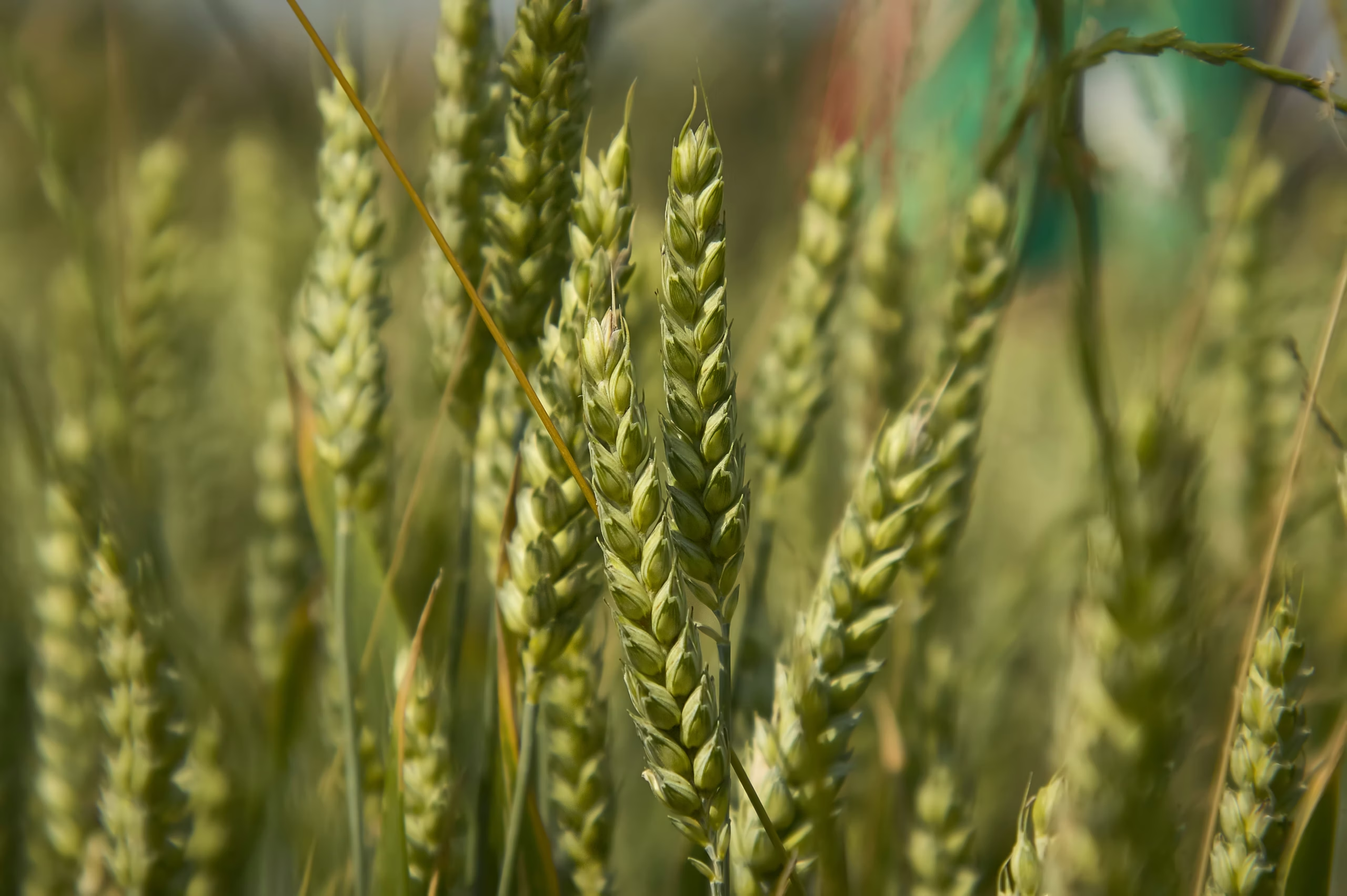
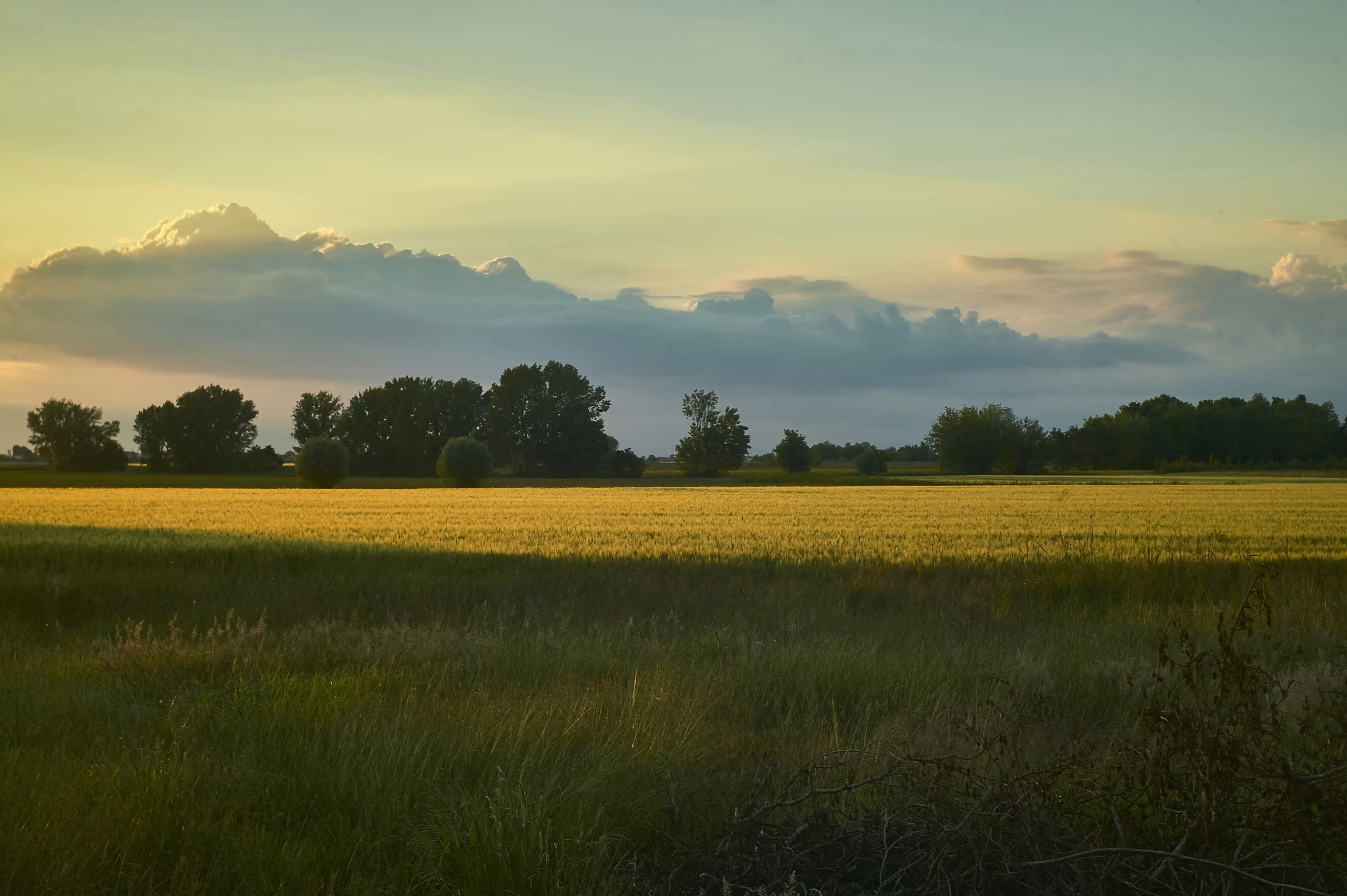
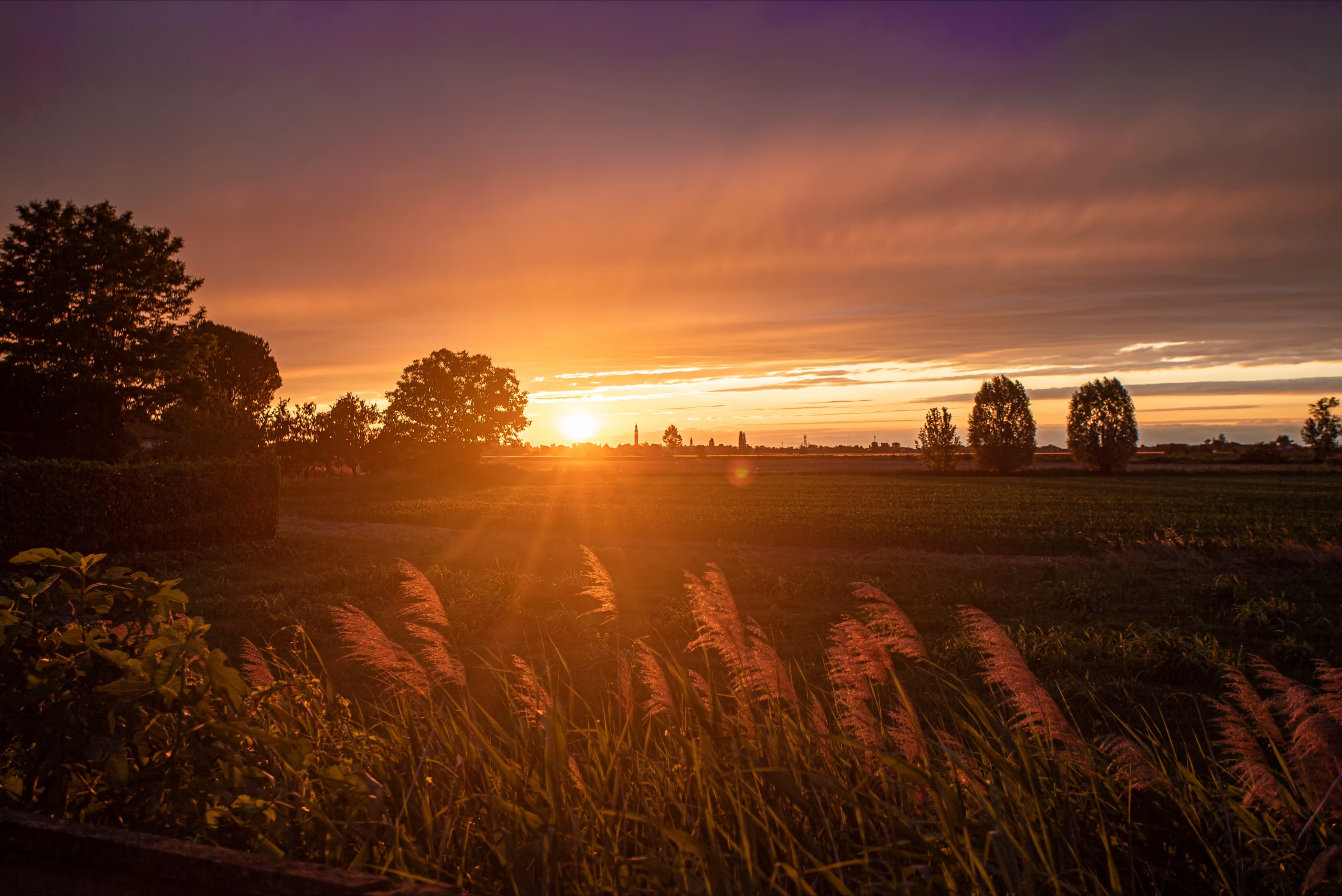
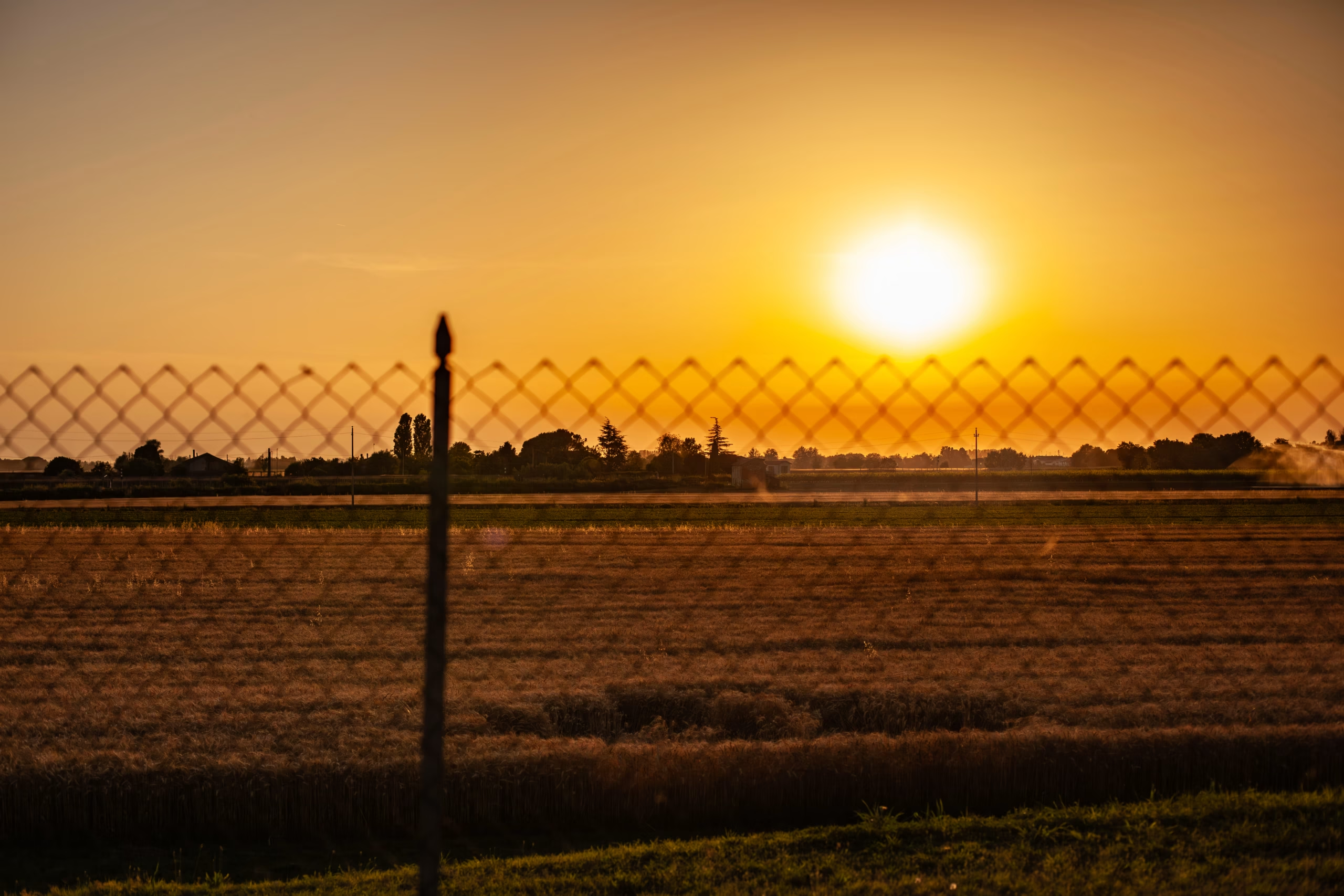
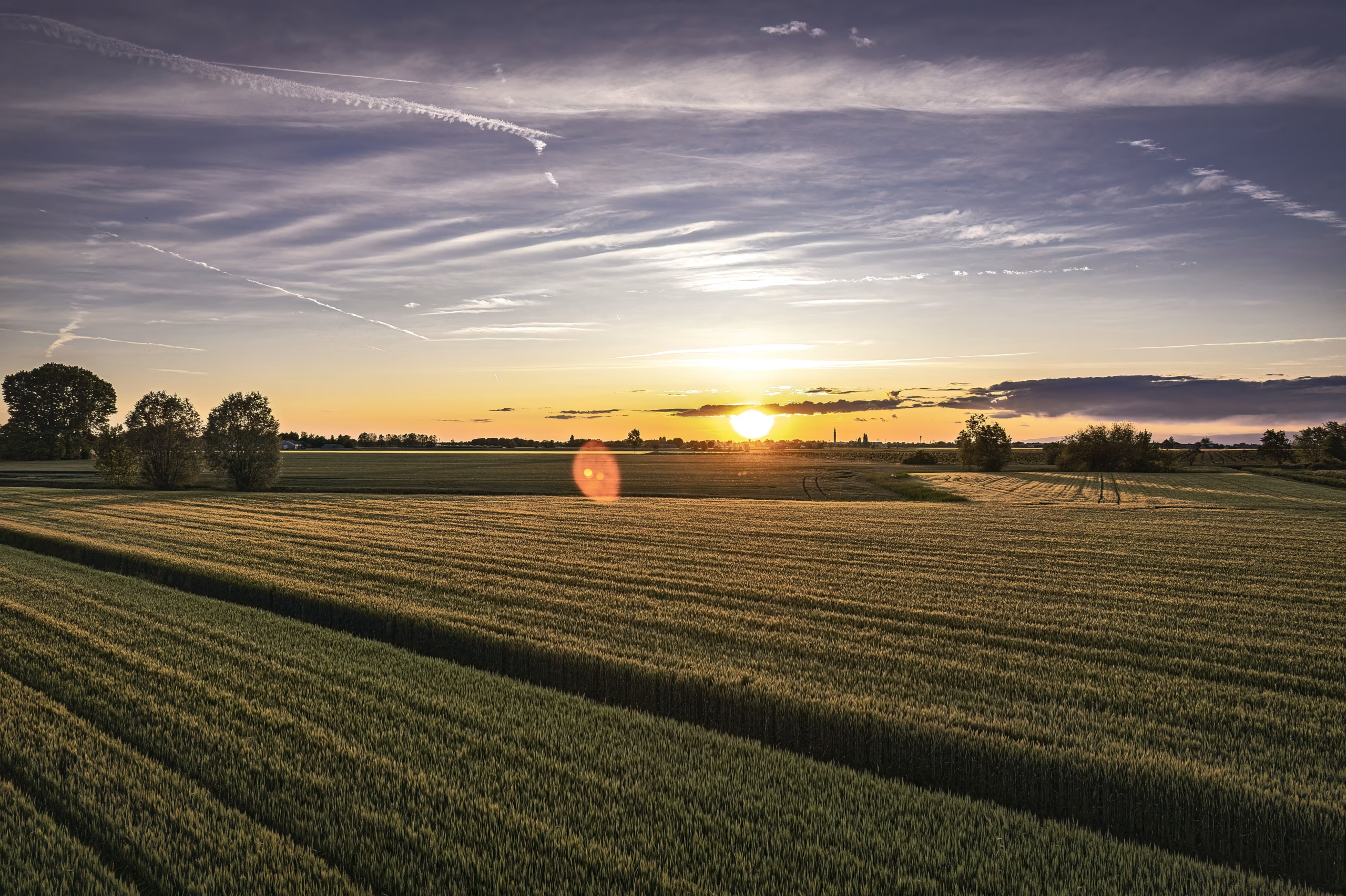
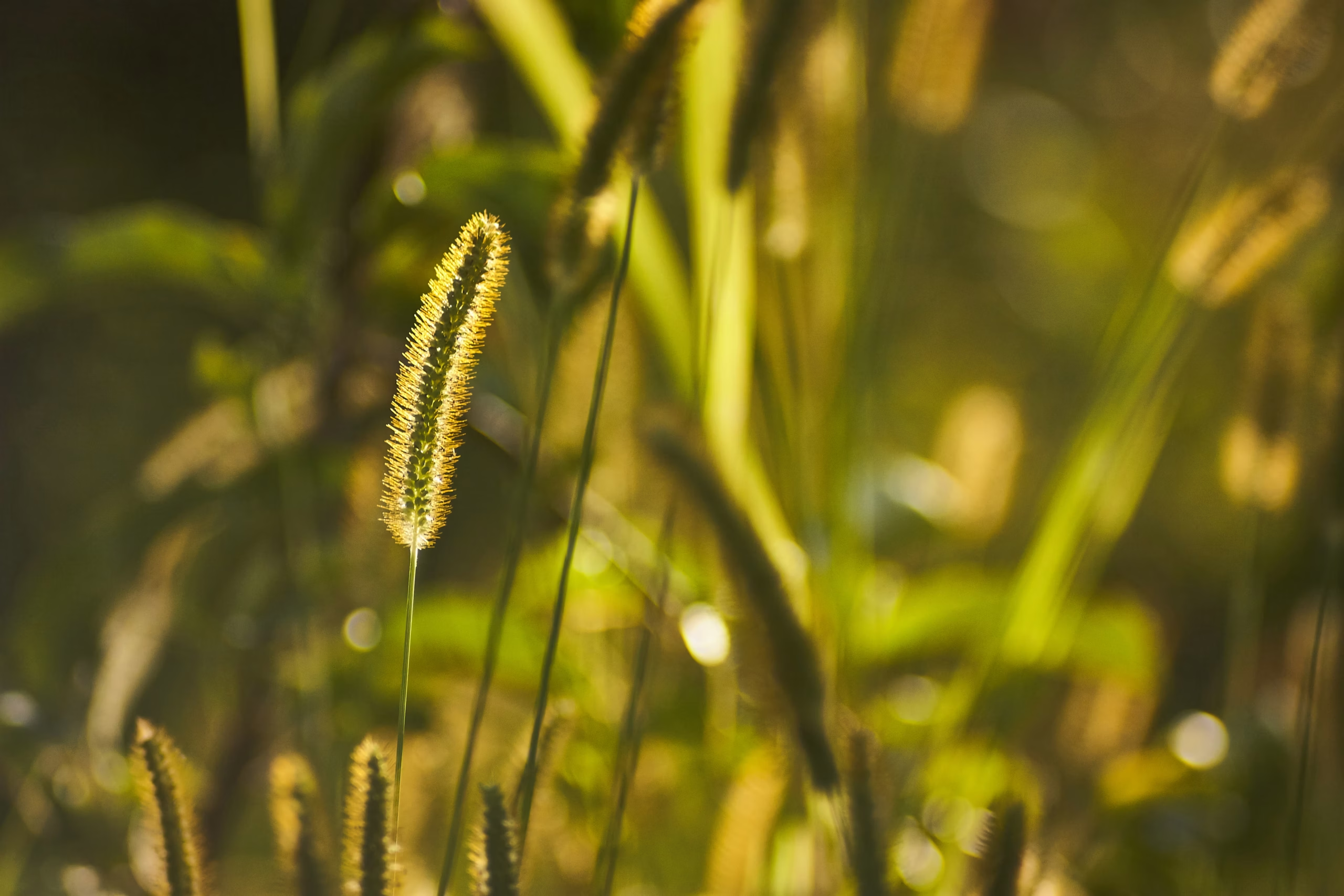
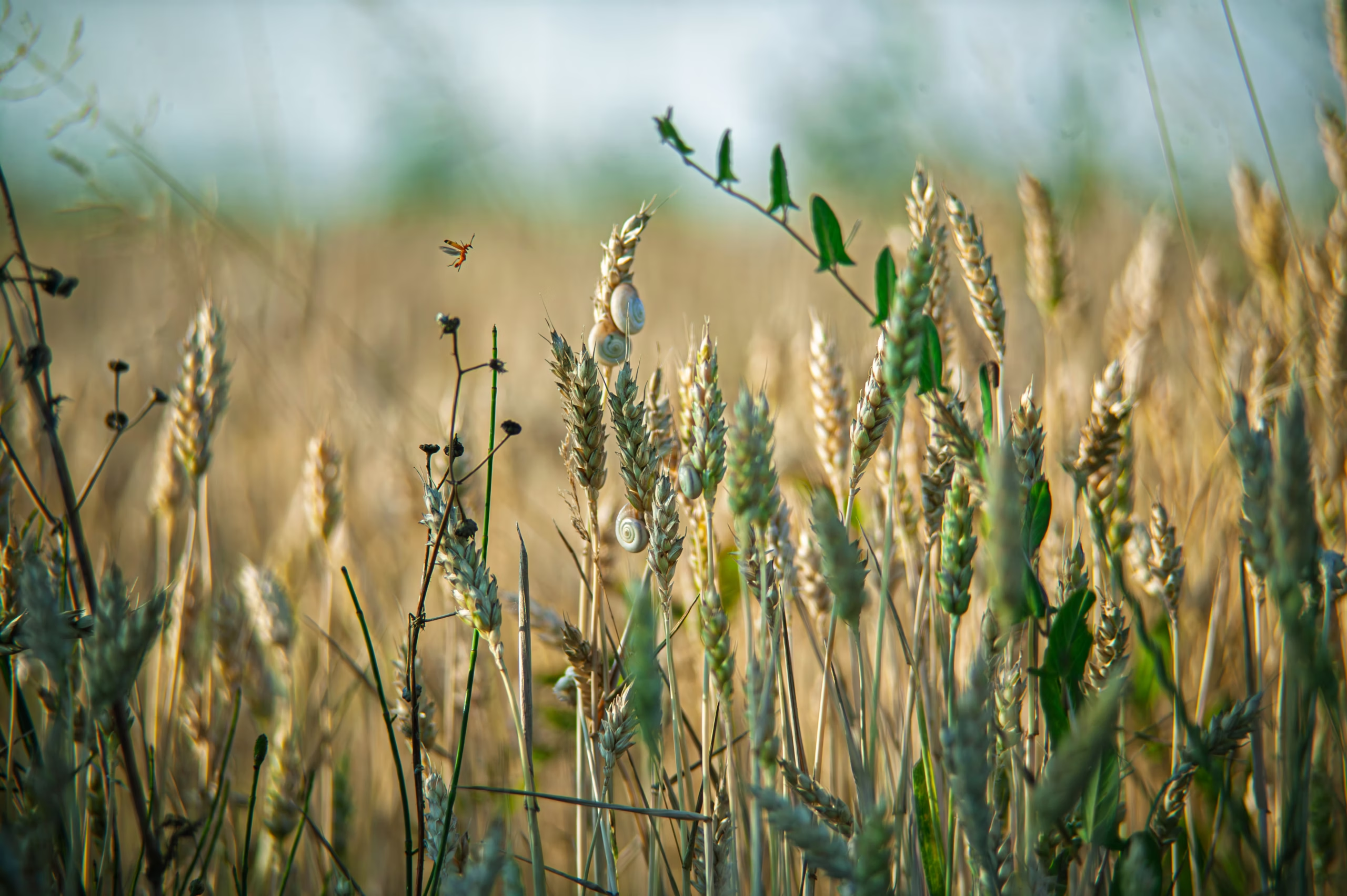
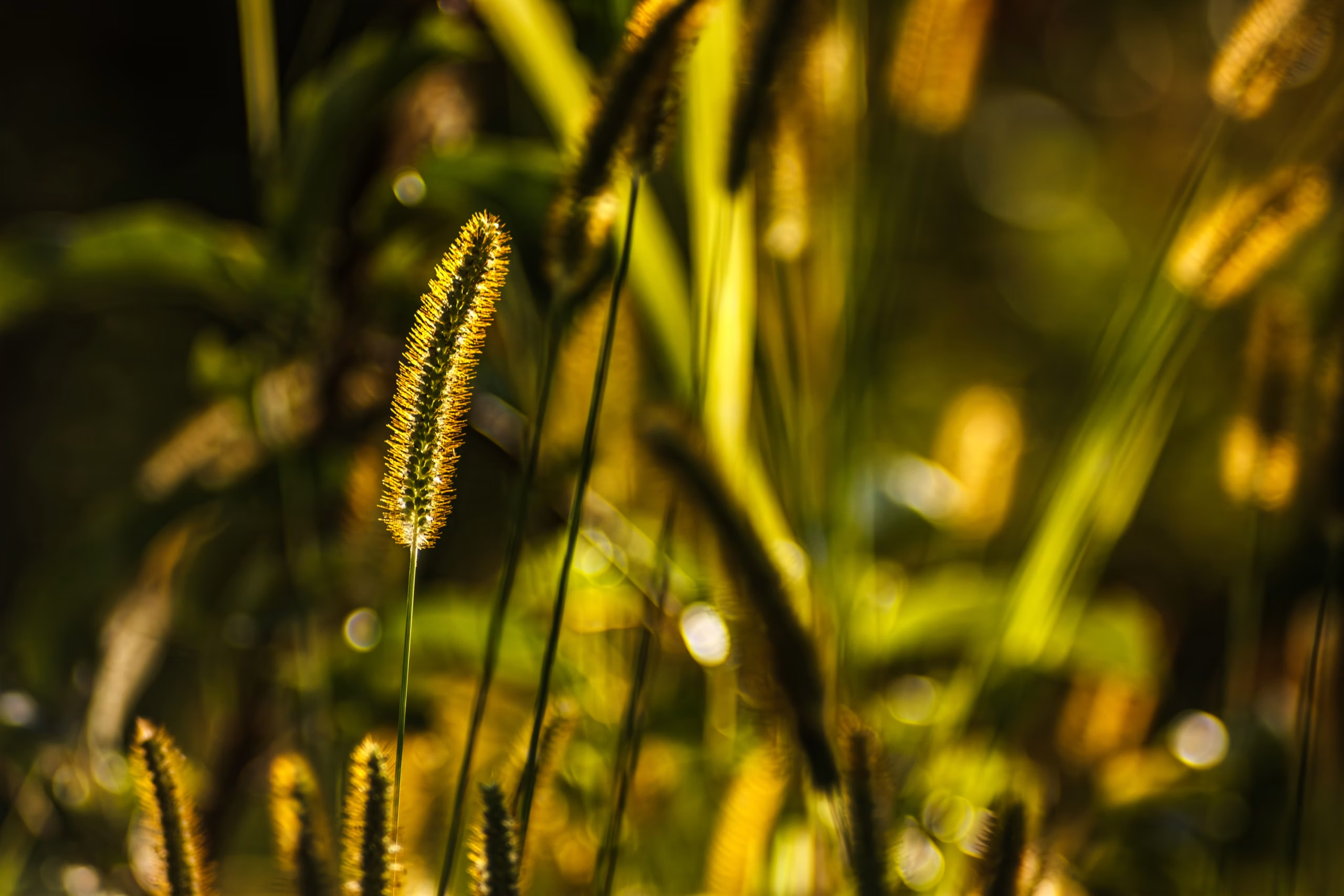
The low light setting the wheat ablaze.
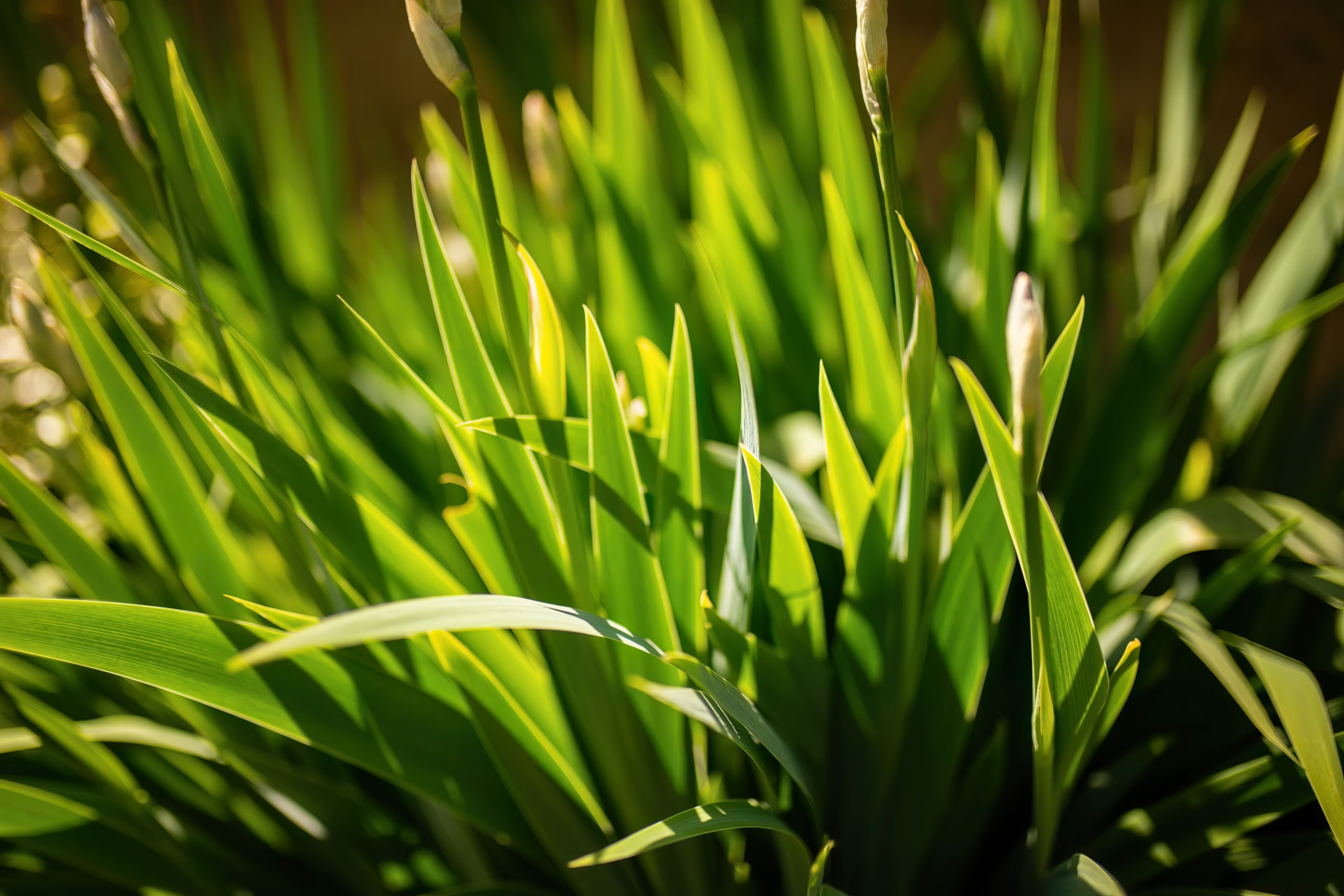
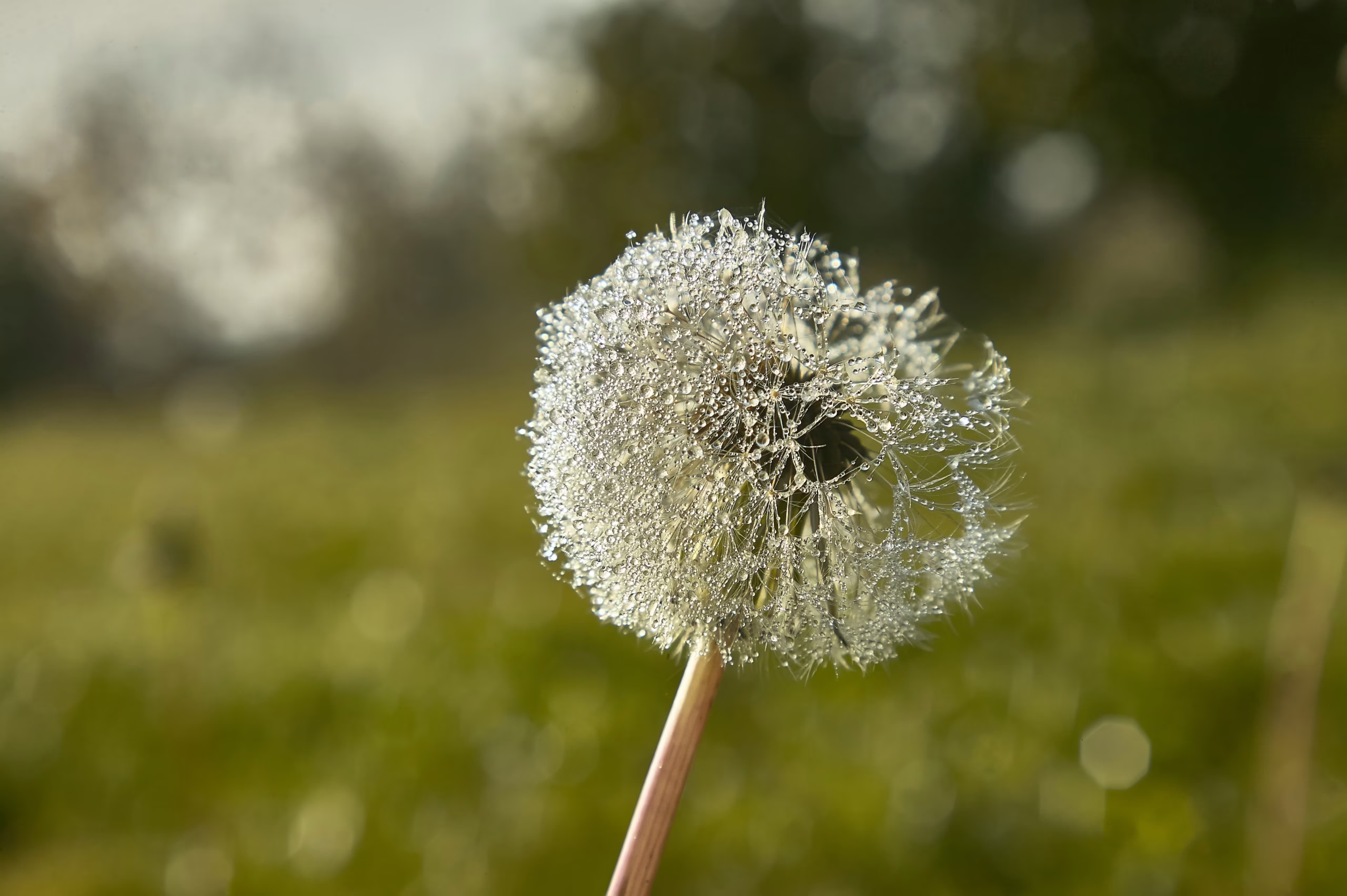
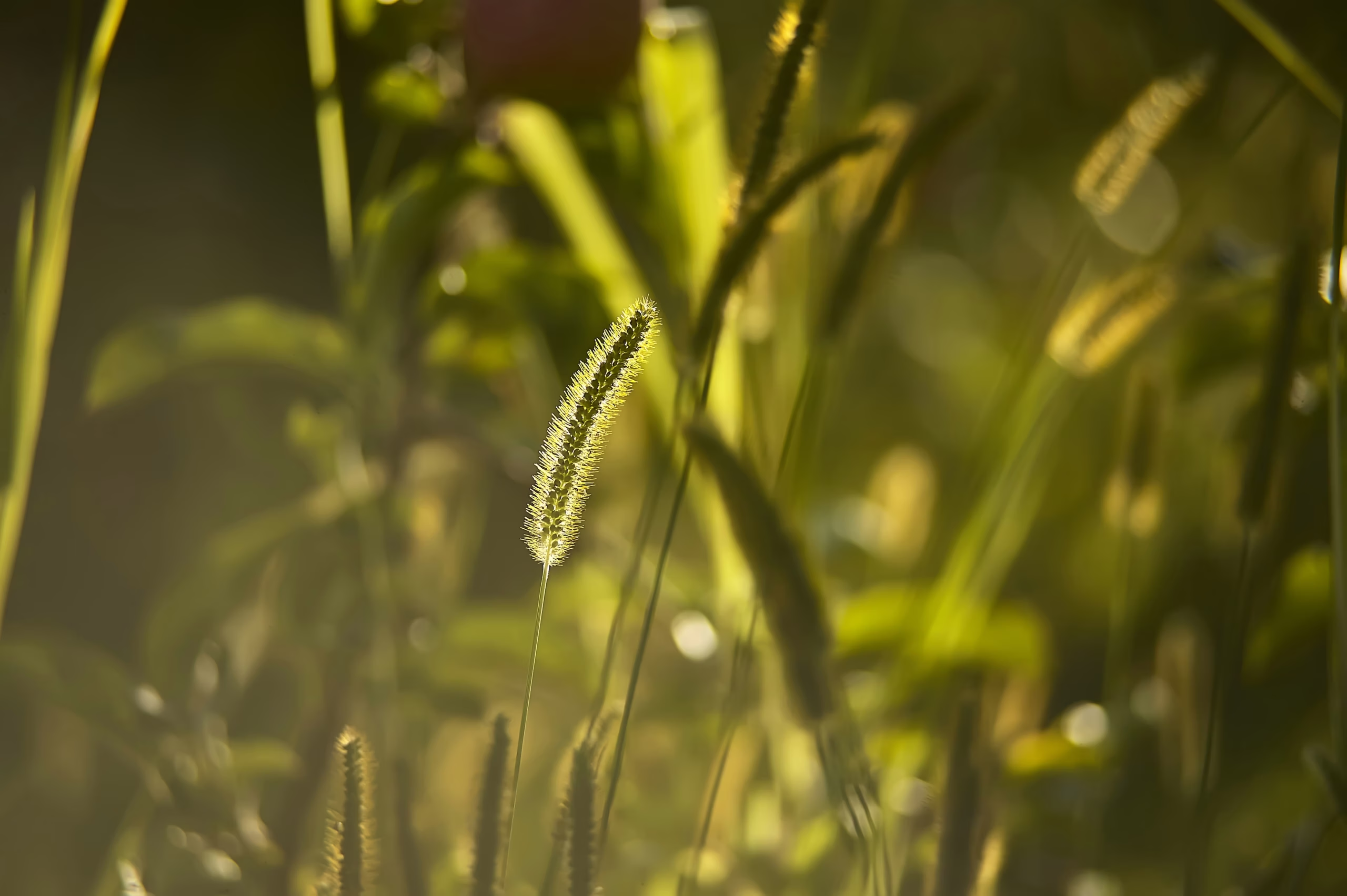
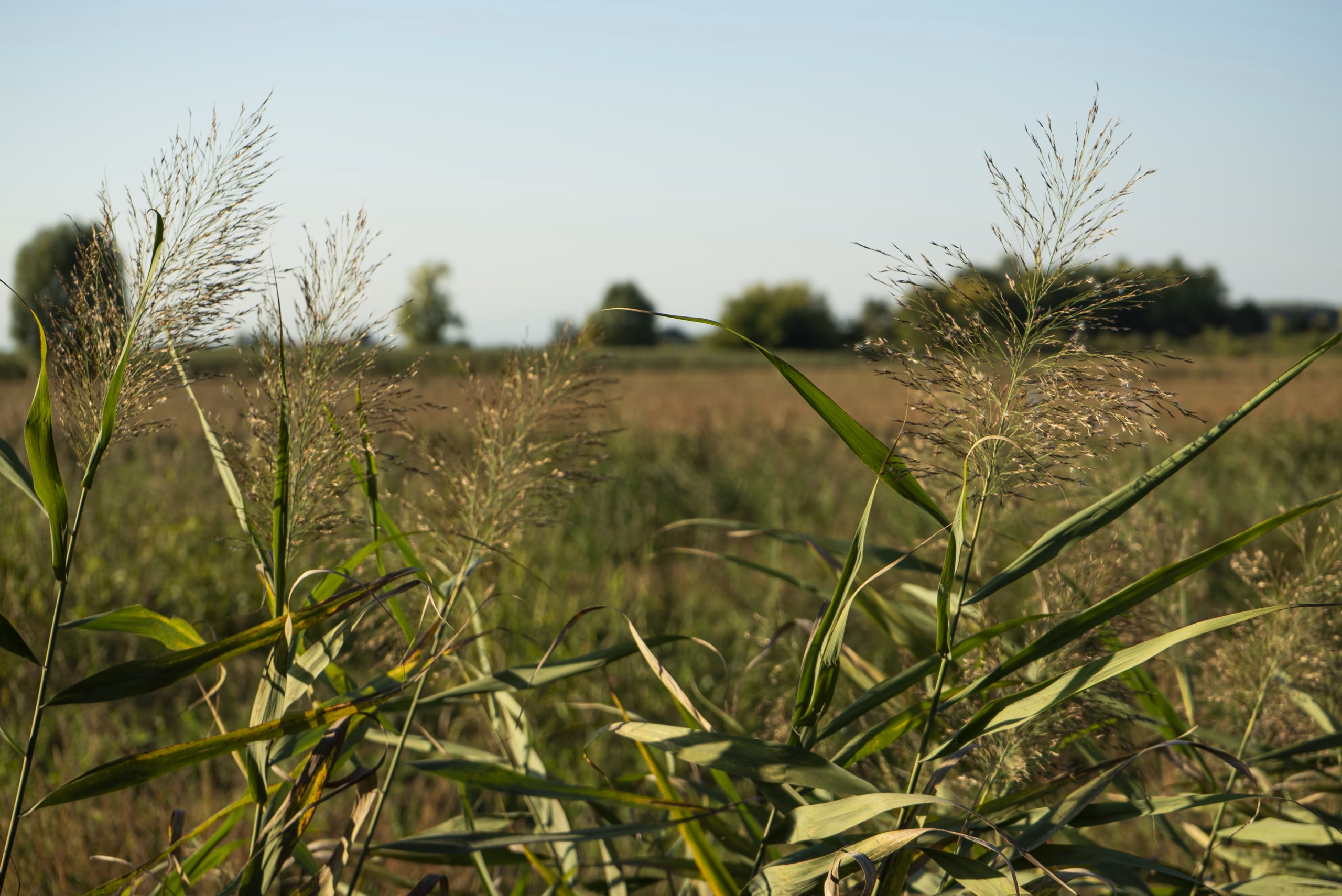
The way the sun passes through the down on a wild plant, making it seem a far more important creature than botany is prepared to admit.
I learned to love this land one two-hundredth of a second at a time.
An entire life, perhaps, was too much.
The frame allowed me to choose.
Outside it could remain the boredom, the missed opportunities, the roads traveled a hundred times, the shuttered storefronts, the questions about the future, and that feeling of having been born in the right place to learn solitude and the wrong one to make a profession of it.
Inside, I kept only the light.
Some might call that falsification.
I call it photography.
Every image is a choice. Even the most honest photographer lies each time he decides where the edges end.
I did not photograph everything that exists here.
I photographed whatever, despite it all, kept me from hating this place entirely.
The trouble with the countryside is that it can be breathtakingly beautiful without the slightest intention of making you happy.
It offers you a sunset that takes your breath away, then reminds you the following morning that you must drive two hours to find a certain kind of work.
It gives you acres of space, but very few places to meet someone capable of understanding what you want to become.
It leaves you all the silence you need to listen to yourself, only for you to discover that inside you lives a verbose, unresolved fellow with a respectable collection of questionable decisions.
Generous, then.
But with reservations.
Almost everything grows here.
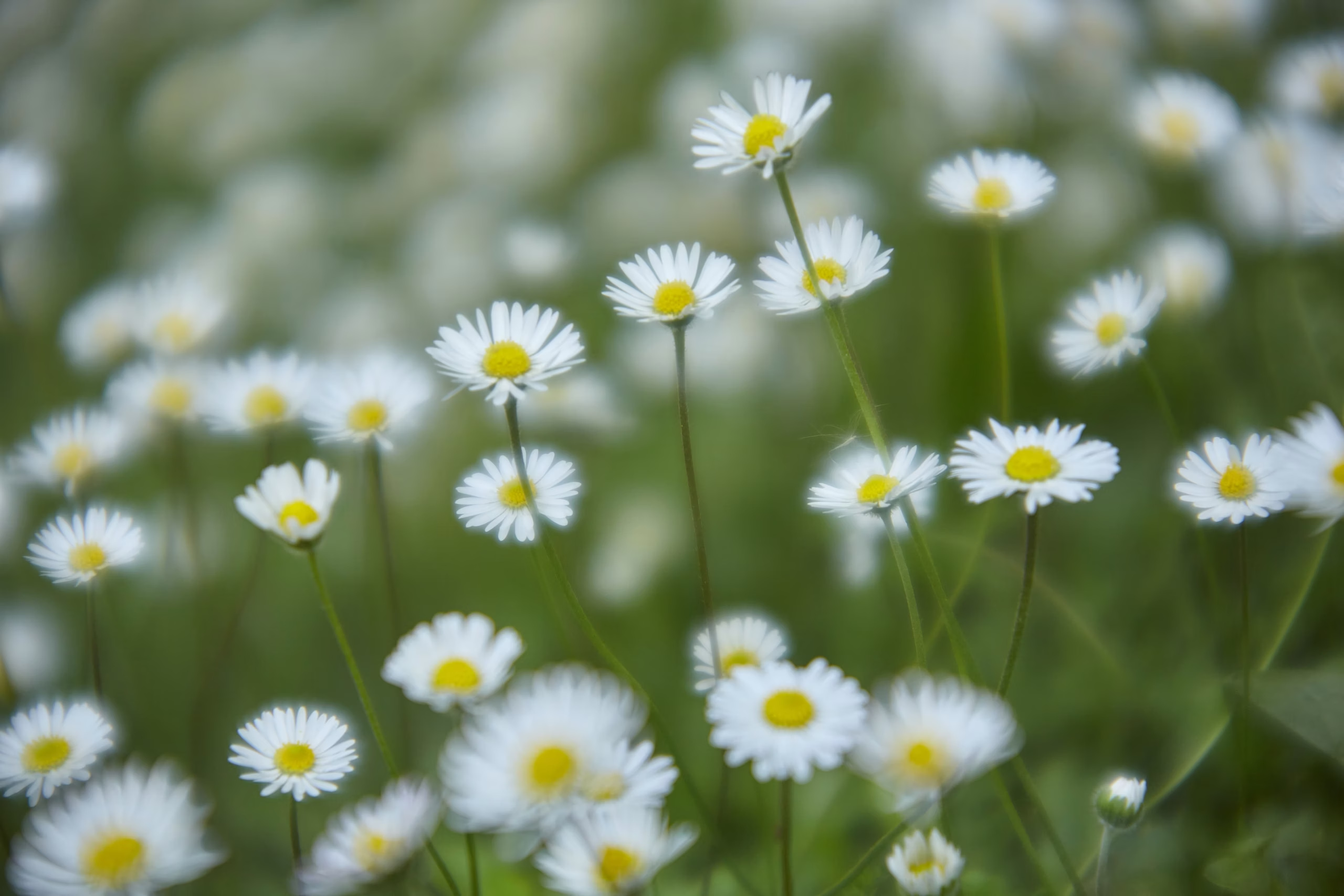
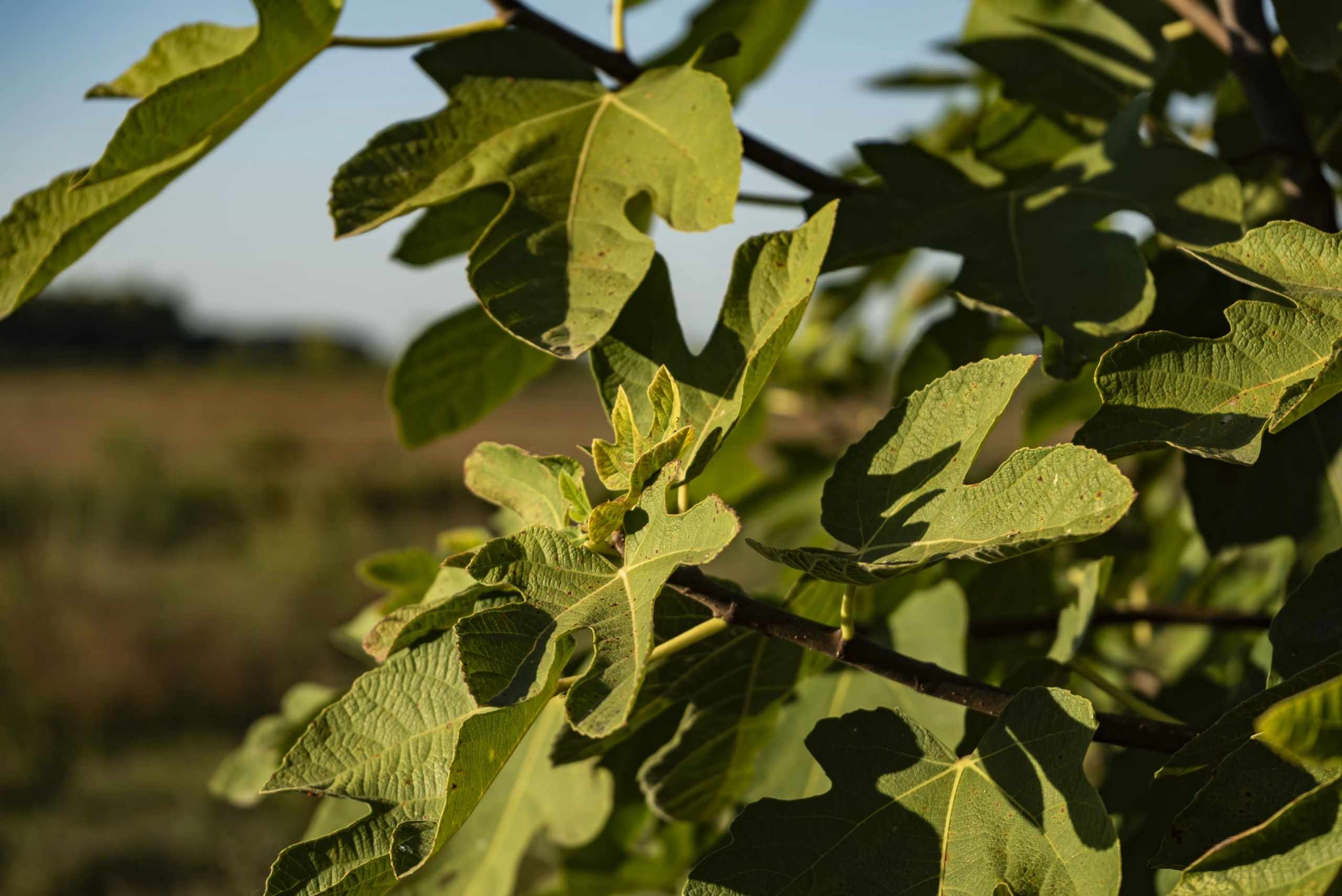
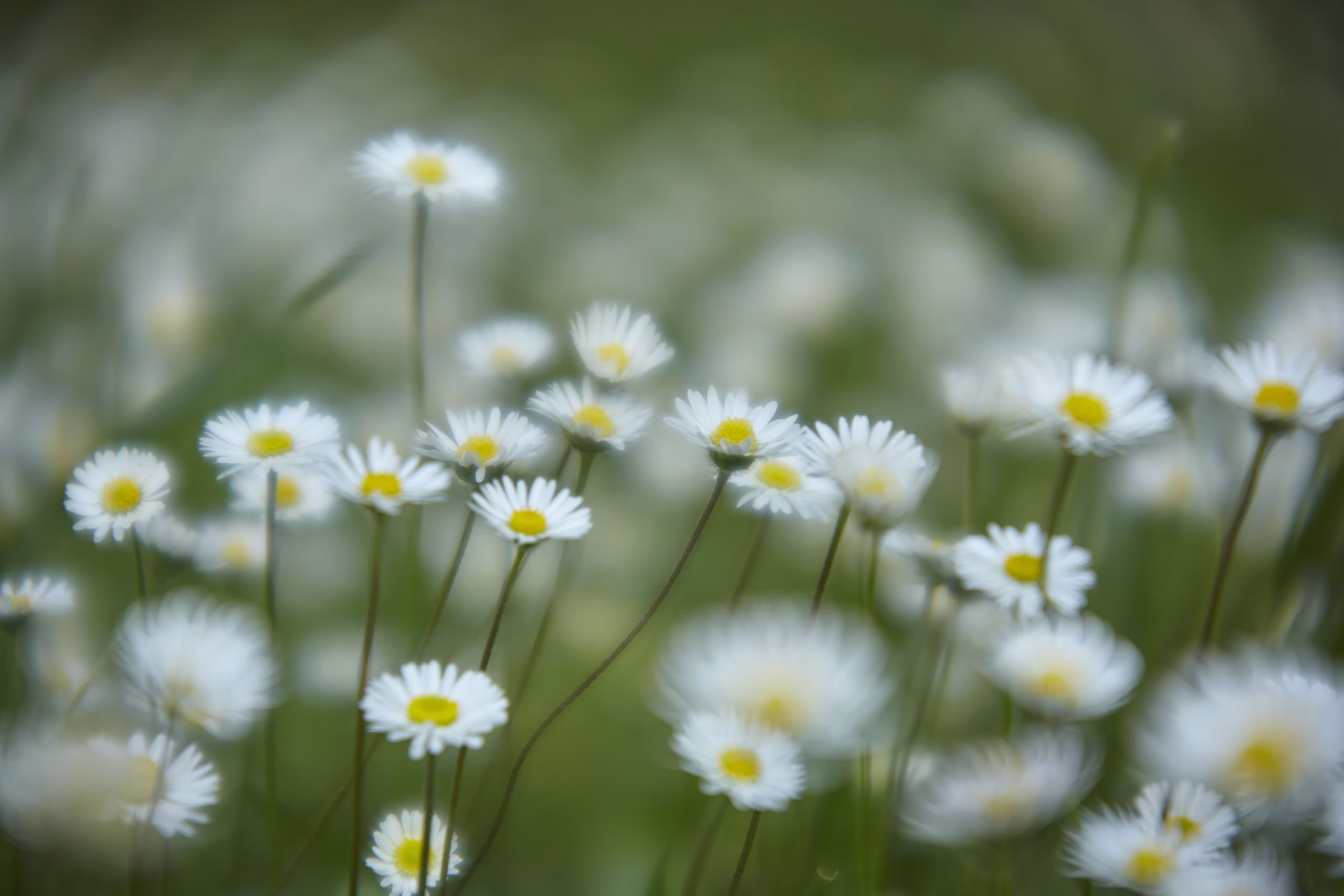
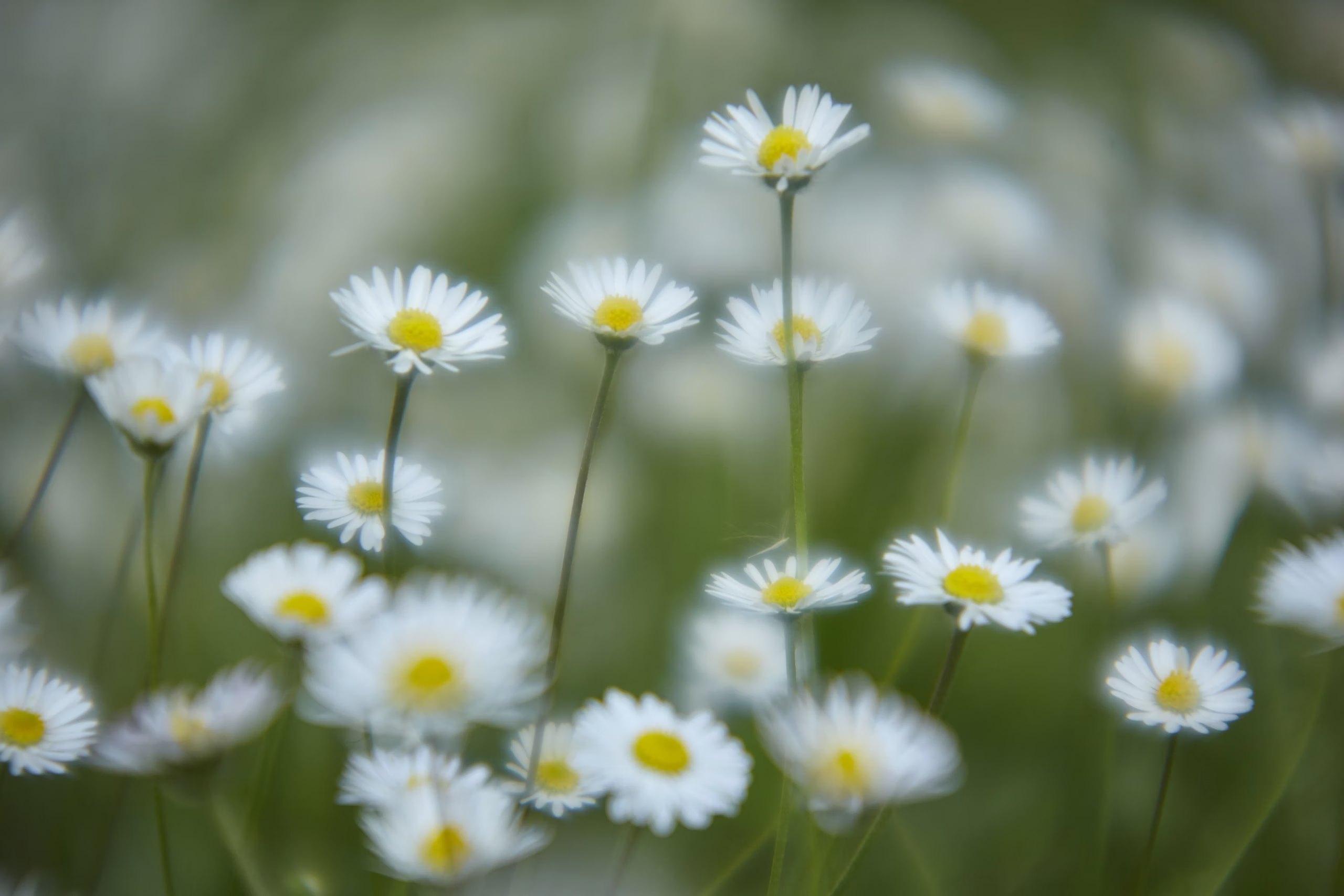
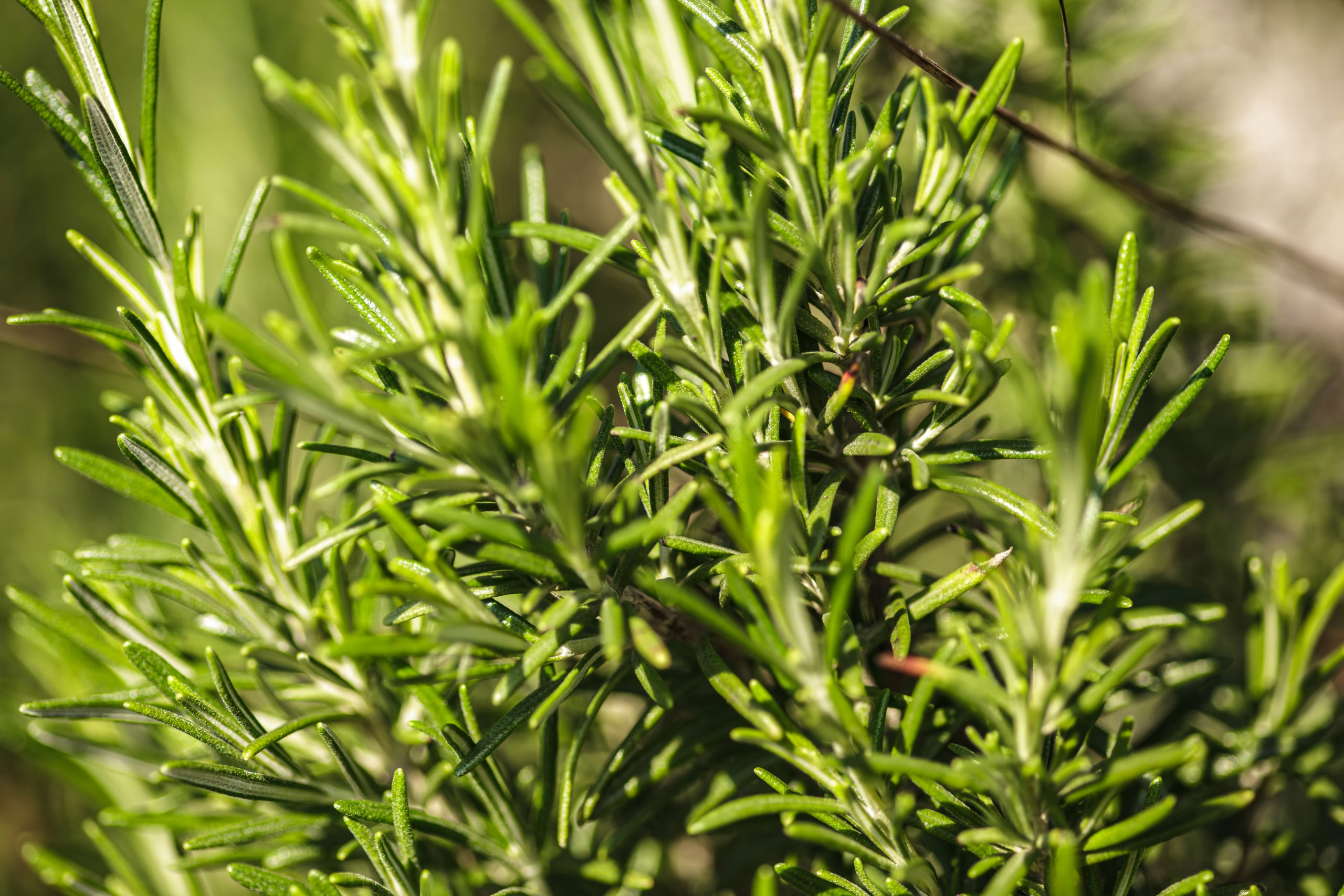
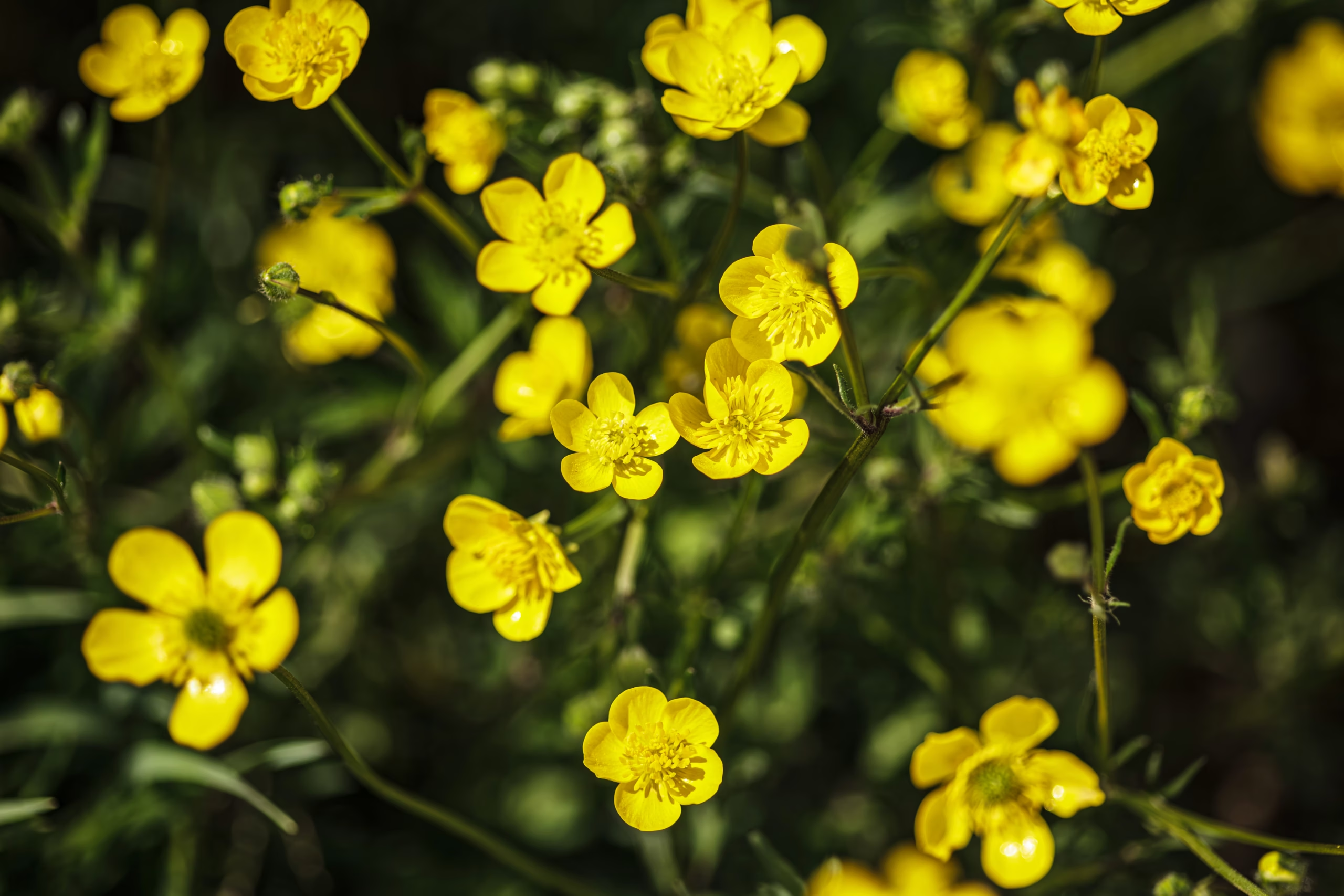
Wheat, corn, grapevines, figs, apples, garlic, rosemary. Daisies grow beside the roads, along with those small yellow flowers no one notices until a photograph separates them from the rest of the world.
Weeds grow especially well.
They are the true rulers of the plain. They ask no permission, require no funding, and appear to possess a better business plan than many human beings.
Everything grows.
Except, sometimes, the feeling that you can truly become what you desire.
There are enough acres for corn, but not always a single square yard for certain ambitions.
And so you begin looking elsewhere.
Toward the cities.
Toward travel.
Toward places where people seem actually to do things instead of merely talking about them over coffee while checking that no neighbor has parked badly in the meantime.
You imagine that elsewhere talent is more readily recognized, that opportunities wait on street corners, and that all you need is to show up with a camera, a few good ideas, and the necessary nerve.
Naturally, that is another lovely piece of bullshit.
Cities have more doors, certainly.
They also have more people ready to slam them in your face.
The point is that at least there are doors.
Here, sometimes, you first have to build the wall.
Then the door.
Then persuade someone that you have not gone completely mad for needing one.
For years, I blamed this land for many of the things I failed to do.
Perhaps some of the blame truly belongs to it.
The distance.
The scarcity of opportunity.
The lack of a creative environment, of contacts, of that constant friction among different ideas that forces an artist to grow instead of going on telling himself how good he would be if only someone gave him a chance.
But blaming the place you come from is also terribly convenient.
A place does not defend itself.
It does not interrupt you.
It does not present evidence to the contrary or publicly recall every time the possibility was there but you were afraid, tired, or preferred to wait for the perfect moment—that magnificent mythical creature inhabiting the same woods as unicorns and uncomplicated romantic relationships.
The truth probably lies somewhere in between.
This land took some roads away from me.
I avoided others.
Fine teamwork.
And yet the very emptiness I so often despised trained my eye.
When nothing happens, you learn to look more closely.
When the landscape does not serve you a constant spectacle, you begin to notice the slightest variations.
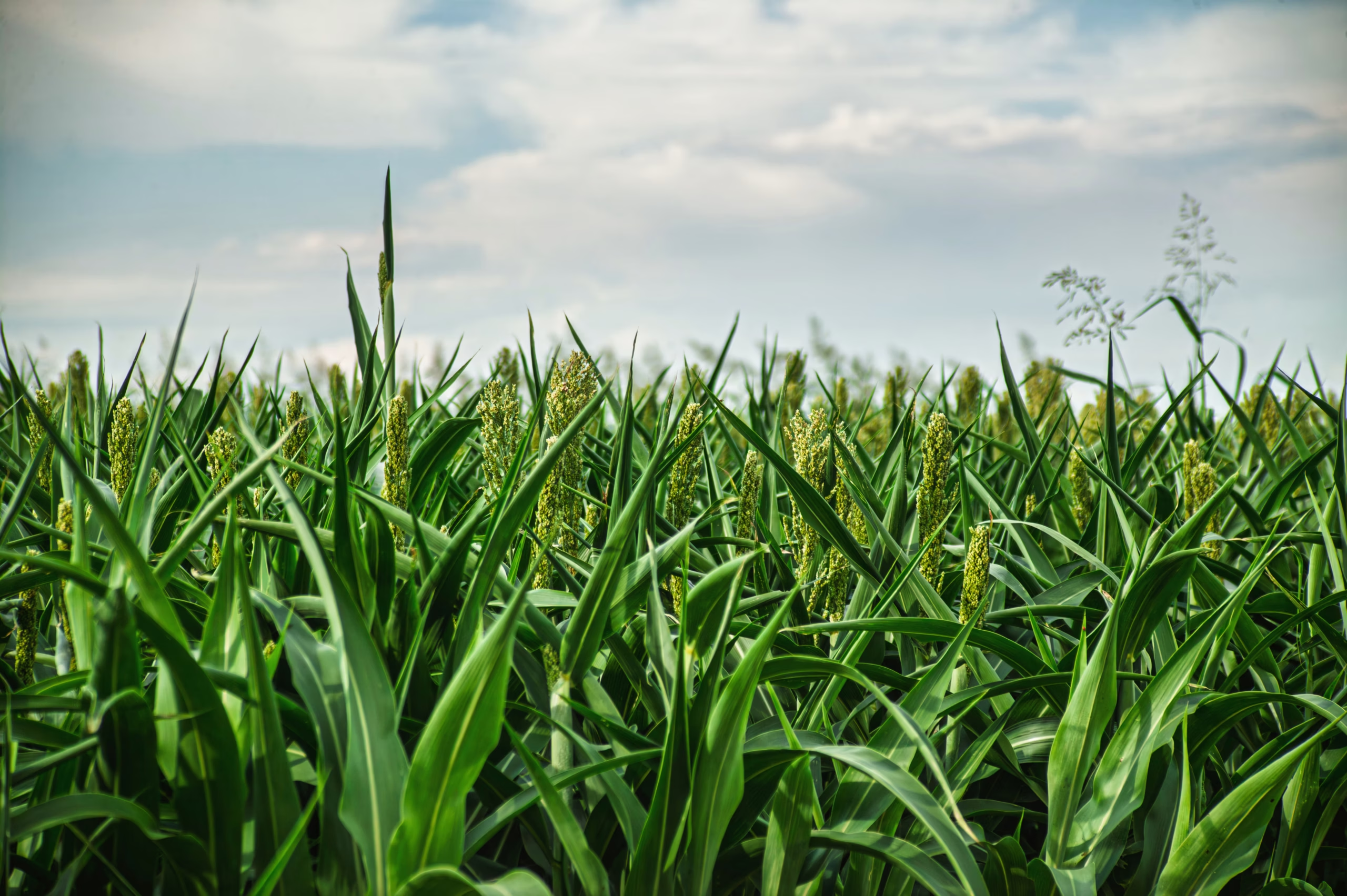
The wind moving through the wheat.
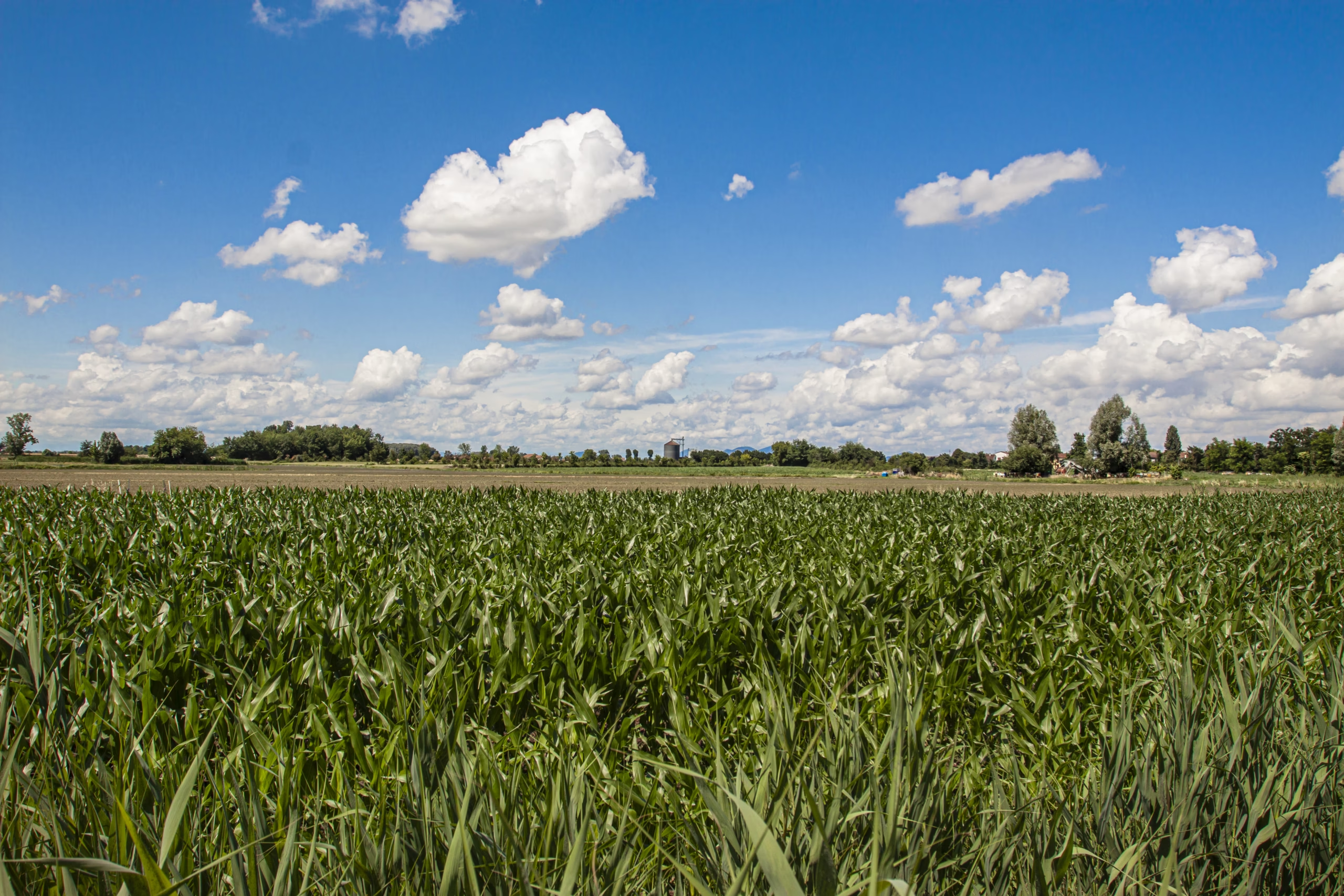
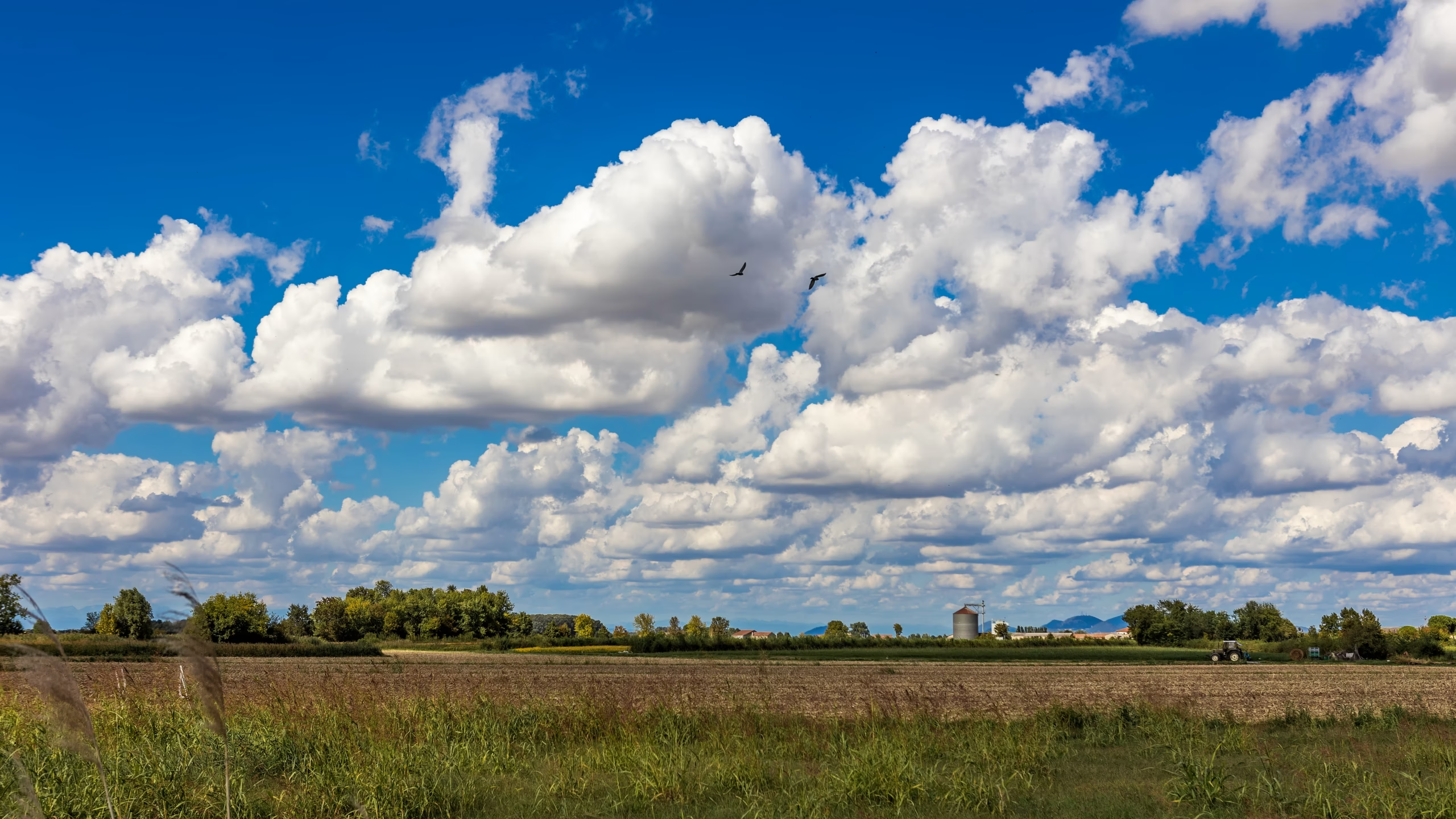
Enormous clouds above a line of earth that does not even try to compete with them.
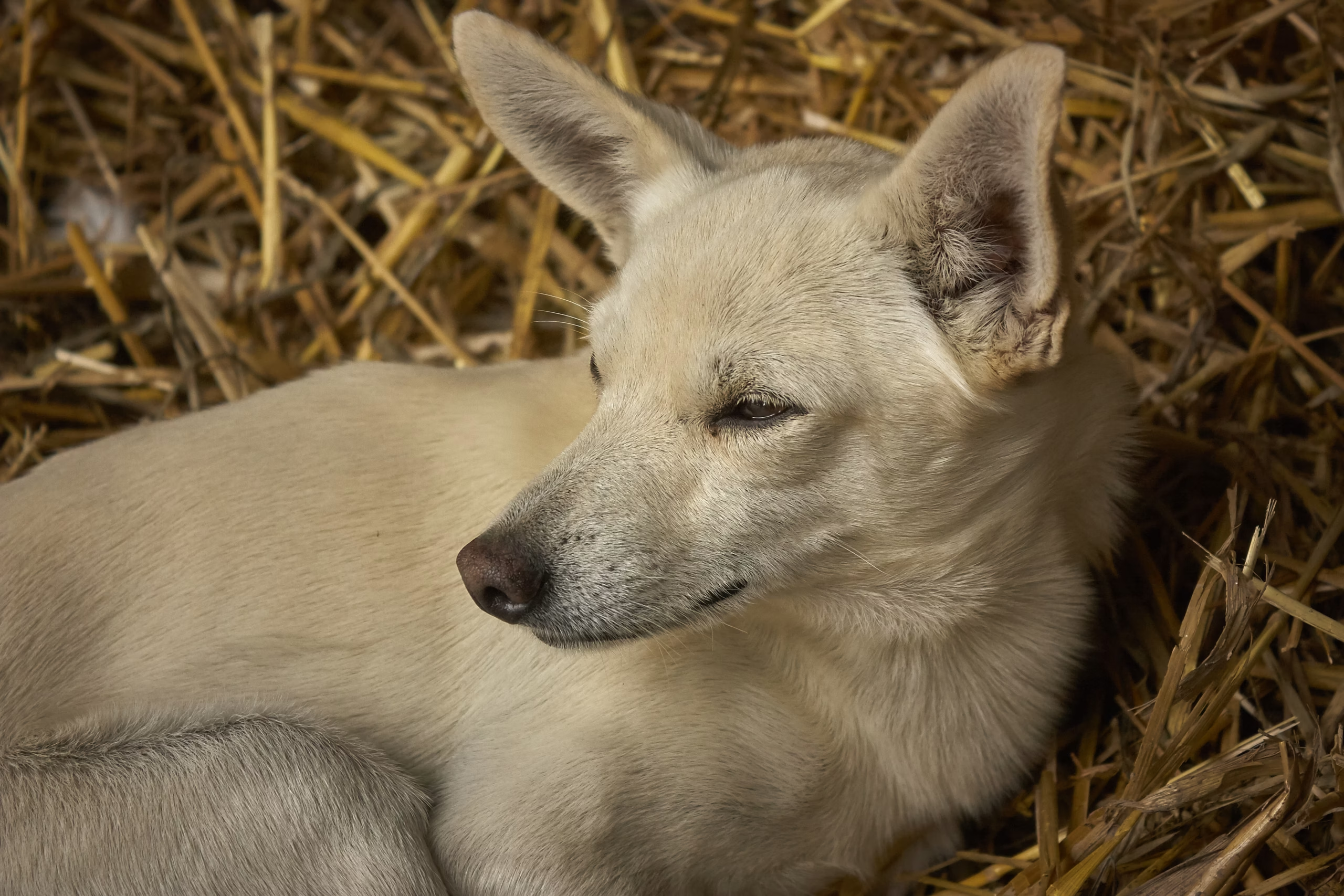
Light on the coat of a dog lying in the straw.
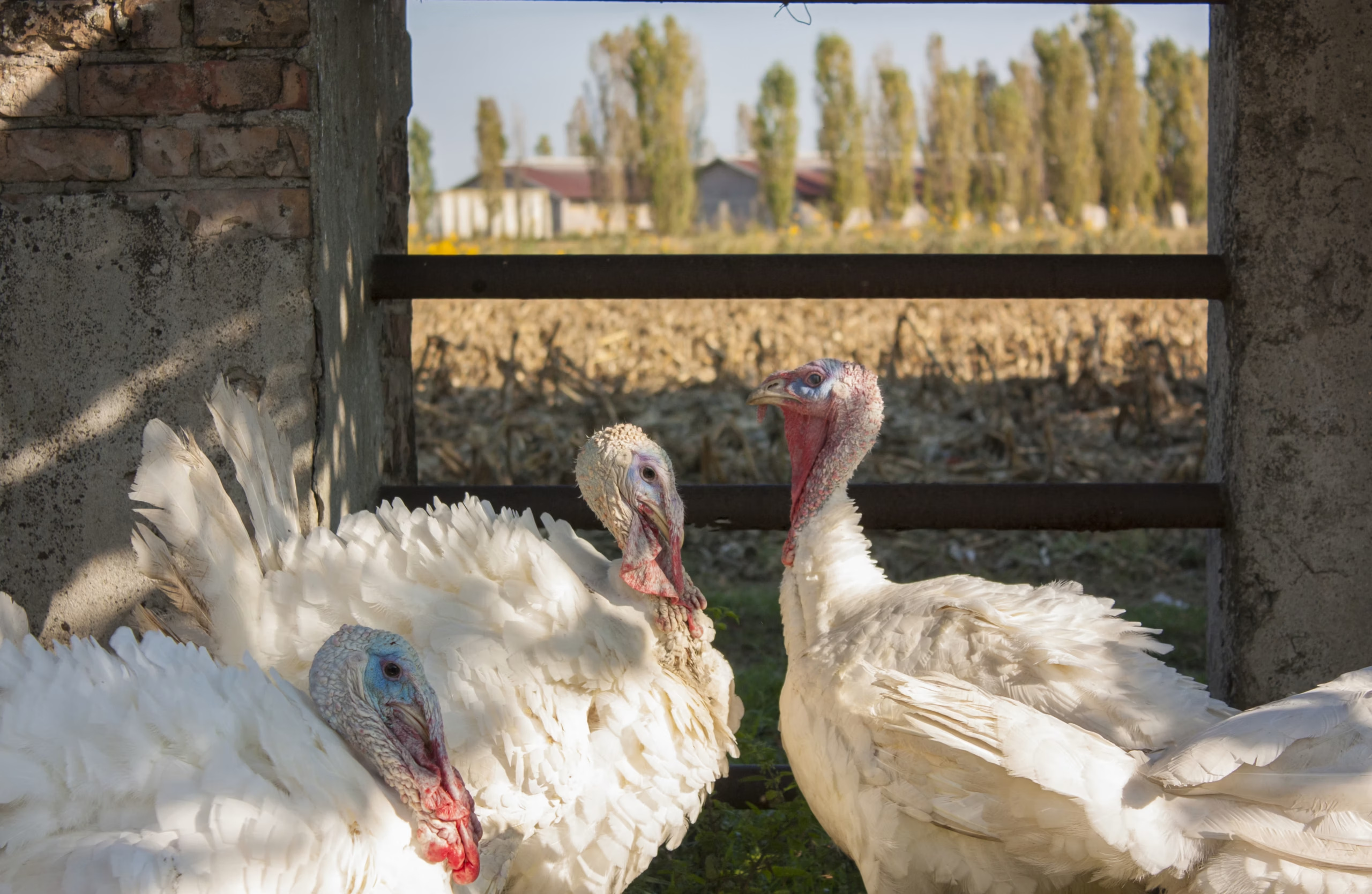
The soiled feathers of a turkey.
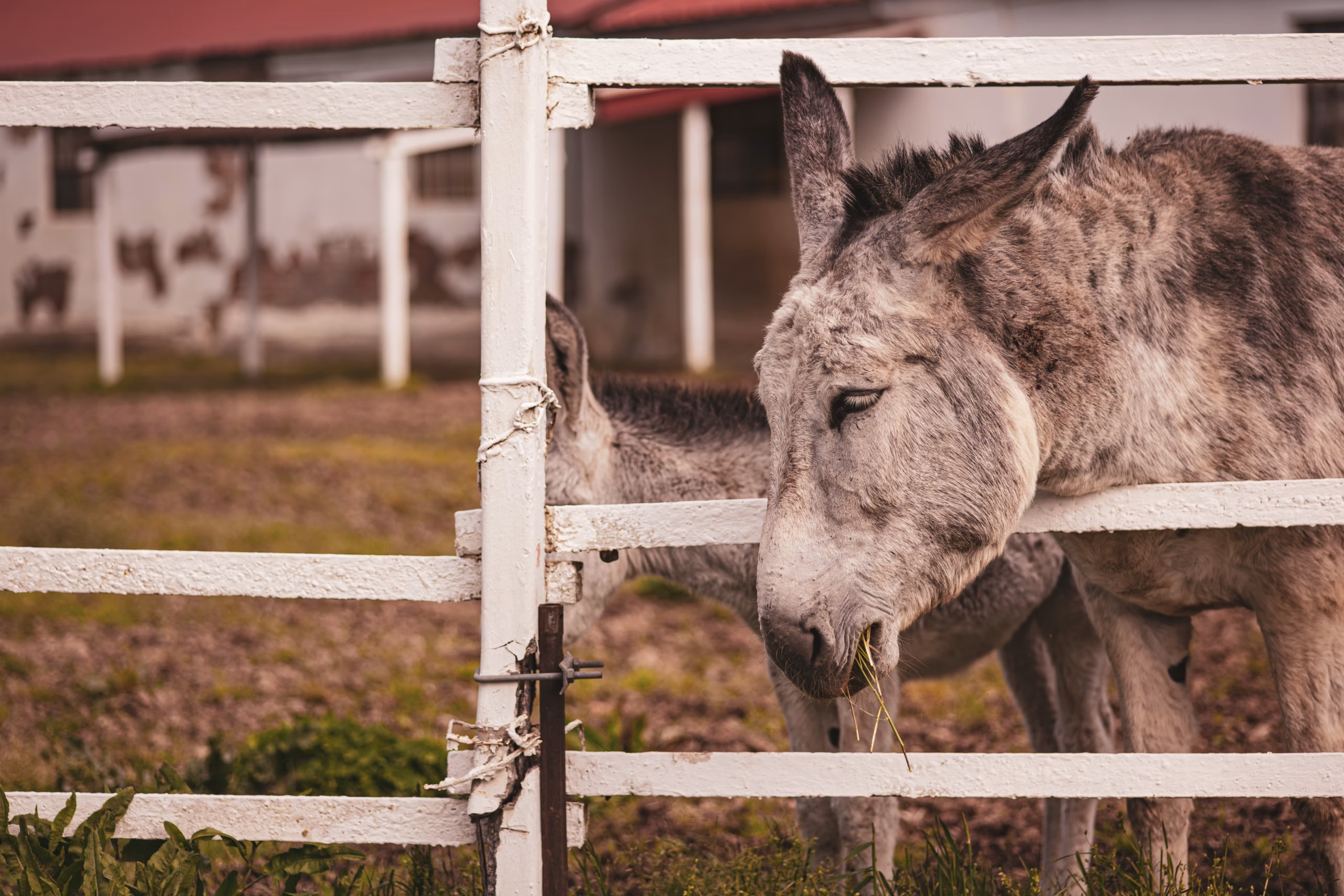
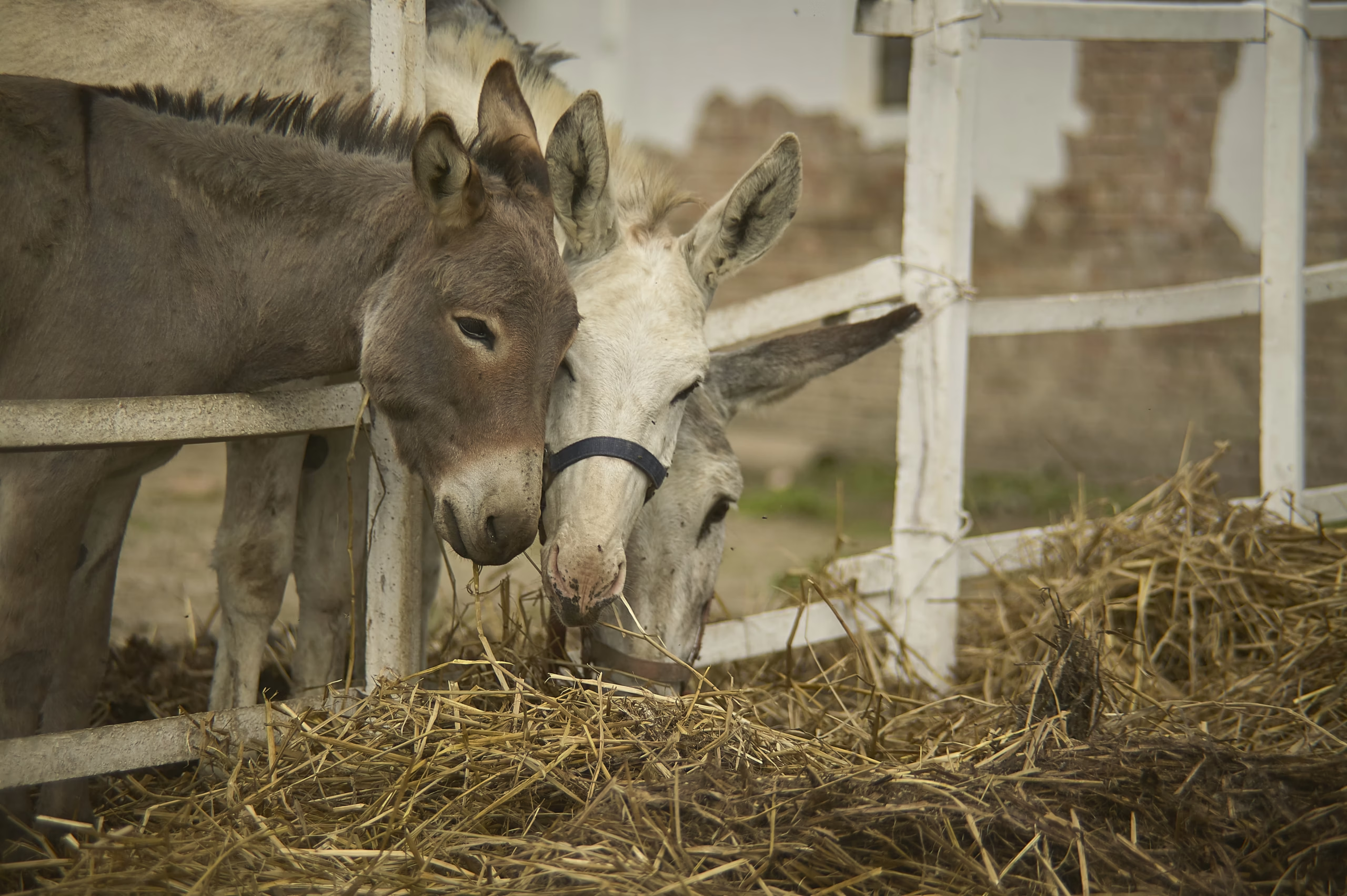
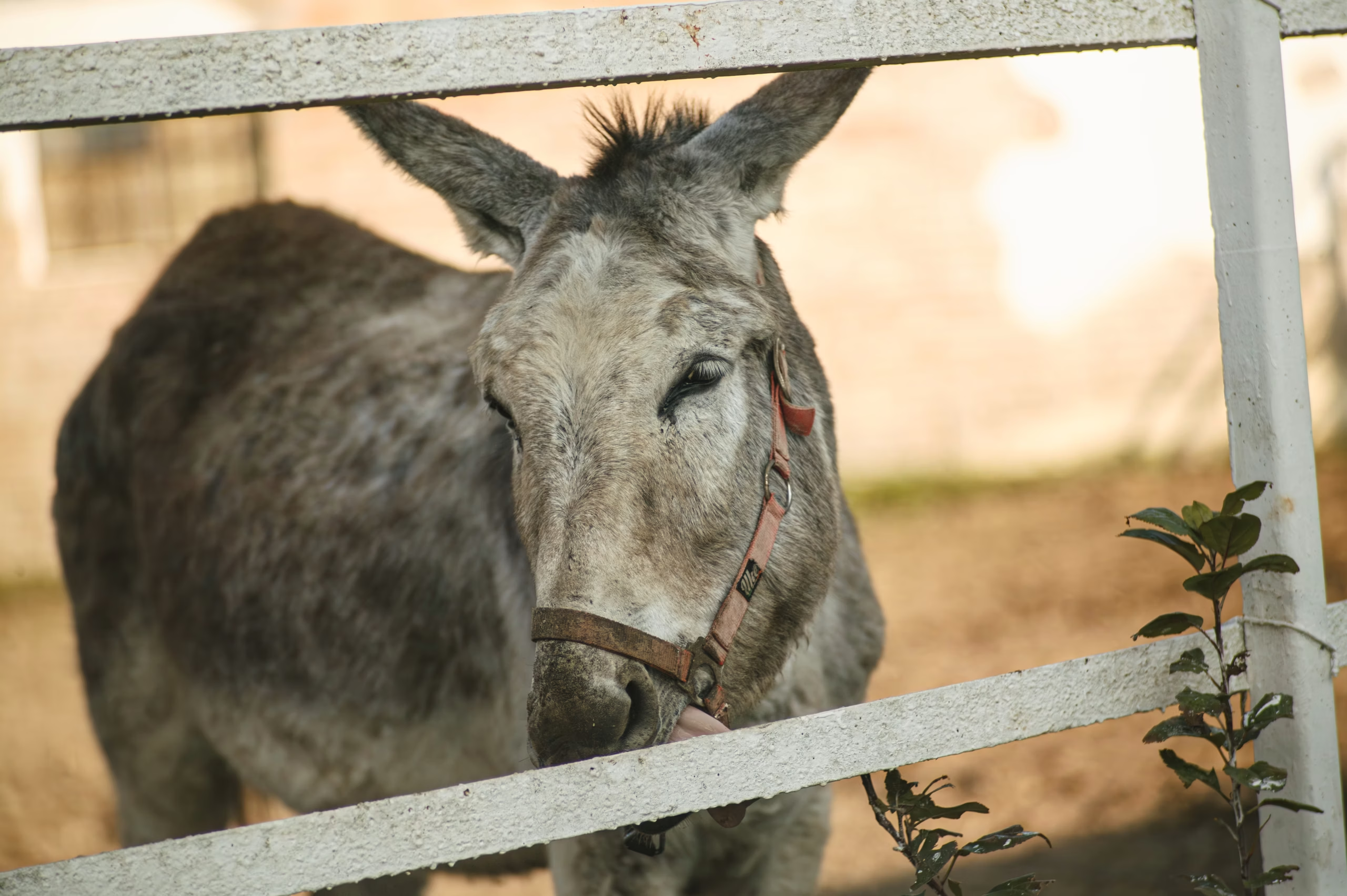
The weary muzzle of a donkey behind a fence.
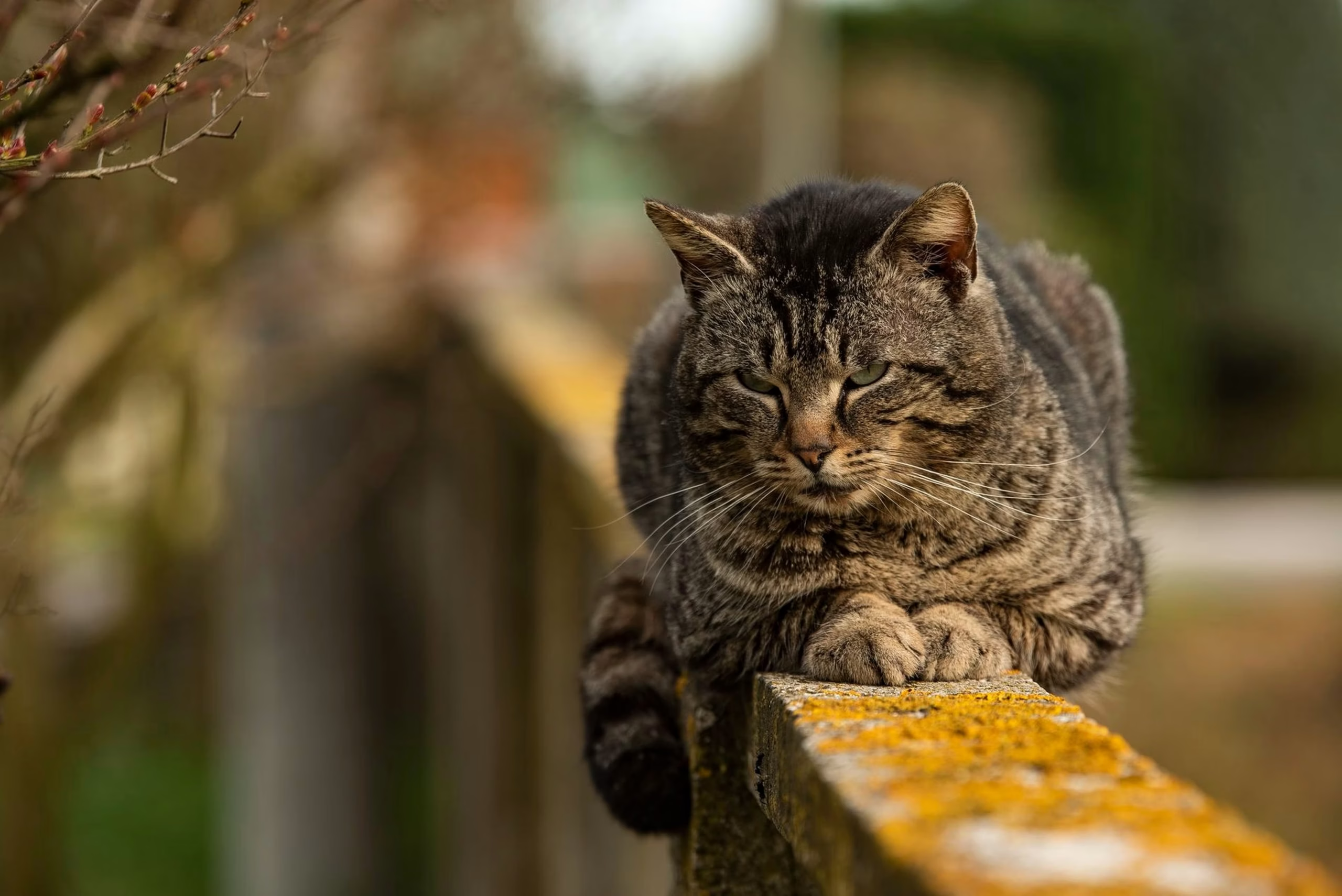
A cat leaning against a wall with the expression of someone who owns the house, the street, and probably a fair portion of the municipality as well.
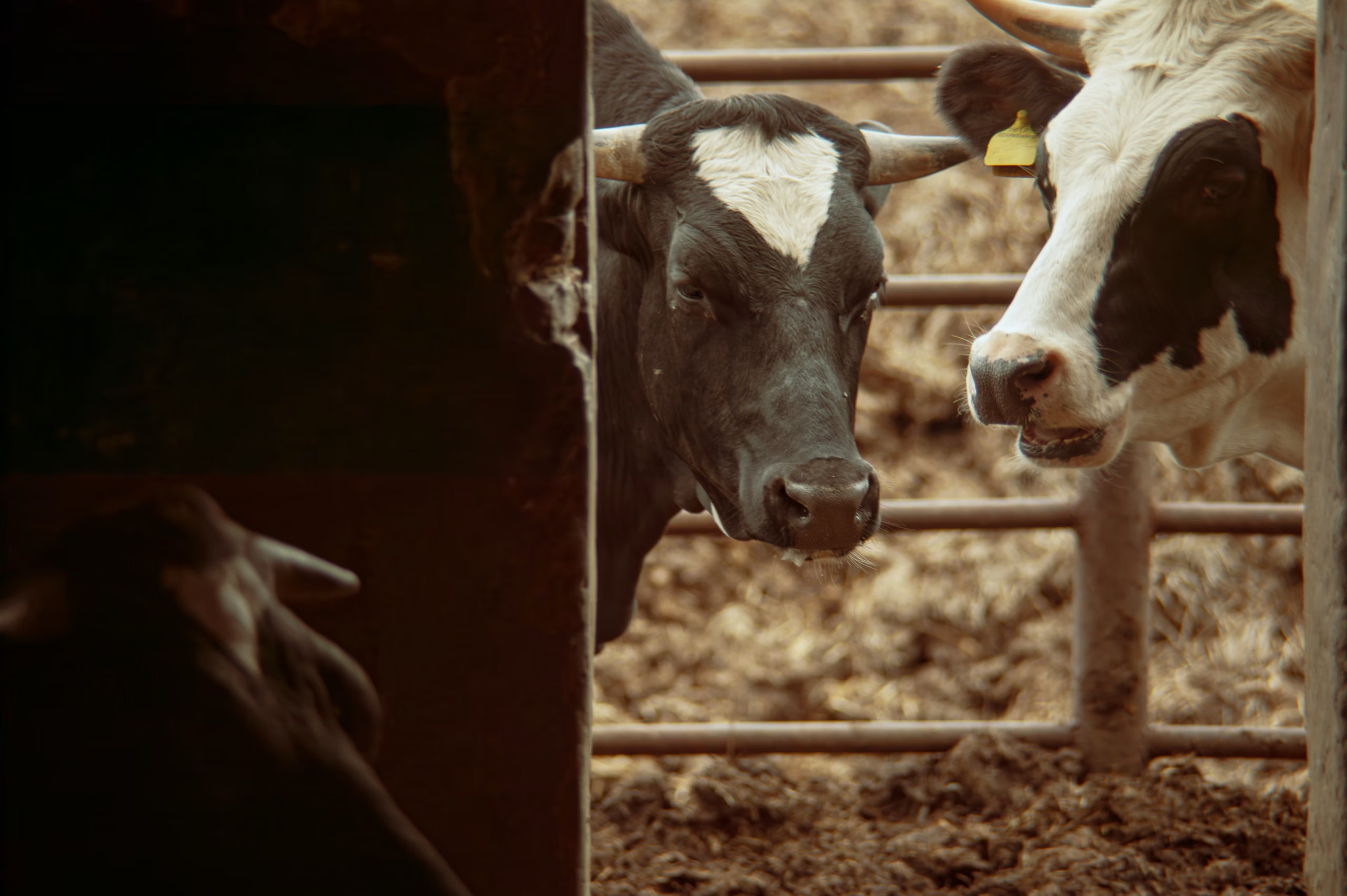
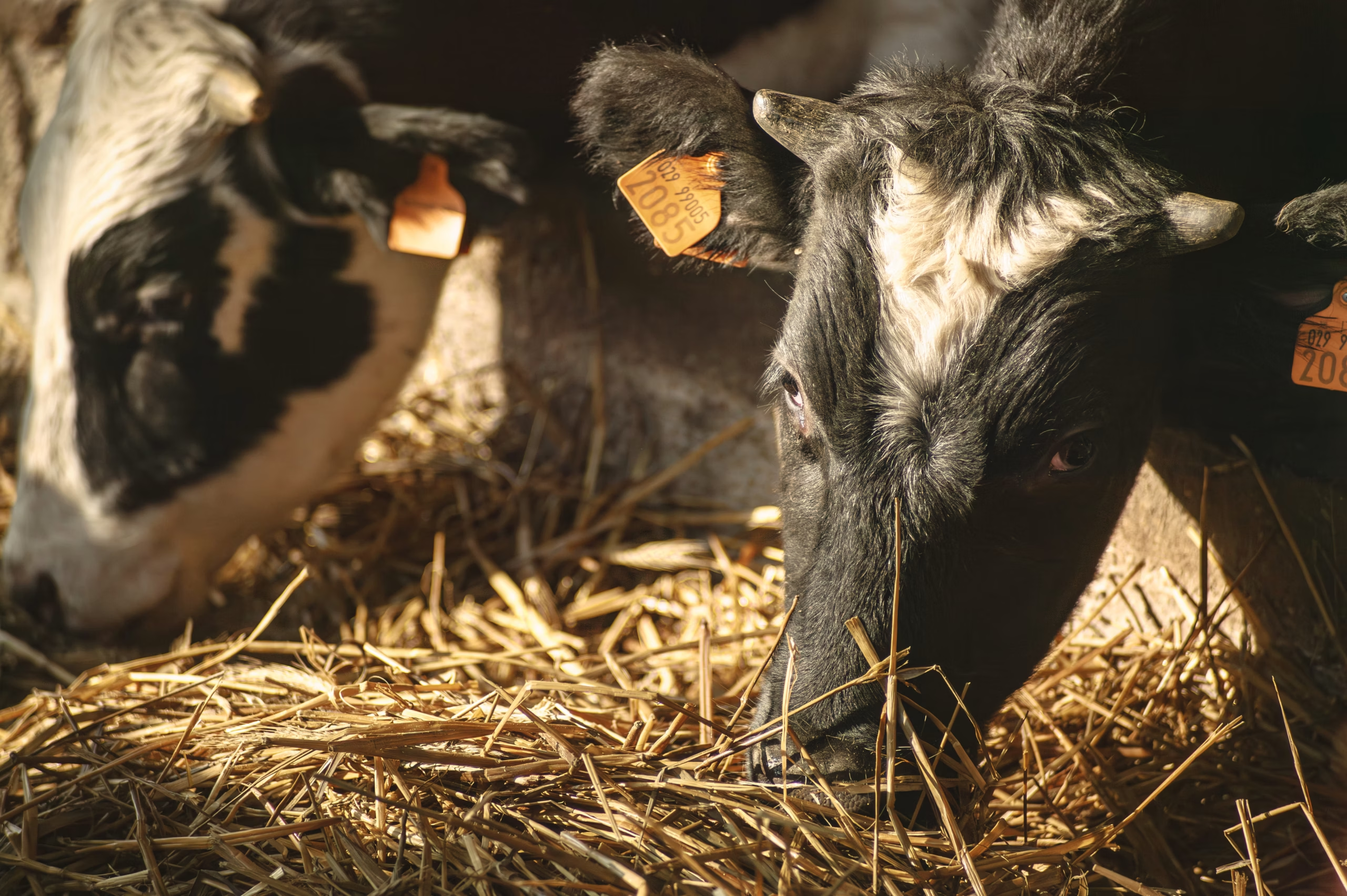
Cows looking into the lens with the wary calm of creatures who cannot understand why humans complicate a life that might be devoted almost entirely to eating and staring into space.
Details become events.
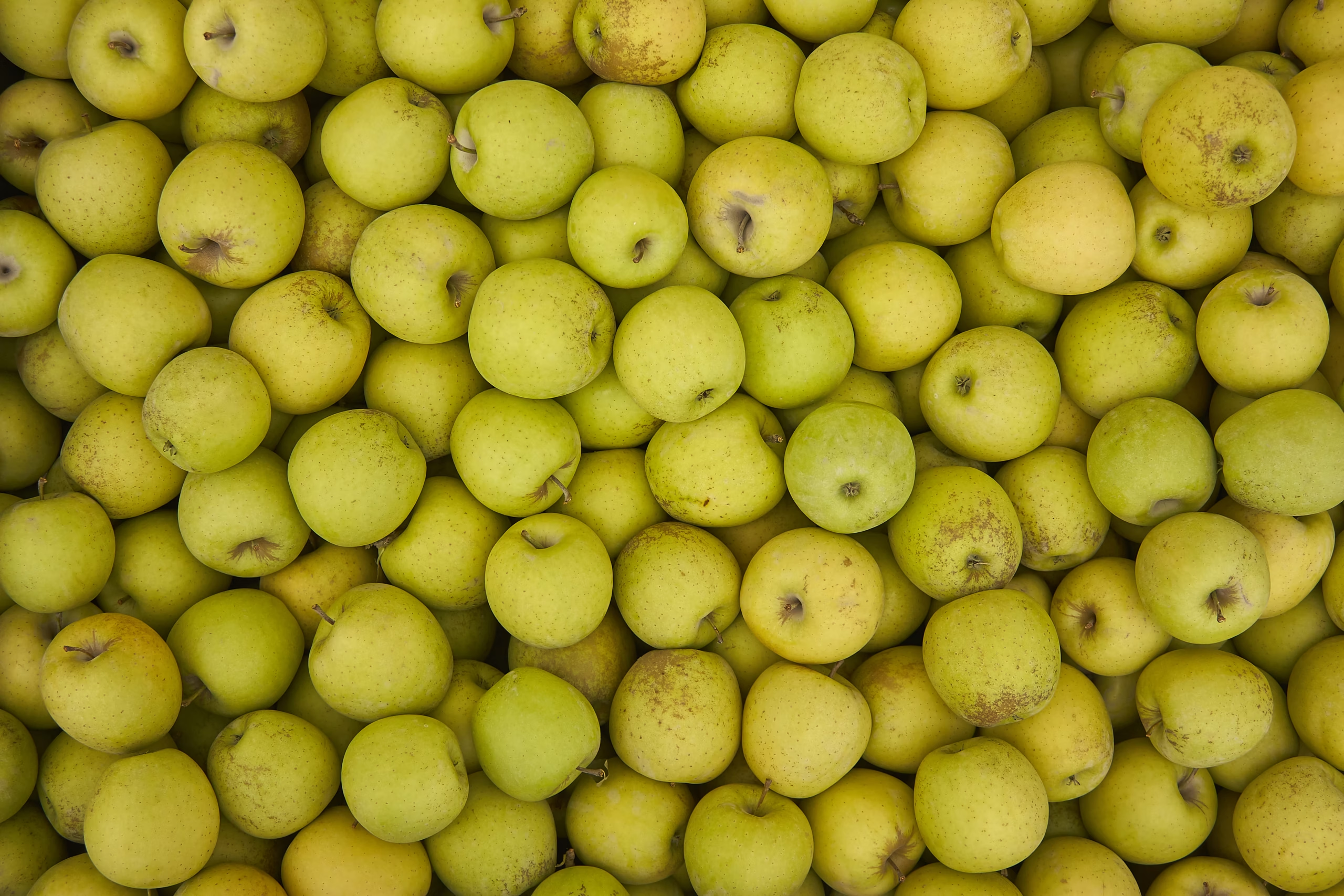
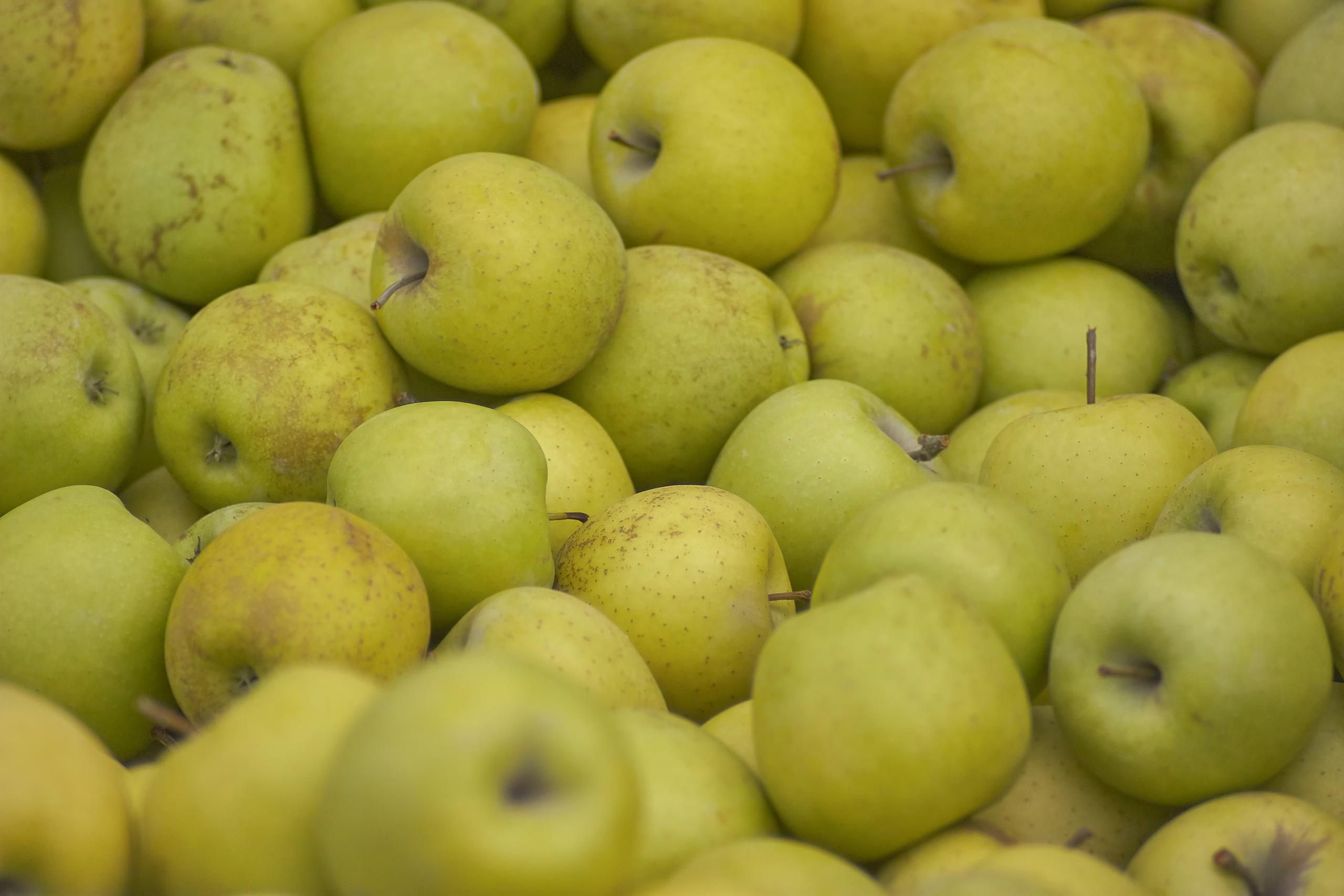
An apple is not merely an apple.
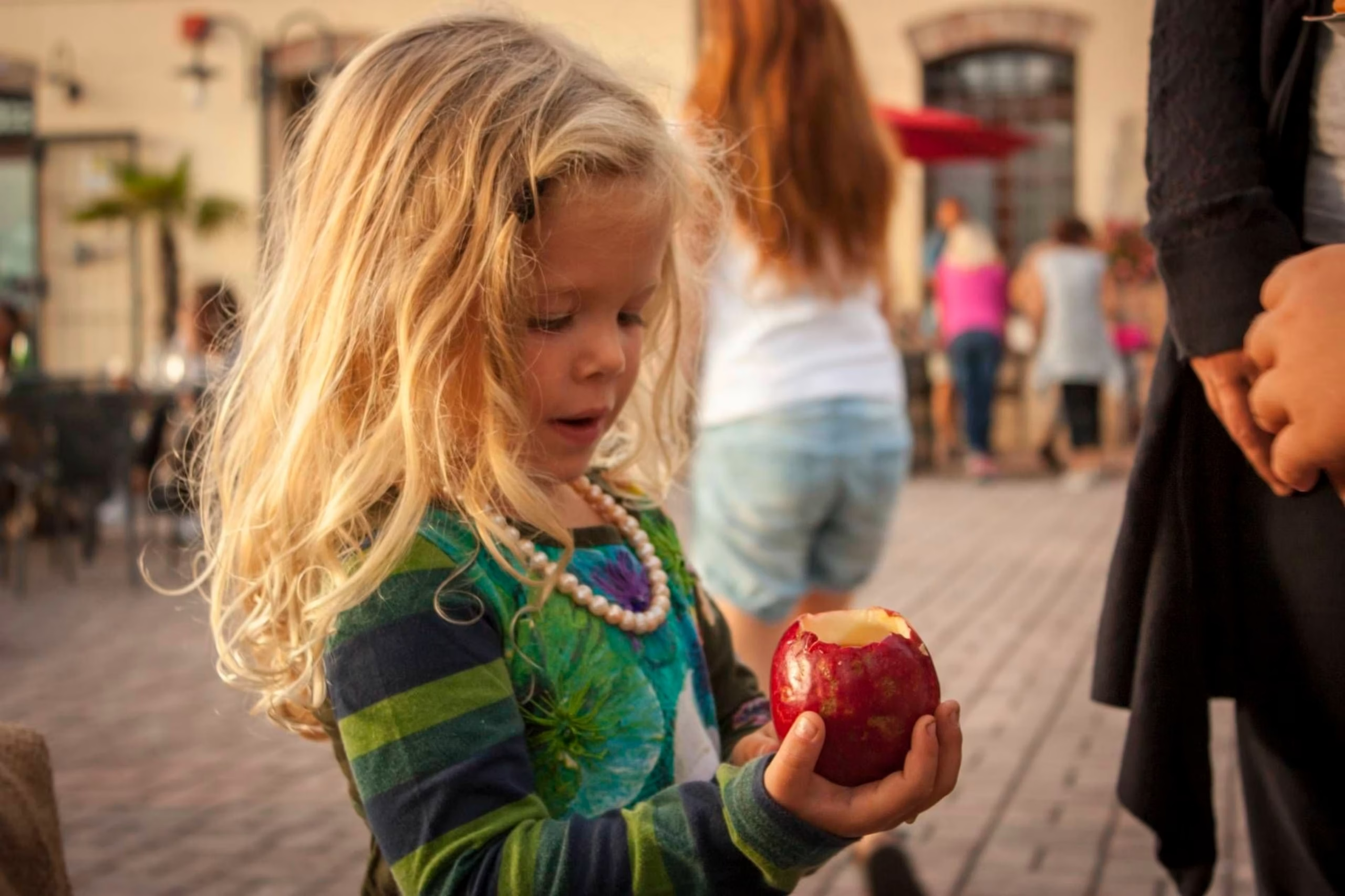
It is color inside a crate, the sign of autumn, the sound of fruit knocking together, a little girl holding it in her hands and studying it as though she has just discovered something adults forgot years ago.
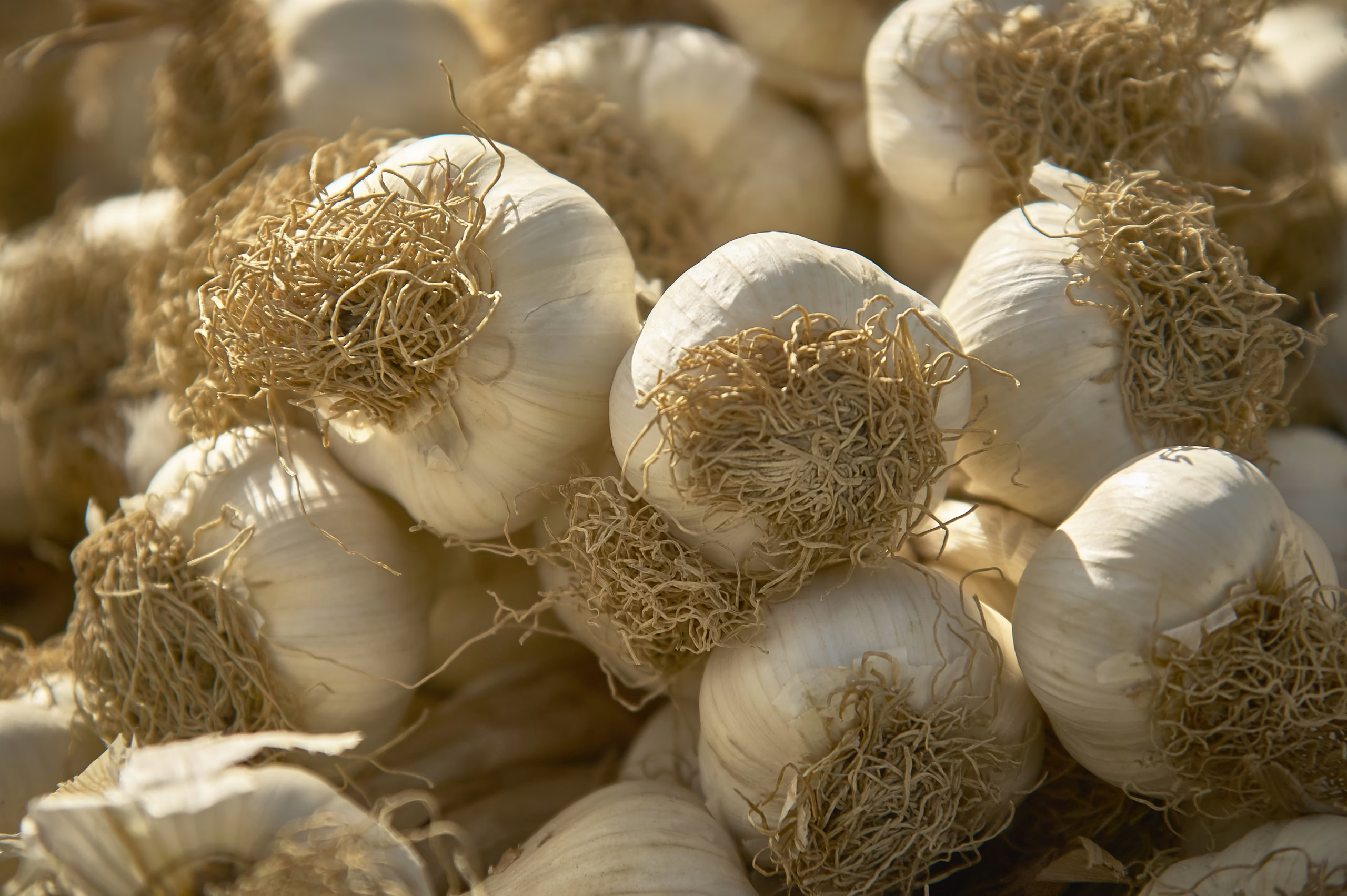
Garlic is not an ingredient.
It is soil still clinging to the roots. It is the smell that follows you into the kitchen, onto your hands, inside certain houses. A scent capable of carrying you back faster than any car.
Rosemary, figs, lilies, ears of wheat, and dandelions are not a botanical catalog.
They are the visual vocabulary through which I learned to read the place where I lived.
Even before I knew photography, I was already looking.
I did not know it.
A child does not think: this side light on the leaves possesses an extraordinary cinematic quality.
A child stops.
That is all.
He crouches down.
Touches.
Watches an insect, a blade of grass, a snail that takes half a day to cross a hand and still seems far less behind schedule than we do.
It is the snails, in one of these images, that perhaps tell the story of time in these places best.
An adult hand gathers them.
A child watches them.
No one is in a hurry.
The snail, I imagine, least of all.
Time has always carried a different weight here.
There is a photograph in which a weathered hand, its nails dark with earth, holds an old pocket watch.
The image is almost too perfect in its audacity.
Time in the hand of someone who has labored.
Hours measured by fingers that need no app to know when the day began and when it is time to stop.
Naturally, I do not intend to turn all this into the usual legend of farm life as pure, wise, and unspoiled.
Let us spare ourselves the postcard.
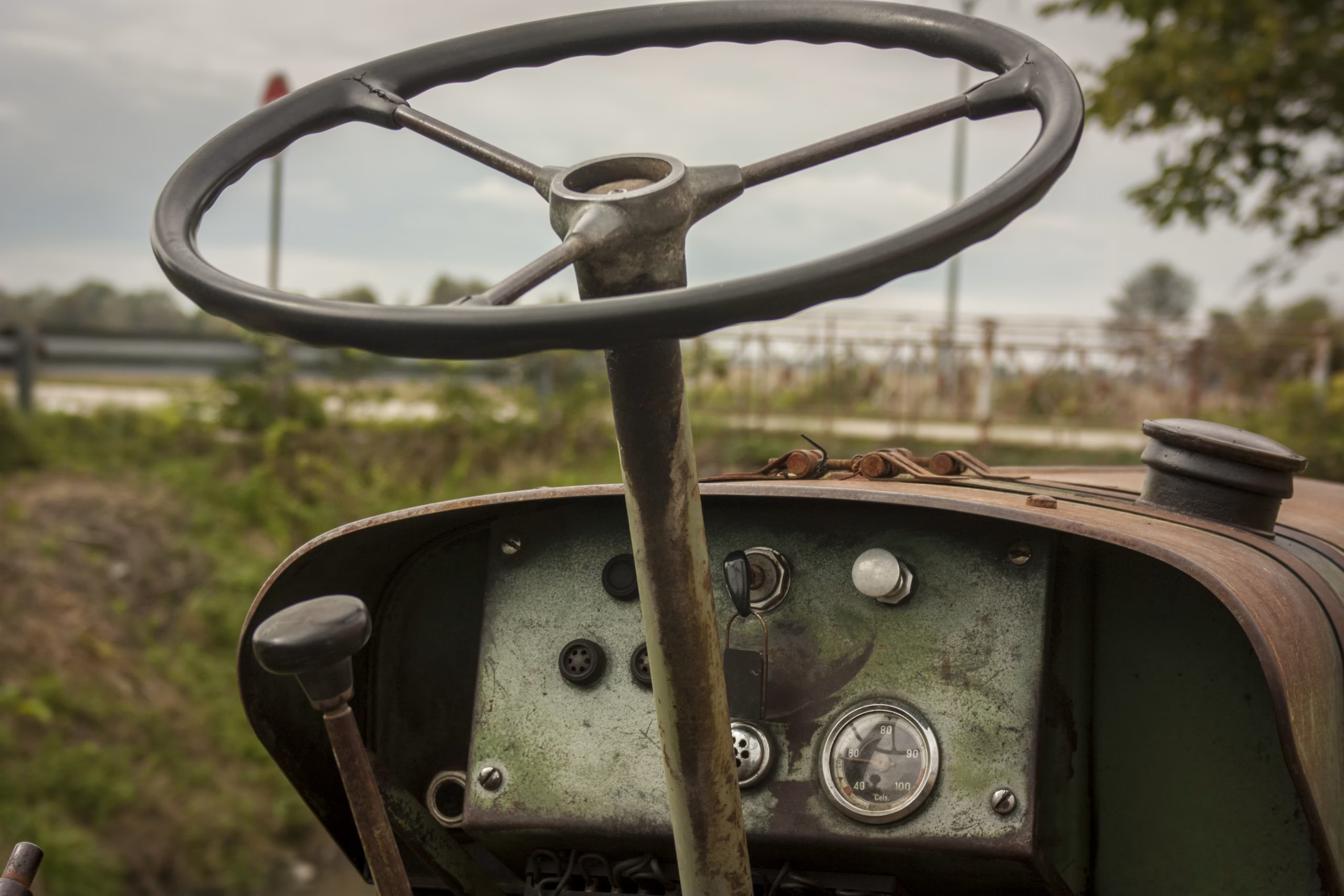
The countryside has never been a spiritual wellness retreat with vintage tractors.
The land is toil.
It is cold, heat, mud, a bent back, failed harvests, sick animals, and days that respect neither Saturdays, Sundays, nor existential crises.
Simplicity, seen from a distance, is wonderfully poetic.
Seen at five in the morning, with cracked hands and a day identical to the one before it, it loses some of its editorial appeal.
I do not want to tell the story of agriculture.
These photographs do not do so.
They are neither reportage on labor in the fields nor a record of a vanished world.
They are visual memories.
Small things upon which my gaze came to rest because they contained something I recognized.
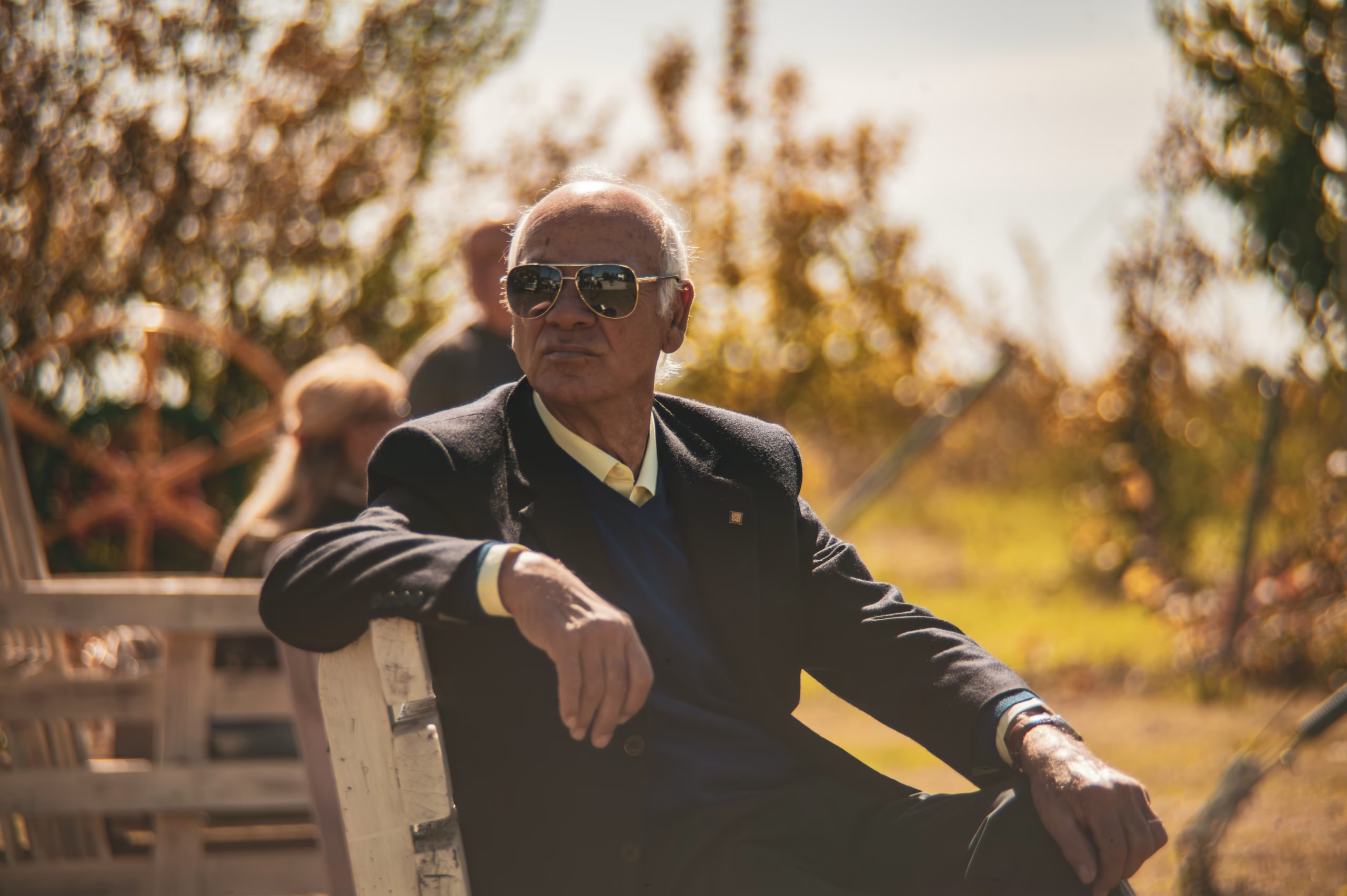
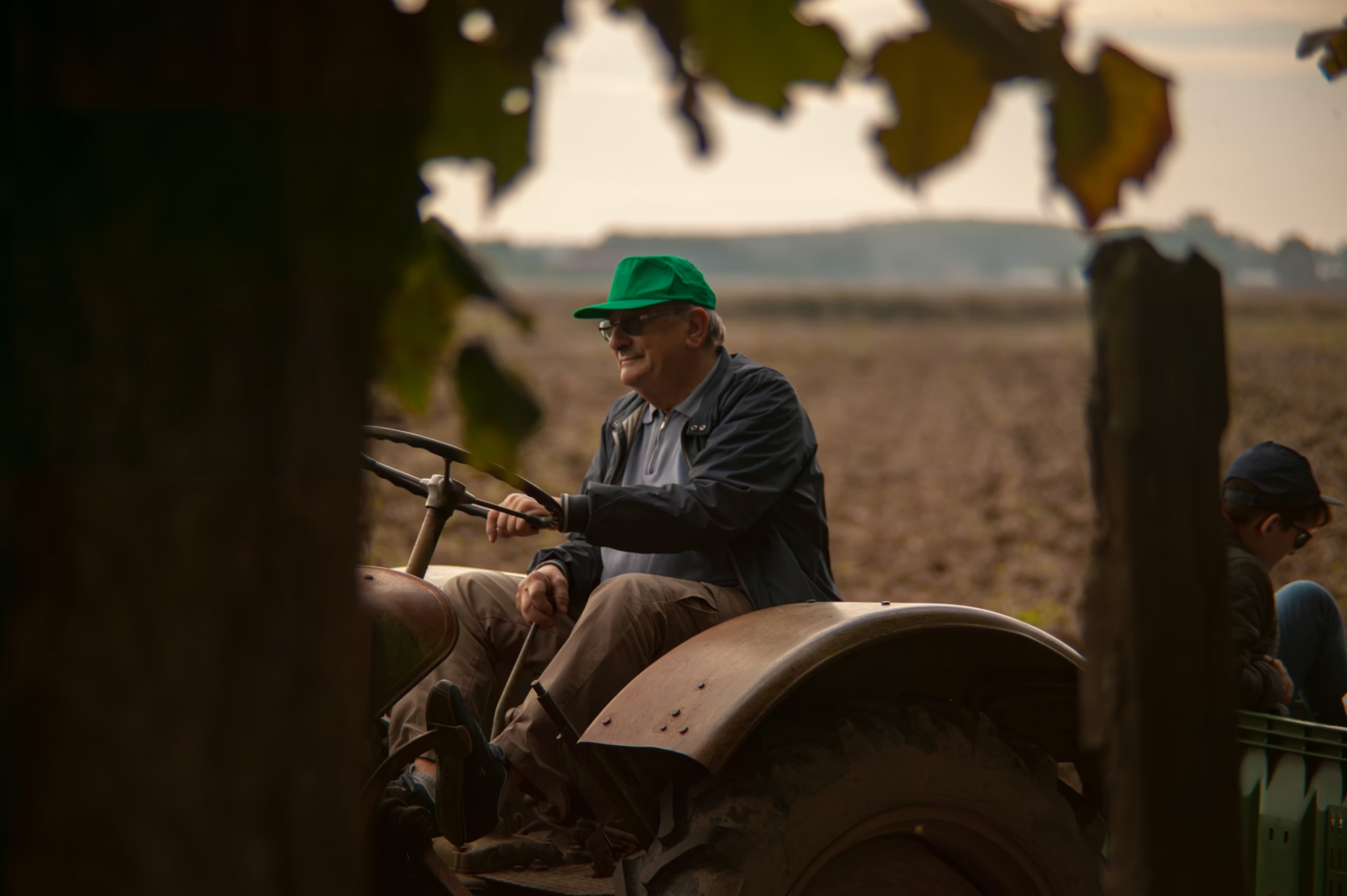
An elderly man sitting outdoors, elegant, dark glasses on, one hand resting with the calm of someone who has no intention of getting up merely because the modern world has grown impatient.
An old tractor carrying people along a country road.
A worn steering wheel.
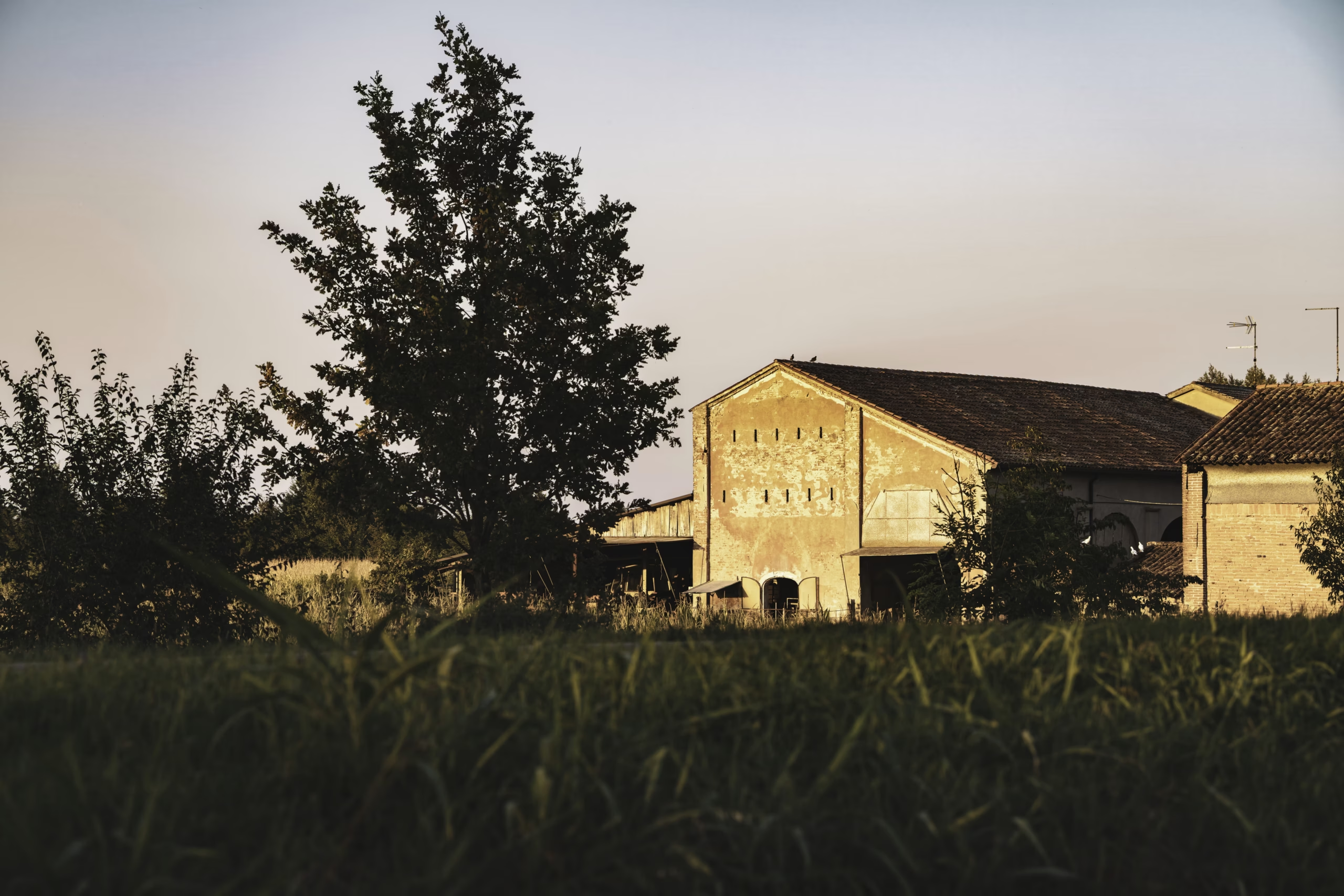
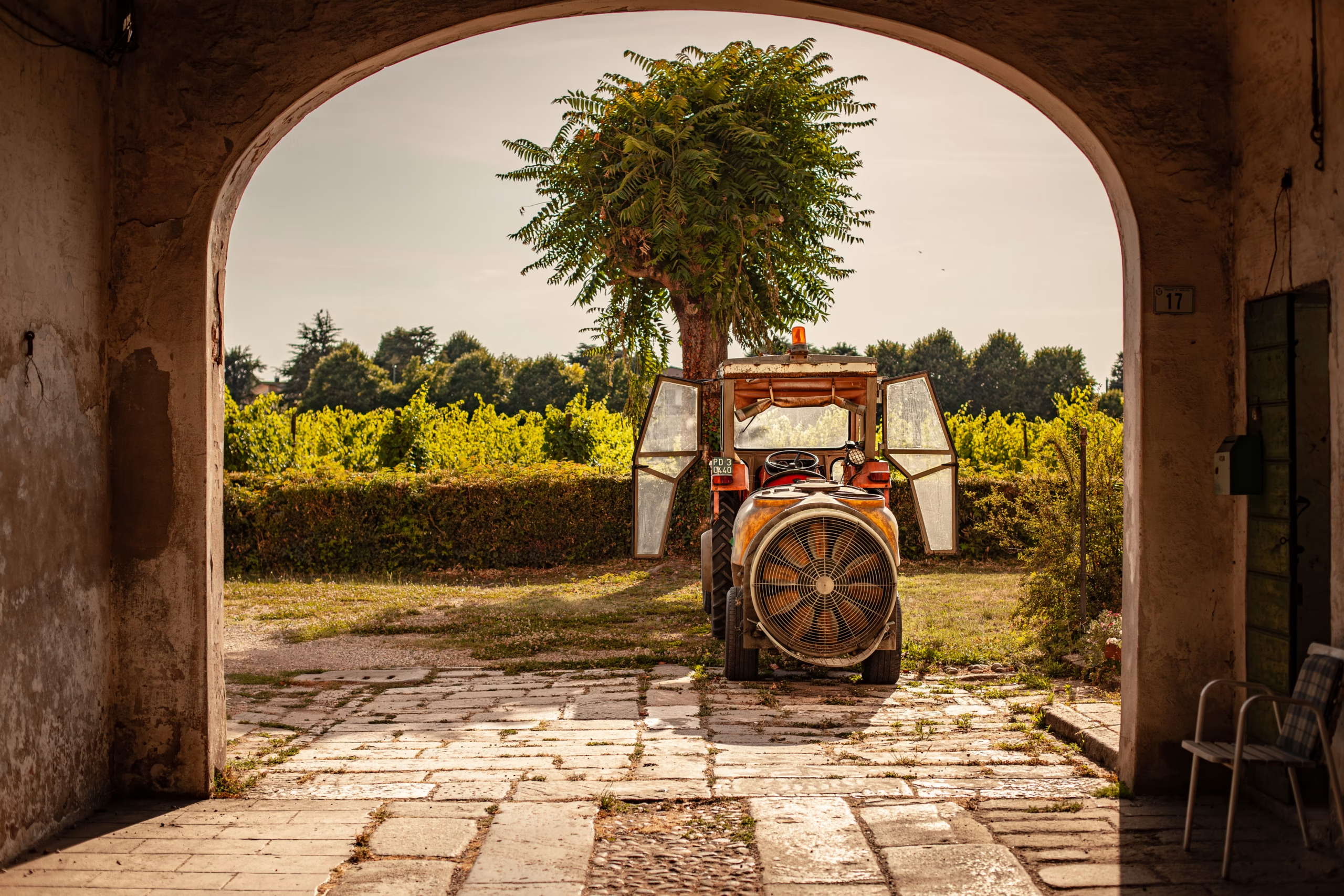
A piece of farm machinery parked beneath an arch, perfectly centered, like a mechanical deity for whom someone has finally built an appropriate temple.
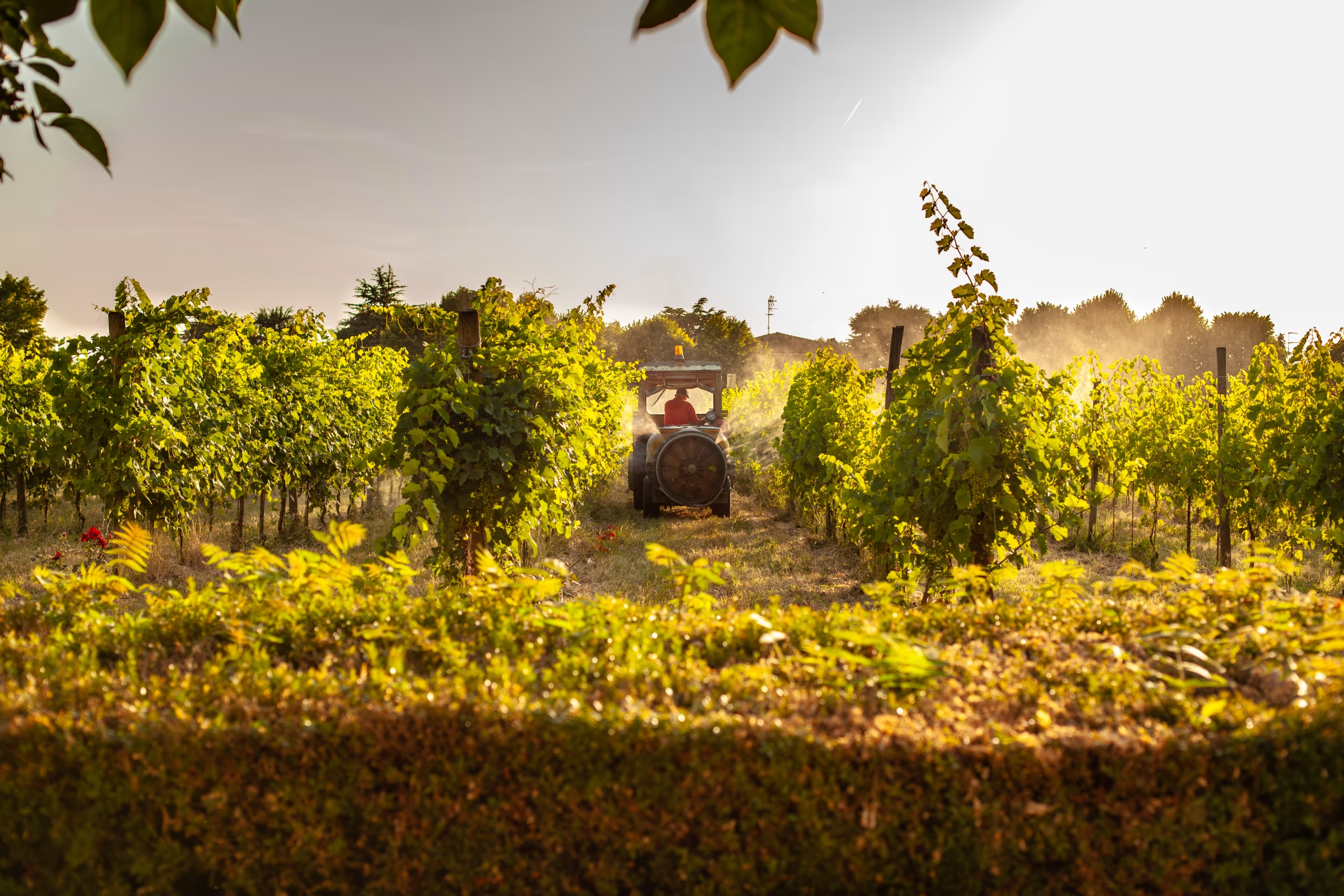
Another tractor among the rows, devoured by the afternoon light.
These machines have something animal about them.
They snort, tremble, leave the smell of diesel behind them, and possess a functional ugliness that eventually becomes beautiful.
They do not try to please.
They serve a purpose.
Perhaps that, too, is something these places taught me: a certain distrust of whatever exists solely to be seen.
Here, things have to do something.
A tree must provide shade or fruit.
A dog must stand guard, though many appear to have negotiated significantly more comfortable terms of employment.
A tractor must work.
A chair must support someone.
And a person, for better or worse, is more readily judged by what he does than by what he claims to be.
It is an honest principle.
It can also become a cage.
Because before an artist produces something others can understand, he spends a great deal of time observing, failing, getting lost, beginning again, and doing things that from the outside appear perfectly useless.
Try explaining introspection to someone who has to irrigate a field before the wind changes.
‘I am trying to find myself.’
‘Very good. When you are finished, bring those crates over here.’
I cannot even blame him.
The artist, however, needs that apparently useless time.
He needs to become bored enough to hear what noise ordinarily conceals.
He needs to remain alone until solitude ceases to be an absence and becomes a mirror.
And this is where the land, after denying me certain possibilities, granted me one that was essential.
Silence.
Not the romantic silence of advertisements in which a beautiful person meditates beside a lake while their accountant handles the real problems elsewhere.
I mean actual silence.
The kind that makes you uneasy at first.
The kind in which you hear the refrigerator, the wind, a distant tractor, and every thought you had tried to avoid.
You cannot hide for long in a place where nothing happens.
Sooner or later, you have to meet yourself.
It is not always a pleasant acquaintance.
You discover your fears, obsessions, envy, ambitions, and everything you would rather have blamed on society’s corrupting influence.
You also discover what you love.
The way you look.
The things that keep calling for your attention when no one is telling you what you ought to like.
That is where a voice is born.
Not necessarily a good one.
But yours.
Artistic authenticity does not come from trying to be original at any cost. That is merely another form of performance anxiety wearing a more interesting hat.
It comes from the life you have lived.
From the things you have seen long enough that you no longer need to copy them from someone else.
You can study the great photographers, elegantly steal their light, learn composition, color, rhythm, and all those noble disciplines that allow us to justify buying absurdly expensive equipment.
But sooner or later, you must put something into the image that belongs only to you.
Not an effect.
An experience.
You can chase Los Angeles as long as you like.
You can love its streets, sunsets, motels, cars, nights, and that magnificent American ability to make even a gas station look cinematic.
But the first light that educated you will always come from somewhere.
Mine came down over a field.
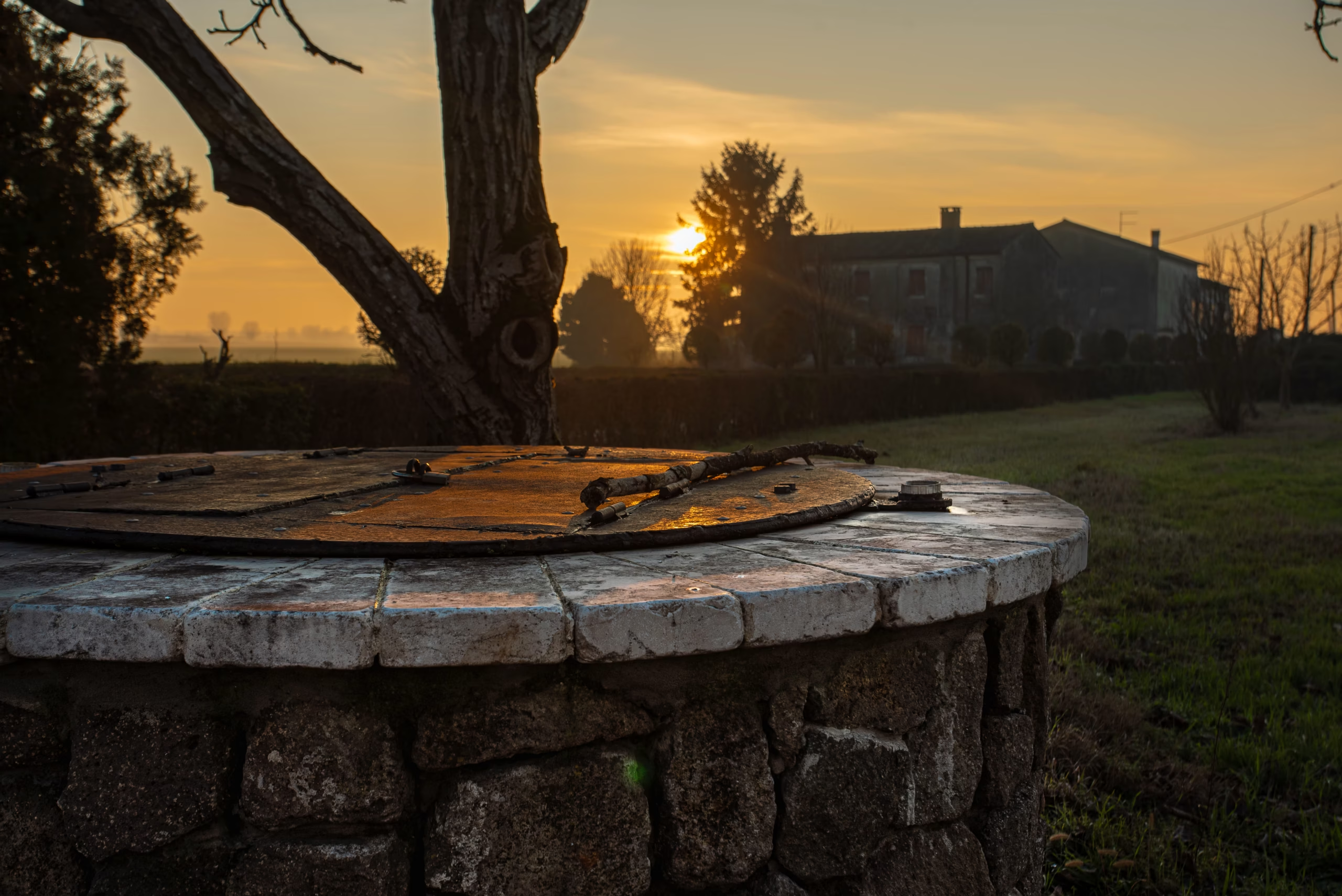
It entered between the branches.
It bounced off the ditches.
It settled on ears of wheat, apples, the backs of animals, and the walls of houses that had witnessed more seasons than I could imagine.
That light remained.
It lives in the way I expose a photograph, choose a face, or wait for the sun to sink far enough to turn something ordinary into a confession.
Perhaps, had I grown up elsewhere, I would have had more opportunities.
Perhaps I would have met the right people sooner, worked more, seen more.
Or perhaps I would have become someone else’s well-dressed clone, too busy chasing whatever was already fashionable to discover what I truly had to say.
I will never know.
Life provides no alternate versions for comparison.
It hands you a single biography, often without instructions, and then has the nerve to expect you to make something sensible of it.
This is mine.
Fields, fog, animals, silence, and the constant feeling that something more important was happening elsewhere.
And so I began to photograph.
Perhaps the camera was my first exit visa, even when I remained in exactly the same place.
Through the lens, I could transform what surrounded me.
Not by altering it.
By looking at it long enough to find the point where it ceased to be ordinary.
A field became geometry.
A line of trees became rhythm.
A daisy became a small universe of white and yellow.
The outline of a distant house became solitude.
An empty road became the question I kept asking myself: stay or leave?
Photography allowed me to leave without moving.
Later, it would allow me to move for real.
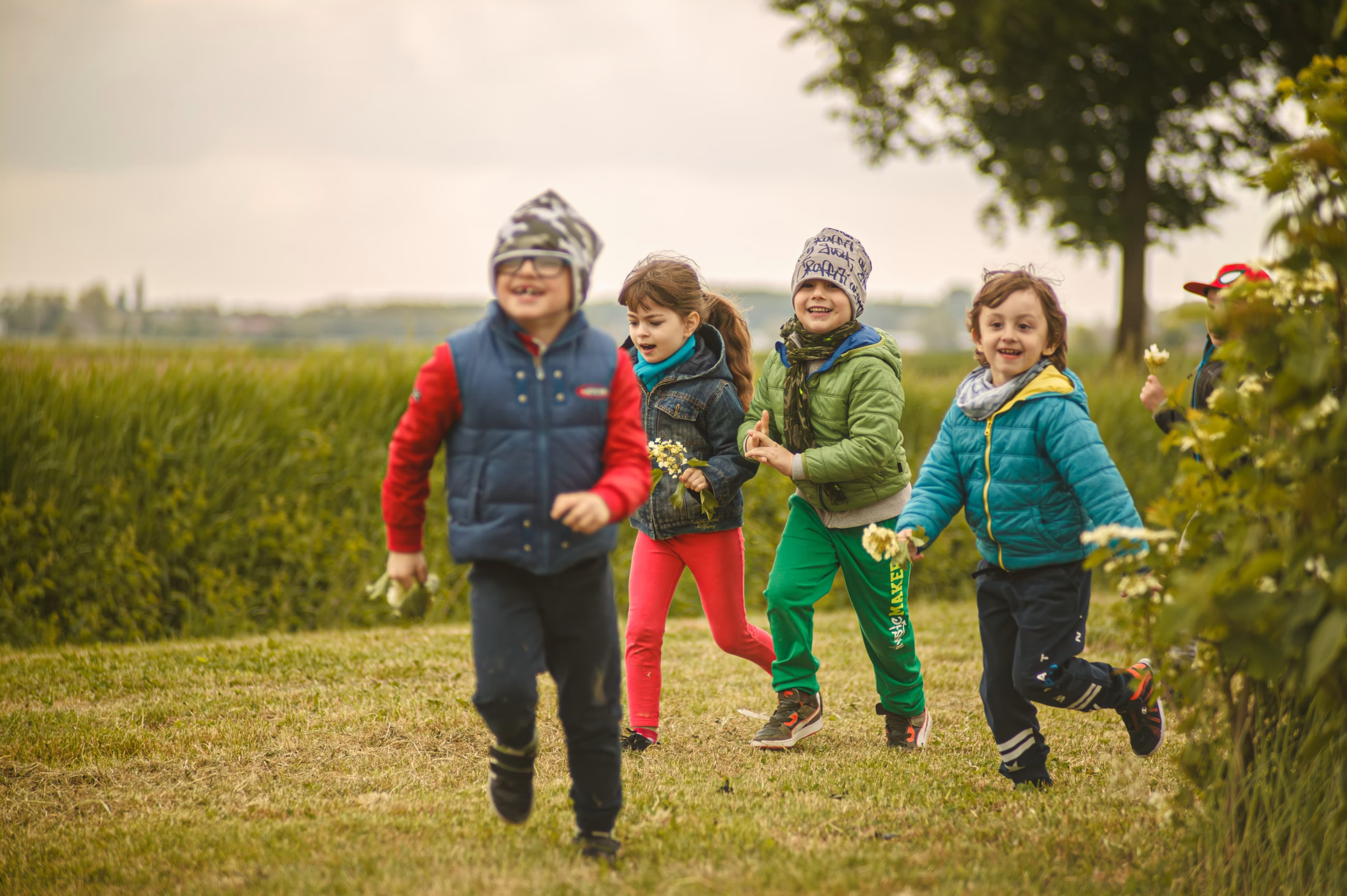
There are children in these images.
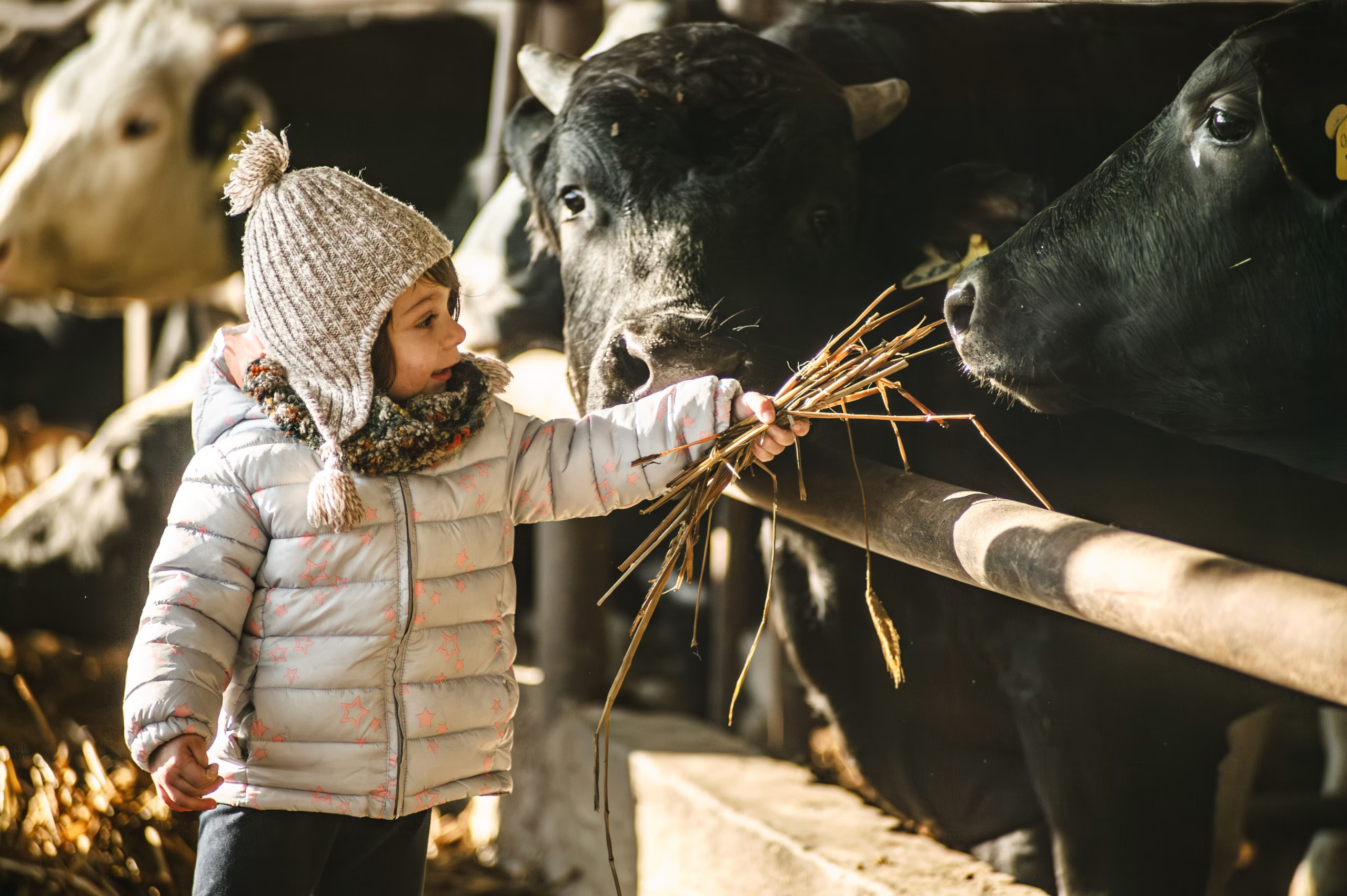
They run through the fields, climb onto farm machinery, offer hay to cows, pet dogs, watch animals, and hold apples in their hands.
For them, this place has not yet become a limit.
It is a territory.
They do not know that one day they may want to leave. They do not yet know the difference between a horizon and a frontier.
They see only space.
They run.
And as I watch them, I wonder when we stopped doing so.
When the field became distance.
When silence turned into isolation.
When simplicity began to resemble deprivation.
Perhaps growing up means precisely this: witnessing the slow transformation of places.
First, they are the world.
Then they become too small.
Finally, when you are far enough away or tired enough, they become home.
Not necessarily the place where you wish to live again.
Home is a more complicated word.
It can mean the place you come from, the thing you tried to leave, and the only thing capable of making you suddenly homesick when you smell cut grass hundreds of miles away.
The people, too, belong to this landscape.
Not as folkloric extras placed there to lend credibility to the scene.
They are part of its rhythm.
The old man on the tractor.
The children running.
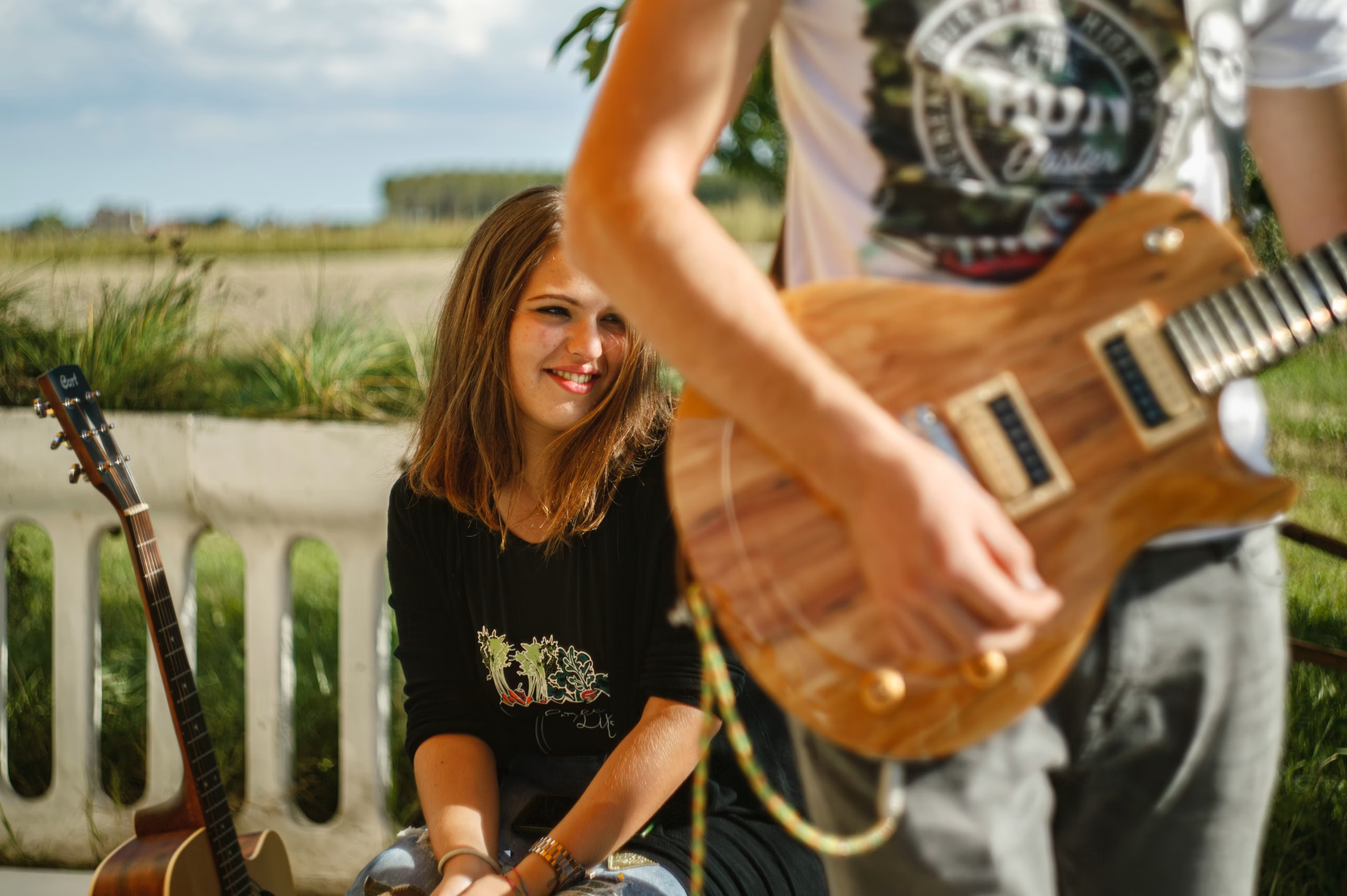
A young woman listening to someone play guitar with the fields behind her.
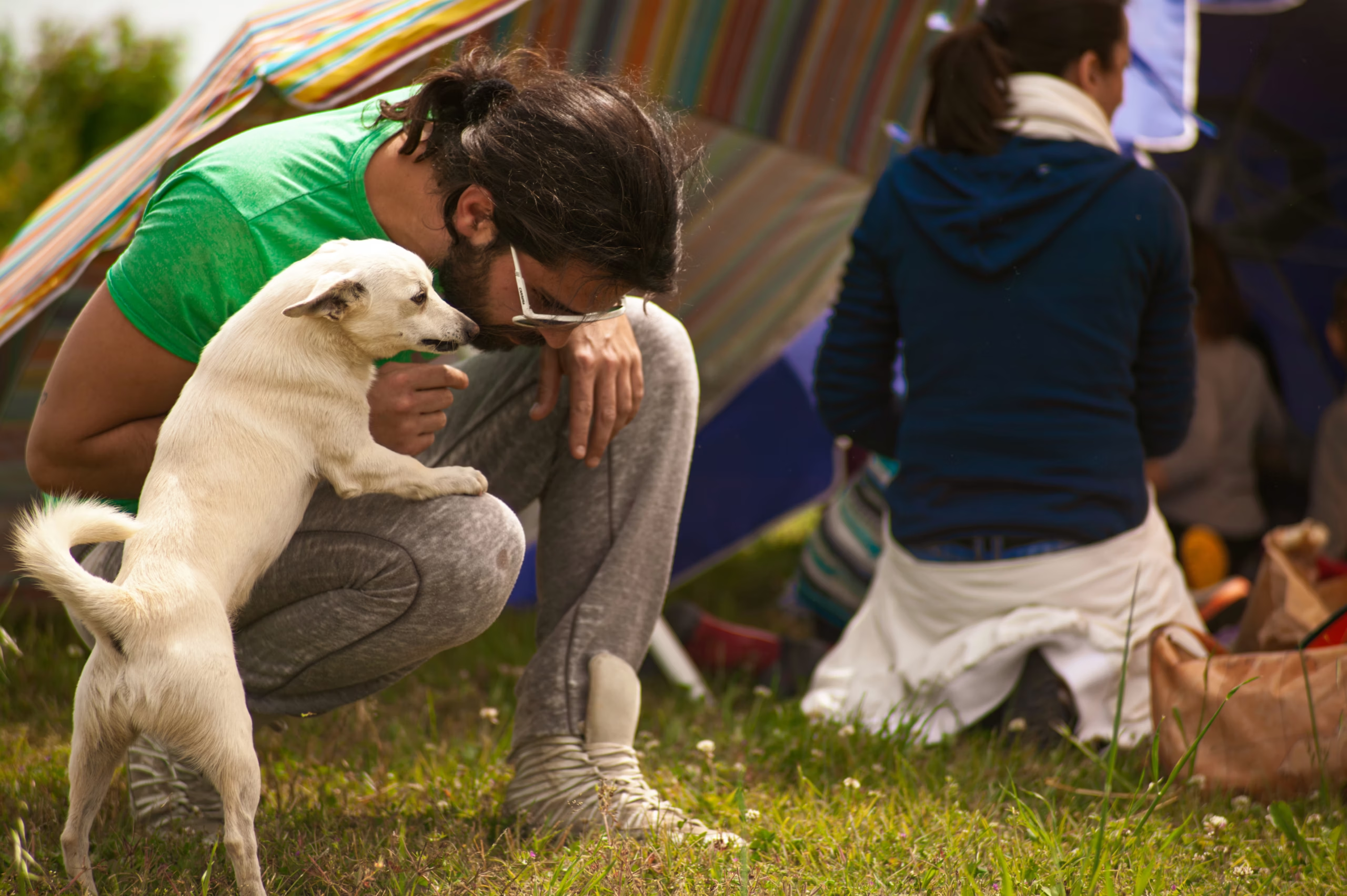
A woman bending toward a dog.
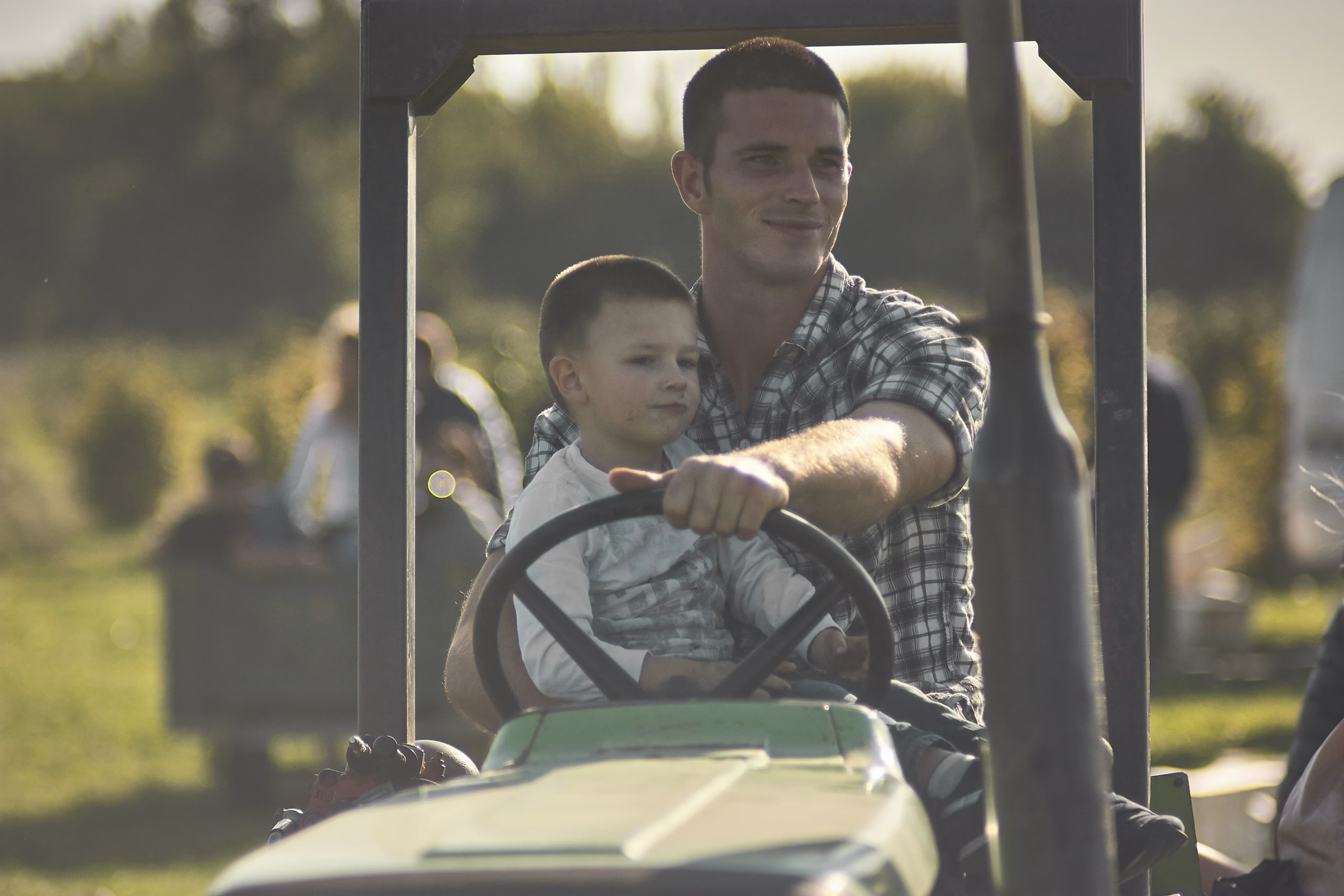
A father with a child at the wheel of a small vehicle, engaged in the ancient ritual of letting children believe they are driving while an adult discreetly continues to prevent disaster.
Life here is not always grand.
It is often made of the smallest gestures.
Local festivals.
Animals to approach.
Children drenched by a spray of water beside a tractor.
Music played outdoors.
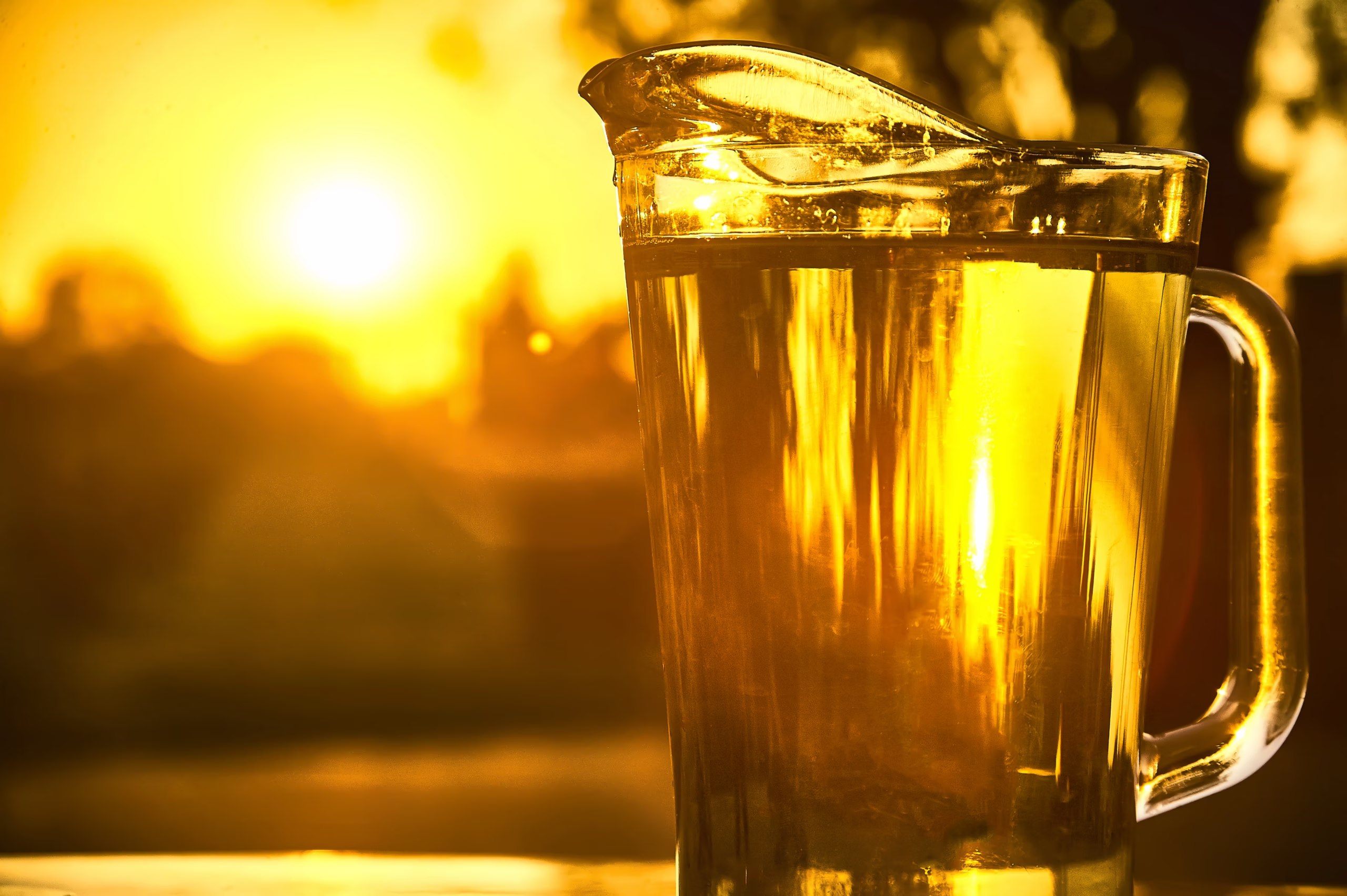
A pitcher on a table as the sun goes down.
That pitcher, filled with light, appears almost sacred.
It probably contains something considerably less spiritual.
But the sunset has this talent: for a few minutes, it forgives the world’s vulgarity.
It turns glass to gold, water or beer to amber, and an ordinary table into the last place on Earth worth sitting at.
It solves nothing.
The following day, the distances remain the same.
Opportunities do not multiply, and the village does not suddenly become Los Angeles merely because we have drunk enough.
But in that instant, it does not matter.
Someone laughs.
The children are tired.
The animals grow quiet again.
The sun sinks behind the fields, and the world seems complete in its modesty.
That is the place’s seduction.
It persuades you that perhaps you need nothing else.
Sometimes that is wisdom.
Sometimes it is surrender.
The line between the two is far thinner than we care to admit.
Simplicity can save you from the neurosis of always wanting more.
It can teach you to recognize the value of time, silence, a shared table, an animal’s trust, and a sunset that demands no admission fee.
But it can also become an excuse.
‘We have always lived this way here.’
‘What do you need that for?’
‘Why do you want to leave?’
‘Why can you not be content?’
Contentment is a dangerous word.
Spoken by the right person at the right time, it can mean gratitude.
Spoken by someone who fears change, it means: shrink your life until it stops calling mine into question.
I did not want to shrink it.
I wanted more.
I did not always know what.
This, admittedly, made the search slightly more complicated.
I knew only that it could not all end between the same road, the same bar, the same faces, and the conviction that the height of adventure was discovering who had broken up with whom over the weekend.
And yet, every time I have tried to tell my story through images, this land has returned.
Uninvited.
As tenacious as a weed.
A field in the background.
An animal.
Backlight.
An old object.
A weathered face.
Nostalgia for something that, while I was living it, I often found unbearably dull.
Memory is a dishonest editor.
It cuts the waiting, shortens the useless days, increases the saturation of the sunsets, and adds music to scenes in which absolutely nothing happened.
That is why childhood always seems to have had better light.
It was not necessarily happier.
There was less to compare it with.
The entire world had not yet entered a phone to show us, twenty-four hours a day, where we might have been, whom we might have known, and which life we might have lived if only we had been born elsewhere, more beautiful, wealthier, or to parents capable of introducing us to the right person at the right time.
There was the yard, the trees, the animals, the road, and the fields.
Enough to build universes.
These places are changing.
The old people are leaving.
Houses are closed up or renovated until they lose their faces. Machines replace gestures that once required human arms. Traditions become organized events, with schedules, parking, and someone assigned to post the photographs on social media.
That is not necessarily a bad thing.
The past was not better merely because it is past.
It had its share of poverty, toil, ignorance, judgment, and lives forced into roles from which escape was not easy.
Nostalgia tends to place flowers on the windowsills and hide the corpses in the cellar.
But something is lost all the same.
A certain relationship with time.
The ability to know the season without consulting a calendar.
The value given to things because repairing them came more naturally than replacing them.
Familiarity with animals, harvests, and food before it became packaging.
That inelegant but tangible way of showing up.
People here are not always good at talking about emotions.
Sometimes they do not talk about them at all.
They bury them.
Then again, they have plenty of earth available.
Yet they know how to arrive with a crate of fruit, repair something without asking for money, drive you somewhere, or sit beside you in silence without turning every sorrow into a personal-growth seminar.
It is practical affection.
Hardly cinematic.
Therefore, naturally, perfect to photograph.
Then there are the animals.
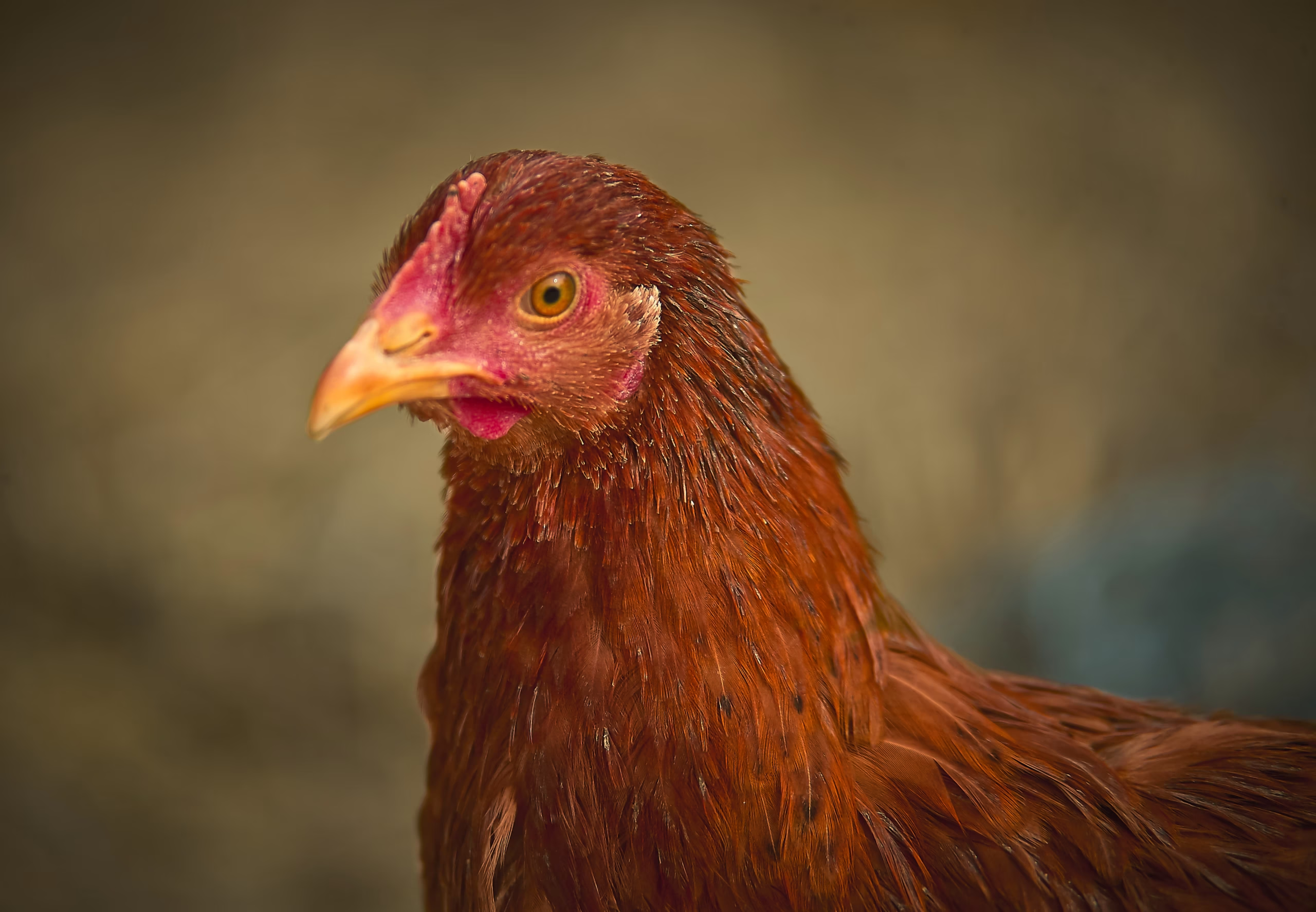
Dogs in the straw, donkeys behind fences, cows in barns, hens staring into the lens as though they have just discovered something compromising about the photographer, geese absorbed in arguments to which no human being has been invited.
They belong to the place without tormenting themselves too much about it.
They do not dream of metropolises.
They do not compare their lives with that of a Labrador in Beverly Hills.
At least, I do not think so.
The cat, perhaps, does. Cats have rather lofty expectations when it comes to real estate.
Animals make plain what we complicate: existing is already a full-time occupation.
Eating.
Sleeping.
Seeking the sun.
Protecting what you love.
Keeping away from whoever annoys you.
A surprisingly sound philosophy, especially when one considers the average quality of the human alternatives.
But we have ambition.
The curse and the engine.
We want to become.
We want to leave a mark.
We want our lives to mean something beyond the mere biological fact of having passed through them.
And this is where my conflict with the land begins.
It taught me the essential and, at the same time, made me desire the superfluous.
It showed me how little it takes to live and how painful it can be not to have enough to feel alive.
It gave me the silence necessary to know myself, but not always the people with whom to share what I discovered.
It gave me time.
Not always opportunity.
It gave me roots.
As for wings, evidently, I would have to improvise.
So I used a camera.
I began gathering evidence.
Not evidence that this place was wonderful.
It is not.
No place is, once you have to live there long enough.
I gathered evidence that it was not merely the emptiness I sometimes saw.
The daisies.
The apples.
The dogs.
The people.
The clouds above the fields.
The rows vanishing toward the horizon.
A small chapel inscribed ‘Ave Maria’ beside a stop sign—the perfect theological summary of provincial life: stop, entrust yourself to someone above, then continue down the same road as before.
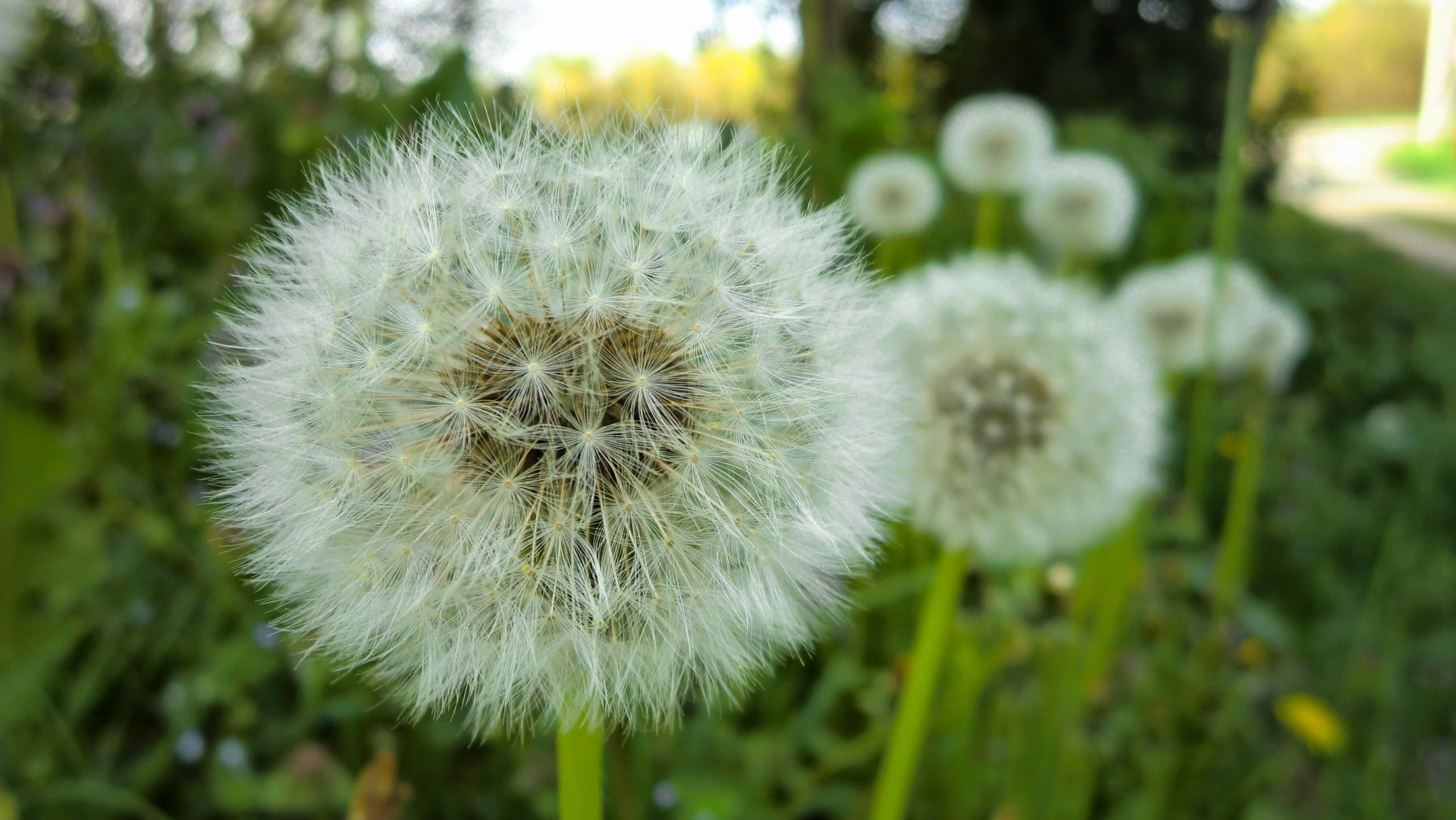
Dandelions ready to scatter.
They are perhaps the most honest image of all.
They remain attached to the earth until the wind arrives.
Then they leave.
Without guilt.
Without family meetings.
Without having to explain that they do not hate the meadow; they merely need to see where the air will carry them.
We human beings make everything more dramatic.
Those who leave fear they are betraying someone.
Those who remain interpret the departure as a judgment.
And yet you can love a place without allowing it to become the boundary of your existence.
You can be grateful and angry.
Nostalgic and suffocated.
Proud of your roots and hungry for distance.
Real love contains contradictions.
Love without contradictions is usually advertising.
I do not know whether I love this land.
Sometimes I do.
Sometimes I look at it and see only miles to cross before I can reach somewhere.
Sometimes the smell of a field after the rain is enough to make me a child again, before the future became an insistent question and talent became something to prove.
When I stay too long, I want to leave.
When I am far away, I suddenly recognize a color, a smell, or a certain light, and part of me returns here without asking permission.
That is the trouble with the places where we grew up.
They do not need to persuade us to stay.
They have already come away with us.
These sixty-seven photographs are not a guide.
They do not tell you where to eat, what to visit, or which road to follow for the finest sunset.
Nor are they an absolution.
They do not forgive this place for everything it failed to give me.
They are something closer to a letter written after a long, complicated relationship that never entirely ended.
Inside are accusations, gratitude, desire, resentment, and a few memories time has had the courtesy to make more beautiful.
They are what I chose to save.
The color.
The animals.
The hands.
The children.
The things born from the earth and those built to work it.
The people who still live at a different rhythm.
The light that transforms fucking nothing into something that, for a few minutes, seems to contain everything.
Perhaps that is the true power of photography.
Not to prove that life was beautiful.
To prove that even in the places we accused of taking something from us, there were moments worth preserving.
The artist does not tell the world as it is.
He tells of the exact point where that world entered him.
Some people will like it.
Others will find these images too simple, too colorful, too nostalgic, or not interesting enough.
So be it.
I did not photograph to persuade everyone.
I photographed because this is what I saw.
This is the light that shaped me.
These are the smells photography cannot record but that I still sense behind every image: cut grass, damp earth, straw, apples, garlic, animals, diesel, and warm air at the end of a day.
This is the part of myself I cannot borrow from anyone else.
You may appreciate it or not.
What the fuck do you want me to say?
Authenticity is no guarantee of success.
It is merely the condition required to fail in your own voice.
And if I have to fail, this is how I would rather do it.
With my images.
My land.
My silence.
And that flat horizon that for years seemed to lead nowhere, but that perhaps, without my realizing it, was teaching me to look farther.
In the end, I cannot say whether this place gave me more than it took.
Perhaps that is the wrong question.
I know it forced me to seek beauty instead of handing it to me ready-made.
It compelled me to linger over details.
To recognize a story in a dirt-stained hand, a season in an apple, time in an old watch, and freedom in a dandelion waiting for the wind.
It did not give me the life I imagined.
It gave me the eyes with which I would try to build it.
And whenever I try to tell the story of who I am, no matter how far away the story travels, somewhere at the back of the frame a field always reappears.
Goddamn it, that has to mean something.