I had promised myself I would never fall for complicated women again.
Then I arrived in Venice.
There she was.
Resting on the water like an old diva who had drunk too much, slept too little, and told every man stupid enough to ask her to behave to go fuck himself.
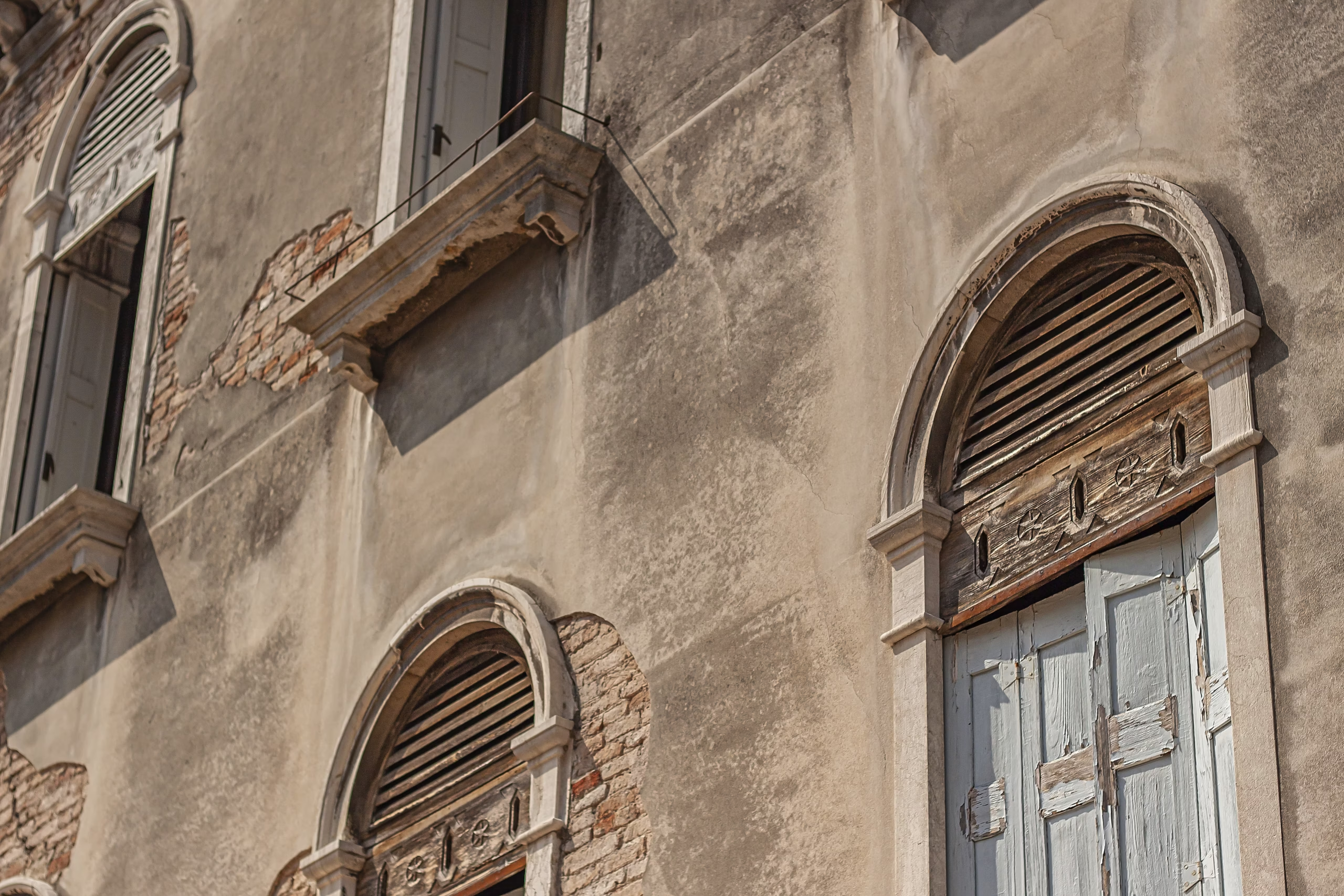
Her makeup was peeling from the walls.
Her windows were tired.
Her doors swollen with damp.
And she had that unbearable beauty of someone who knows perfectly well she can be a disaster and still be desired.
She didn’t ask my name.
Venice had known too many lovers to remember them all.
Every day they arrived by the thousands.
They stepped off trains, boats, and water taxis, dragging suitcases, expectations, and relationships already damaged enough to require a romantic weekend.
They told her she was beautiful.
Photographed her.
Promised they would return.
Then, before evening, checked the time of the last train.
She let them.
She knew the routine.
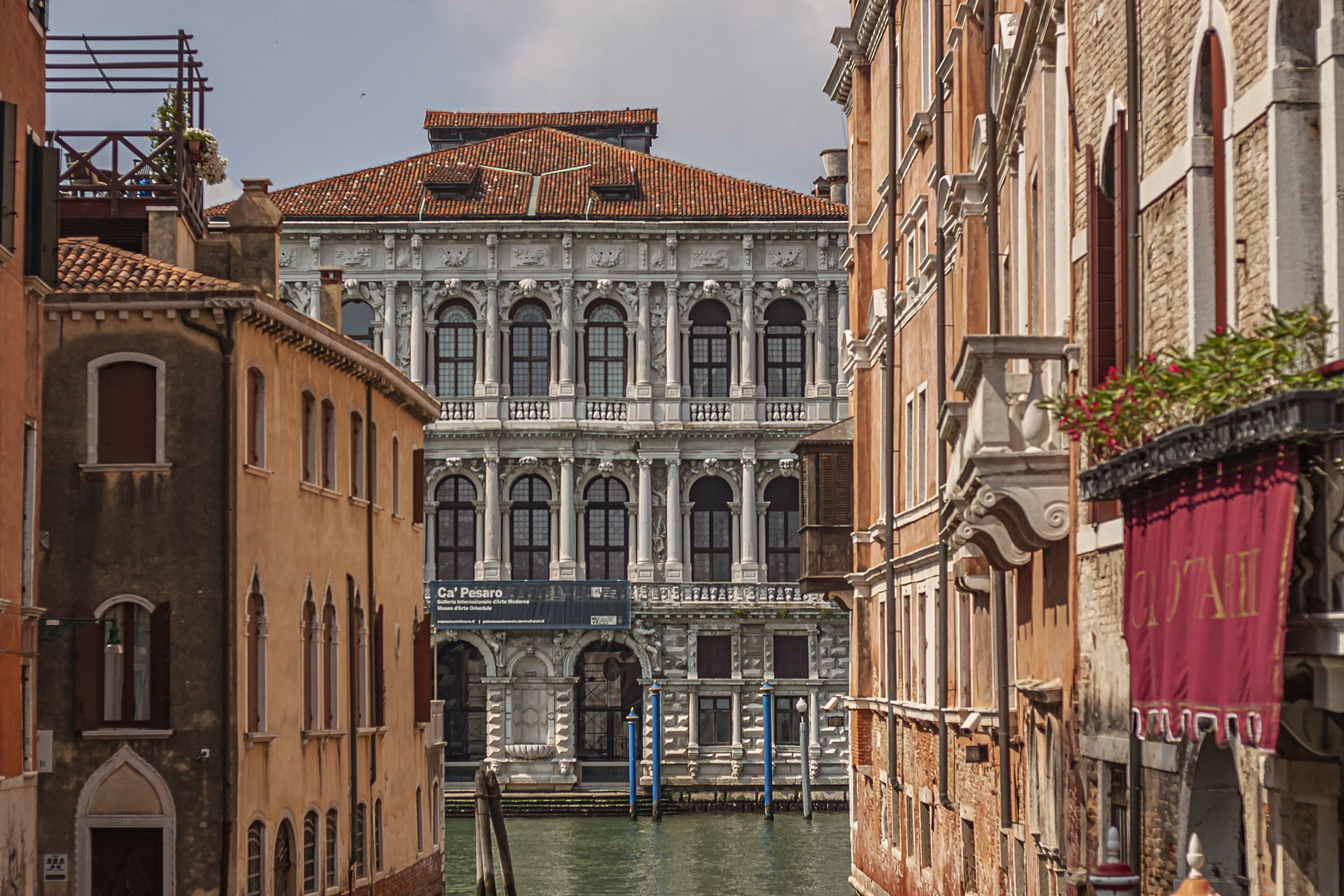
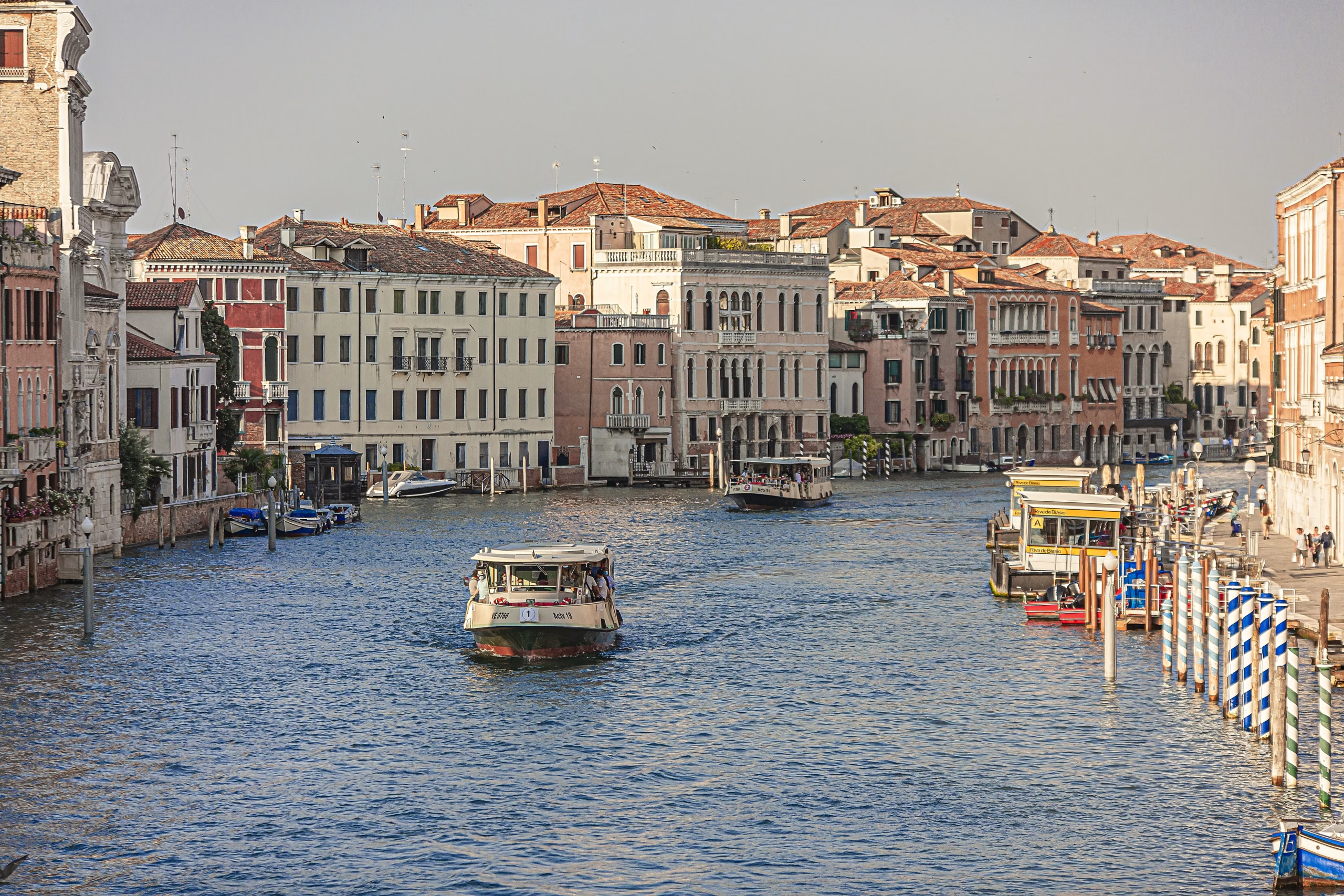
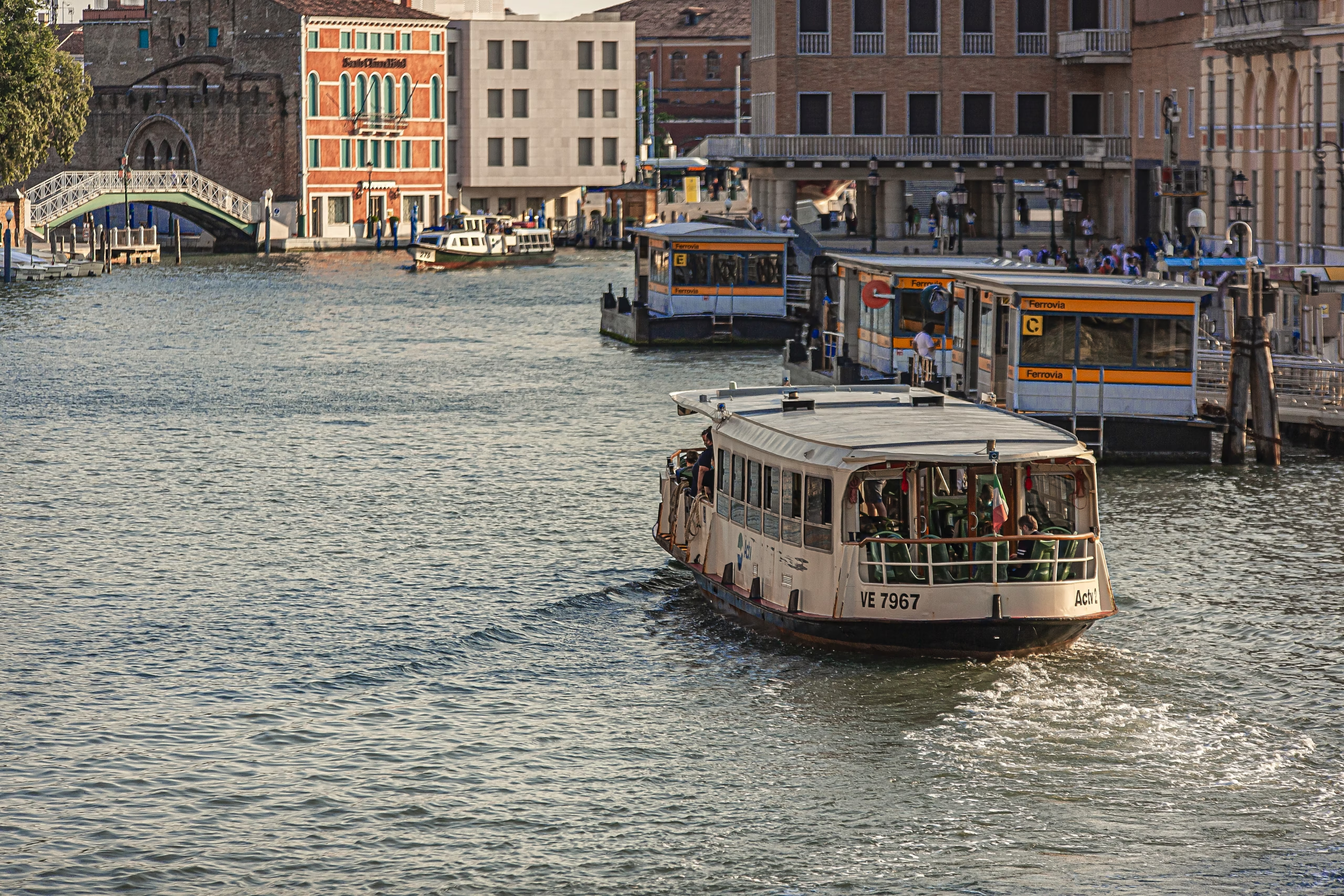
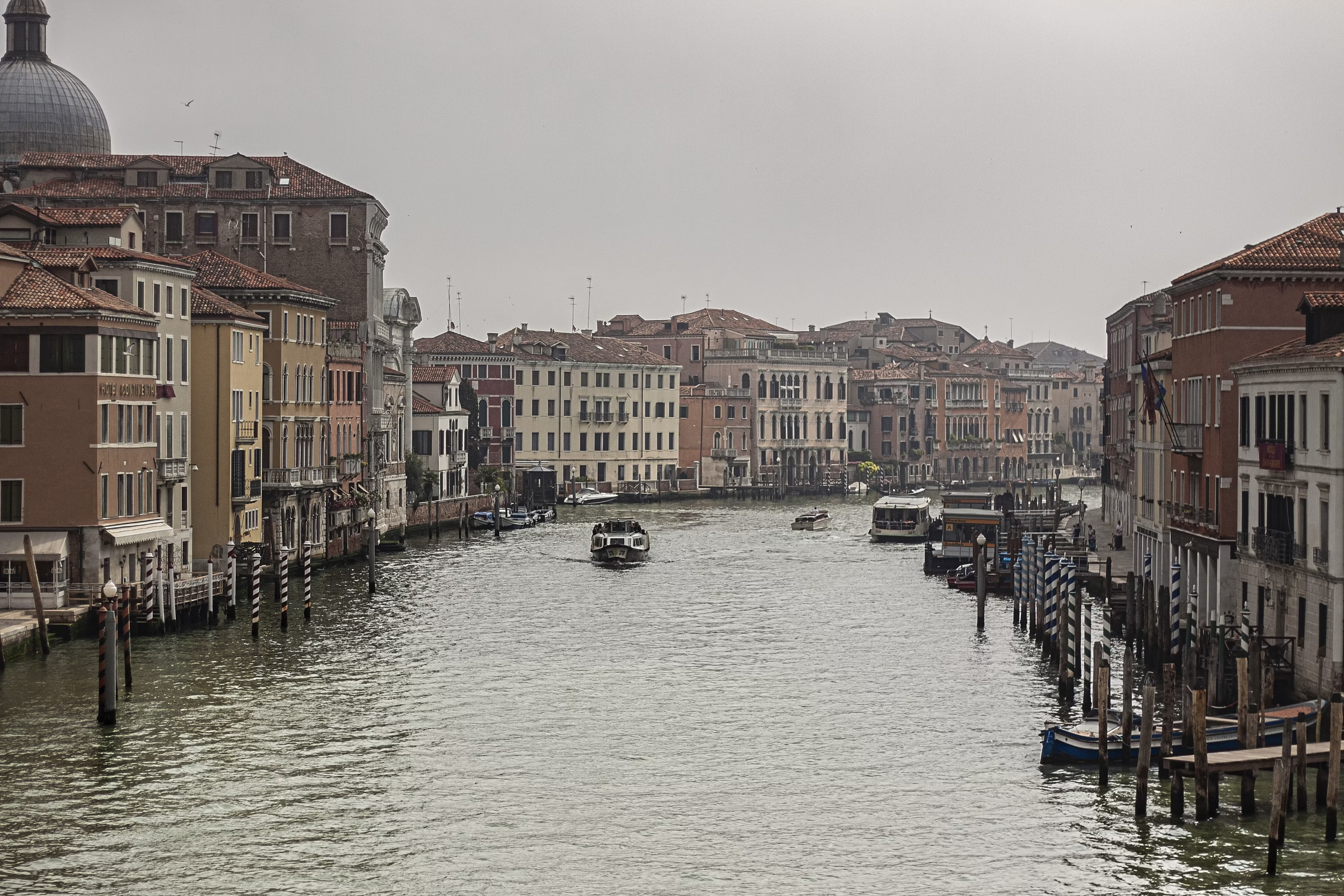
The boat moved along the canal with the weary noise of a bus forced to swim. Around us, other boats raced over the water carrying people, packages, workers, and tourists convinced even public transportation became poetic when it floated past a sixteenth-century palace.
The water opened beneath the bow and closed again at once.
As if we had never passed.
It was already a lesson, but nobody seemed interested.
They were all too busy photographing themselves.
Venice has no streets in the traditional sense.
It has passages.
Bridges.
Corridors.
Veins squeezed between buildings old enough to have watched entire generations swear eternal love and stop speaking six months later.
It forces you to walk.
To take the wrong turn.
To go back.
You cannot cross it while pretending everything is under control.
And perhaps that is the first reason it makes so many people uncomfortable.
Modern cities are built to help you arrive.
Venice seems deliberately designed to remind you that you have no fucking idea where you’re going.
I walked.
Camera around my neck, with no intention of bringing home the usual collection of well-behaved monuments.
I didn’t want to prove I’d been there.
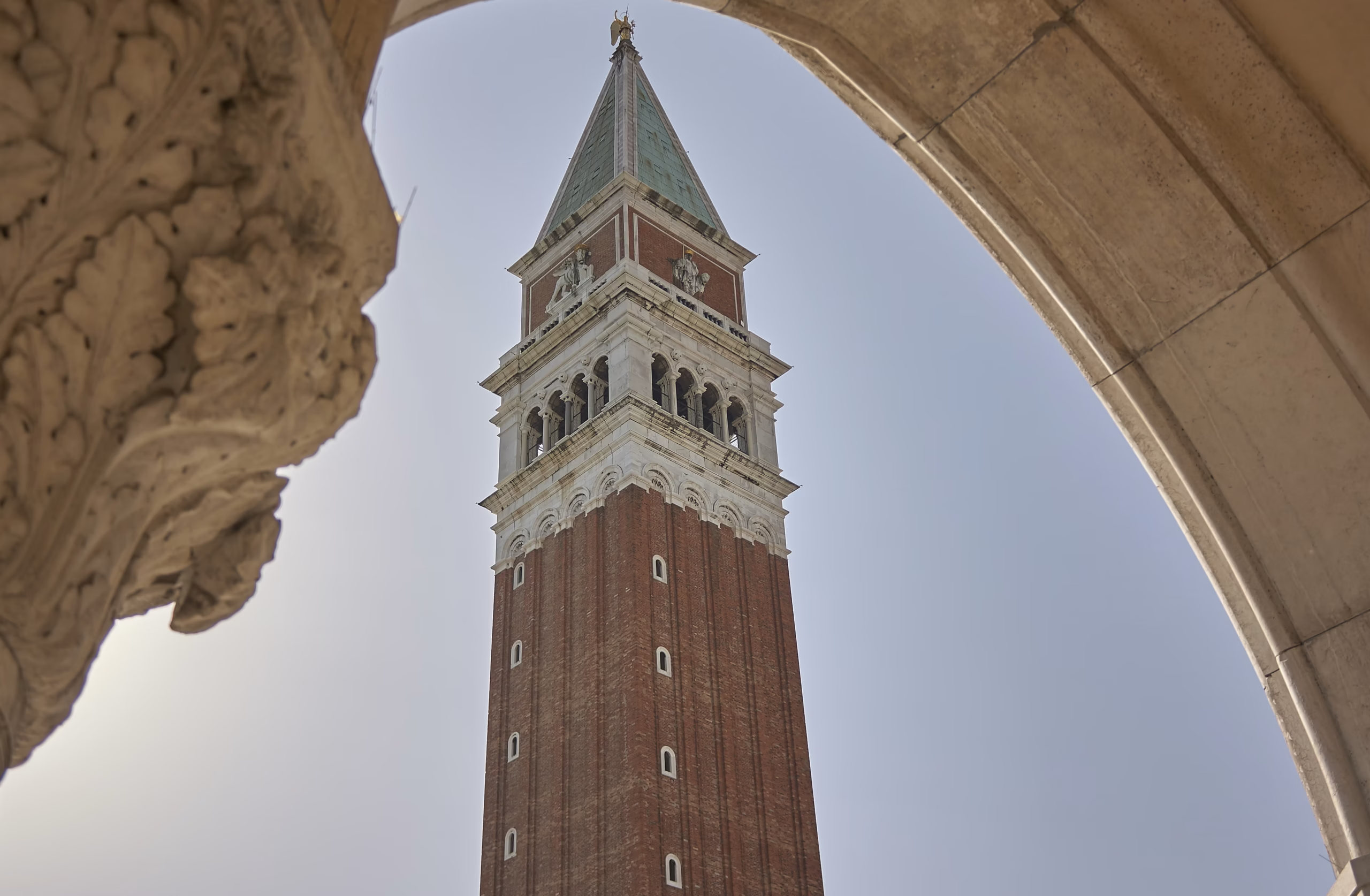
Millions had already done that before me, with more symmetrical results and probably better skies.
I wanted to understand what remained of the city when you stopped looking at what you’d been told to see.
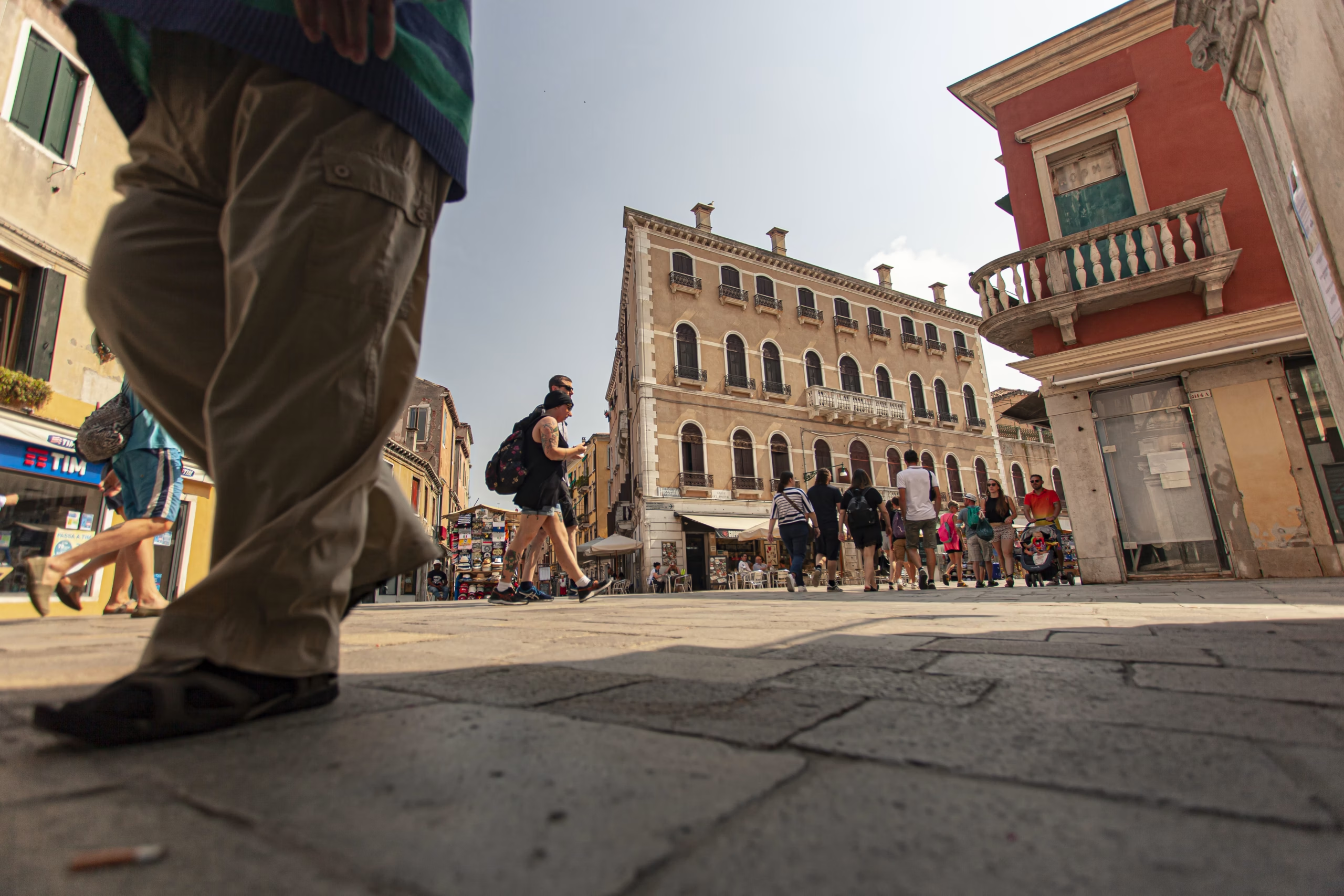
So I lowered the lens.
Toward the feet.
The shadows.
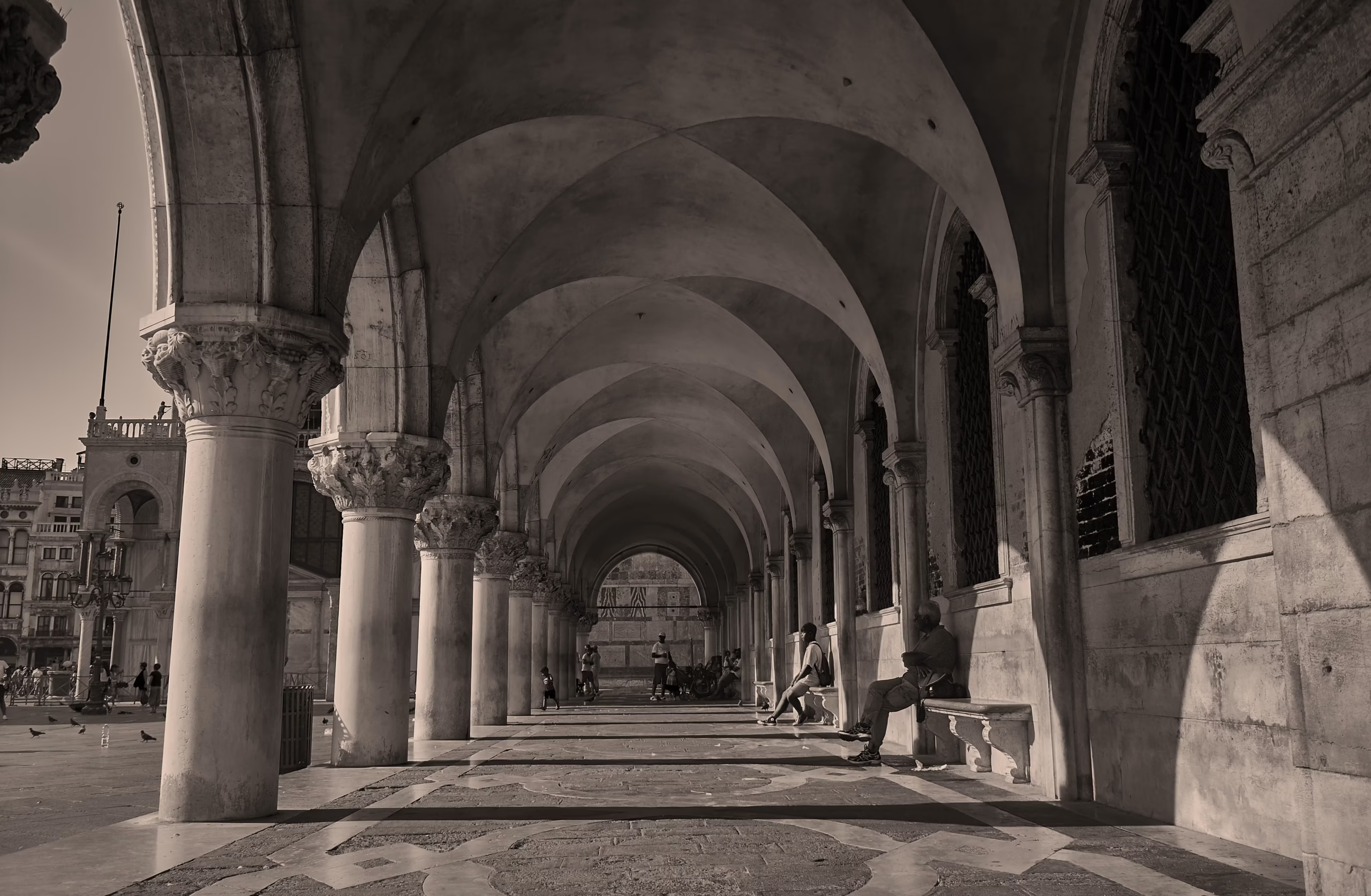
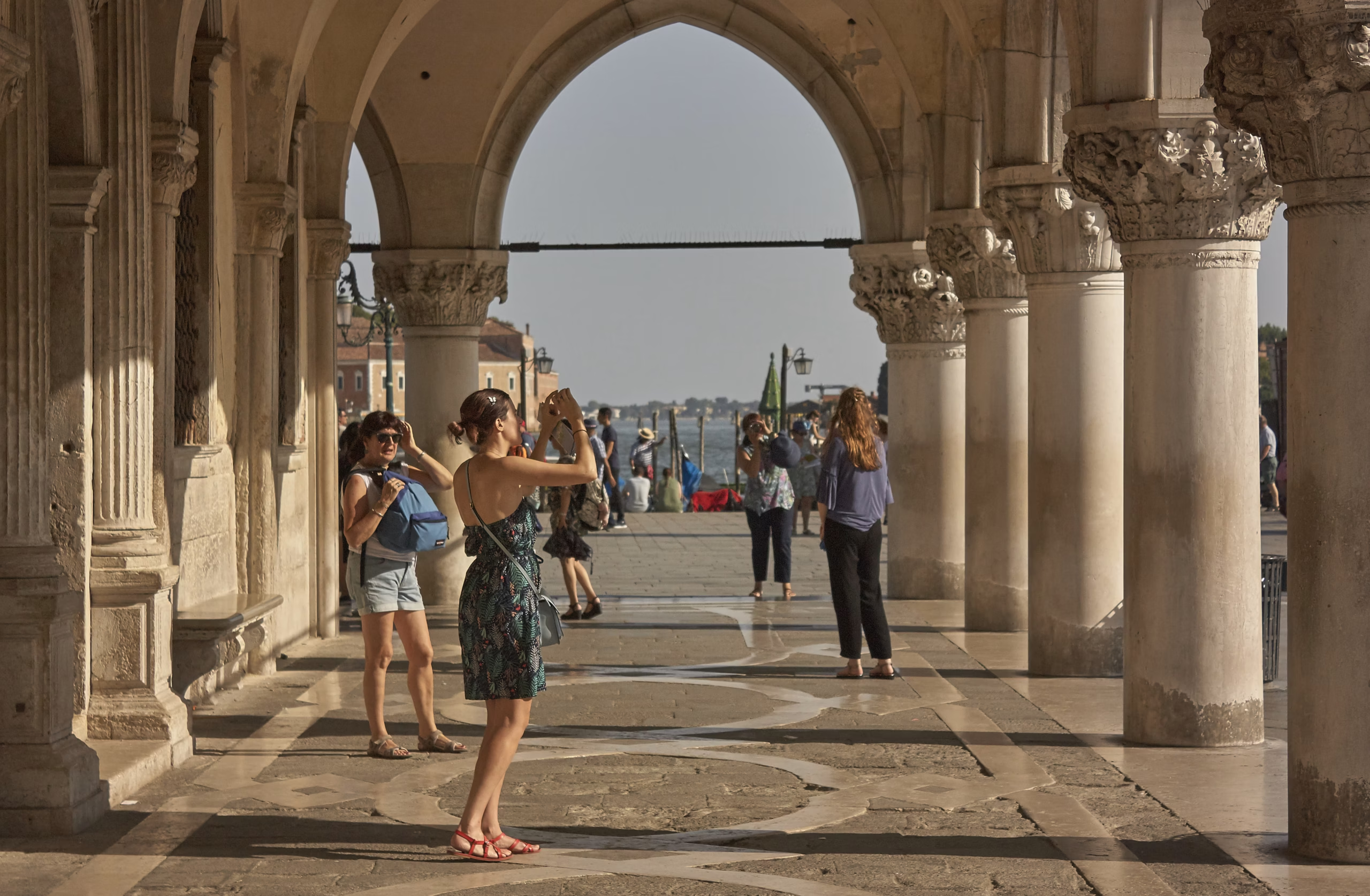
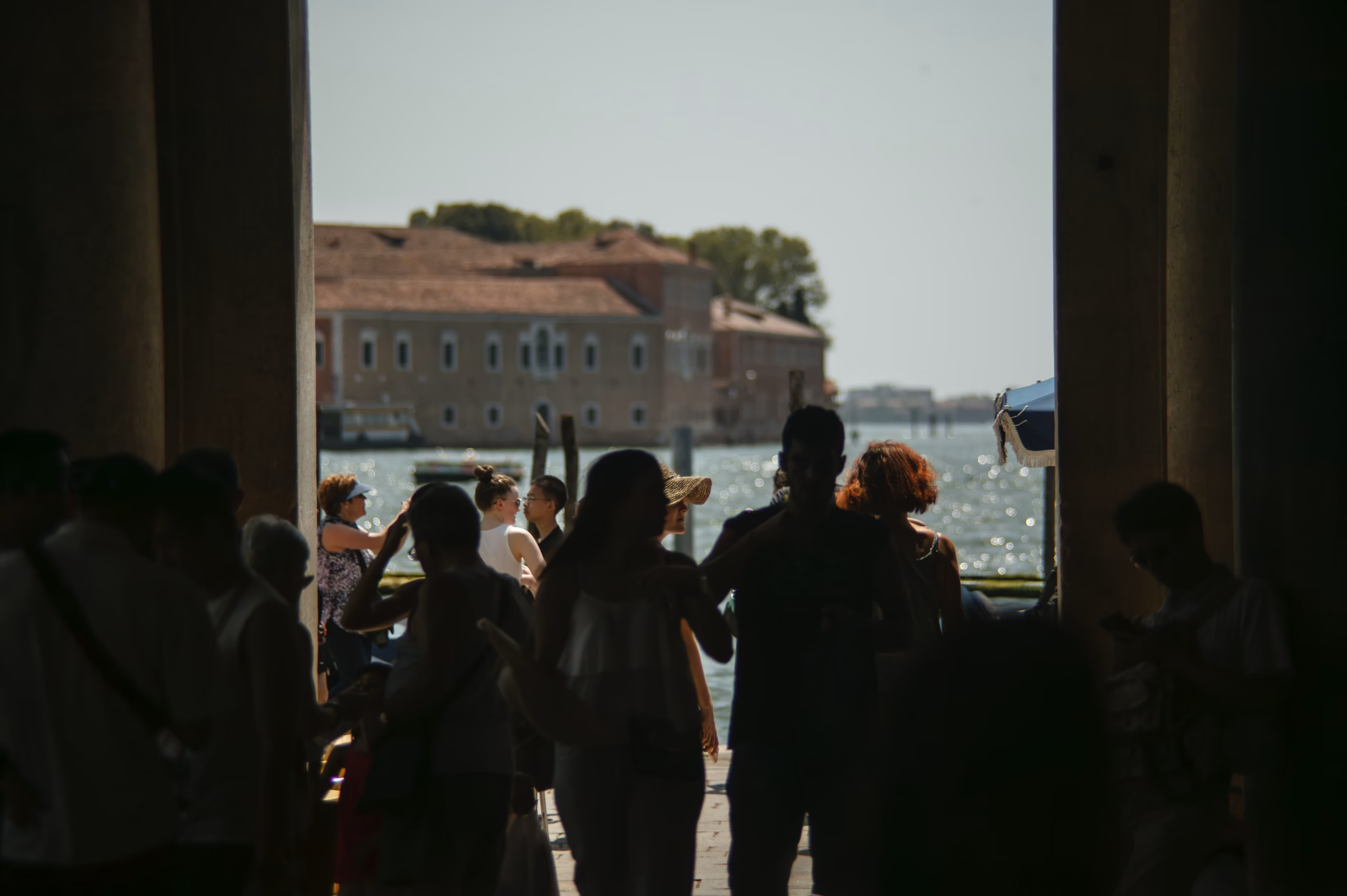
The people standing beneath the arcades.
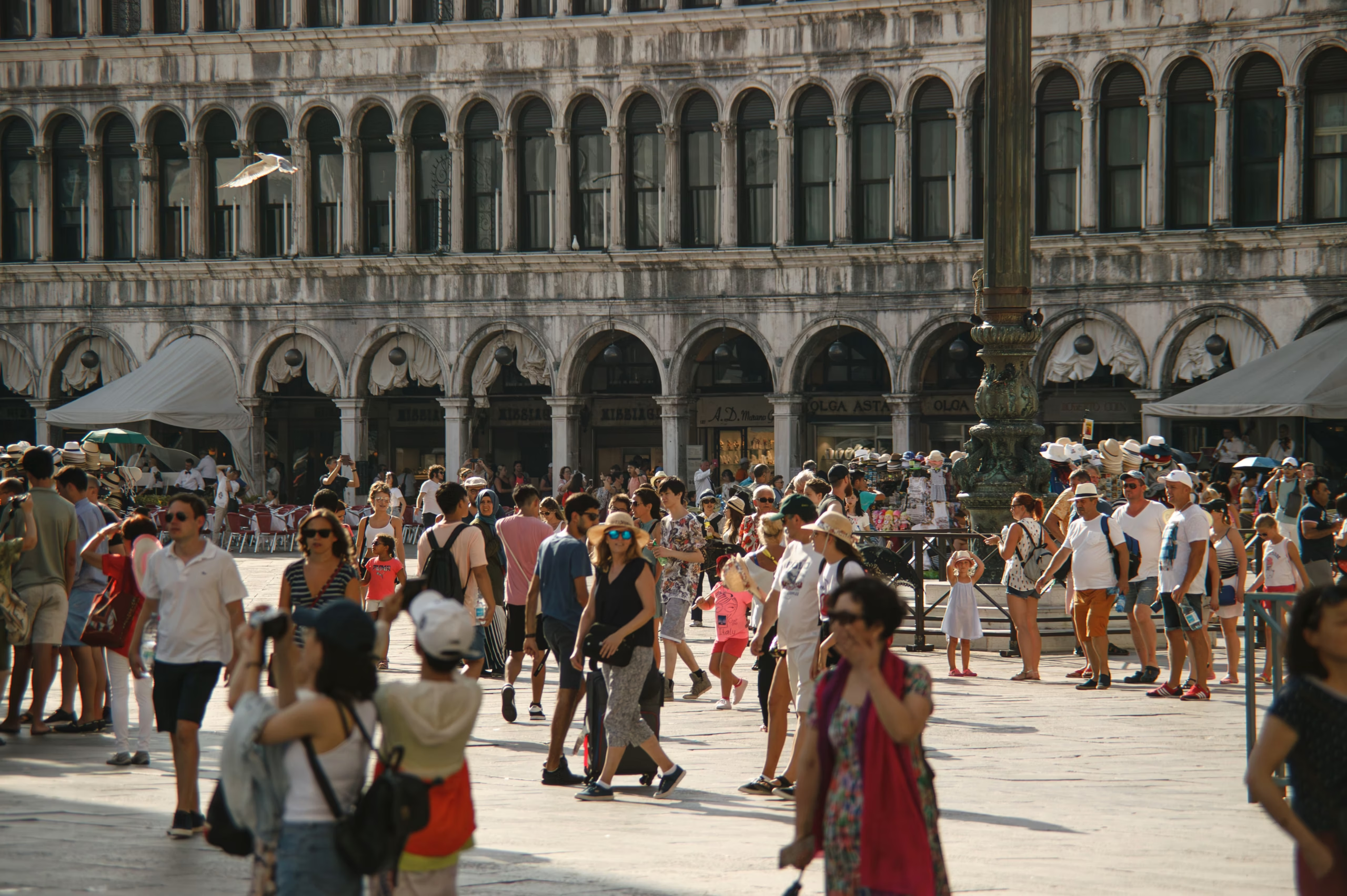
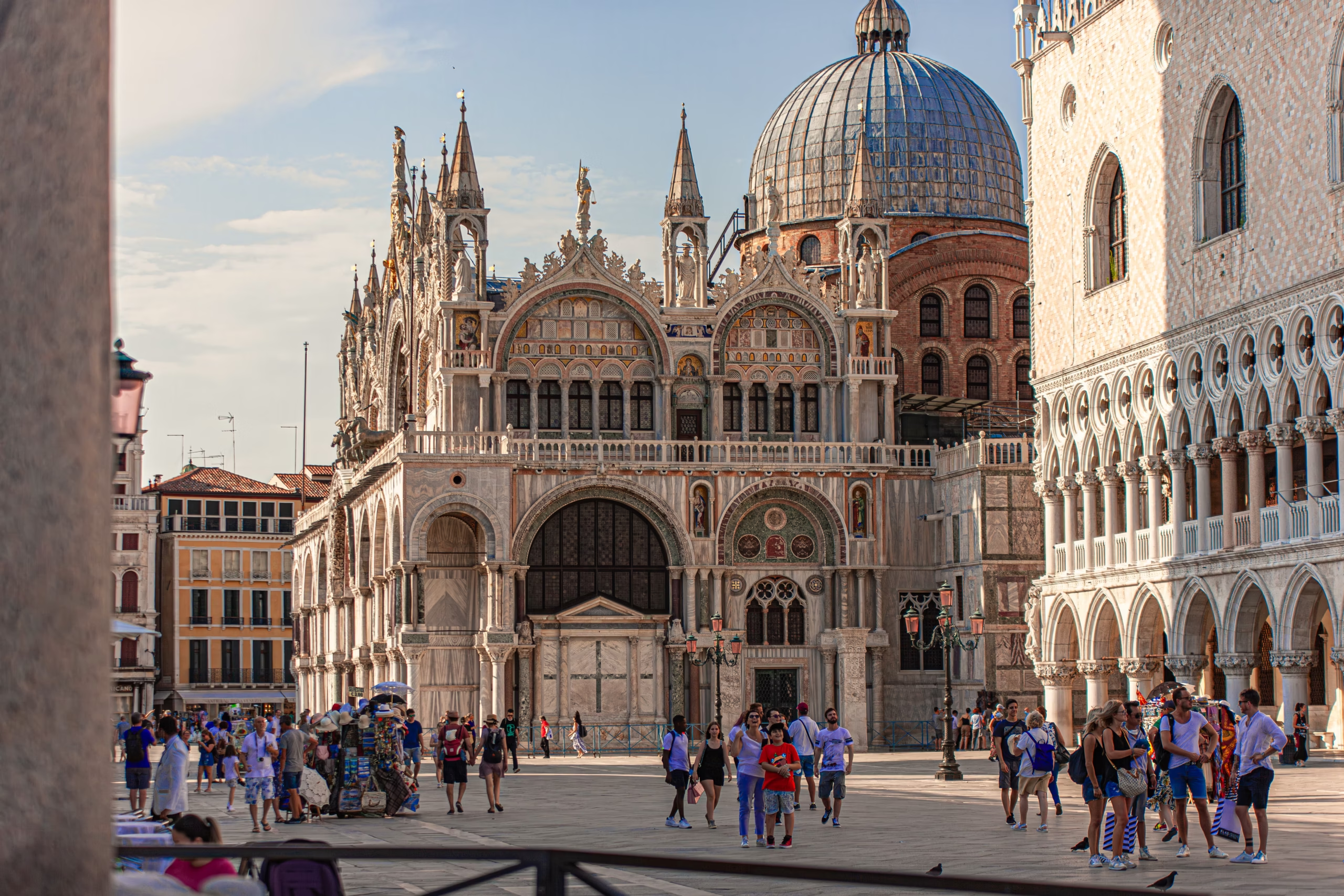
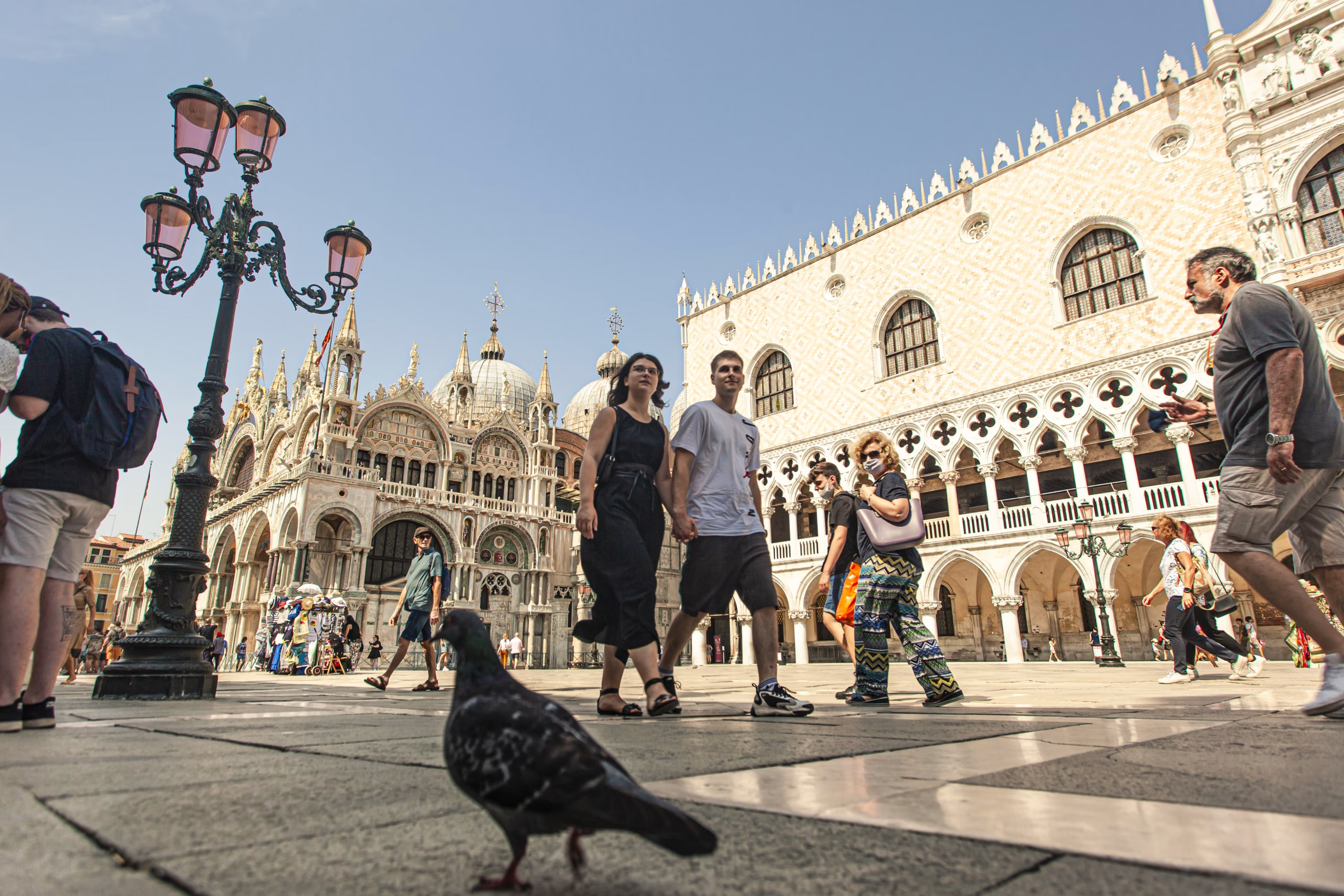
A pigeon crossed a square with the arrogant bearing of the only true resident left.
Around him, the crowd moved among churches, columns, and palaces as though someone had dumped an entire cruise ship into a postcard.
The pigeon looked unimpressed.
He had watched millions arrive with the same expression.
Mouth open.
Phone raised.
The childish presumption of being the first to notice the place was magnificent.
Human beings need to believe they discovered what they’re looking at.
That’s why they photograph sunsets, monuments, and beautiful women as though no one had possessed eyes before they arrived.
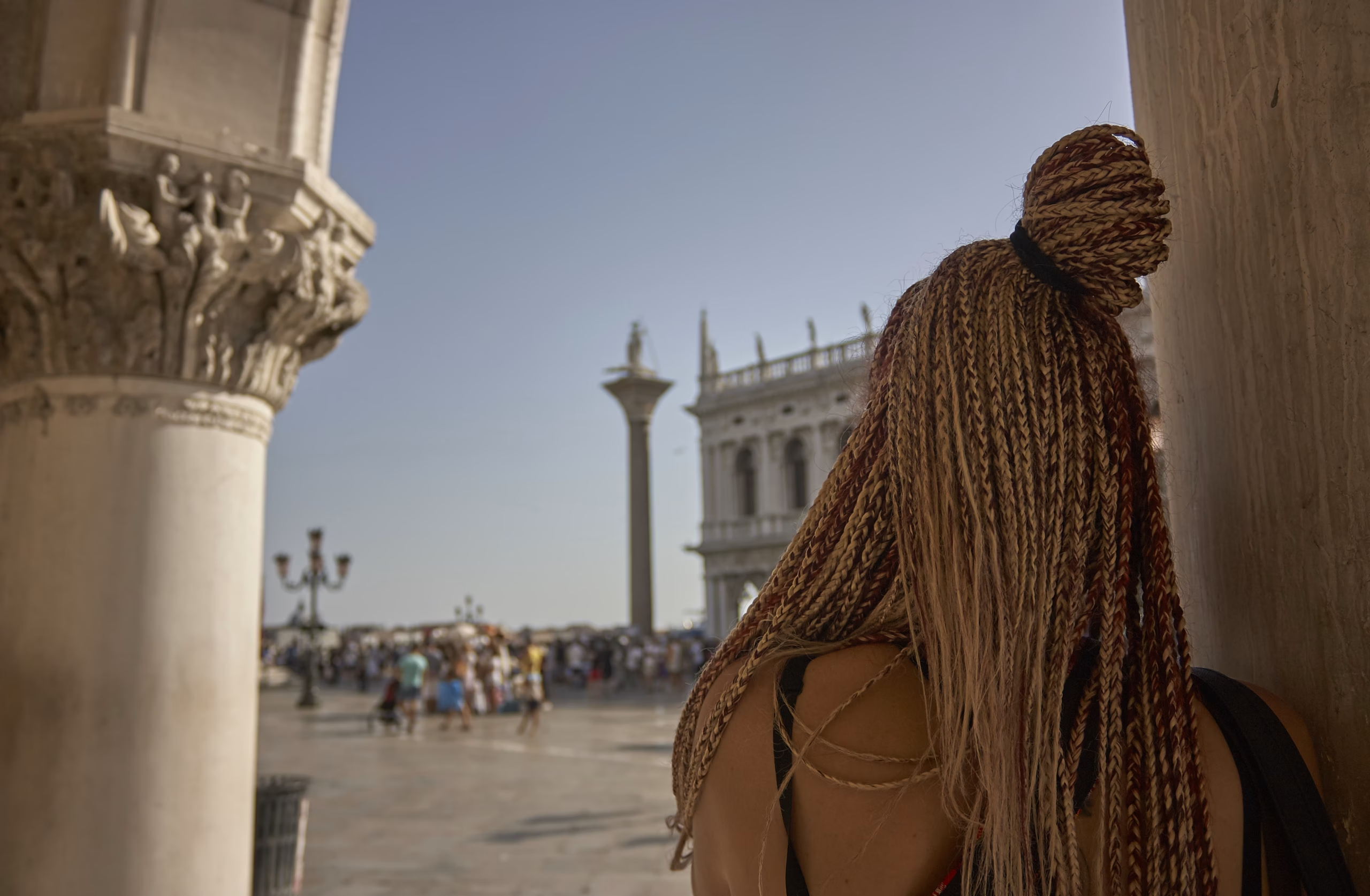
Beneath the arches, a girl with long braids looked toward the square.
I couldn’t see her face.
Only her shoulders, gathered hair, and the light falling across her.
Perhaps she was waiting for someone.
Perhaps she was lost.
Perhaps she simply needed a minute away from the crowd.
In a city photographed beyond nausea, I was struck by someone making no attempt to be seen.
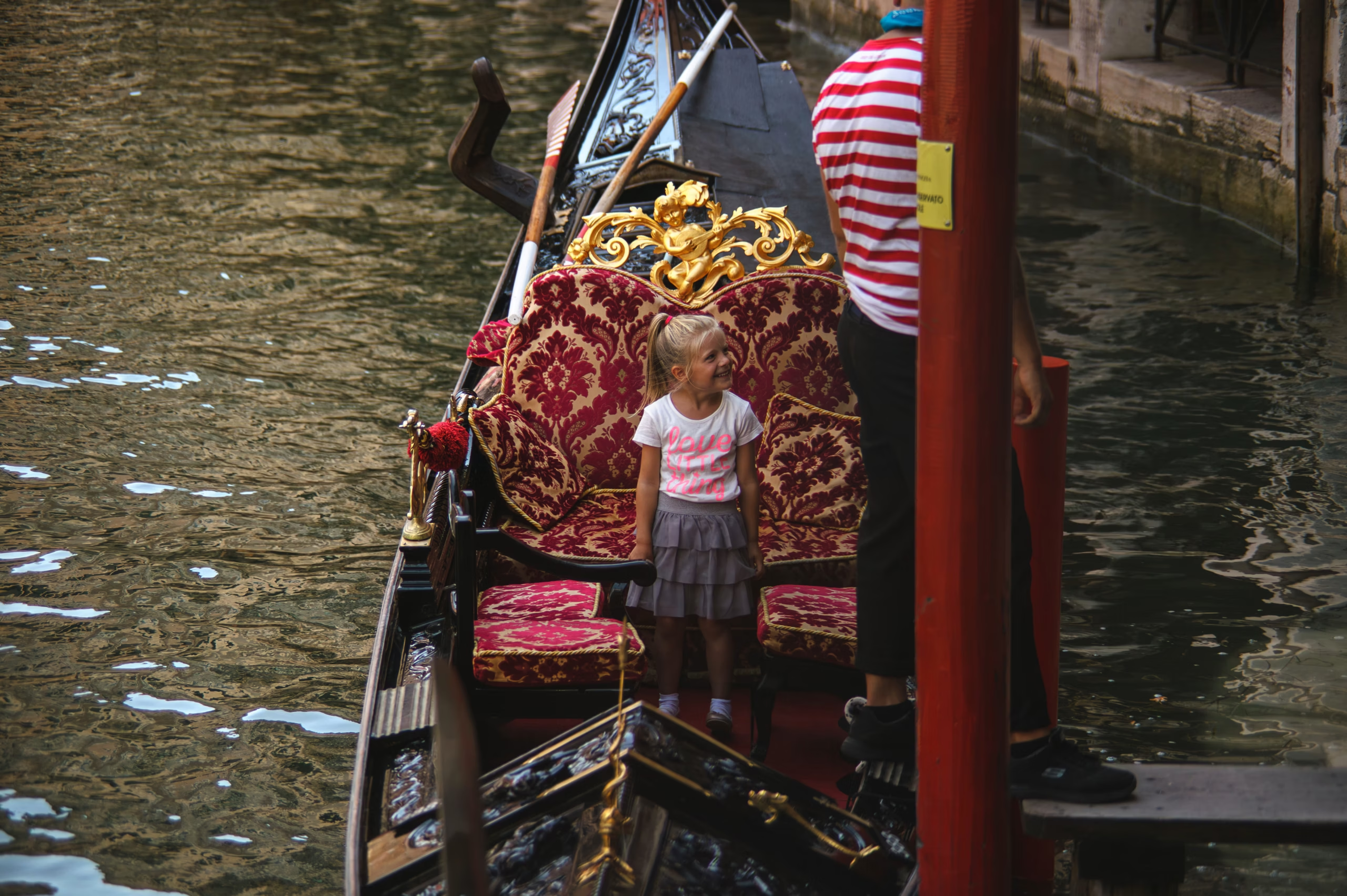
Farther on, a little girl stood inside a gondola.
Small.
Surrounded by red velvet and golden decorations extravagant enough to make a French brothel look restrained.
For a few minutes she could imagine herself a princess.
The gondolier, in his striped shirt, arranged the boat and waited.
He knew fairy tales run on a clock.
Thirty minutes.
Forty-five if you pay extra.
Then the princess gets off, the gondola is empty again, and the seat must be prepared for the next story.
Romantic cities work that way.
They sell the illusion that a place can do the work two people are no longer capable of doing.
A gondola.
A dinner.
A bridge at sunset.
And for a few hours you can pretend you never said unforgivable things, desire hasn’t begun to fade, and the trip isn’t merely an expensive attempt to remember why you chose each other.
Naturally, sometimes it works.
Sometimes two people truly look at each other.
The noise around them disappears.
The water reflects perfect light and, for a moment, nobody lies.
But that isn’t the gondola’s doing.
It belongs to those two people.
Everything else is upholstery.
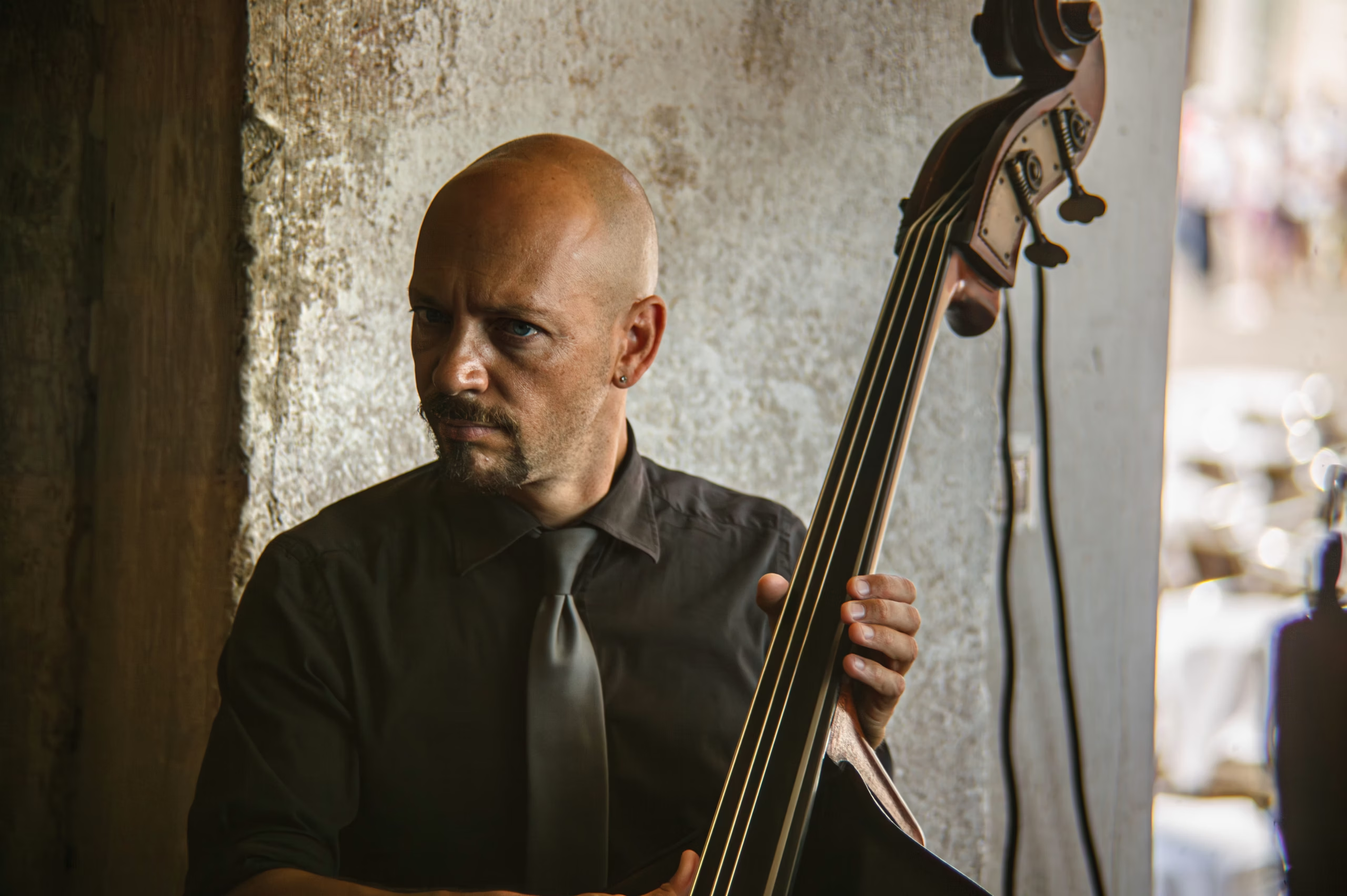
Beneath an arcade, I met a musician.
Dressed in black.
Head shaved.
One hand on the double bass.
He had the hard gaze of someone who spends his days playing romantic songs for people who don’t listen.
Perhaps he played weddings.
Perhaps receptions.
Perhaps dinners where married men stared at other women while pretending to appreciate jazz.
He held the instrument the way we hold someone we’ve known too long to idealize anymore.
With affection.
With effort.
And with the knowledge that if we let it go, we would no longer know who we were.
I didn’t hear what he was playing.
But I photographed him.
Some people carry music even when motionless.
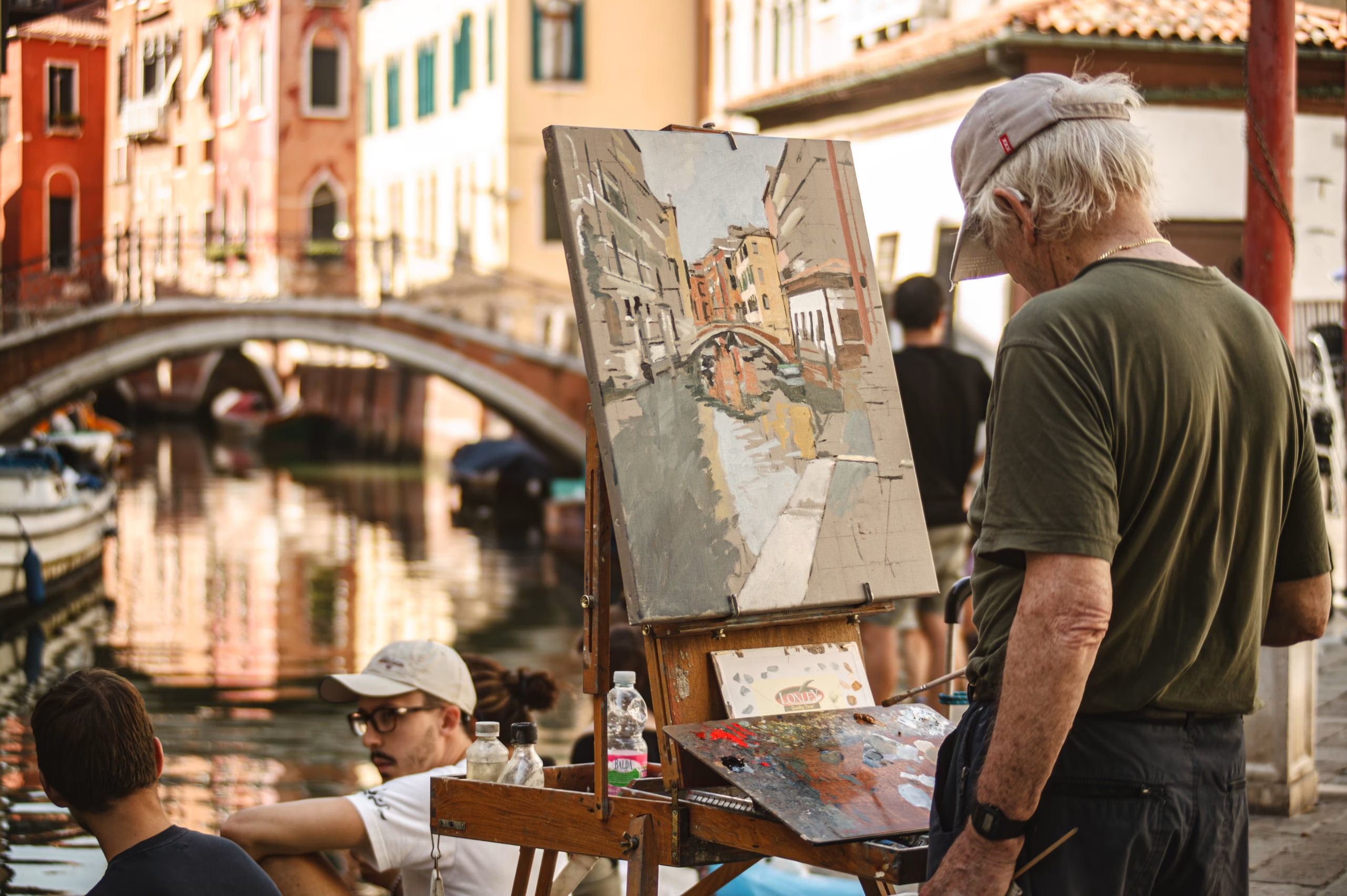
Soon afterward, I found a painter before a canal.
White hair.
Worn T-shirt.
A canvas full of buildings, water, and reflections.
He kept looking at the view and then the painting, as though arguing with both.
He was trying to stop a city that never stays the same even long enough to paint it.
The water changed.
The light moved.
A boat crossed the frame and fucked up the reflection he had just finished.
He began again.
Perhaps that is what painting means.
Trying to impose order on something with no intention of cooperating.
Photography too.
Writing too.
Loving someone too, if we’re stupid enough to keep trying.
We like to think art is born from inspiration.
Often it is born from frustration.
From a world that refuses to stand still.
From people who change their minds.
From light leaving just when we finally understood what to do with it.
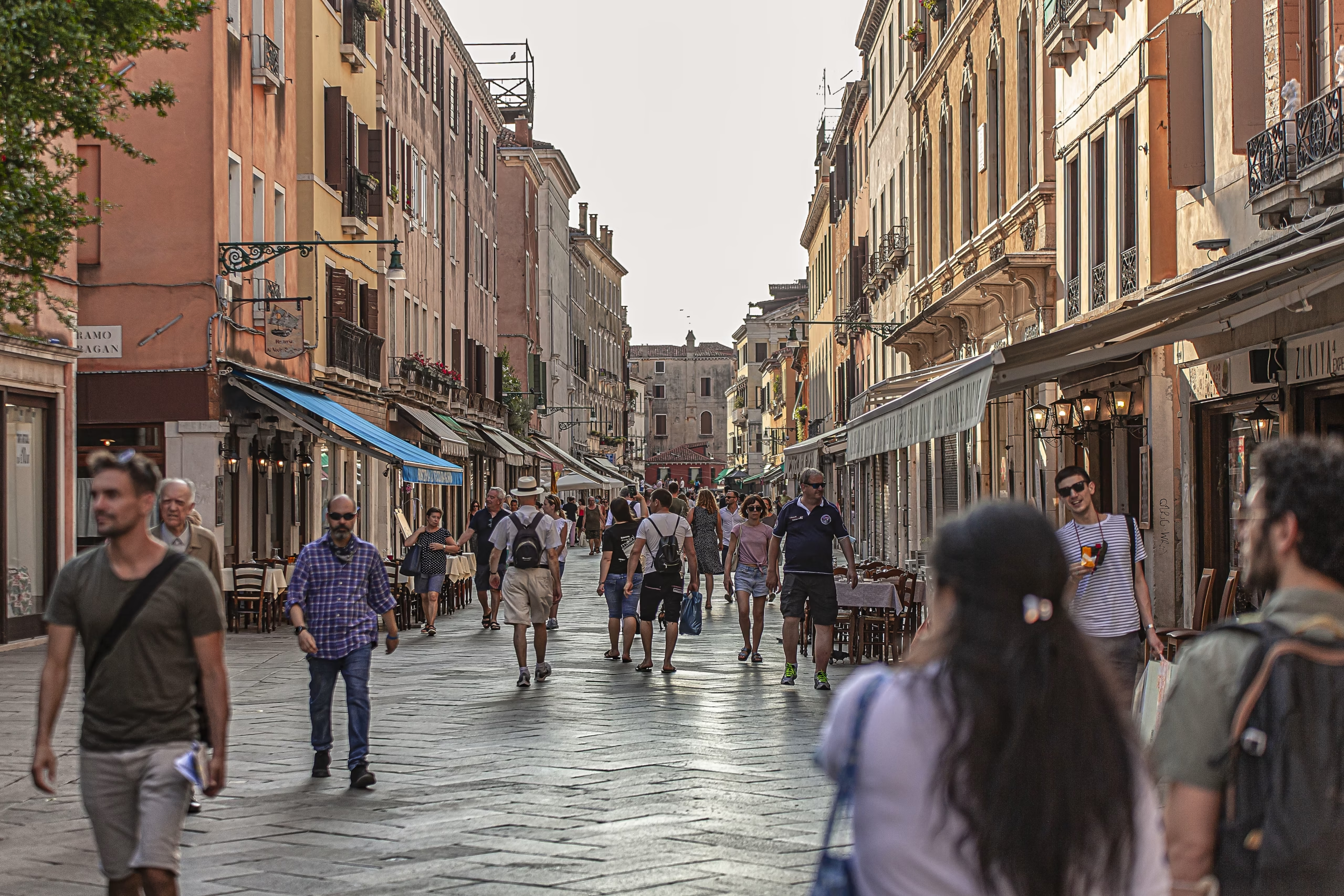
By noon the city was full.
Bodies everywhere.
Hats.
Bags.
Water bottles.
Guides raised above the crowd like commanders in a battle against time and restaurant reservations.
Everyone wanted to see everything.
It is a modern disease.
We visit a marvelous place and force ourselves to consume it.
Three churches.
Two bridges.
A museum.
Traditional lunch.
Photo by the canal.
Souvenir.
Then we return home more exhausted than when we left and say it was beautiful.
Venice allowed herself to be consumed.
She had learned to survive that too.
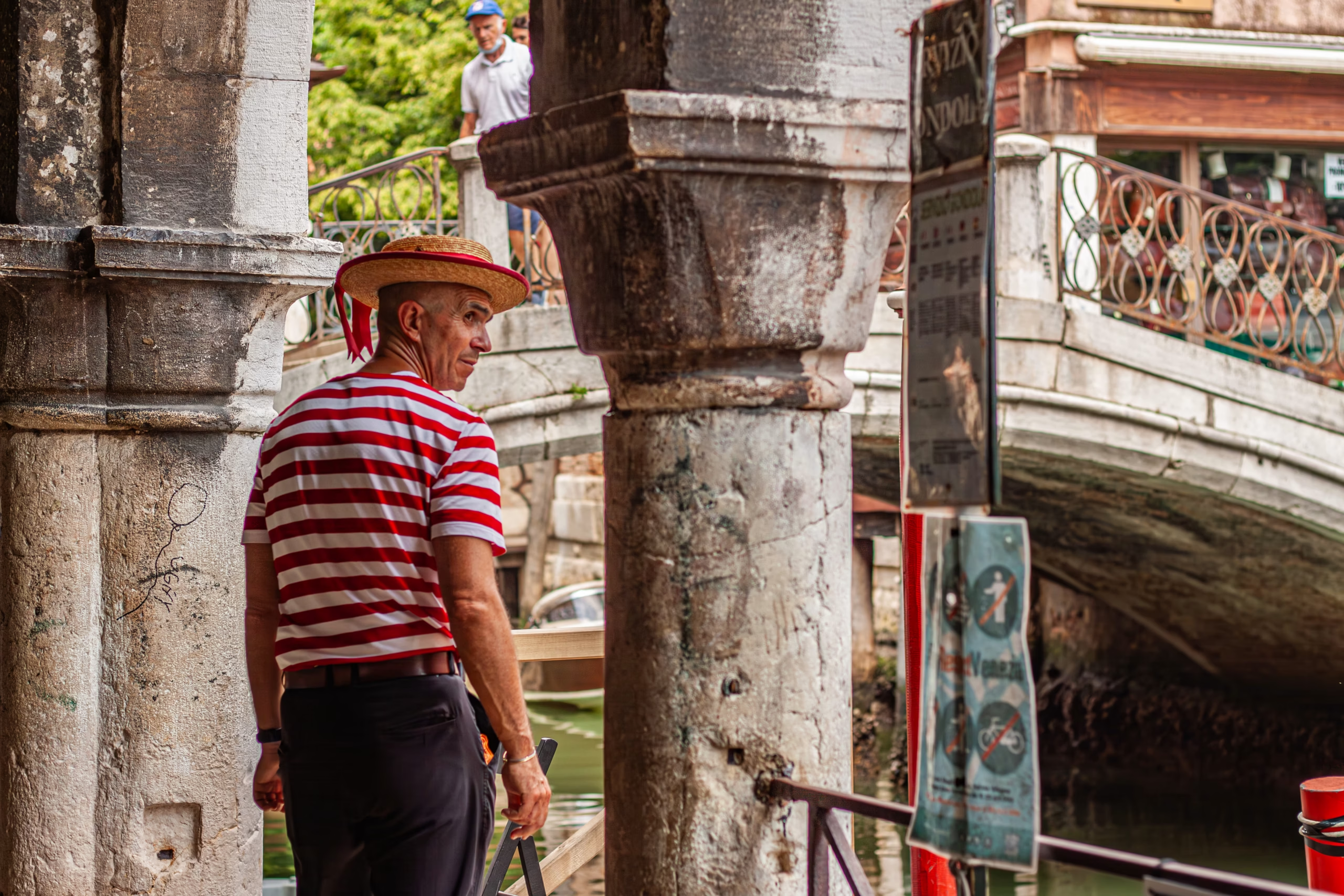
The gondoliers waited beside their boats in striped shirts, with the professional patience of men who sell romance by the hour.
One turned toward me.
He wore a straw hat, a knowing gaze, and the expression of a man who had seen enough marriage proposals to stop believing in love but enough tips not to say so aloud.
Behind him were bridges, columns, and water.
Ahead, the next couple ready to pay to feel like they were inside a movie.
I didn’t judge him.
We all sell something.
Our time.
Our bodies.
Our expertise.
A more bearable version of ourselves.
He sold forty minutes of beauty.
There were worse professions.
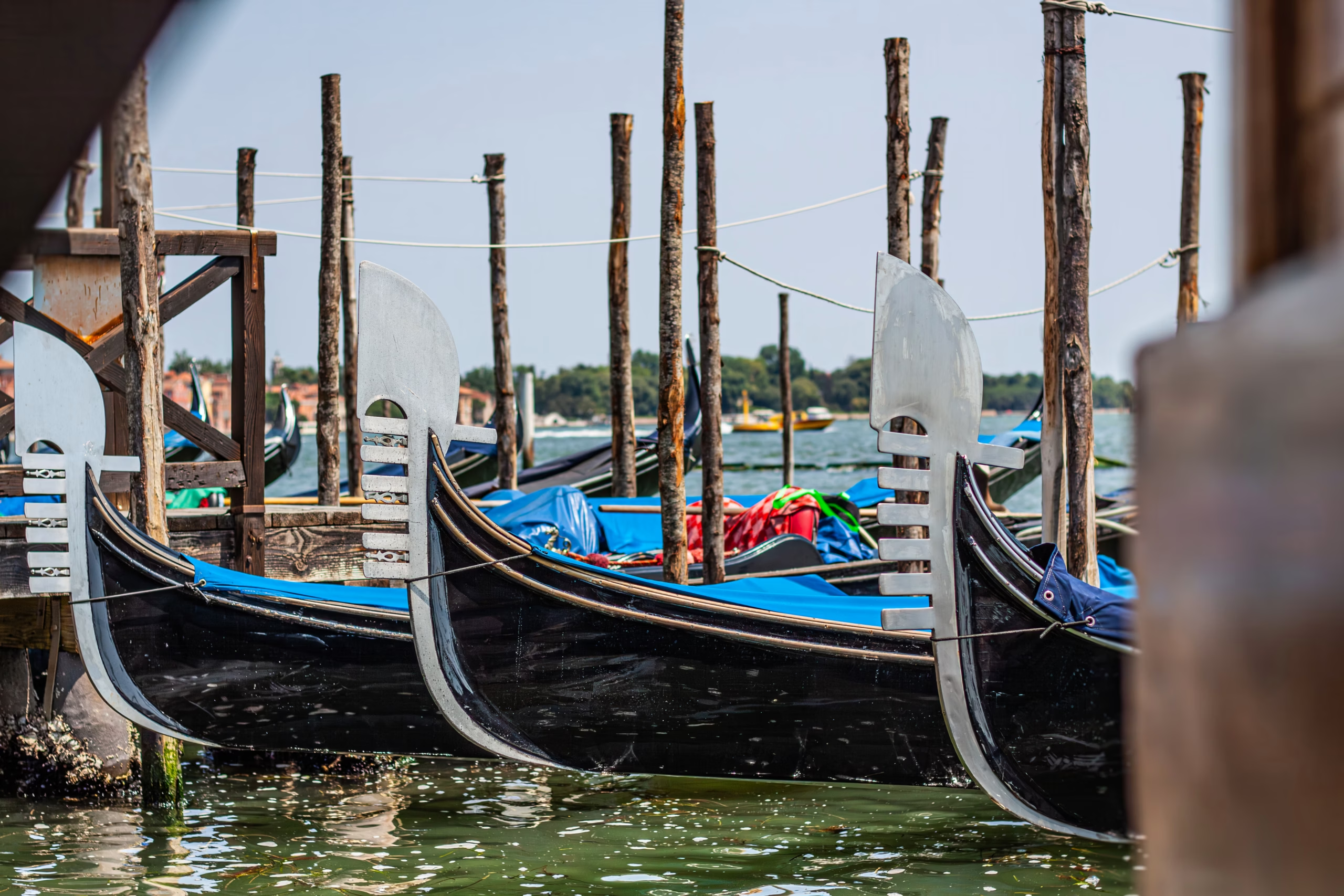
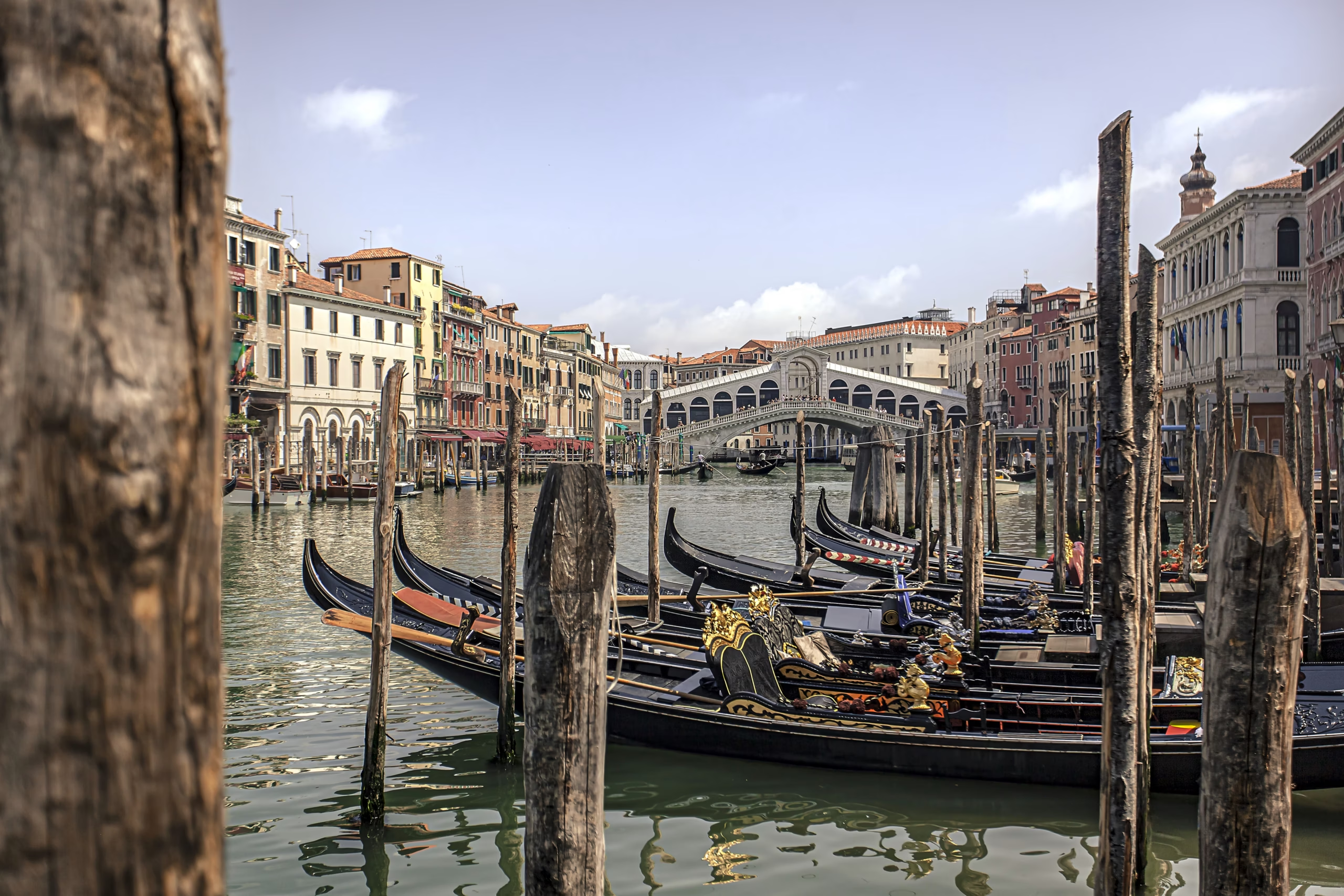
The gondolas waited tied to their poles.
Black.
Elegant.
Empty.
Without passengers they resembled sleeping animals, faintly unsettling and too beautiful to trust.
They rocked with small movements, barely touching.
Even still, they continued to travel.
That is what water does.
It allows nothing to remain completely motionless.
Not even stones.
Not even memories.
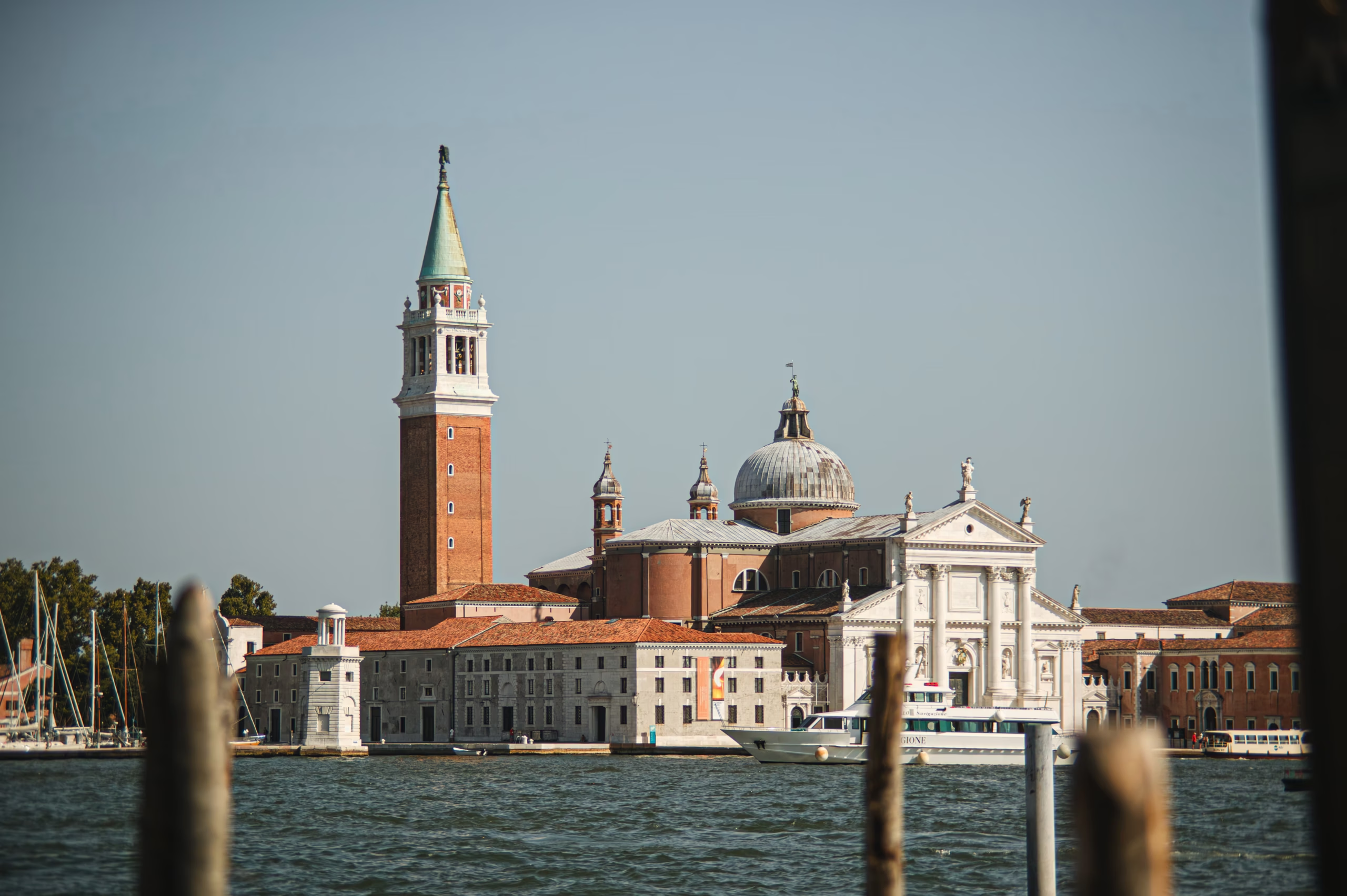
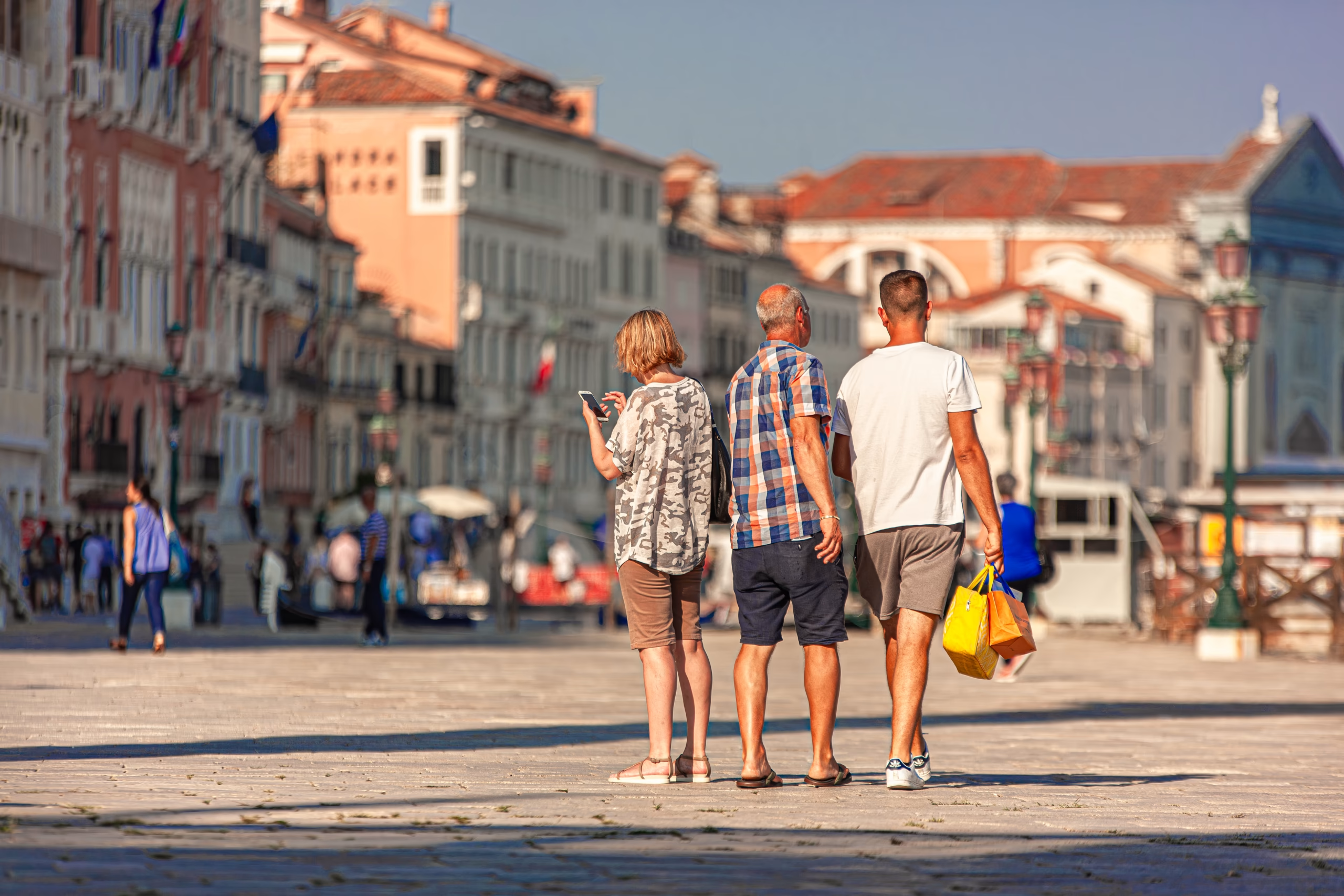
Before the lagoon, three people watched the city from a distance.
One checked a phone.
The others watched the horizon.
Perhaps they were looking for the way.
Perhaps debating where to eat.
Perhaps they were living one of those moments destined to become important only many years later, when one of the three was gone and the others found that photograph at the bottom of a folder.
They didn’t know.
No one ever knows when they are building a memory.
That is what makes memories such bastards.
They happen while we’re distracted.
While checking a map.
While complaining about the heat.
While asking how much farther.
Then years later, we would give anything to return to the exact moment we lacked the decency to appreciate.
In a puddle I saw a building’s reflection.
Upside down.
It trembled in the dirty water whenever someone passed nearby.
It seemed the city’s most honest portrait.
Not the perfect facades.
Not the domes.
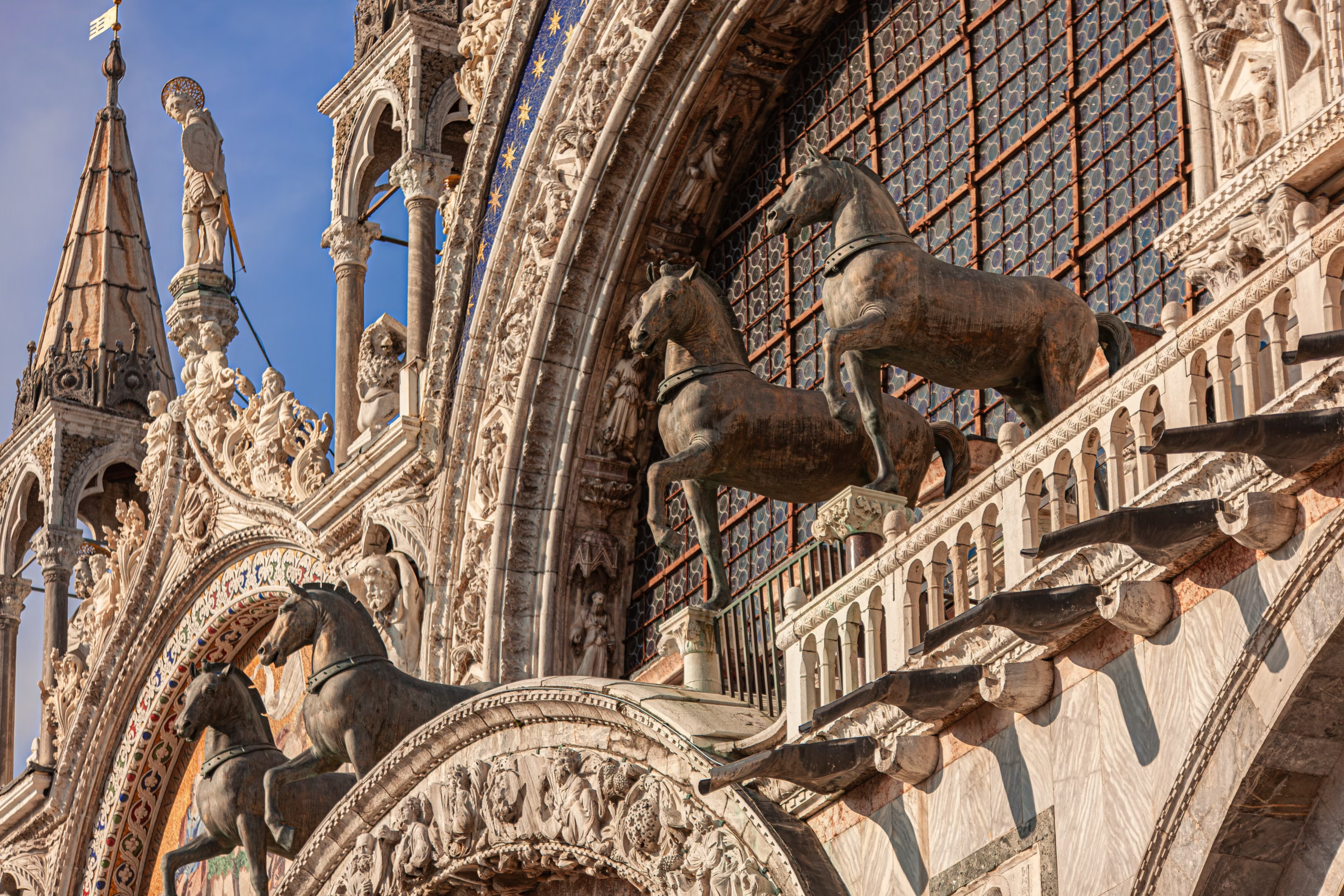
Not the bronze horses suspended above entrances as though even they were trying to escape.
A puddle.
Venice inverted.
Fragile.
Distorted.
Magnificent anyway.
Perhaps authentic beauty begins precisely when it stops worrying about appearing perfect.
The worn doors, split walls, fallen plaster, and closed windows told more truth than every promotional photograph.
The city was aging before millions of people who kept demanding that she look eternal.
It is a cruelty we reserve for beautiful things.
And beautiful women.
And artists.
We love them while they manage to hide time from us.
When they begin showing its marks, we say they aren’t what they used to be.
As though we, meanwhile, had remained intact.
I walked on.
Through narrow alleys where sunlight arrived only in pieces.
Across bridges invaded by people.
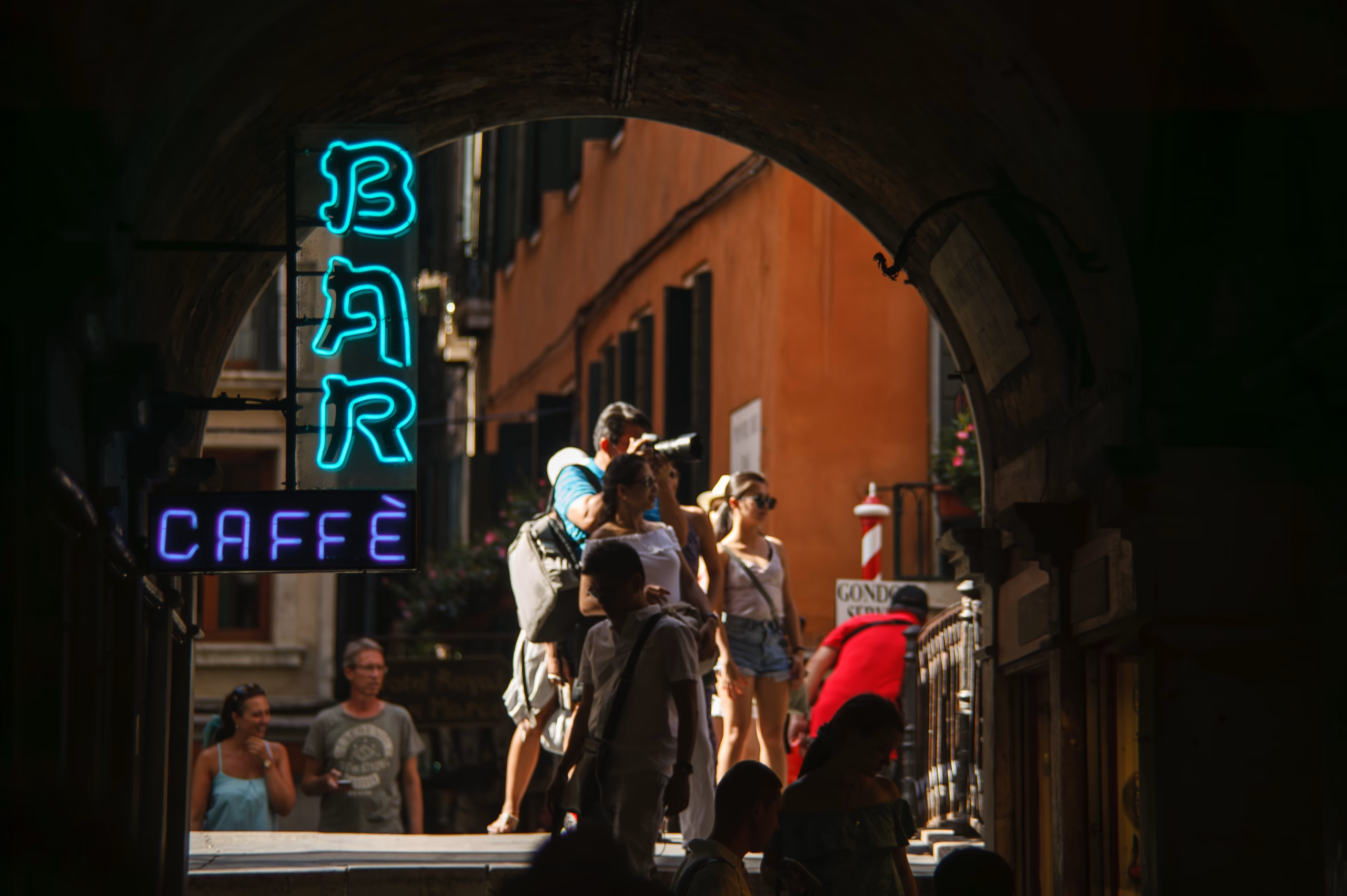
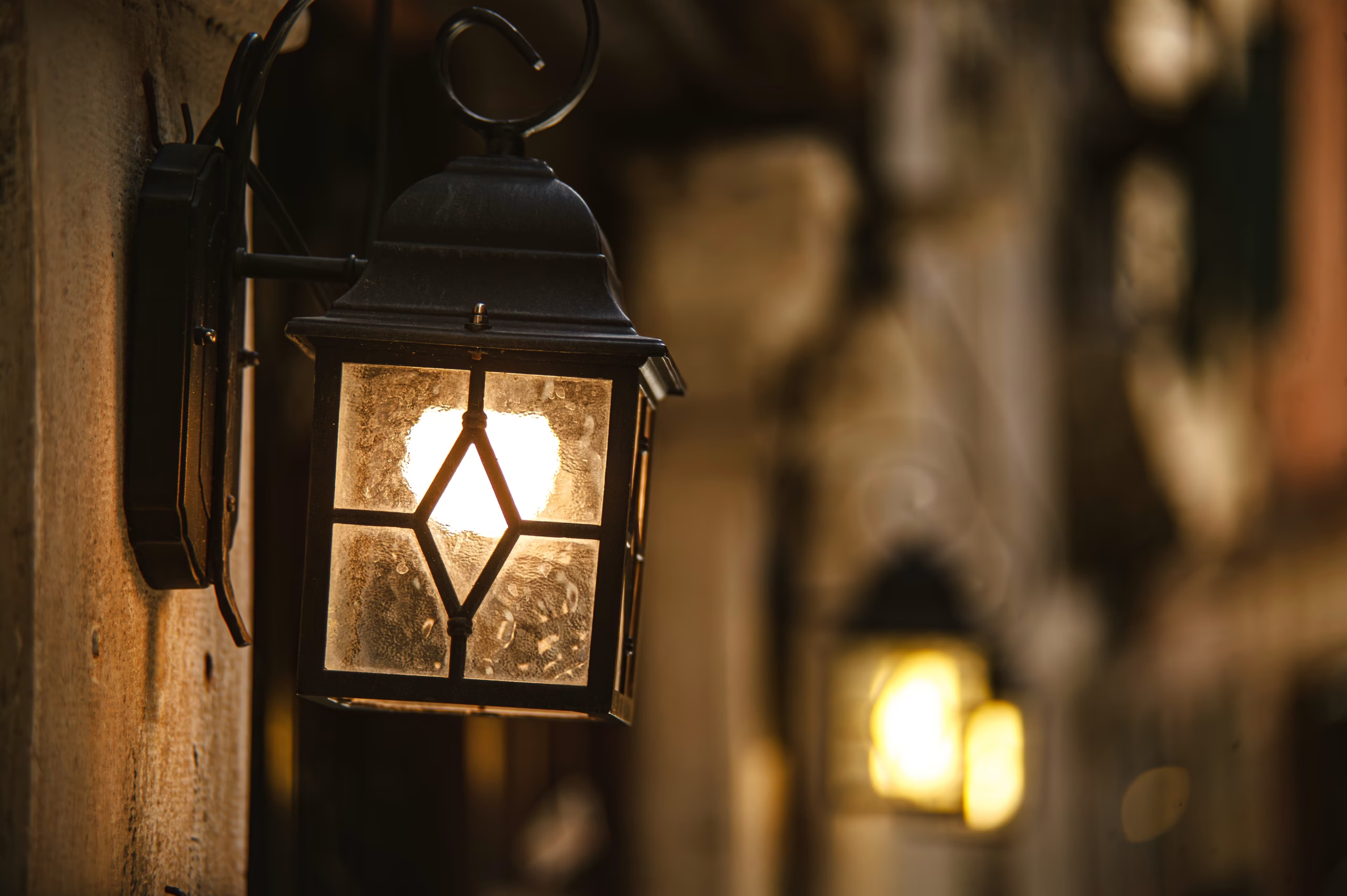
Among shops, bars, neon signs, and lamps burning even by day.
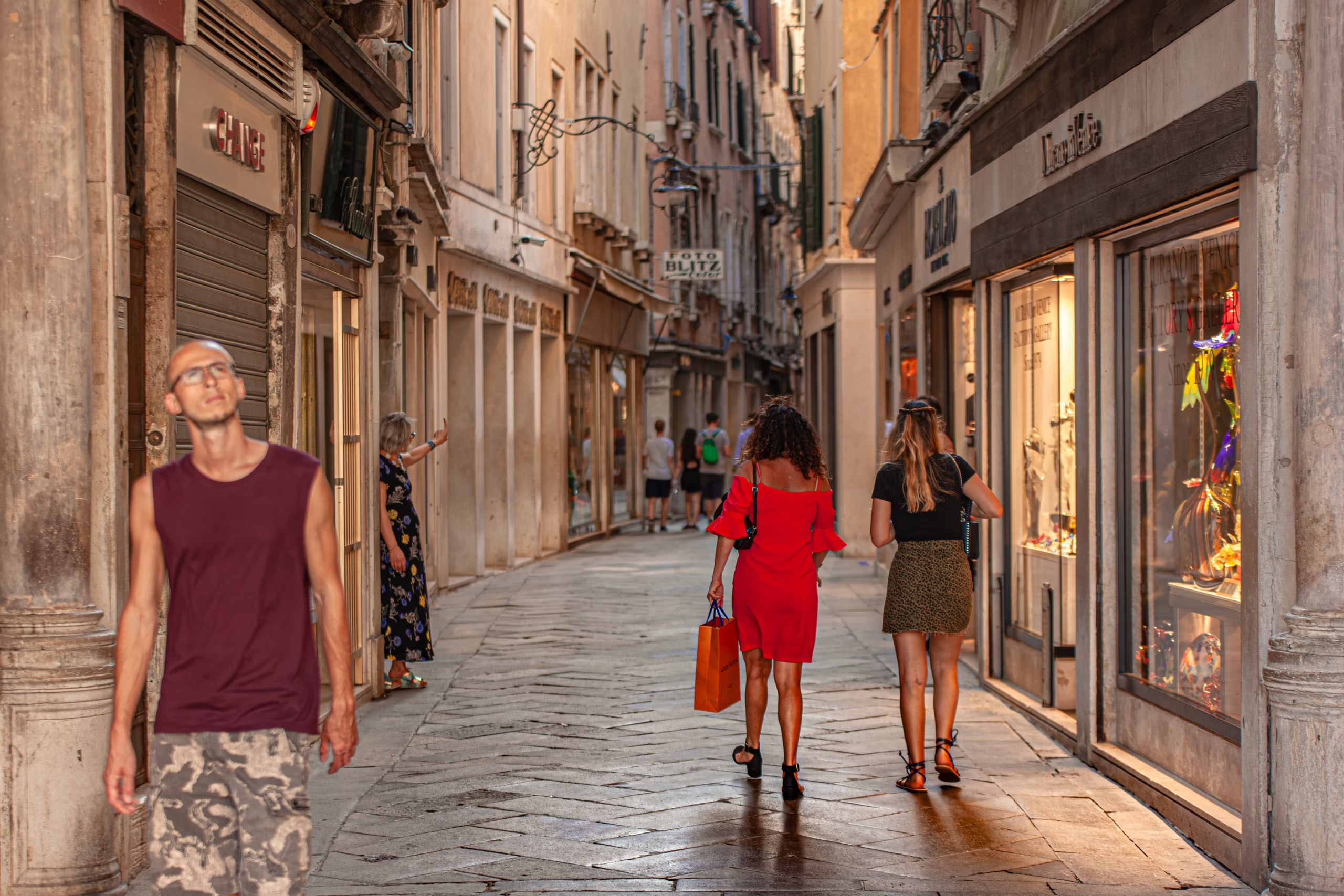
Two women walked ahead of me, one dressed in red.
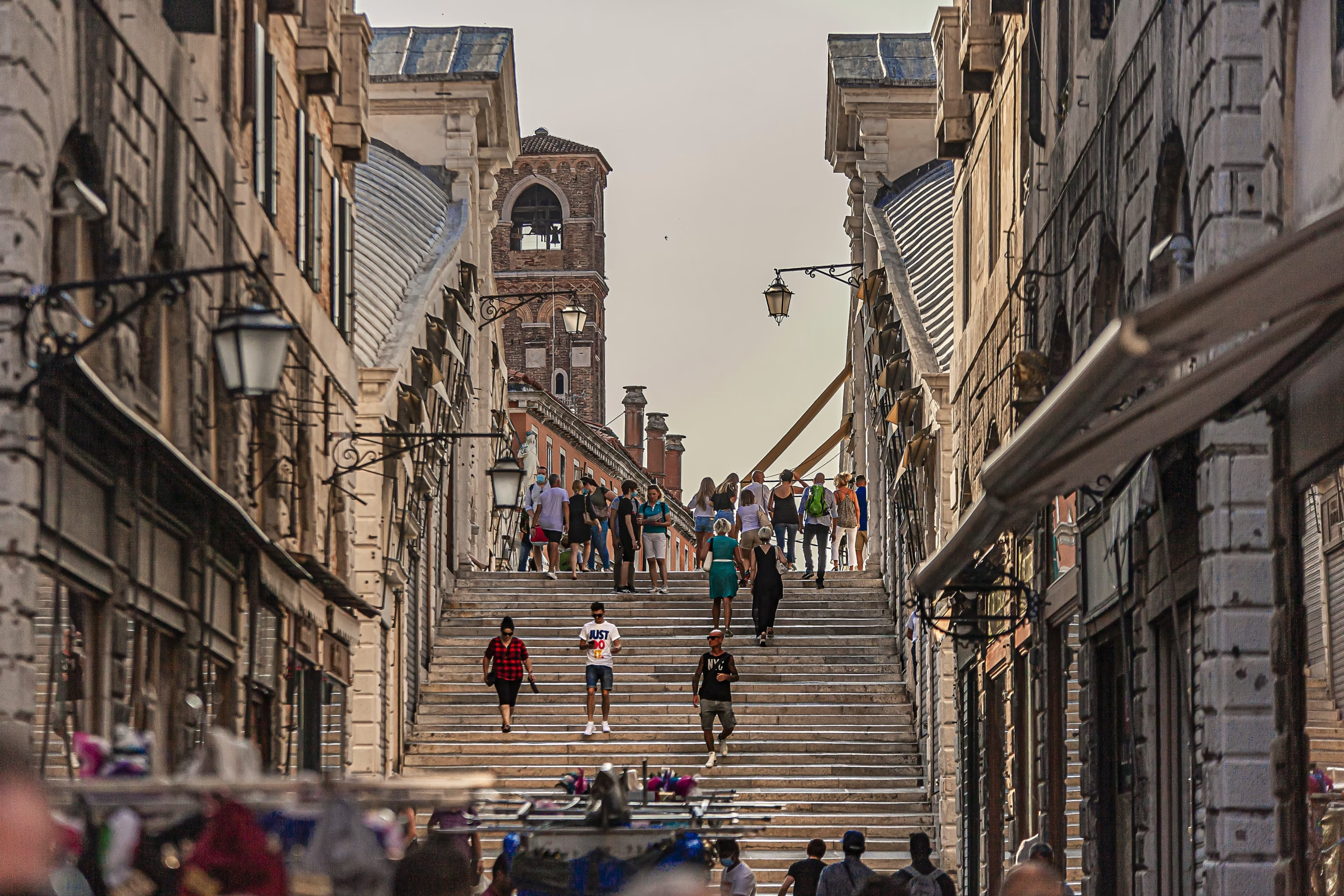
Others climbed a long staircase, bent beneath bags, backpacks, and that unshakable faith that whatever lies at the top of some steps must be worth the climb.
The city kept revealing herself.
One corner at a time.
Never all at once.
Perhaps that was how she defended herself.
Had she offered everything immediately, we would have photographed, consumed, and forgotten her even faster.
Instead, she forced us to get lost.
To wander.
To choose the wrong direction.
To end up before a wall, a locked door, or a narrow canal without a bridge.
And while trying to return to the proper route, perhaps see something we hadn’t planned.
A window.
A face.
A man cleaning a gondola.
The work behind the fairy tale.
That was the final photograph.
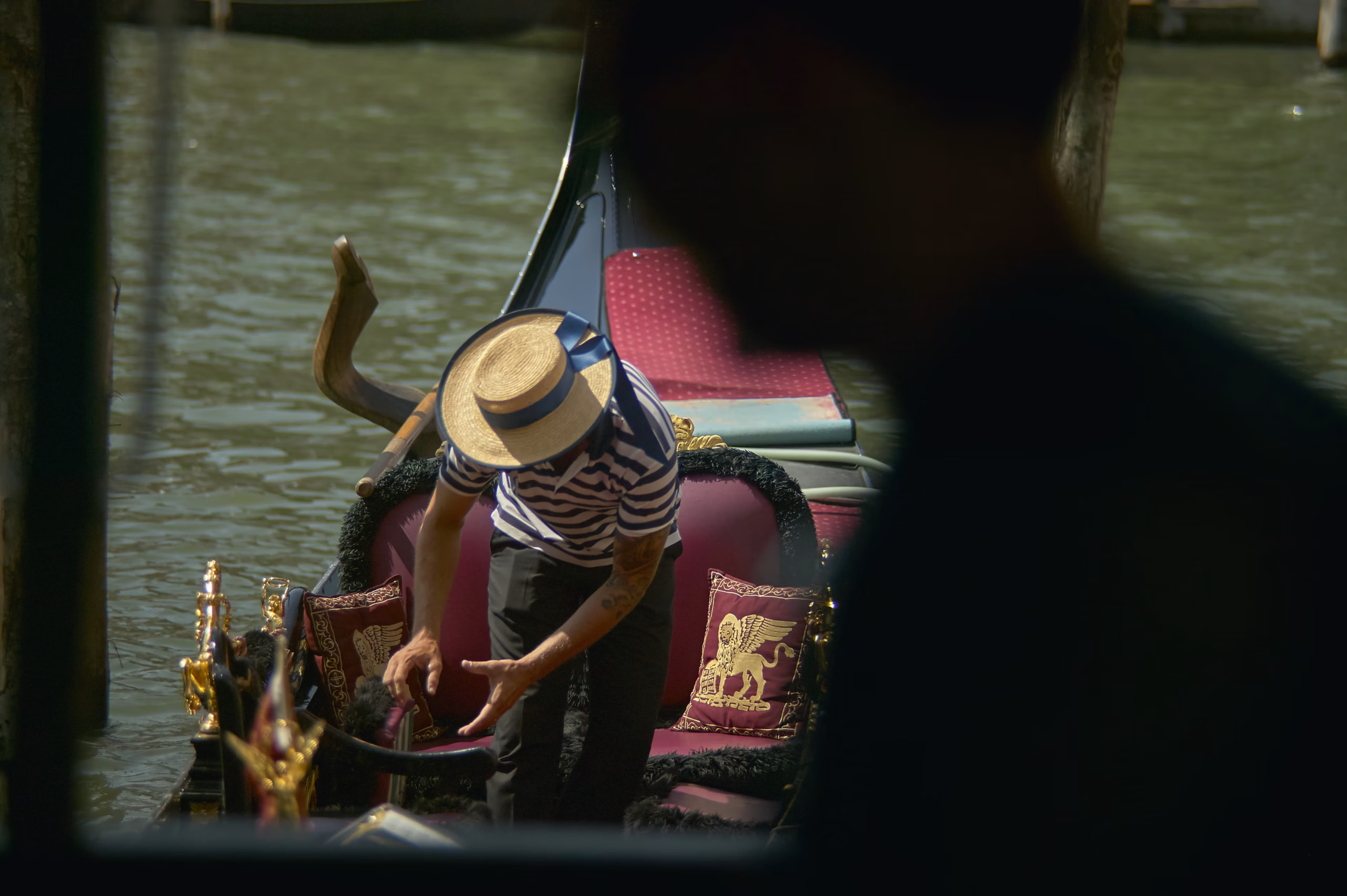
A gondolier bent over the red seat, arranging the boat.
The tourists had left.
The love story was over.
Or perhaps merely continuing elsewhere, between an overpriced bill and an argument over who had forgotten the tickets.
He put everything back in order for the next ones.
Smoothed the velvet.
Checked the decorations.
Prepared the scene.
Tomorrow another man would hold a woman on that seat.
Whisper something in her ear.
She would smile.
Perhaps they would love each other for life.
Perhaps they would separate before Christmas.
The city didn’t care.
Venice doesn’t promise love will last.
She only promises that while it happens, it will have a beautiful backdrop.
When I left, I hadn’t photographed the city on the postcards.
Or perhaps I had.
But I had caught her distracted.
While she worked.
While she waited.
While she aged.
While she let millions of strangers pass over her without ever truly possessing her.
She hadn’t told me about her monuments.
She had shown me the cracks.
The reflections.
The people.
The labor required to keep standing something everyone demands be eternal.
Venice didn’t love me.
She loves none of us.
She lets us arrive.
Seduces us.
Allows us to carry away a few photographs and the illusion that we understood her.
Then escorts us to the station and returns to wait for the next one.
She has always been that way.
Beautiful.
Tired.
Impossible.
Everyone arrived saying they loved her.
Nobody stayed.
And perhaps that was exactly why she remained so damn beautiful.