Today I’m here to talk about an age when cars had souls, men still had the nerve to risk something, and plastic was used to wrap sandwiches—not build entire interiors.**
It wasn’t even a proper stop.
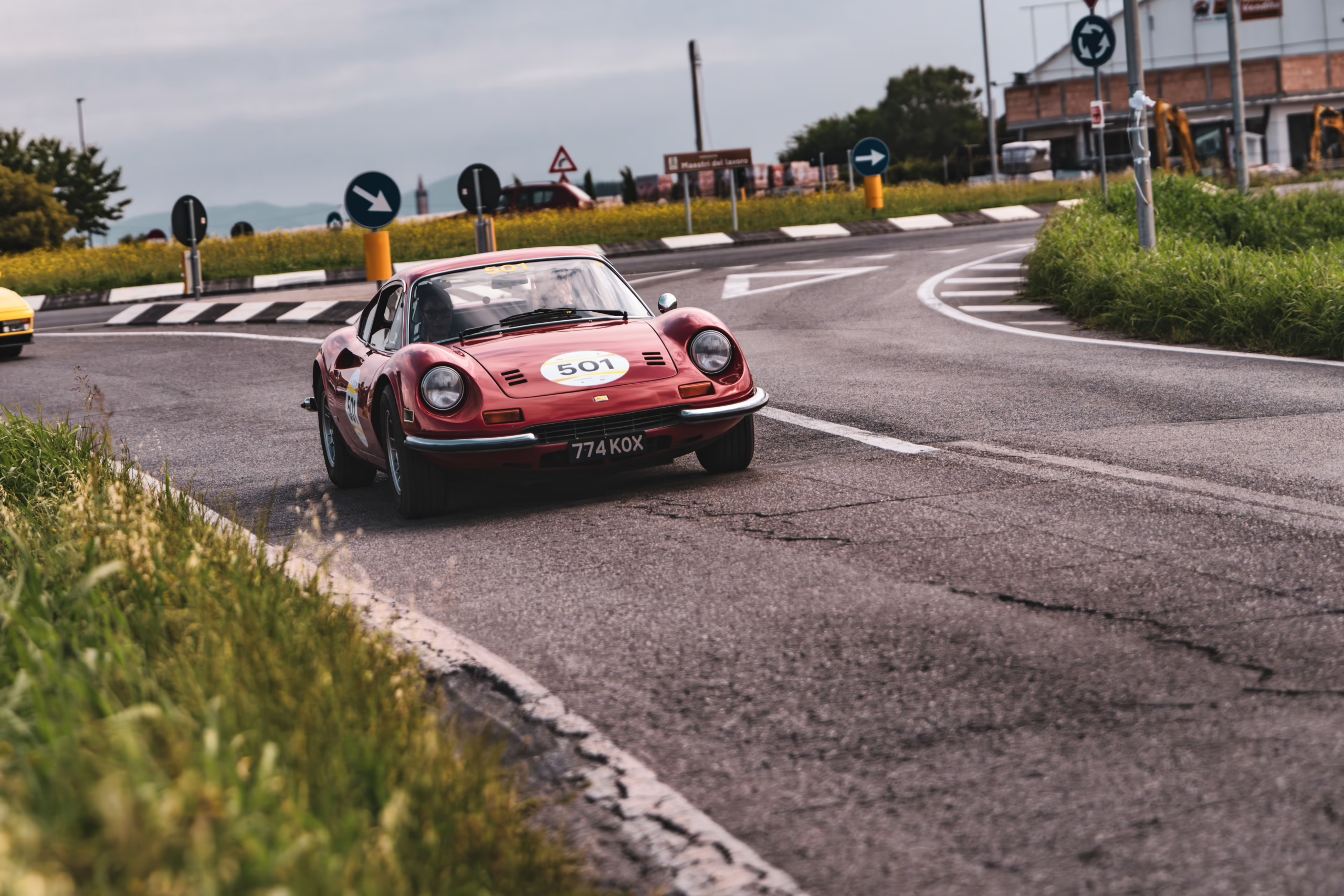
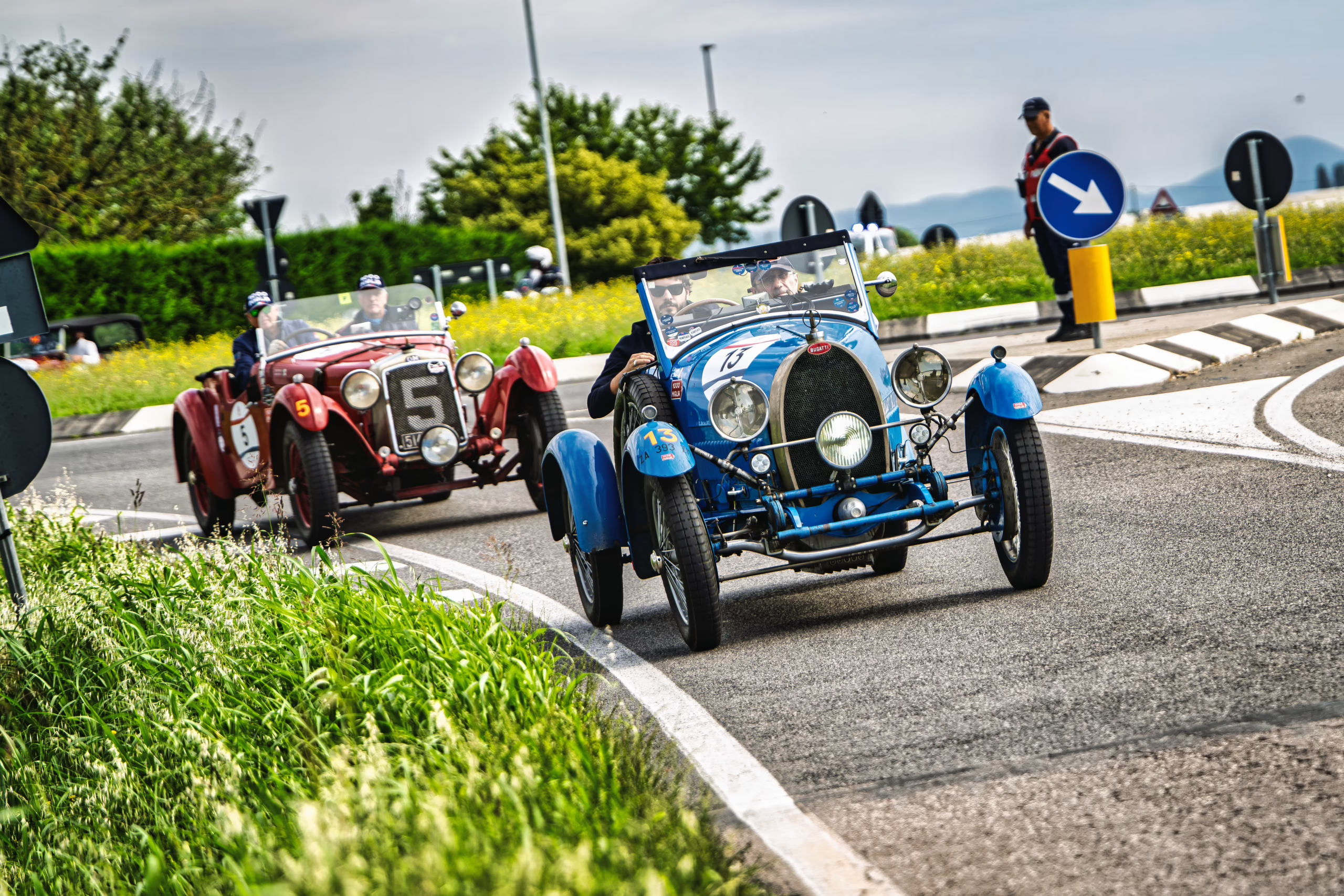
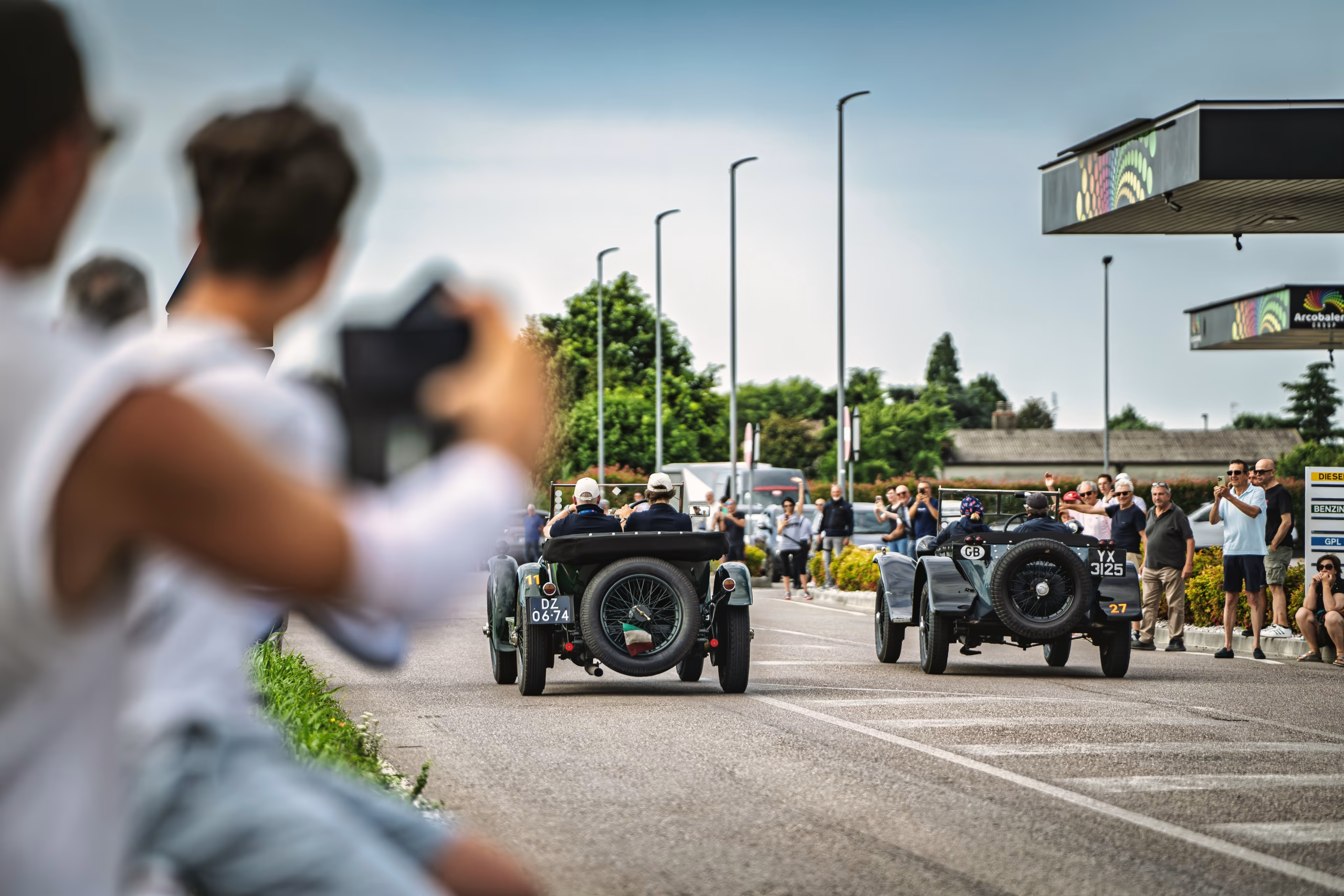
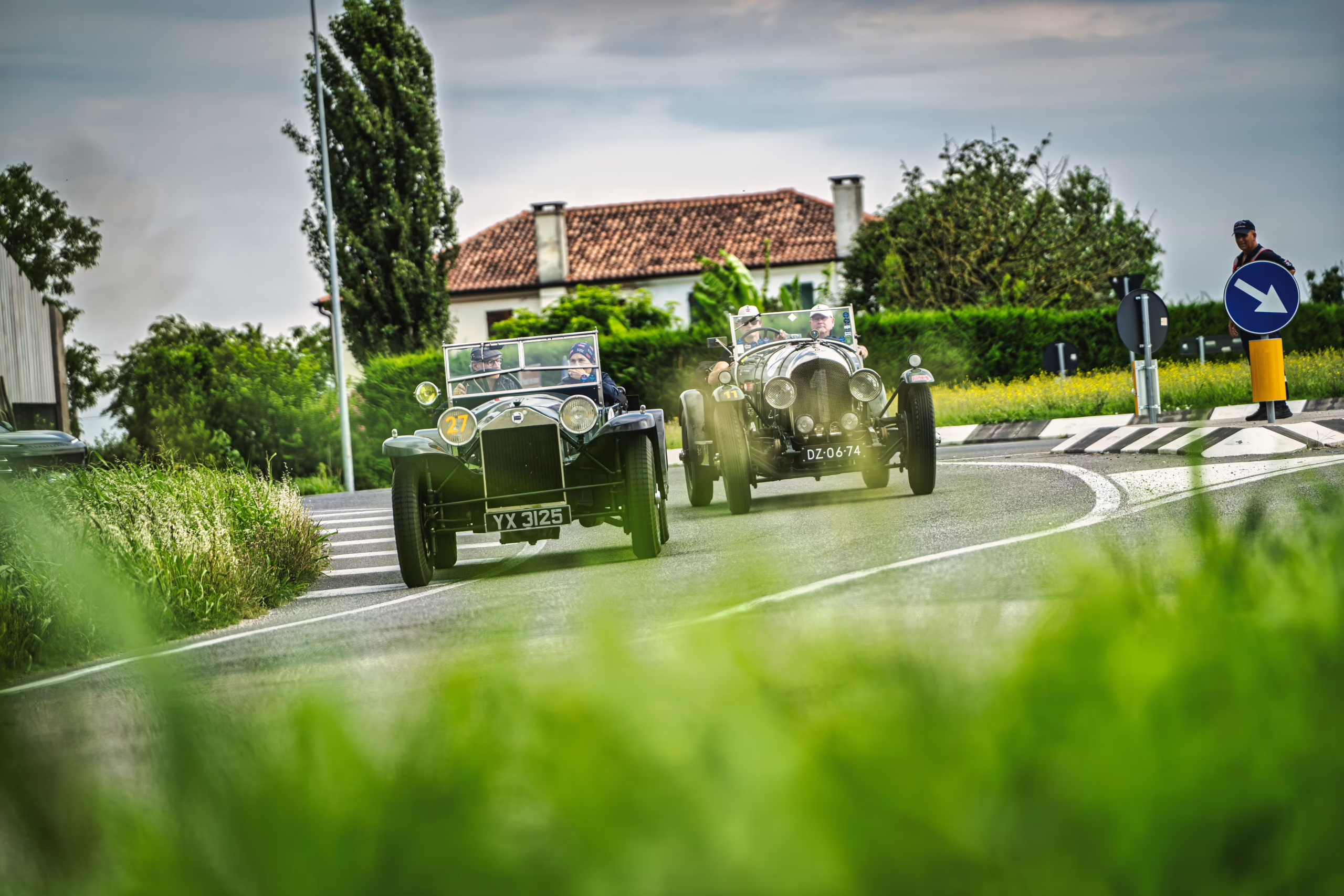
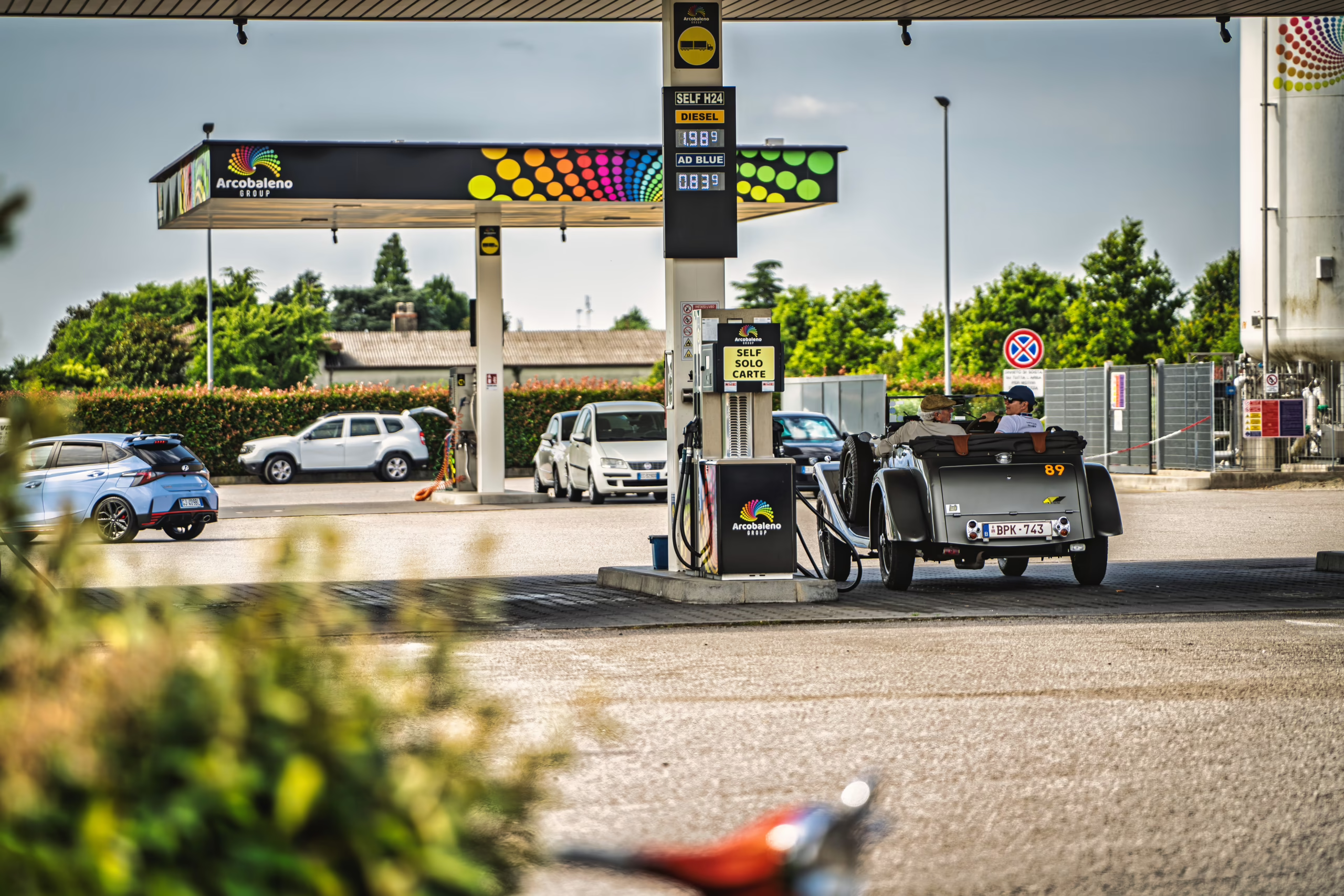
It was a secondary passage of the Mille Miglia, the kind that earns perhaps one line on the official map and never makes the papers the next day. A provincial roundabout, a few houses, tall grass along the road, and a gas station. The sort of place where the day’s most exciting event is usually someone forgetting the right of way.
Then they arrived.
The noise came first.
Not the filtered, sampled, disciplined noise of modern cars. Mechanical noise—dirty and uneven. Pistons, gasoline, scrap metal, and bad intentions. The sound of something making no effort to be quiet, efficient, or socially acceptable.
Then the bodies.
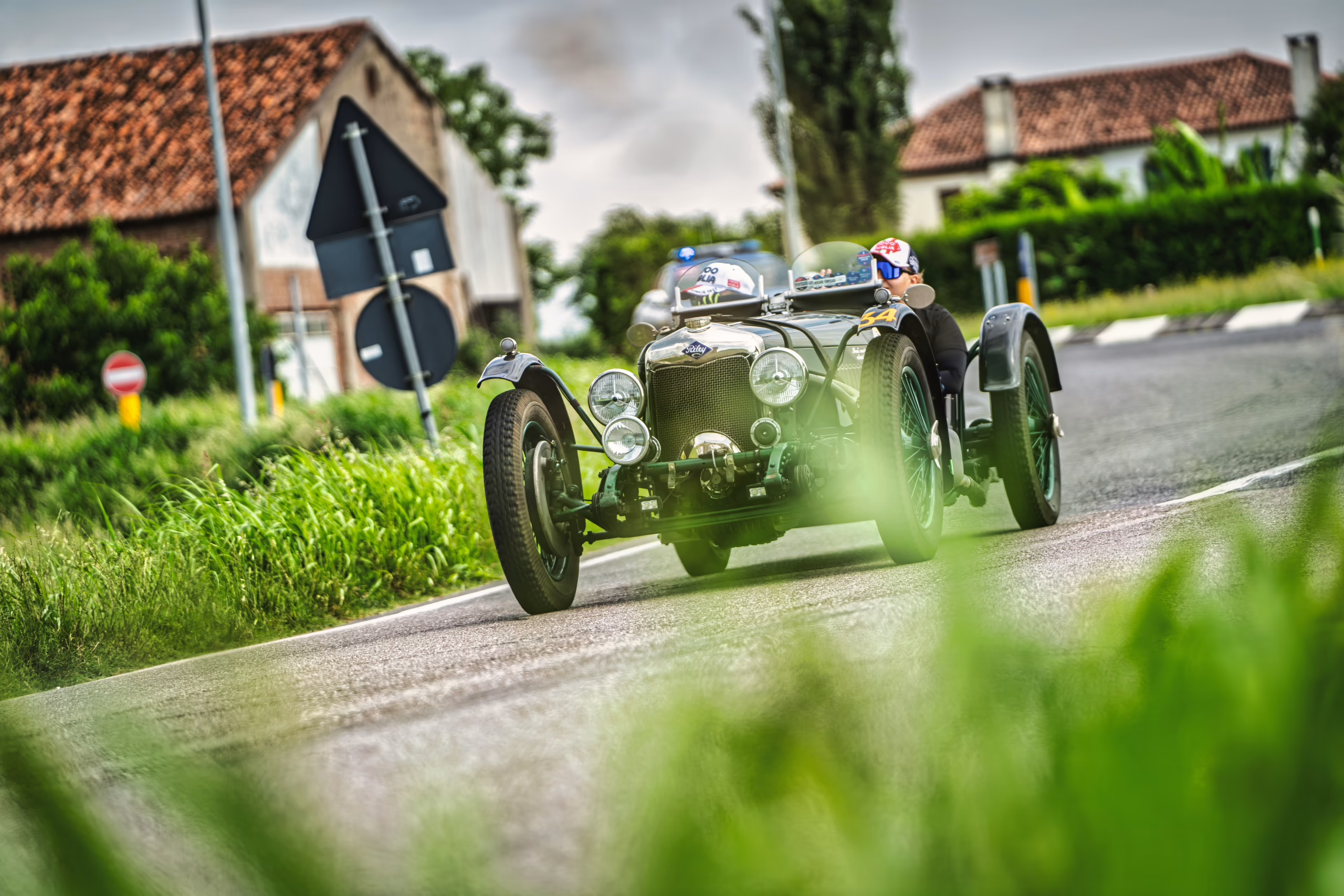
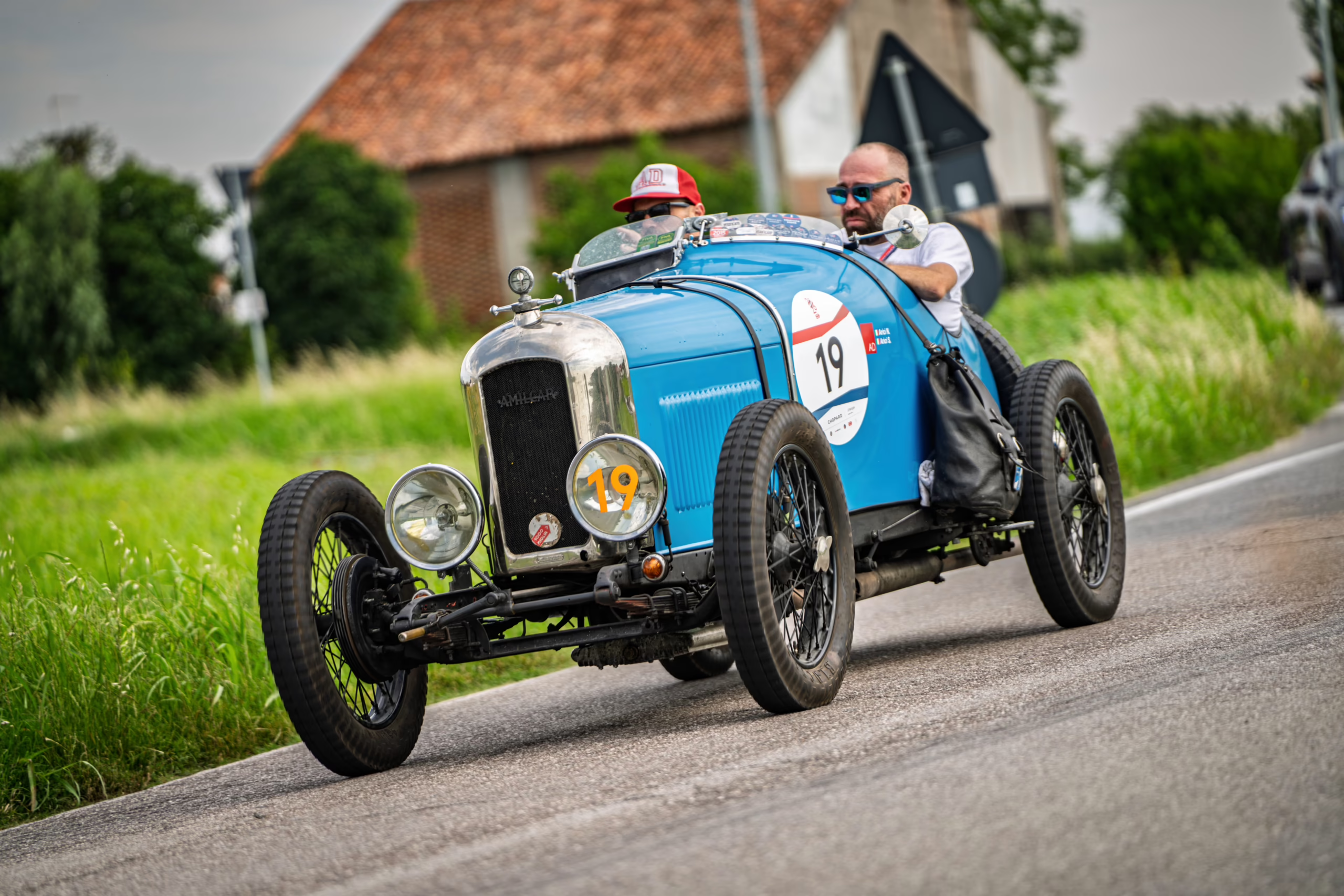
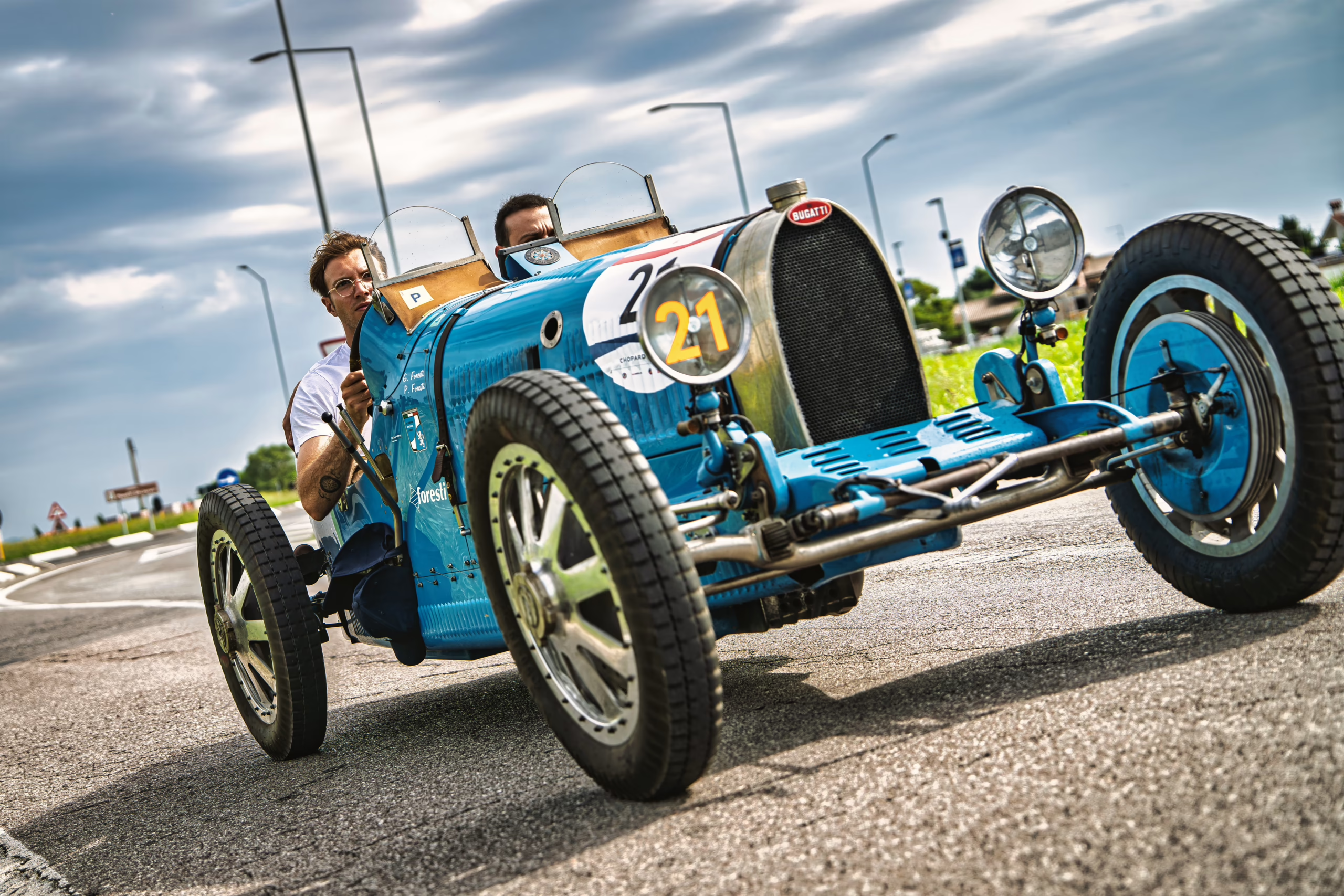
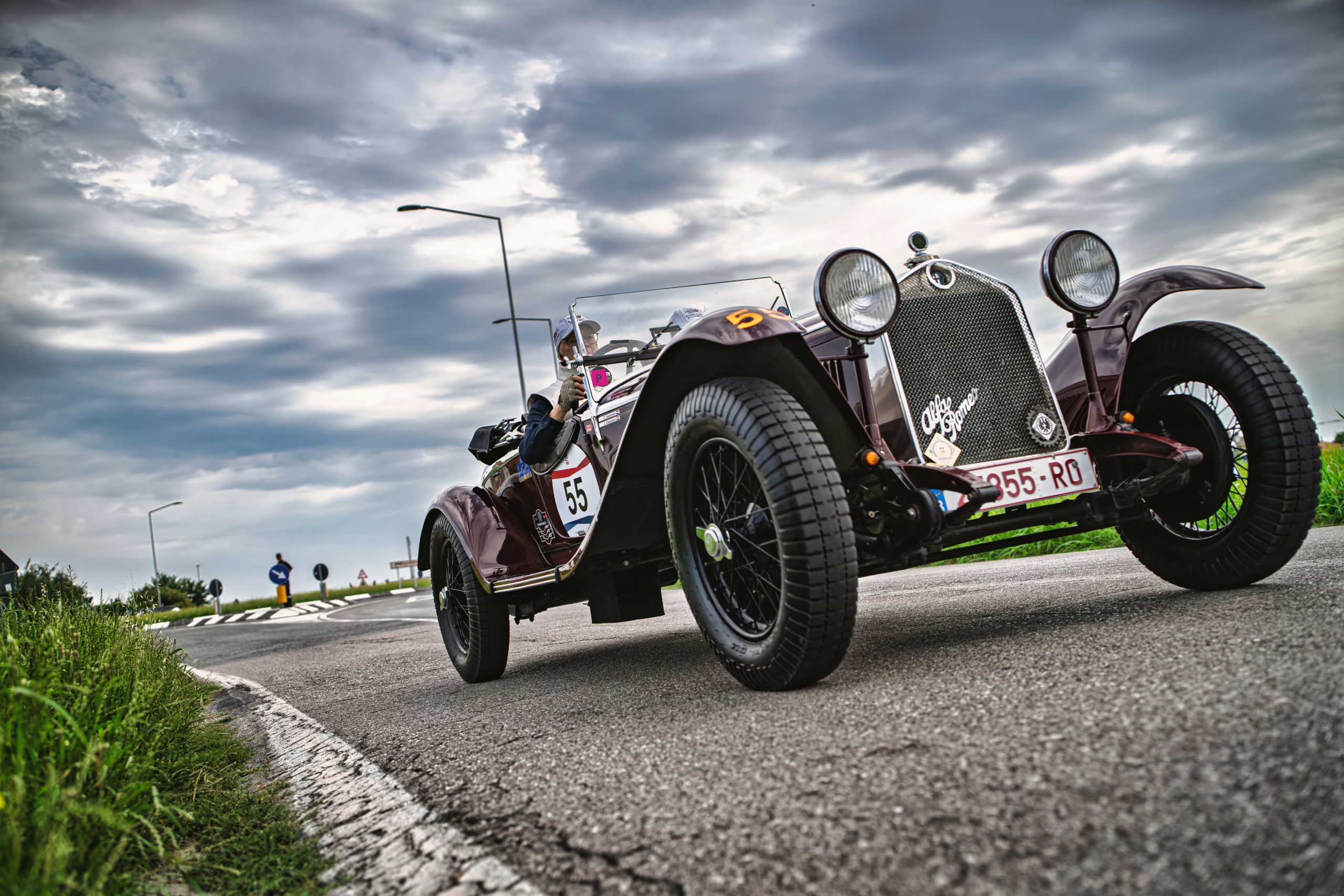
Endless hoods, exposed wheels, windshields seemingly fitted more out of politeness than any real faith in their usefulness. Low, narrow, uncomfortable cars, probably capable of breaking your back before you ever reached the finish line.
And they were magnificent.
Not despite their flaws.
Precisely because of them.
Today we build cars designed by committees whose primary goal seems to be offending no one. They have to please everyone, sip fuel, park themselves, connect to your phone, remind you to drink water, and preferably apologize if the seat feels a little cold.
The result is that they all look alike.
Trendy, swollen little boxes filled with screens and electronic assistants. The badge on the hood changes, but beneath it lies the same philosophy: enough personality to stand out in an ad, not enough to frighten the marketing department.
Once, a car was designed to race.
Or to travel.
Or to win.
Or simply because someone in a smoke-filled workshop had decided that curve would look fucking beautiful even if it made the part harder to manufacture.
Today it is designed to survive a focus group.
That’s progress, they say.
And in many ways they’re right. Today’s cars are safer, more efficient, more reliable. They protect you from crashes, mistakes, and, judging by certain driver-assistance systems, even the nuisance of having to drive.
Fantastic.
Too bad that along the way they began protecting us from emotion too.
Those old cars, by contrast, never promised to save you.
They offered you a thin steering wheel, a few gauges, an engine up front, and the very real chance that every journey would become either a story worth telling or a rather embarrassing call to a tow truck.
There were no driving modes.
No *Comfort*, *Sport*, *Eco*, or *Individual*.
There was only one mode: **let’s see what the fuck happens**.
And perhaps that was exactly the appeal.
Life had not yet been sterilized.
There was friction. Risk. The feeling that objects demanded something of you. You had to know them. Listen to them. Learn their noises, their moods, the exact point where the clutch began to bite.
You weren’t merely buying a car.
You were beginning a relationship.
A toxic, expensive, frequently oil-soaked relationship, certainly—but a relationship nonetheless.
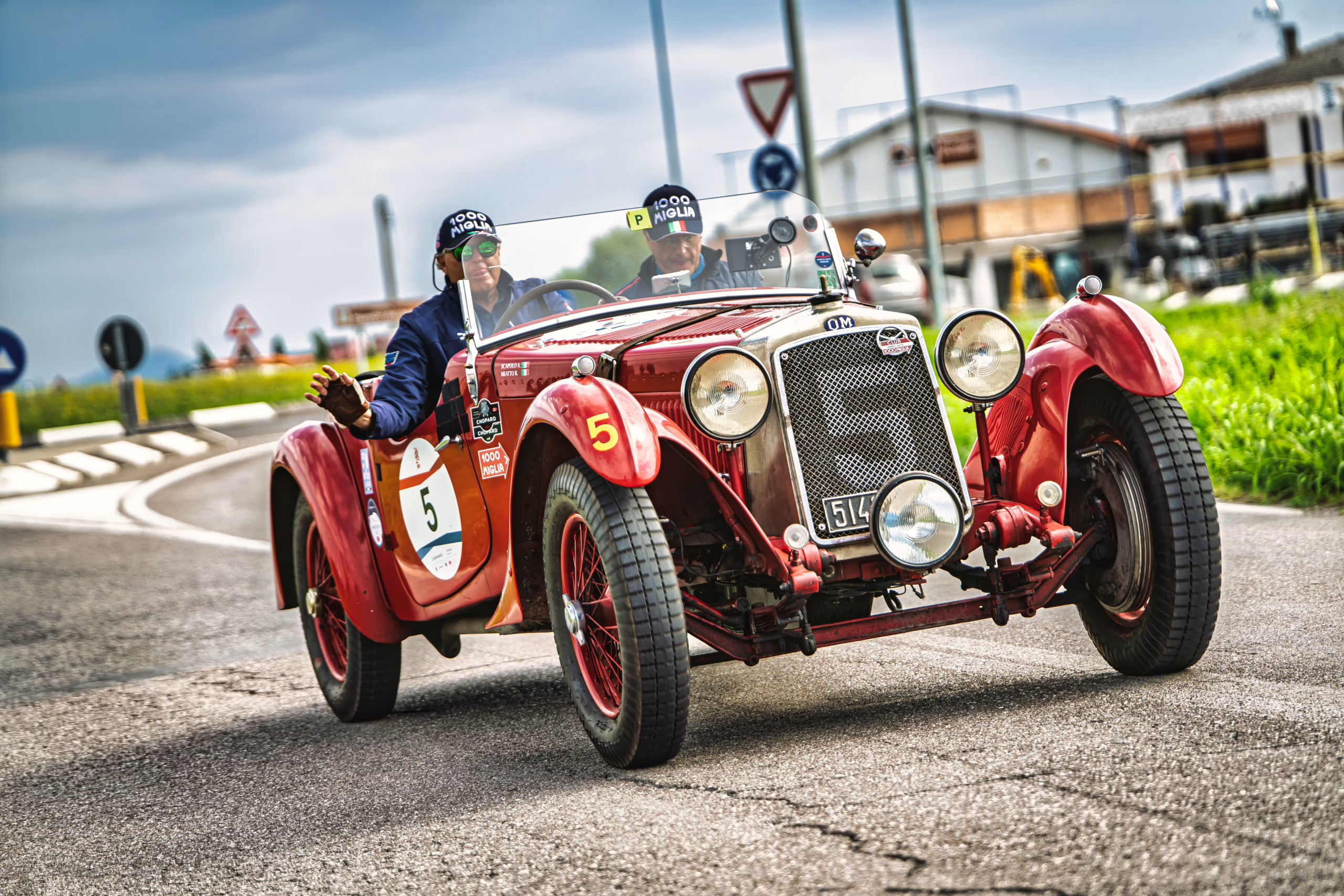
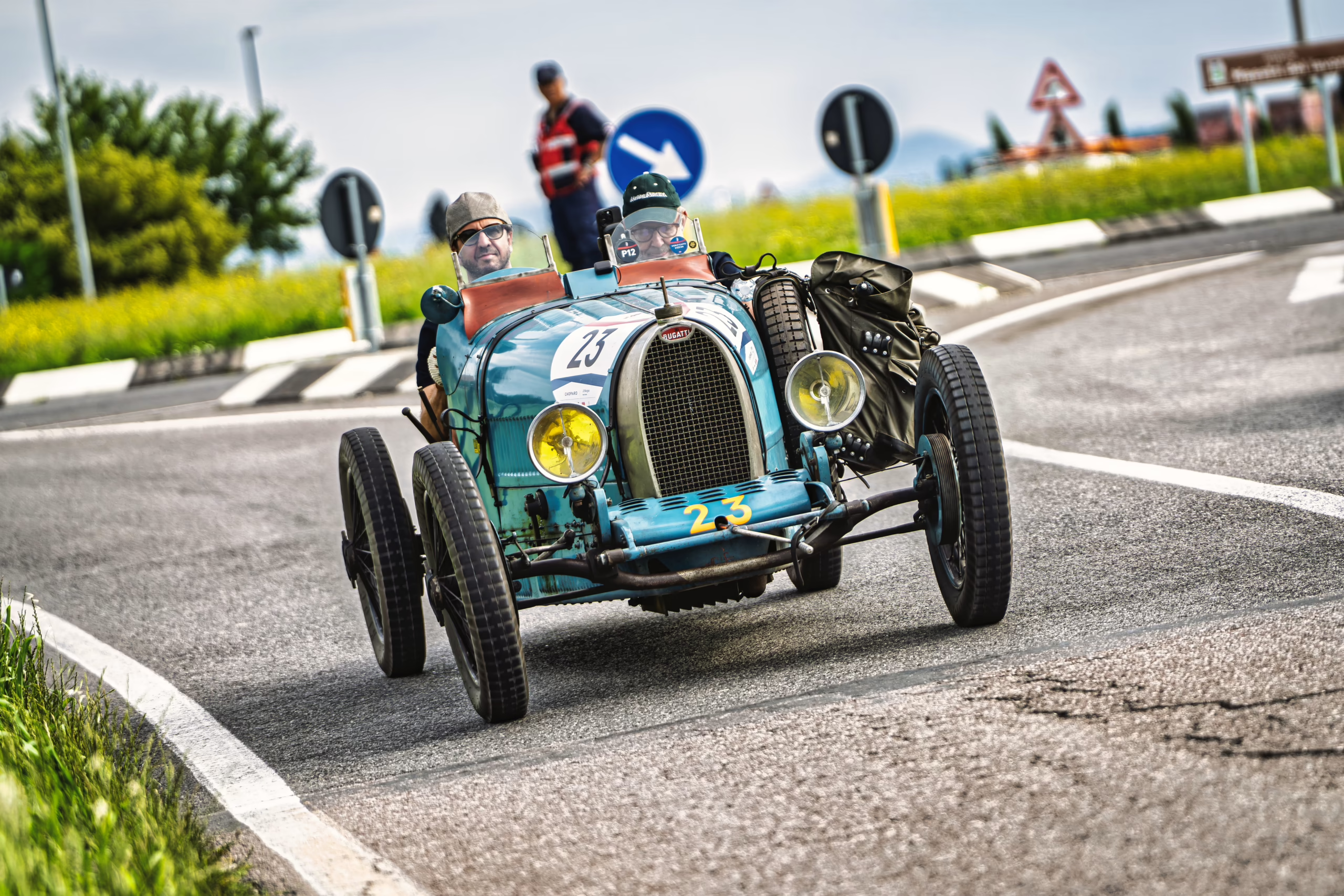
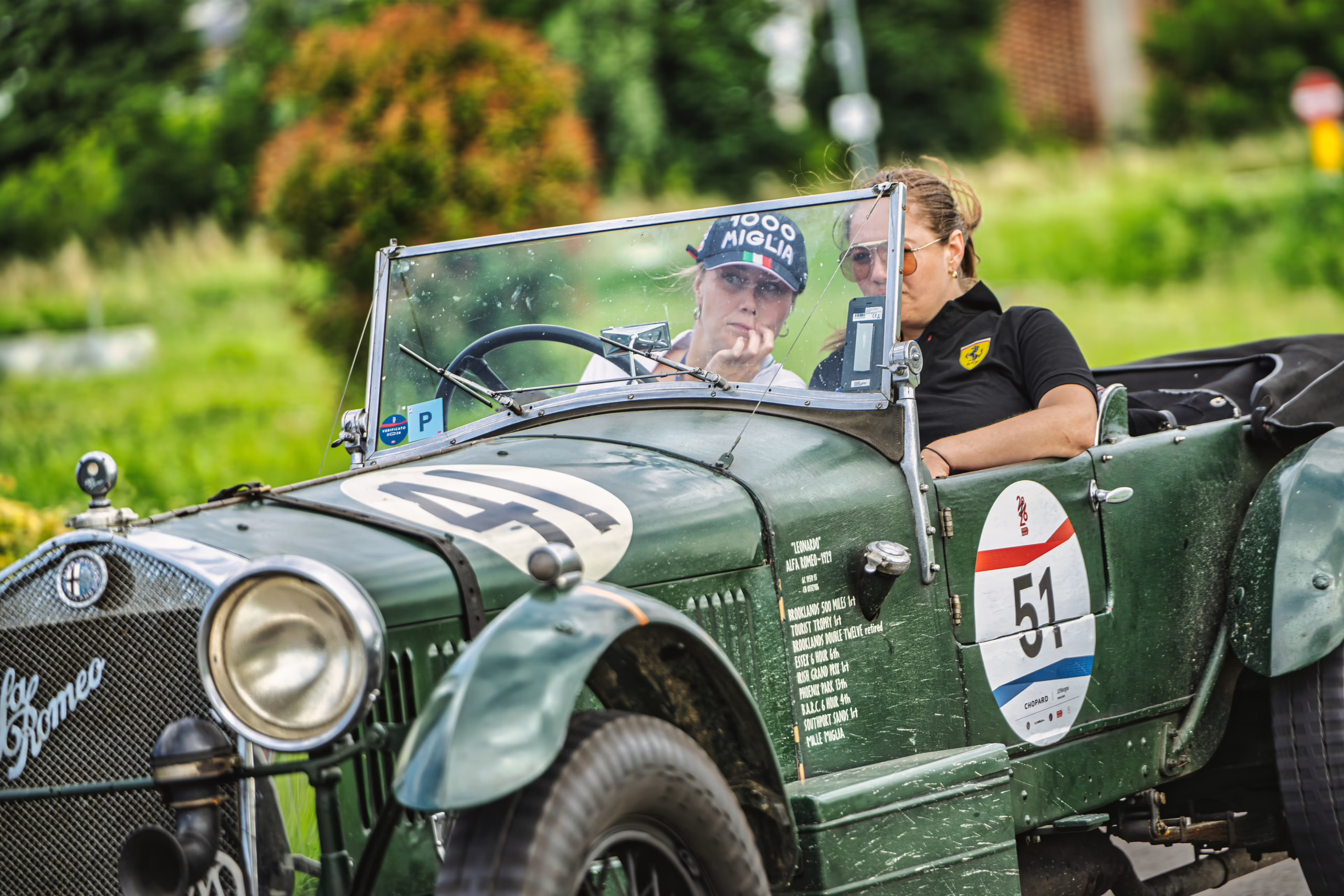
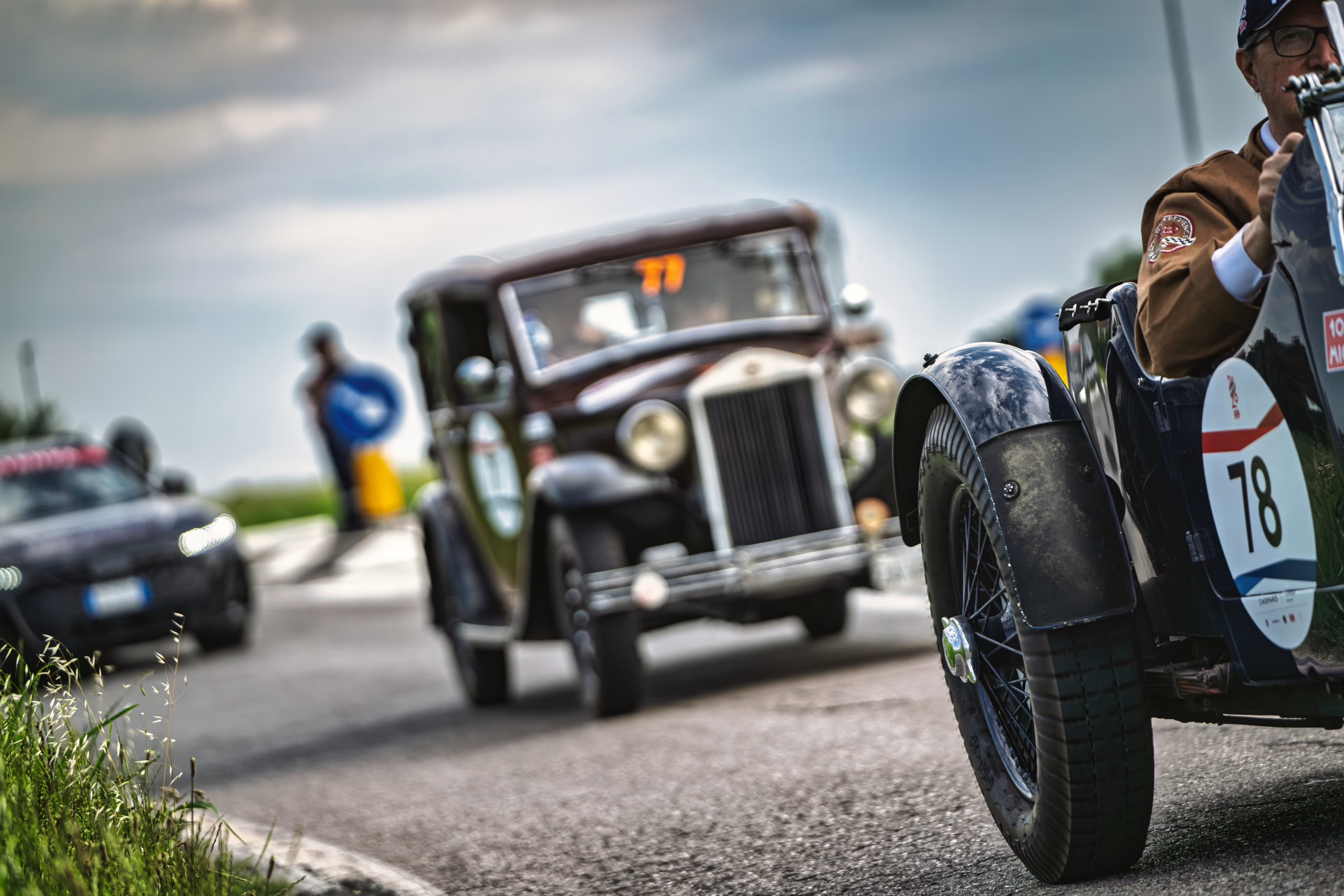
As they passed, you could see the scars.
Faded paint.
Marked metal.
Bugs on the windshield.
Leather that had lived.
These weren’t objects preserved under glass for some collector with too much money and too little time to use them. They were still there on the road, eighty or ninety years later, doing exactly what they had been made to do.
Race.
And that almost hurts.
They survived their designers, their first owners, wars, economic crises, fashion, traffic restrictions, governments, and probably more than one marriage.
They keep starting.
They keep moving.
They keep turning heads.
Try to imagine one of our modern plastic spaceships eighty years from now.
The giant central screen will have been black for decades. The control unit won’t recognize the key. The manufacturer will have stopped issuing updates, and some essential component will be available only through a Russian forum run by a man named Boris who accepts cryptocurrency and never answers email.
But don’t worry.
The cupholders will still be perfect.
We traded durability for convenience.
Ownership for consumption.
Repair for replacement.
And not only with cars.
We do it with phones, clothes, furniture, jobs. Sometimes even people.
When something stops working perfectly, we no longer ask how to fix it. We ask which model is new.
It’s a wonderful system for the people selling.
Slightly less so for the people living.
Those cars belong to an age when an object was meant to accompany you. It was supposed to wear time, not be discarded before time became visible.
Every scratch told a story.
Today a scratch lowers resale value.
Once, it meant you had been somewhere.
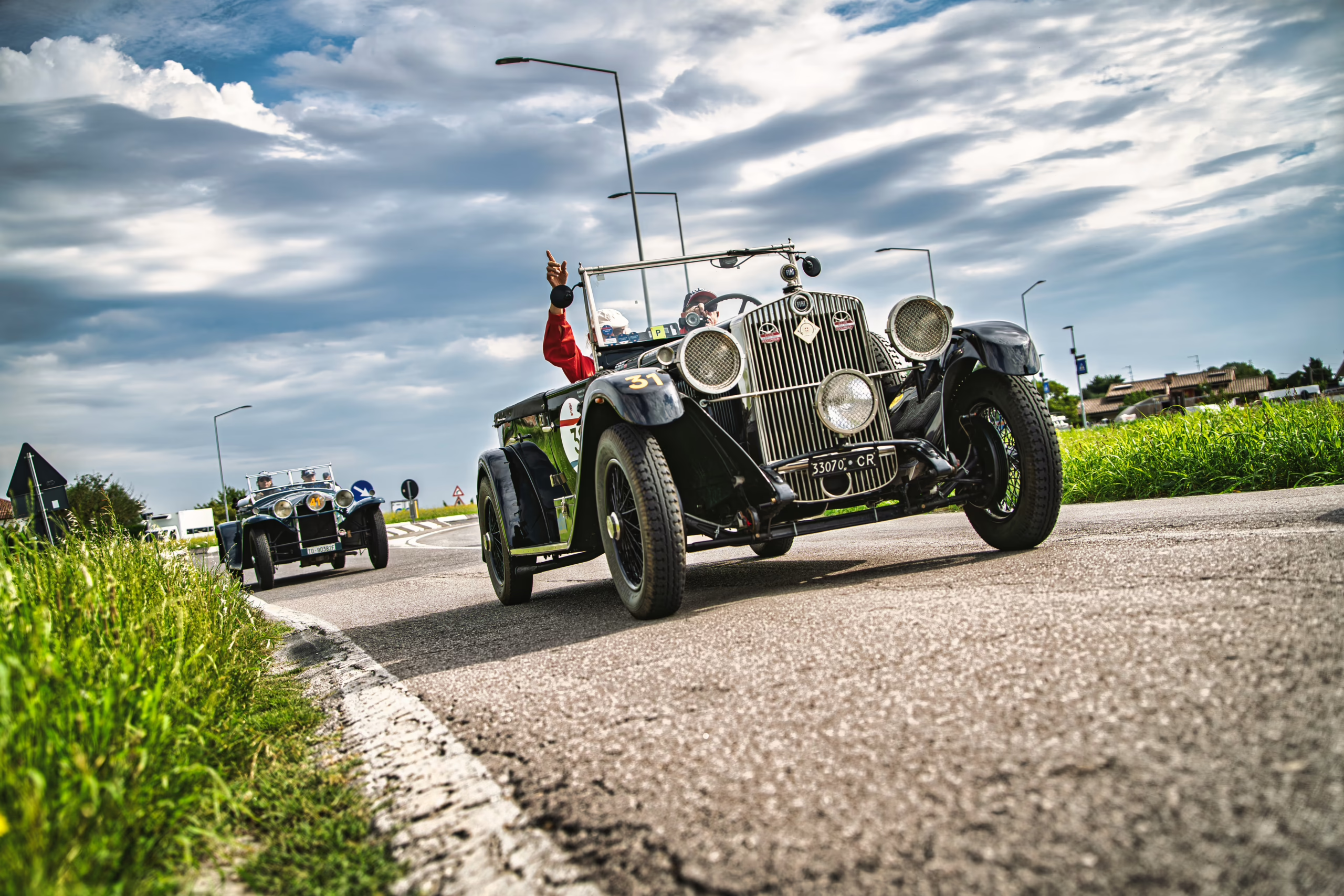
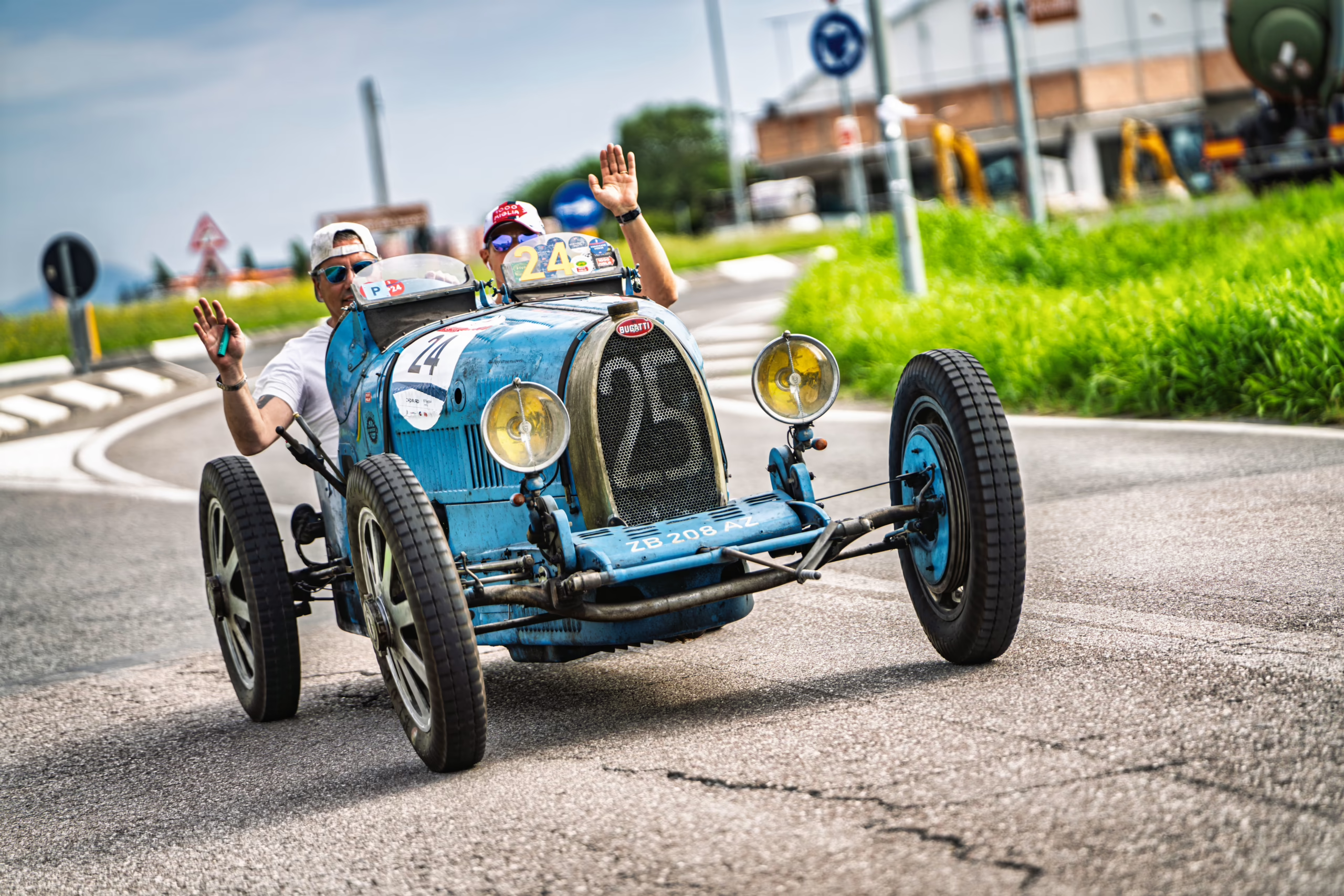
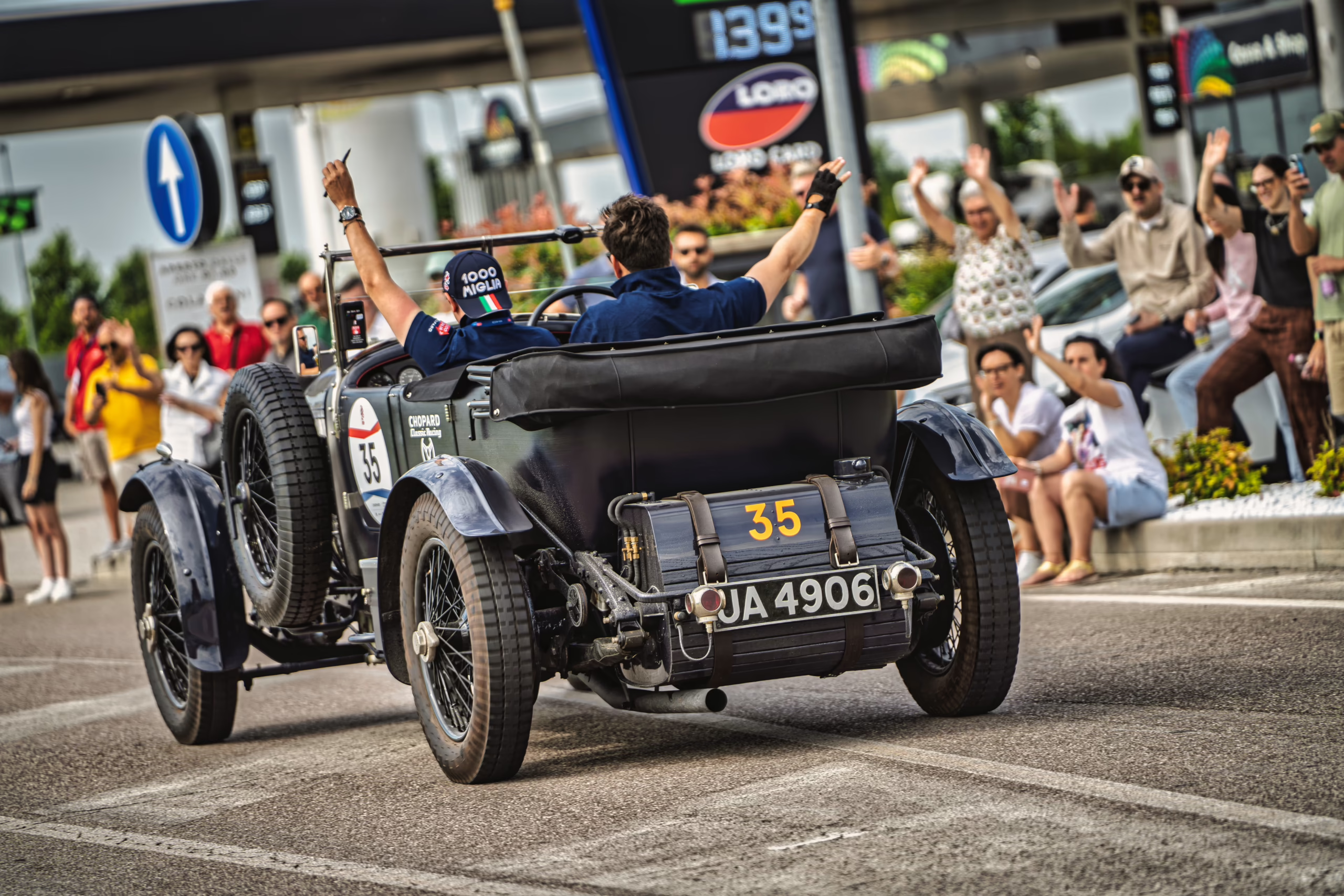
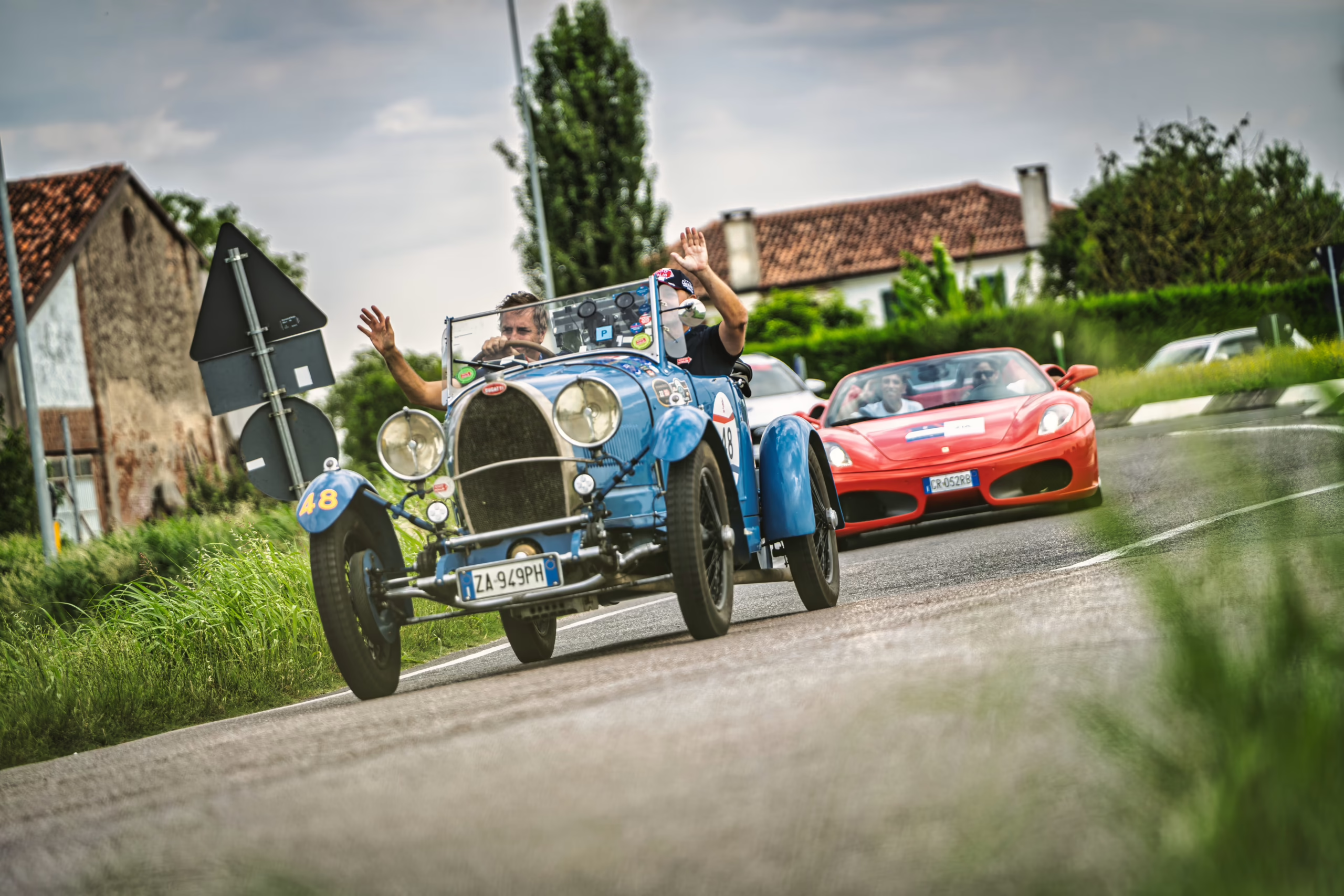
And as they passed my lens, the drivers waved.
They raised their hands.
Smiled.
Some looked tired, some euphoric, while others were probably wondering which component would decide to abandon them before the next checkpoint.
But they were inside the experience.
Not isolated in a soundproof cabin with ventilated seats and twenty-six speakers. They were exposed to wind, noise, smells, and the eyes of the crowd.
The road entered the car.
And the car entered the road.
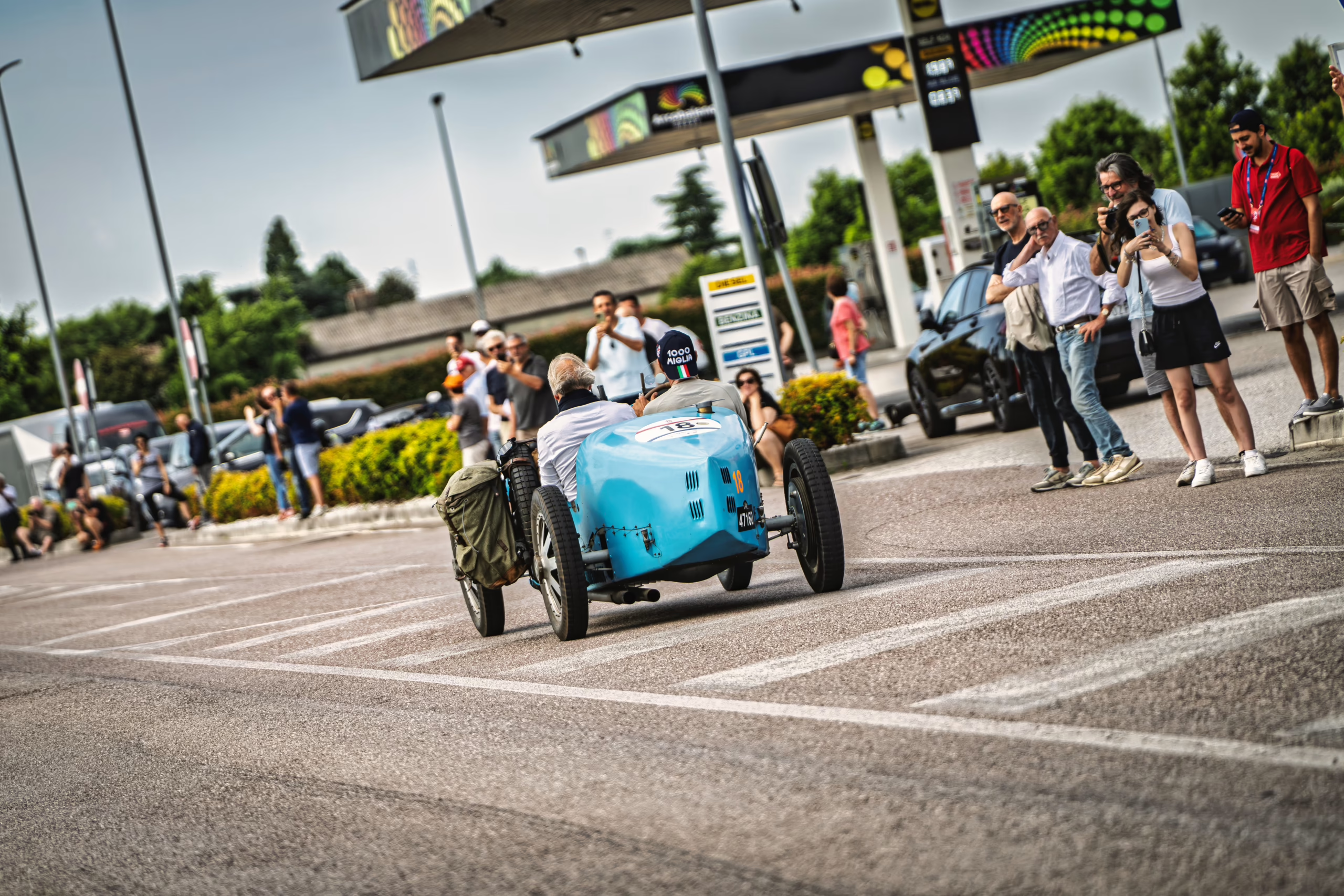
The crowd answered with raised hands, phones, cameras, smiles. For a few seconds that anonymous roundabout became a theater. The houses, signs, and gas station disappeared behind something much larger.
It wasn’t merely nostalgia.
Nostalgia is often a beautifully packaged scam. It lets us remember beauty and forget dental work without anesthesia, deadly roads, and the impressive number of people convinced that smoking during pregnancy was a recreational activity.
The past wasn’t better in every way.
It was simply more physical.
Rougher.
Less protected.
And inside that lack of protection lived a kind of authenticity we now struggle to find.
I don’t want to give up airbags.
I don’t dream of crossing Italy with drum brakes, rain in my face, and a fuel tank positioned with the optimism of an aspiring suicide.
But I wish we would stop believing that eliminating every risk automatically improves life.
Because a perfectly safe life can become a life with nothing left to remember.
We have sensors to avoid obstacles, navigation to keep us from getting lost, and algorithms to suggest what we should want. Everything works better.
And strangely, we seem to work worse and worse.
Perhaps unpredictability wasn’t merely a flaw.
It was space.
The place where adventure, ingenuity, fear, courage, and that peculiar euphoria could be born—the kind that comes when something might have gone wrong and, by some mechanical miracle, everything went right.
I photographed these cars because I like them.
There was no client telling me what to look for, no art director asking for more smiles or fewer shadows. I was there because I love cars, I love photography, and I love that rare moment when two passions decide to meet along a country road.
I waited.
Heard the engine coming.
Searched for the frame.
Then for a few seconds, metal, wheels, faces, and history appeared. An instant later they were already far away.
Perhaps that is exactly why we photograph.
Because some things move too fast to be held any other way.
Images stop the cars, but only in appearance. Inside them, the cars keep moving. You see them lean into the bend, almost hear the engine, imagine the wind against the driver’s body.
And that’s when you understand the fascination doesn’t truly belong to vintage things.
It belongs to things created with purpose.
Those cars weren’t asking to be fashionable.
They weren’t designed to look current eighty years later. They became timeless because someone designed them with enough conviction that they never had to chase the taste of the moment.
That is the difference.
Today we build objects destined to look old the moment the next version comes out.
Back then, they built objects meant to do a job—preferably well, preferably for a long time, and preferably faster than everyone else.
It wasn’t romanticism.
It was ambition.
The real kind.
Not the word printed on office posters above a team of exhausted employees. The ambition to create something capable of resisting time, roads, and human stupidity.
And those machines endured.
As for us, we’ll see.
Perhaps someday someone will look at the cars of our age with the same emotion.
Maybe they’ll find poetry in a gray 2026 crossover restored with three 3D printers, twelve cloned control units, and a monthly subscription to unlock the heated seats.
Anything is possible.
But I doubt it.
Because objects preserve the intention with which they were created.
And those old cars were intended to live.
To race.
To cross cities, dust, rain, mountains, and years.
Ours, too often, is to sell the next one.
Those cars passed in front of me for a few seconds, through a stage almost no one will remember.
And yet they were still there.
Old, loud, imperfect, and alive.
The future, meanwhile, was parked a little farther away.