Do you remember the last time you left without knowing exactly which version of you would come back?
I am not talking about a weekend planned down to the itinerary on your phone, the restaurant reviews, and the reassuring certainty that you have already decided where to eat at eight-thirty. I mean truly leaving. The kind of departure that takes you far enough for your old habits to lose your address.
And you—when was the last time a pair of legs, a few friends, and no answers were enough?
When was the last time you had no idea where you were going and did not give the slightest fuck, because the right people were beside you?
Perhaps direction is not always a place.
Perhaps, sometimes, it is simply the people we choose to get lost with.
We did not always have a map. We had arms for climbing, breath enough to keep going, enough curiosity to squeeze into places we probably should not have, and that marvelous recklessness that turns an ordinary day into a memory capable of staying alive for years.
Above all, we had that feeling—almost mythical now—that time was not chasing us.
Have you ever felt it?
That brief, exceedingly rare interval when the future stops knocking at the door, the past finally gets the fuck out of the way, and the present grows large enough to hold everything: the sea, a cave, an unknown road, laughter, the moon on the water, and four tired friends who do not want to go back yet.
These photographs tell the story of the first season in which I truly stepped outside my cage.
Not merely the geographical one. I left the house, the habits, and that version of myself that kept waiting to understand life before granting himself permission to live it.
Perhaps you have had a cage like that too. Perhaps you are still inside it and have begun calling it home simply because, by now, you know exactly where the bars are.
That summer, I found an open door.
I did not yet know where it would take me. To be honest, perhaps I still do not. But for a few months I stopped searching for answers and finally began to move.
There were trails, the sea, friends, and photographs.
For once, the future had the decency not to show up.
In 2018, I left for work.
Already it sounds like the opening of a story written by a depressed accountant.
Fortunately, that is merely the version intended for official paperwork. The truth is that work took me to southern Sardinia, put a camera in my hands, and then, almost without meaning to, handed me one of the freest, brightest, most gloriously fucking carefree seasons of my life.
At the time, I worked as a photographer at holiday resorts. But these images are not about the working days, the clients, the photographs we sold, or the marvelous professional universe of schedules, requests, and people convinced that a photographer can erase twenty years from their face at the press of a button.
That is another story.
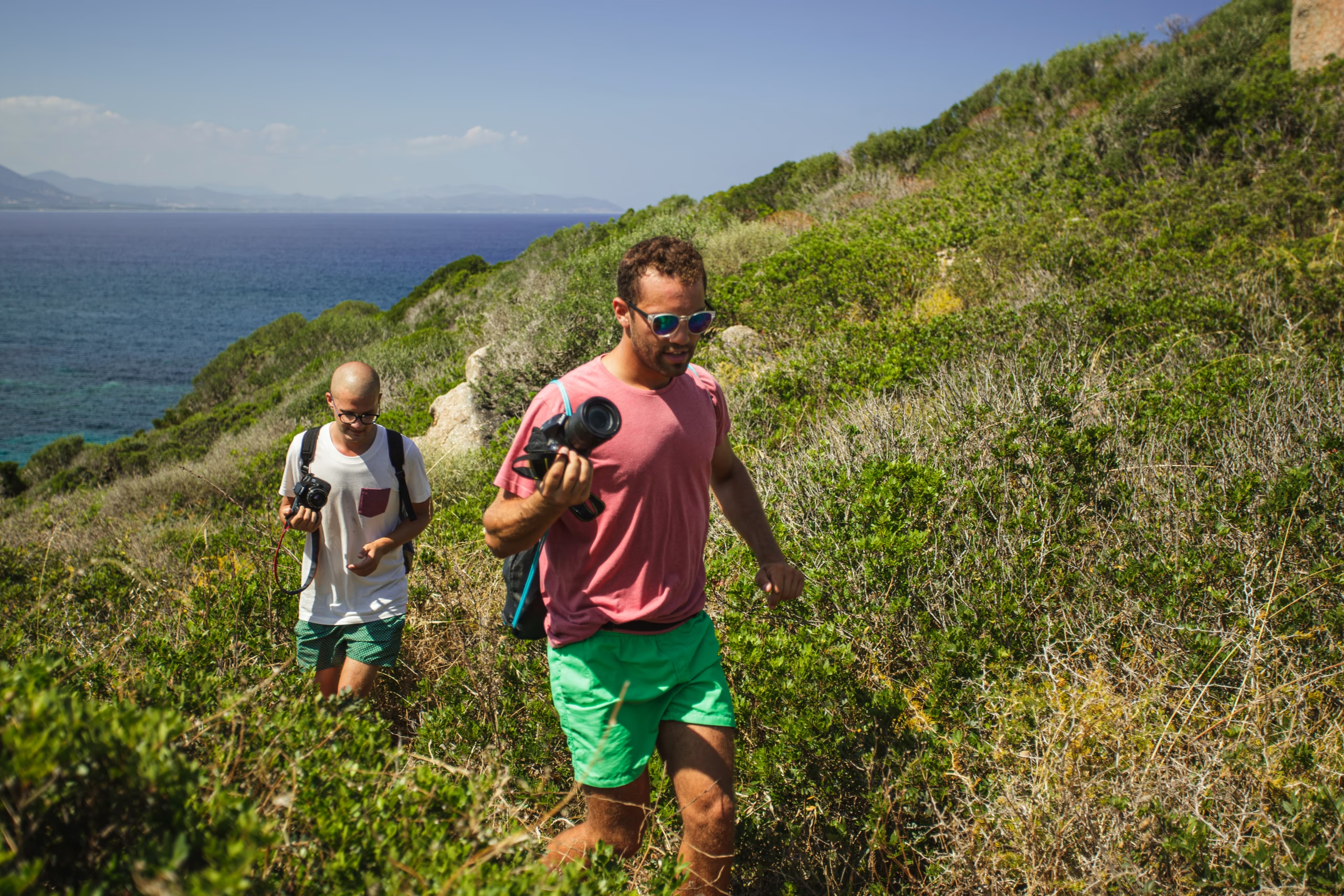
This one begins when work stopped being the center of the day and we went back to being young men with cameras, not-always-suitable shoes, a healthy desire to explore, and a rather loose relationship with the concept of danger.
We were colleagues.
Then we became traveling companions.
Finally, friends.
The transition did not happen in a meeting or over some solemn declaration of mutual esteem. It happened as we walked, sweated, got lost, helped one another up a rock, and waited for whoever had stopped a hundred yards behind because he had spotted an interesting light.
We were all photographers.
A human species incapable of crossing a landscape normally.
A sane person sees a beautiful coastline and thinks: how wonderful.
A photographer sees the same coastline and thinks: wonderful—but from that other rock, with the risk of multiple fractures, it would probably look better.
That is precisely what the first images describe.
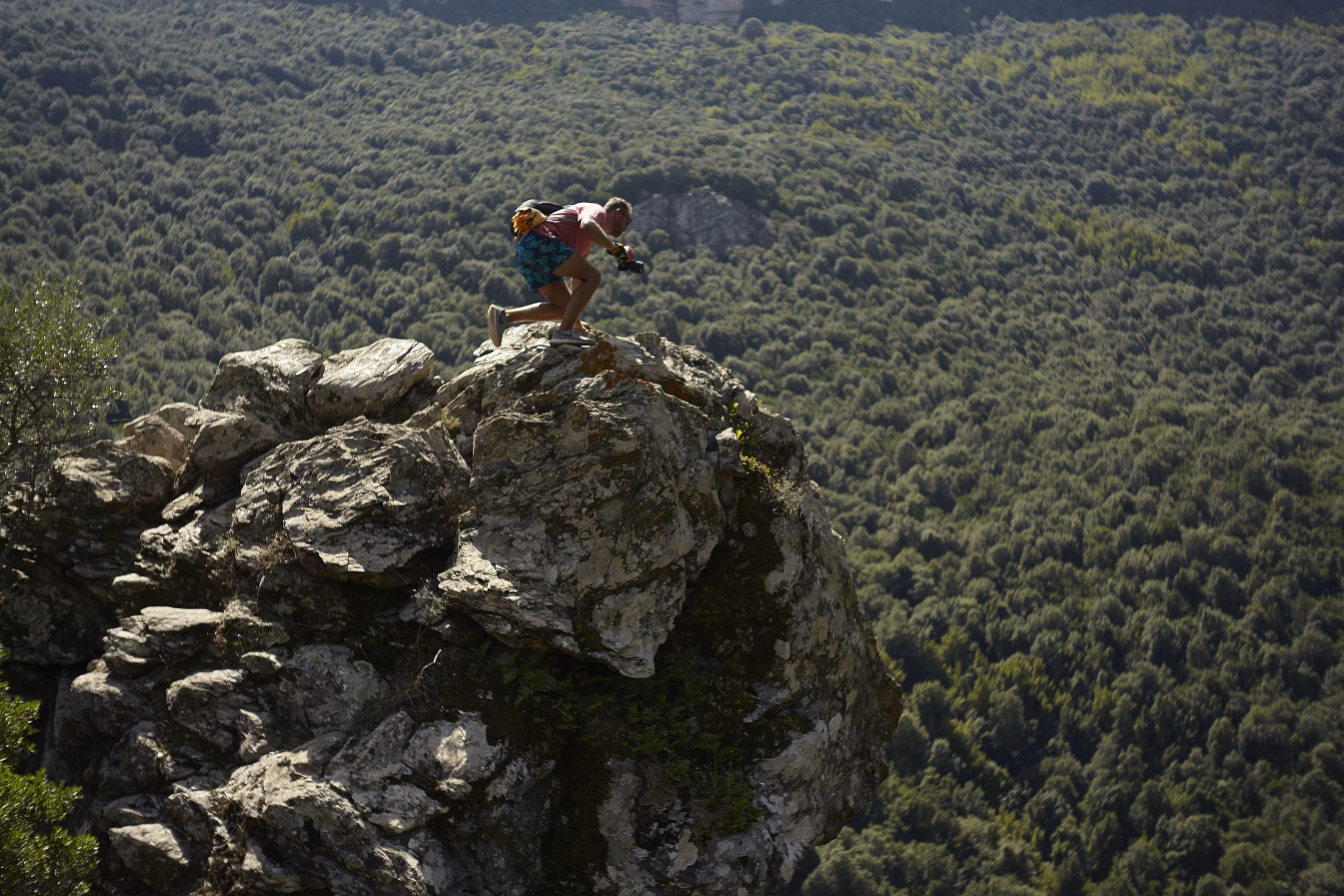
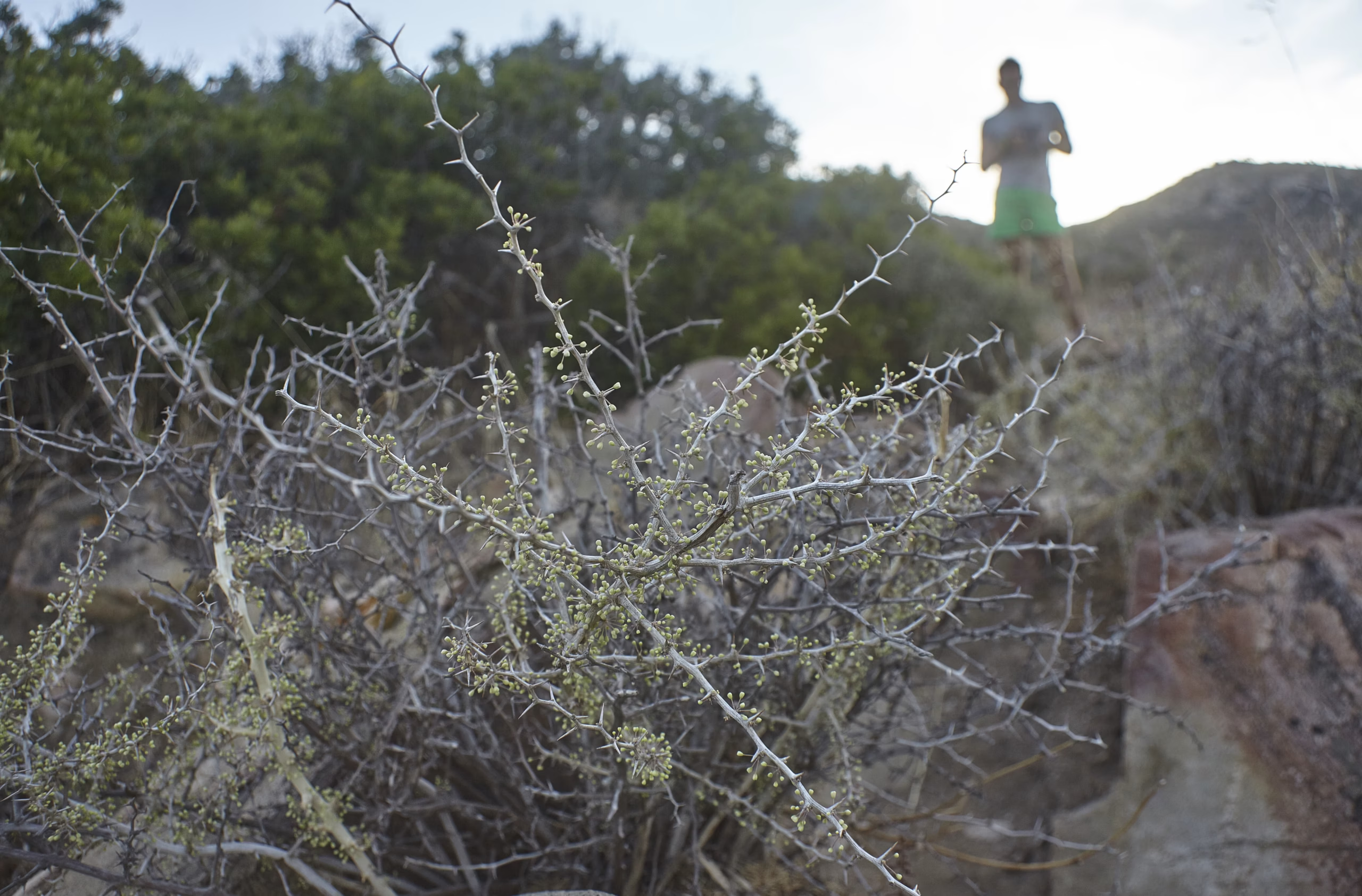
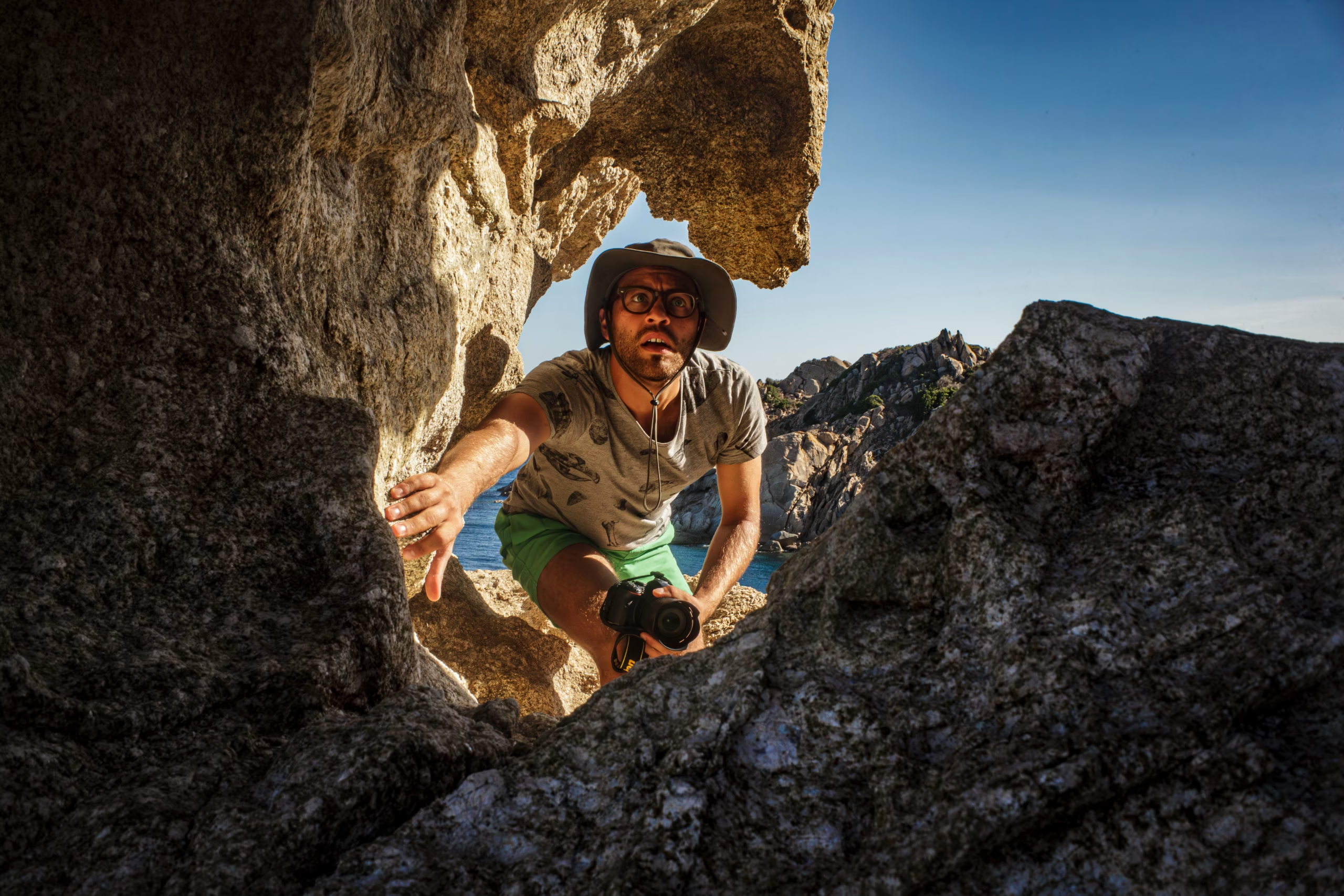
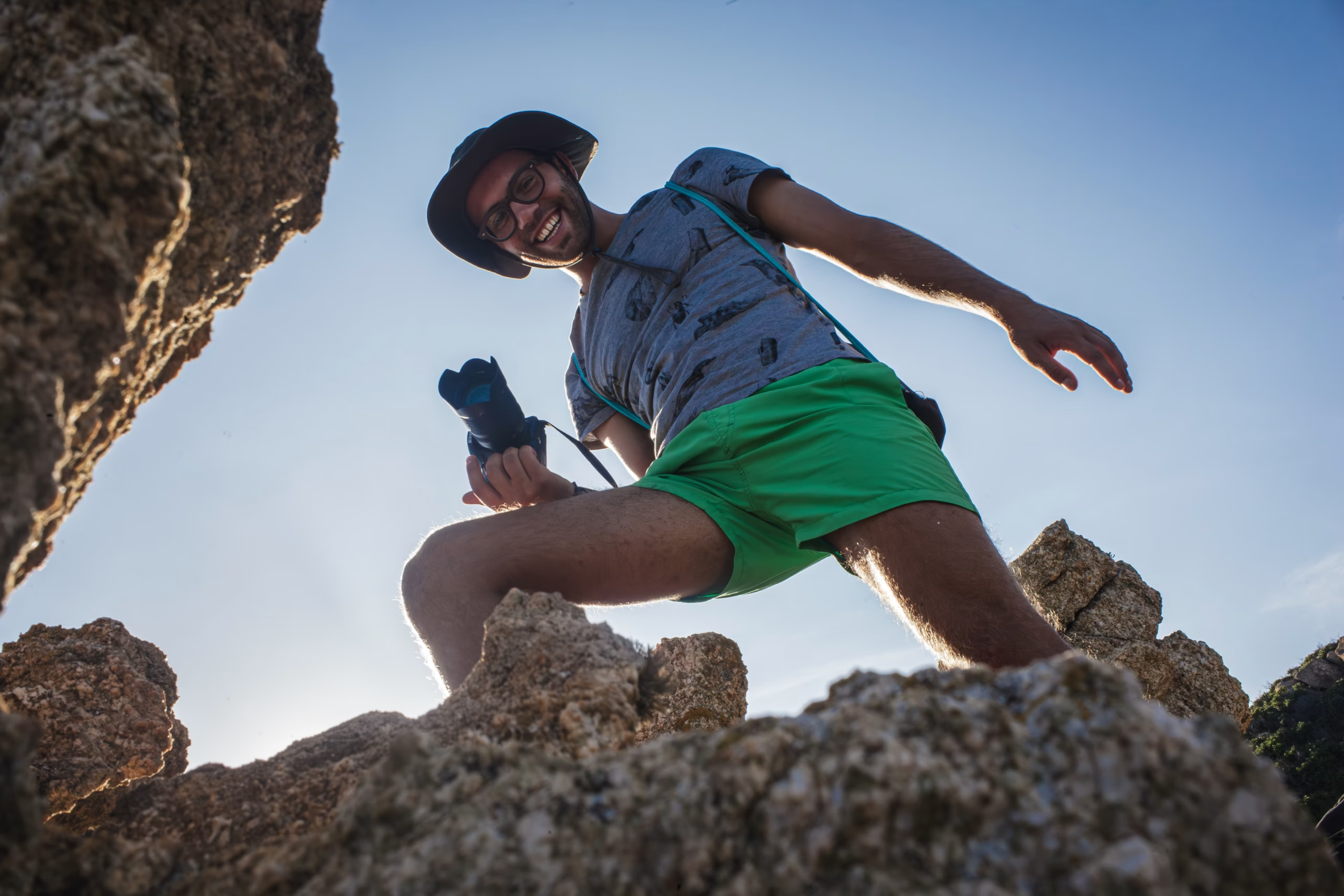
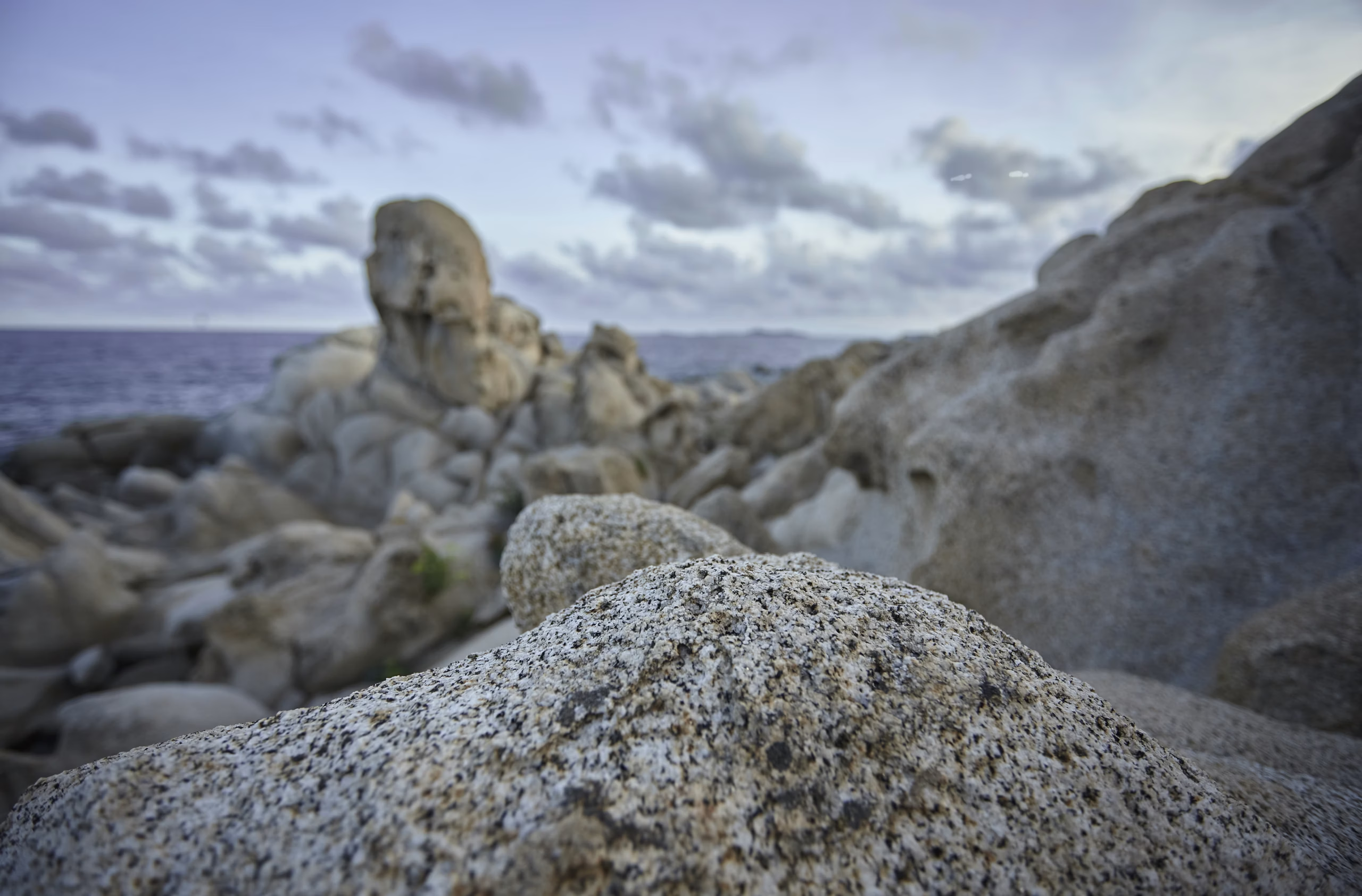
A friend moves across a wall of stone, tiny against an expanse of vegetation. In another frame, he appears behind the branches, almost like a creature observed in its natural habitat. Then he emerges from a cleft in the rock clutching his camera, hat on his head, sunglasses, and the expression of someone who has just reached an improbable vantage point and already decided it is not enough.
That photograph could be the official crest of the entire season.
A photographer emerging from the rocks.
The sea behind him.
Another image ahead, waiting to be pursued.
It did not matter how difficult it was to get there. If we saw a cove, a cave, or a stretch of coast that seemed to promise something, off we went.
Sardinia had neglected to install railings, escalators, or signs reading ‘recommended photography spot.’ Terrible tourism management, excellent natural selection.
We had to walk.
Climb.
Descend along trails that often possessed little more than the vague intention of being trails.
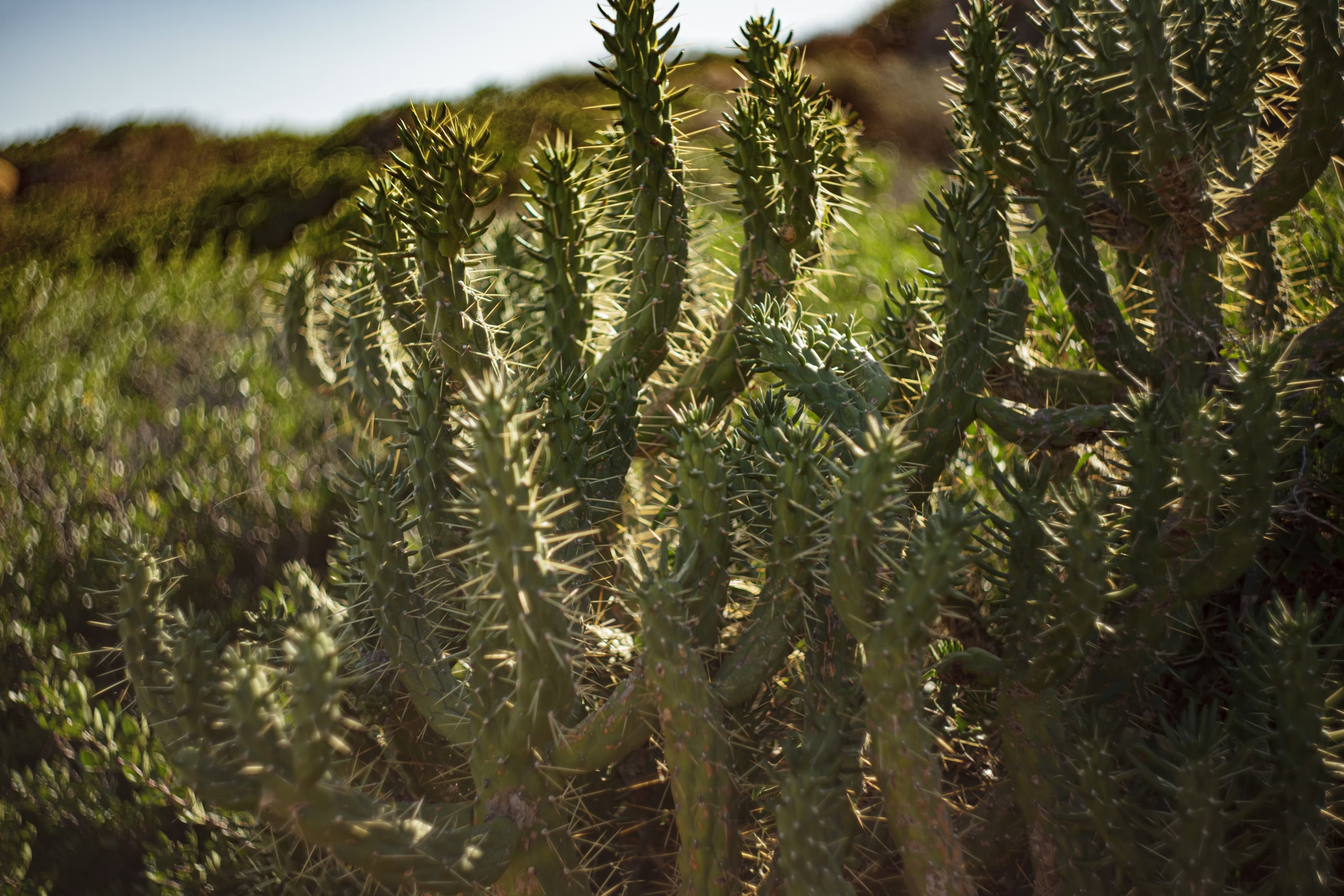
Push through bushes, stones, and vegetation aggressive enough to regard our legs as a form of entertainment.
We had water, cameras, and the youthful conviction that serious accidents happened mostly to other people.
It was not pure courage.
Part of it was enthusiasm.
Part of it was friendship.
And part of it, we must admit, was a questionable assessment of risk.
But every climb gave something back.
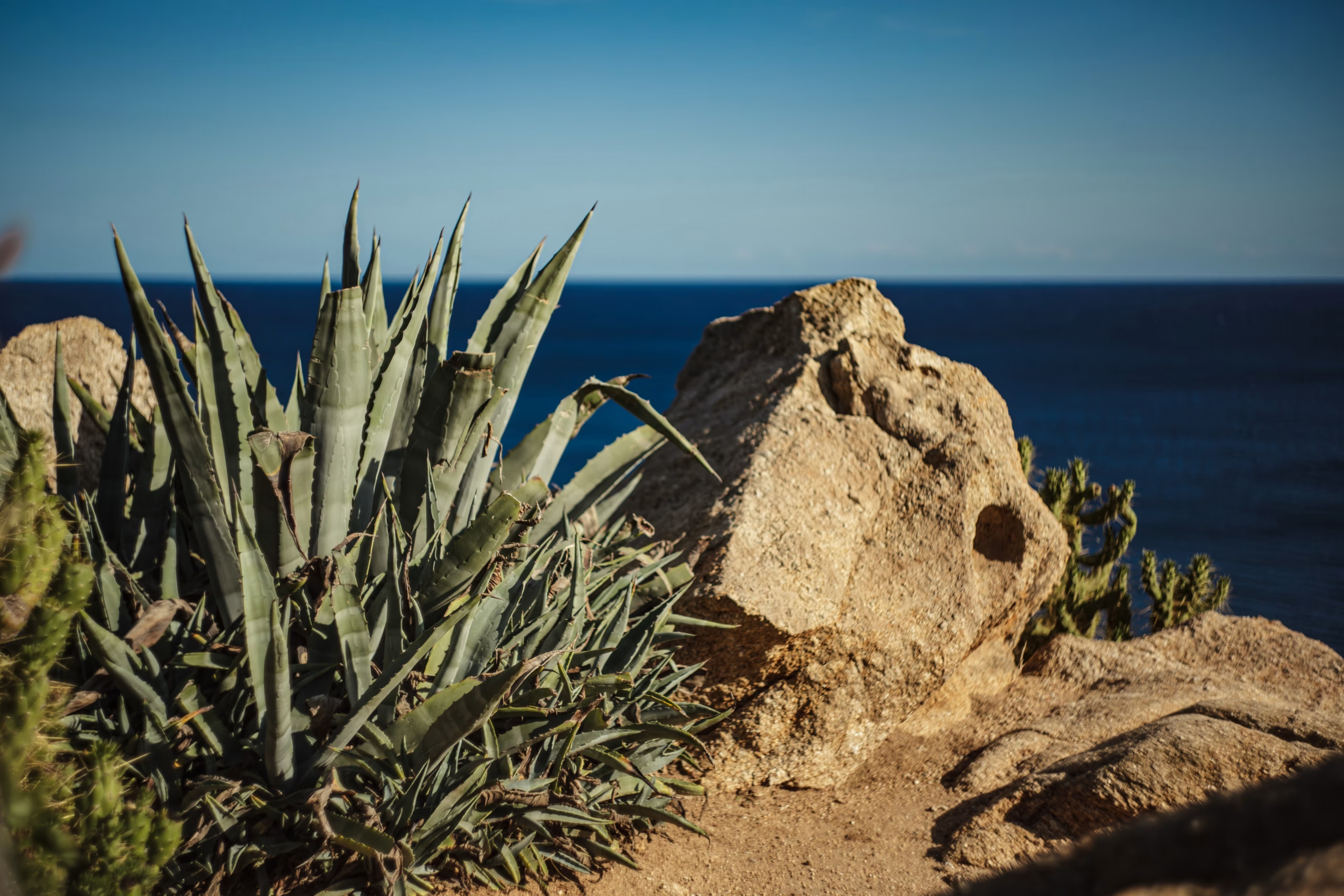
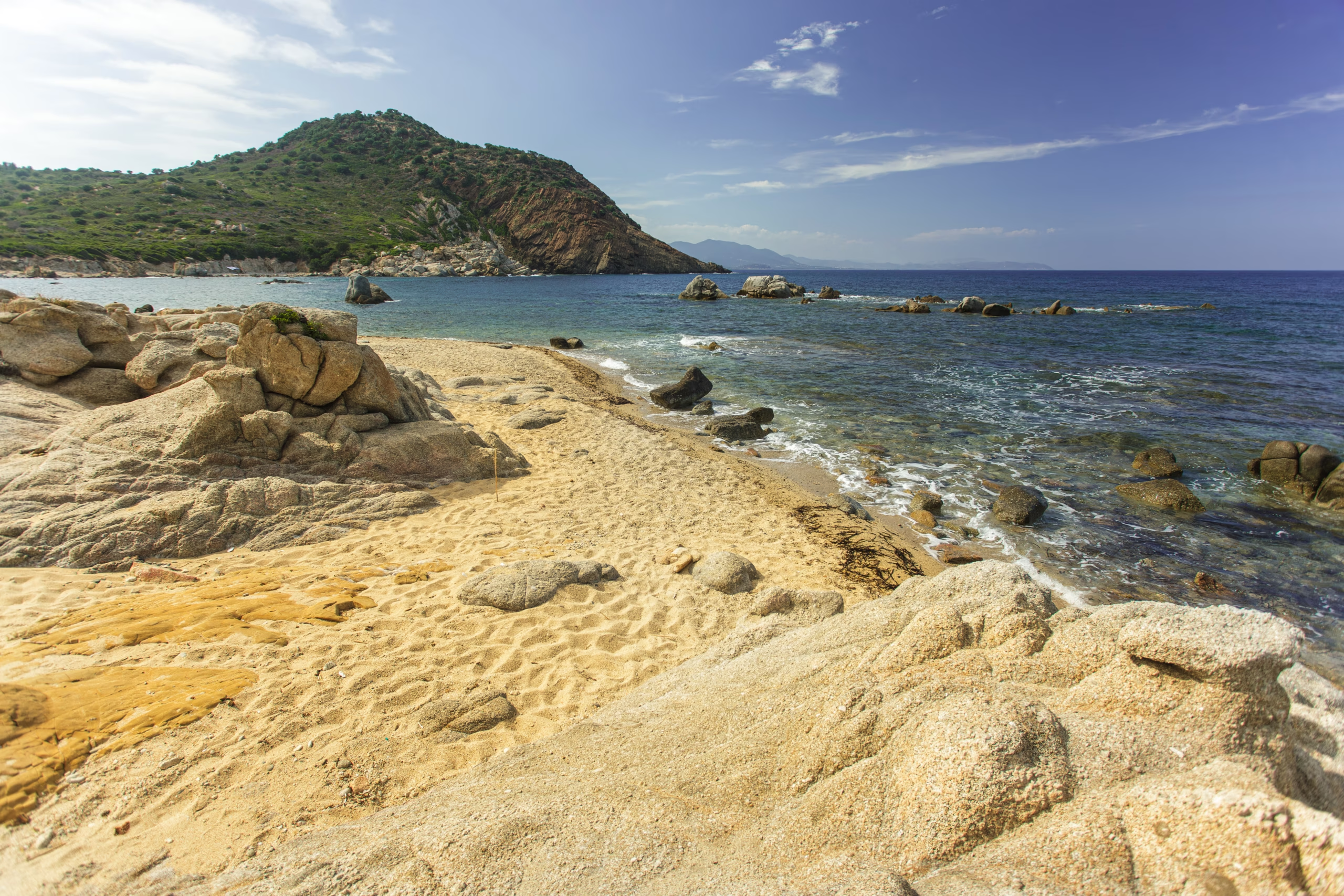
The coastline opened beneath us. The rocks plunged into water so transparent it felt provocative. The green reached almost to the sea, and inlets appeared between the stones like places forgotten by whoever designed the world and then kept the directions to himself.
We stopped.
We breathed.
We took photographs.
And in that moment, the effort ceased to exist.
Nature has this marvelous ability to make you sweat along the way and forgive her for everything the instant you arrive.
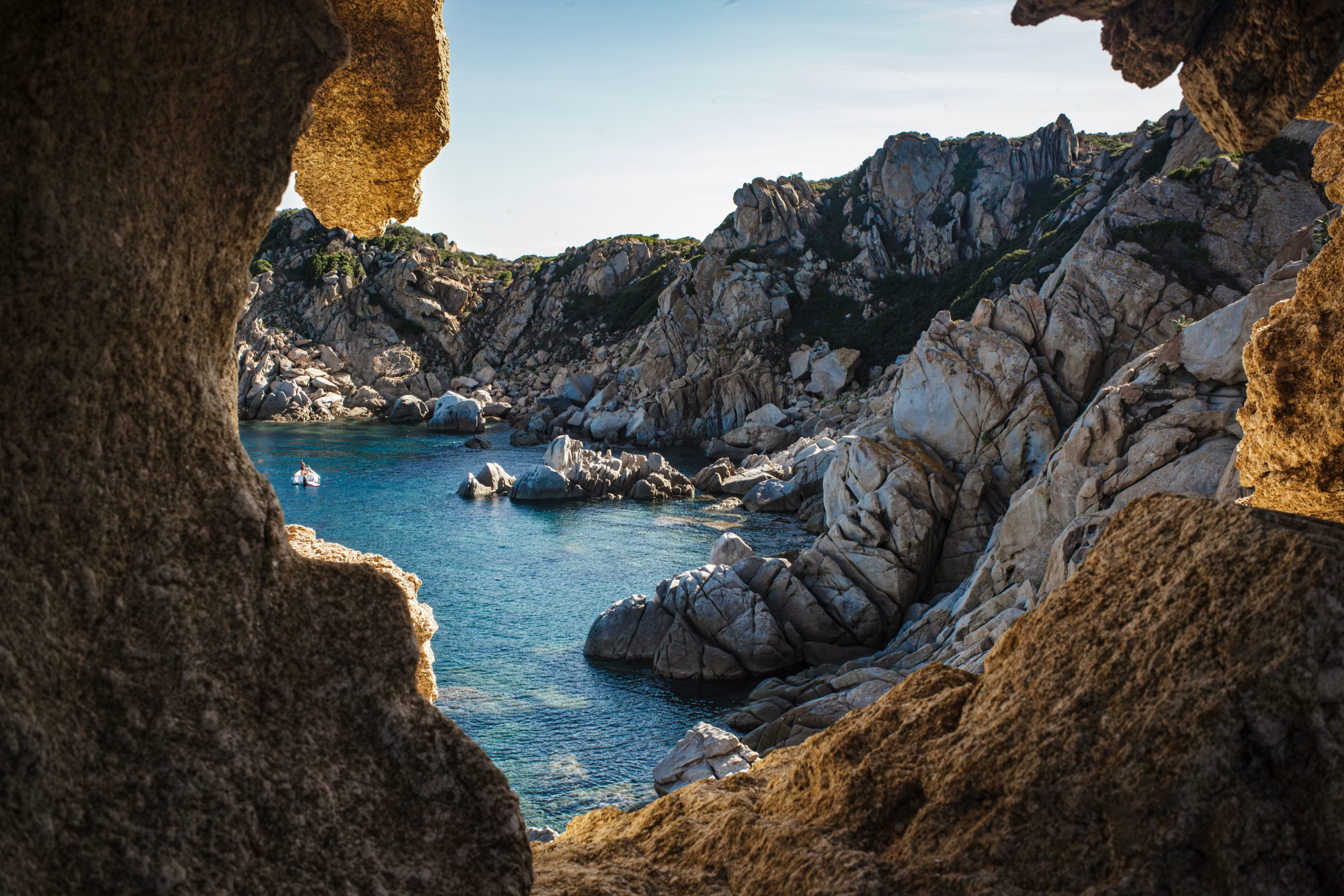
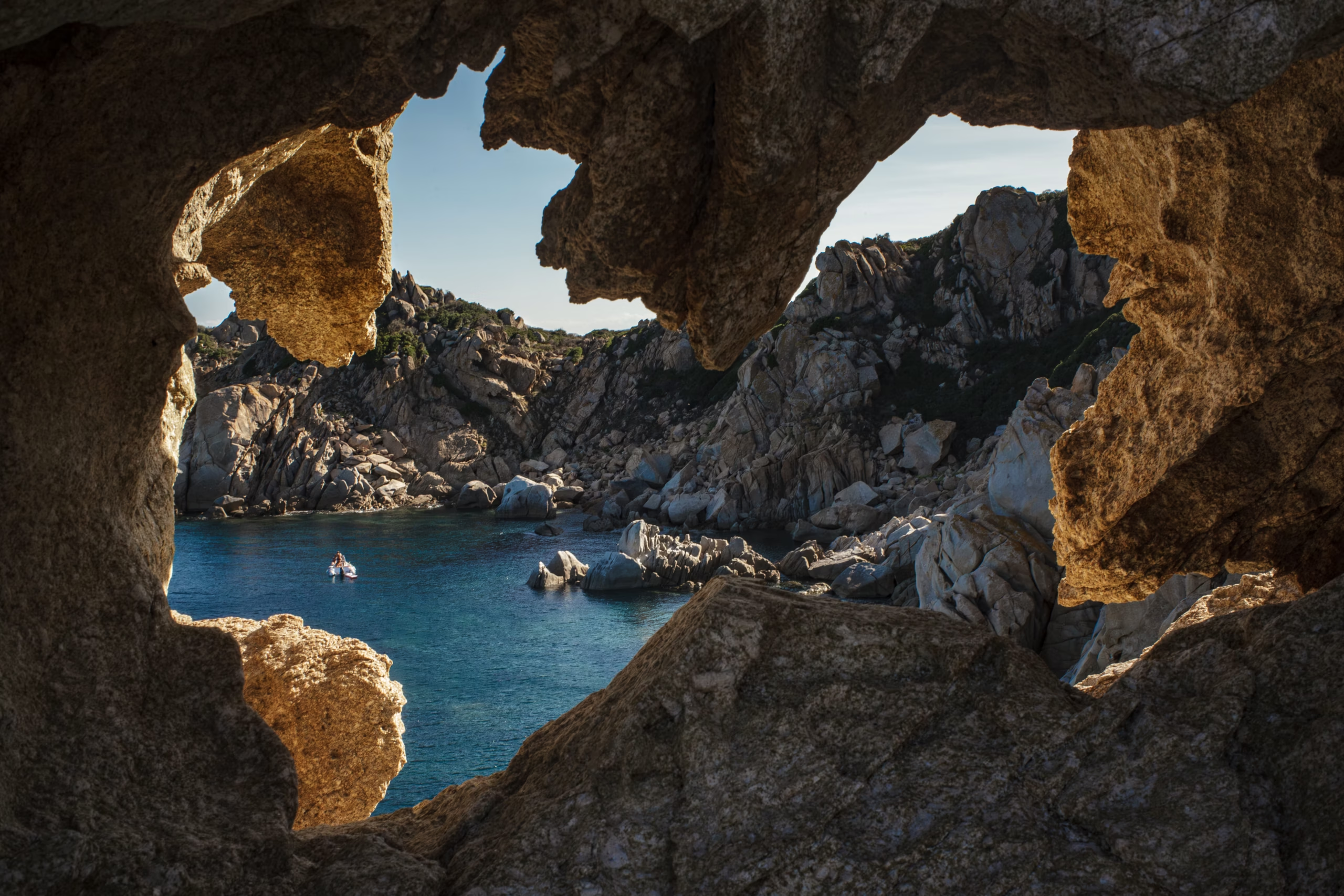
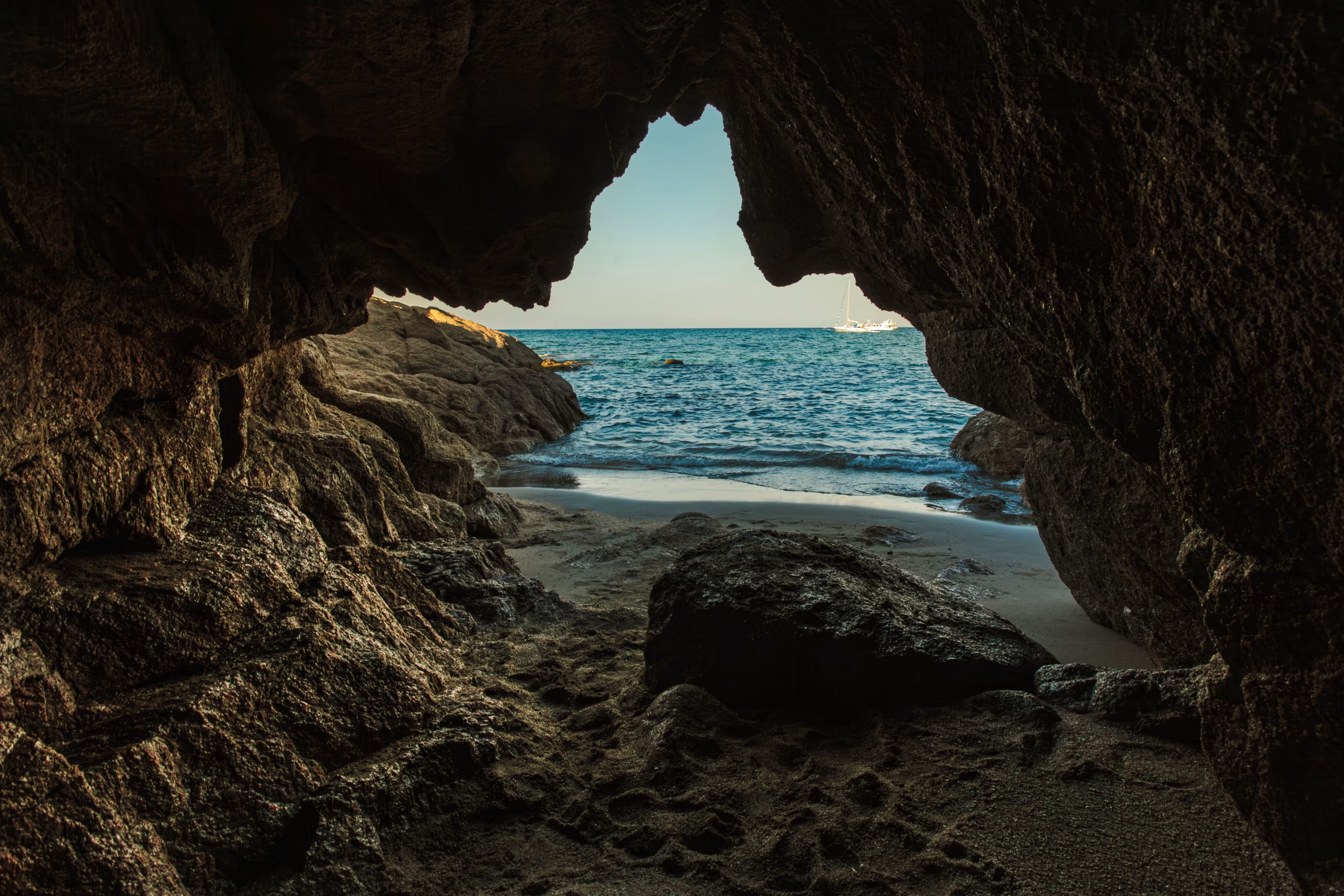
A cave opened onto the sea, creating a perfect frame. The foreground rocks remained in shadow, while beyond the cleft the water exploded into blue.
I could have studied that composition for hours.
The stone had arranged it several thousand years before I arrived.
A much more patient bitch than I am.
Looking at those photographs today, I remember more than the places. I remember how we reached them. The jokes during the walks, who sped ahead, who fell behind, who claimed to know the way, and who had already realized he had no fucking idea.
I remember the sound of cameras being pulled from backpacks.
I remember the sudden silence when the landscape grew vast enough to hush us.
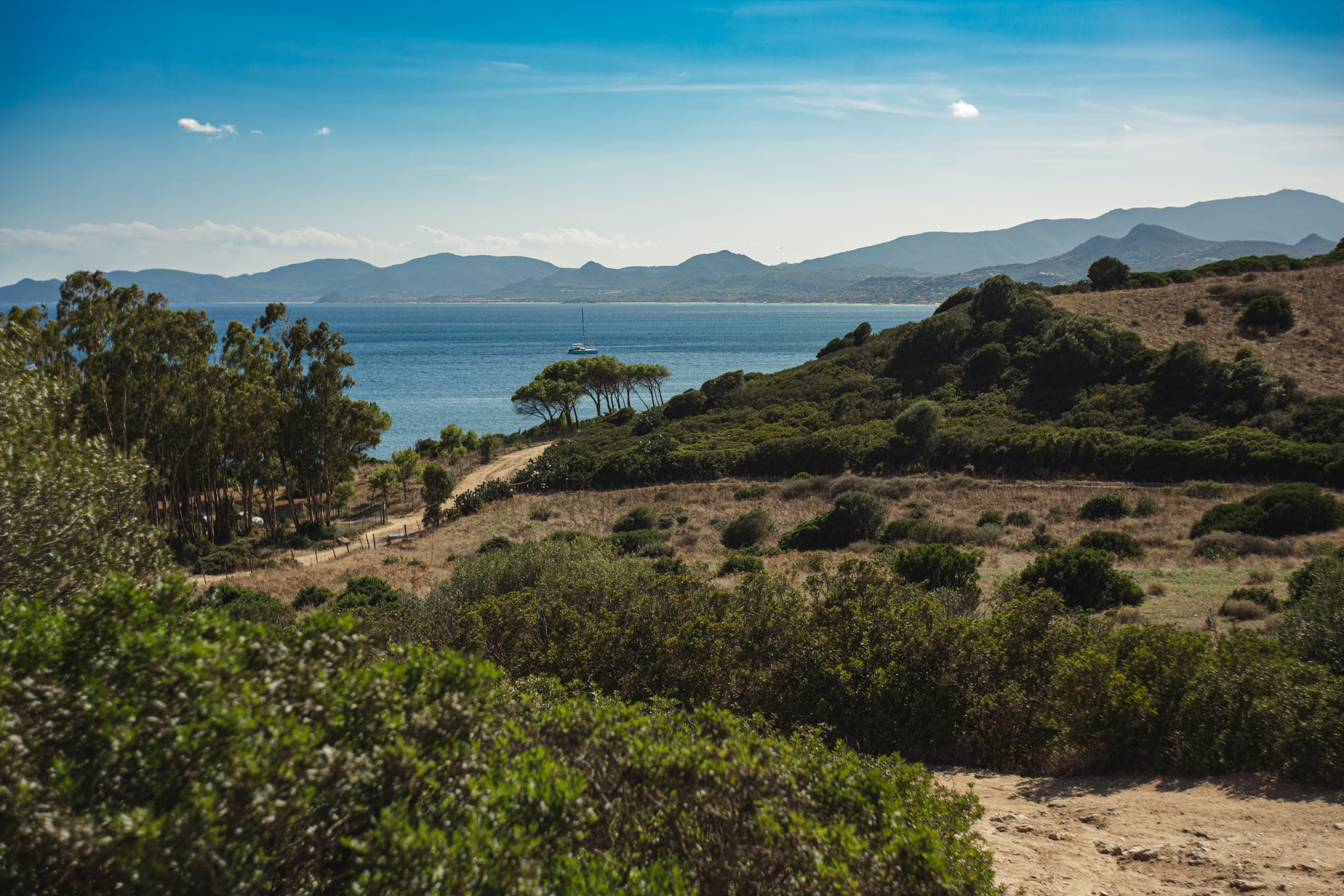
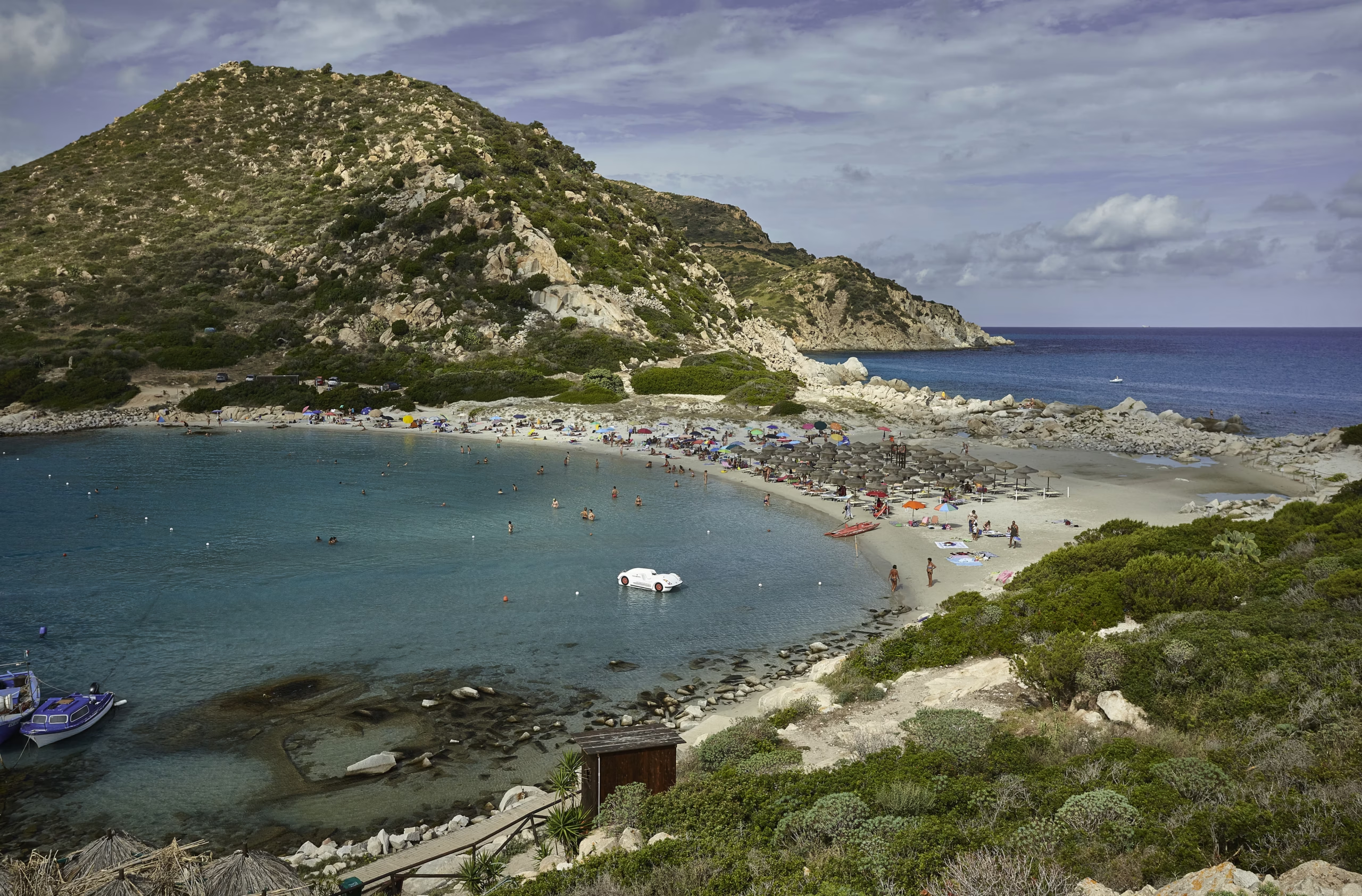
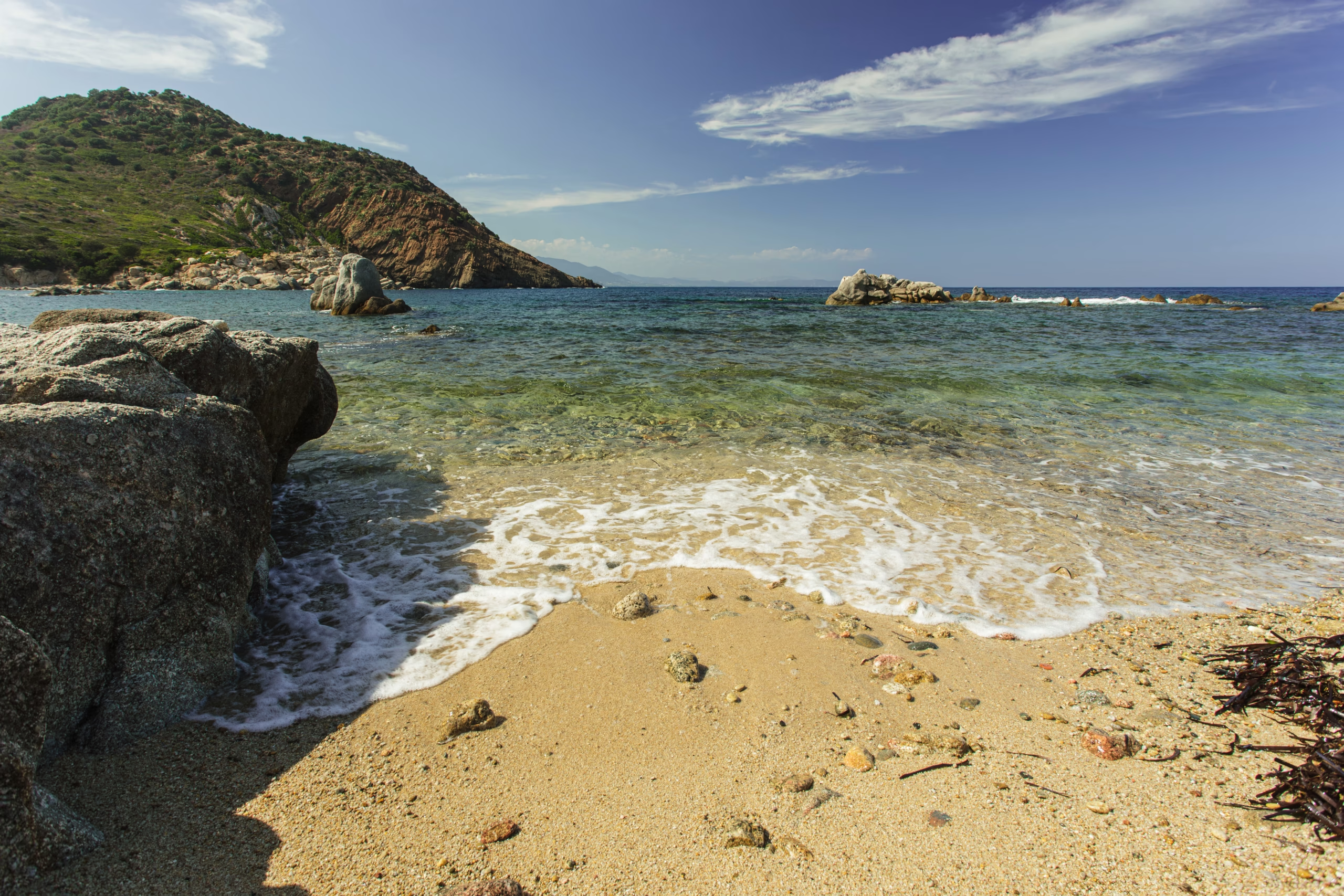
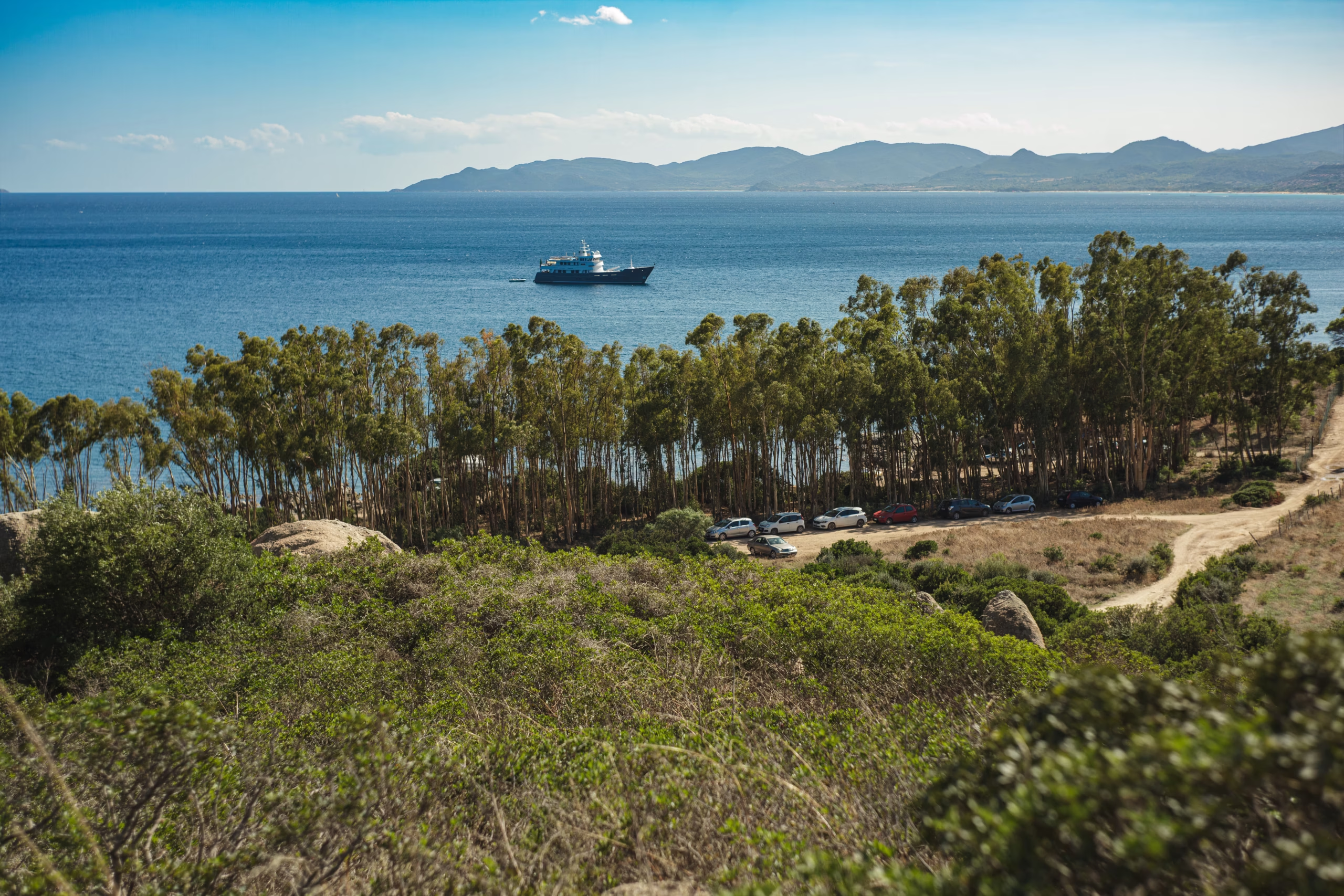
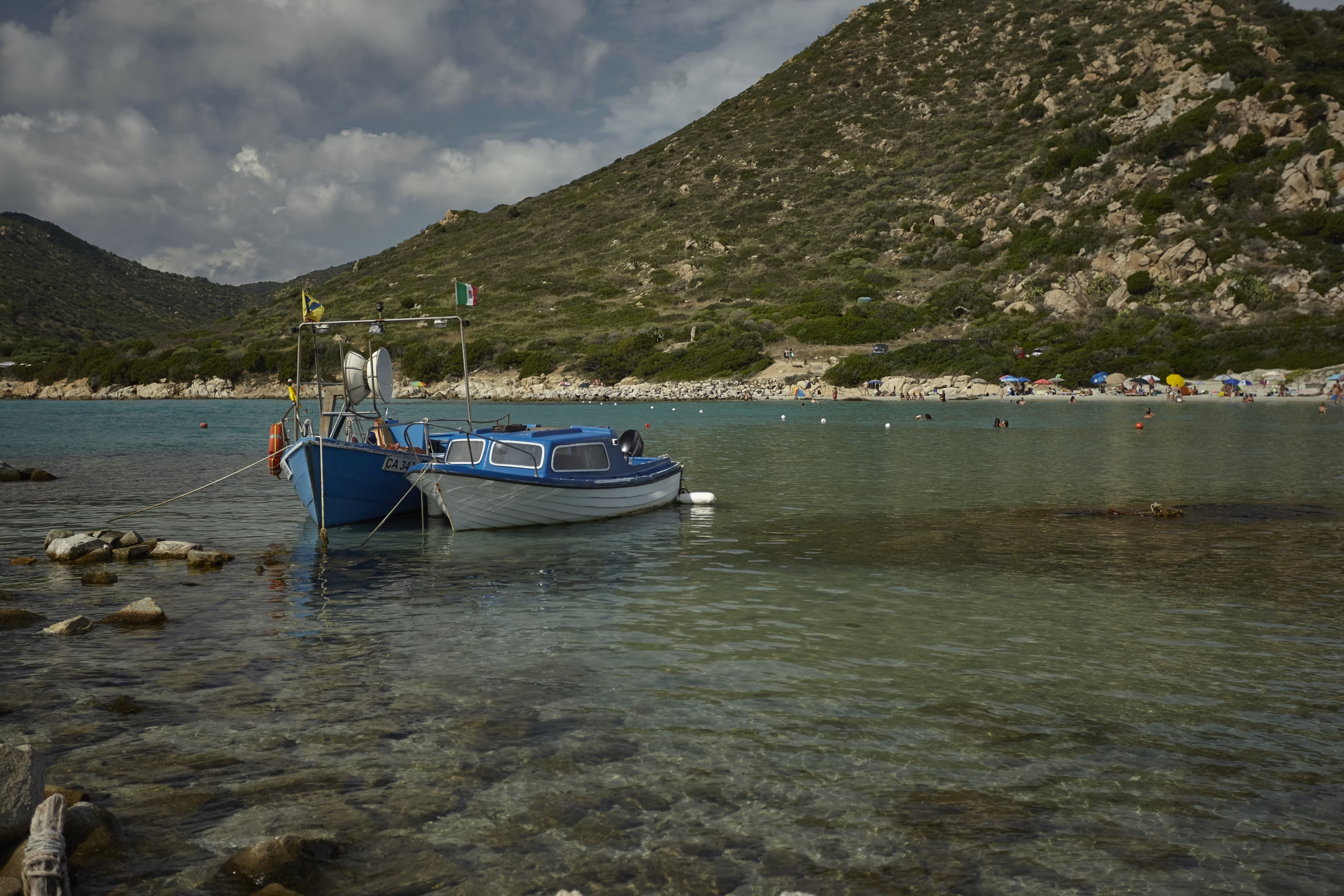
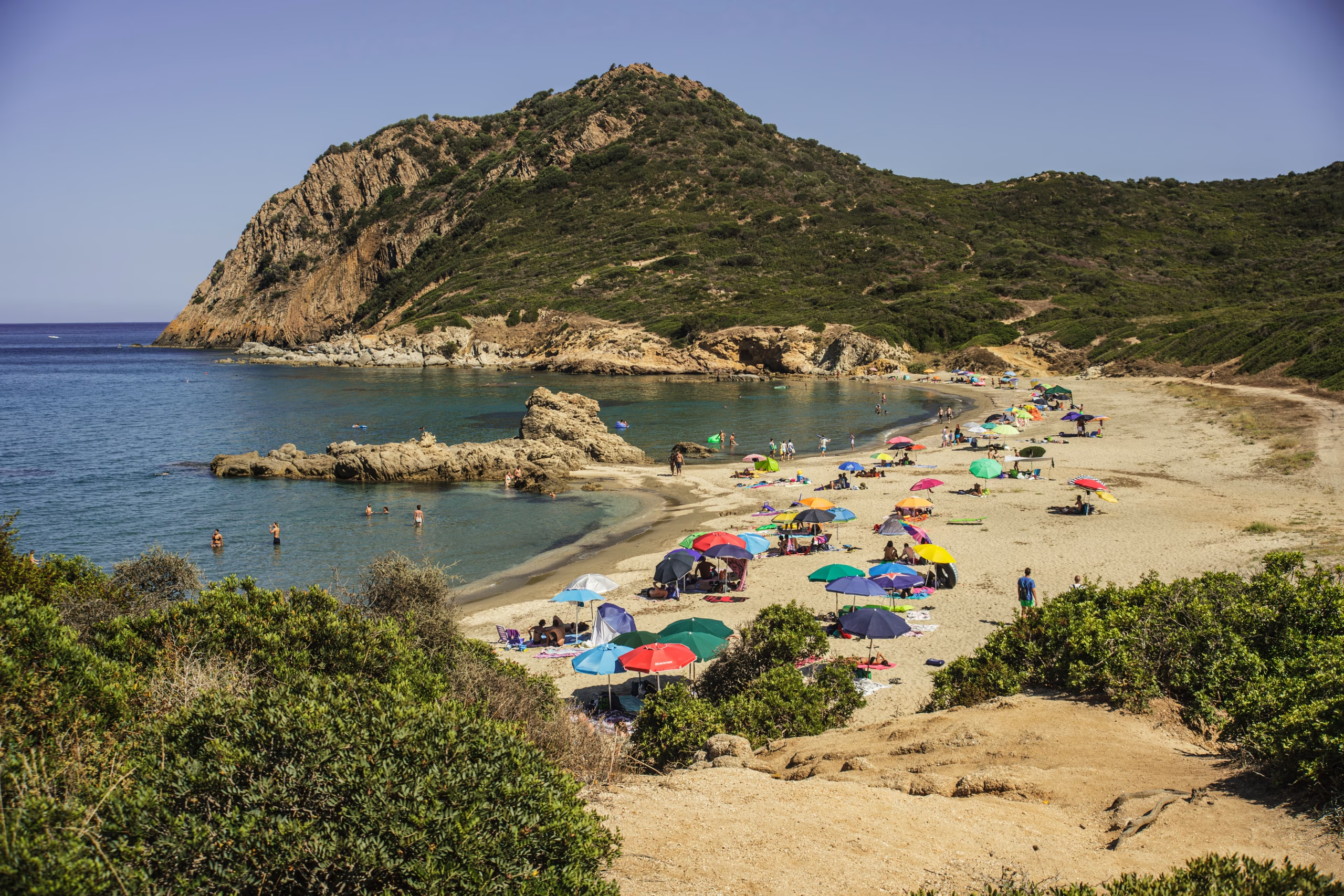
The images show bays, headlands, beaches, trails, and boats offshore. But the most important part remains outside the frame: we were together.
A landscape can be extraordinary.
With the wrong people, it becomes nothing more than an expensive backdrop.
With the right ones, even a dirt road can become a story you will still be telling eight years later.
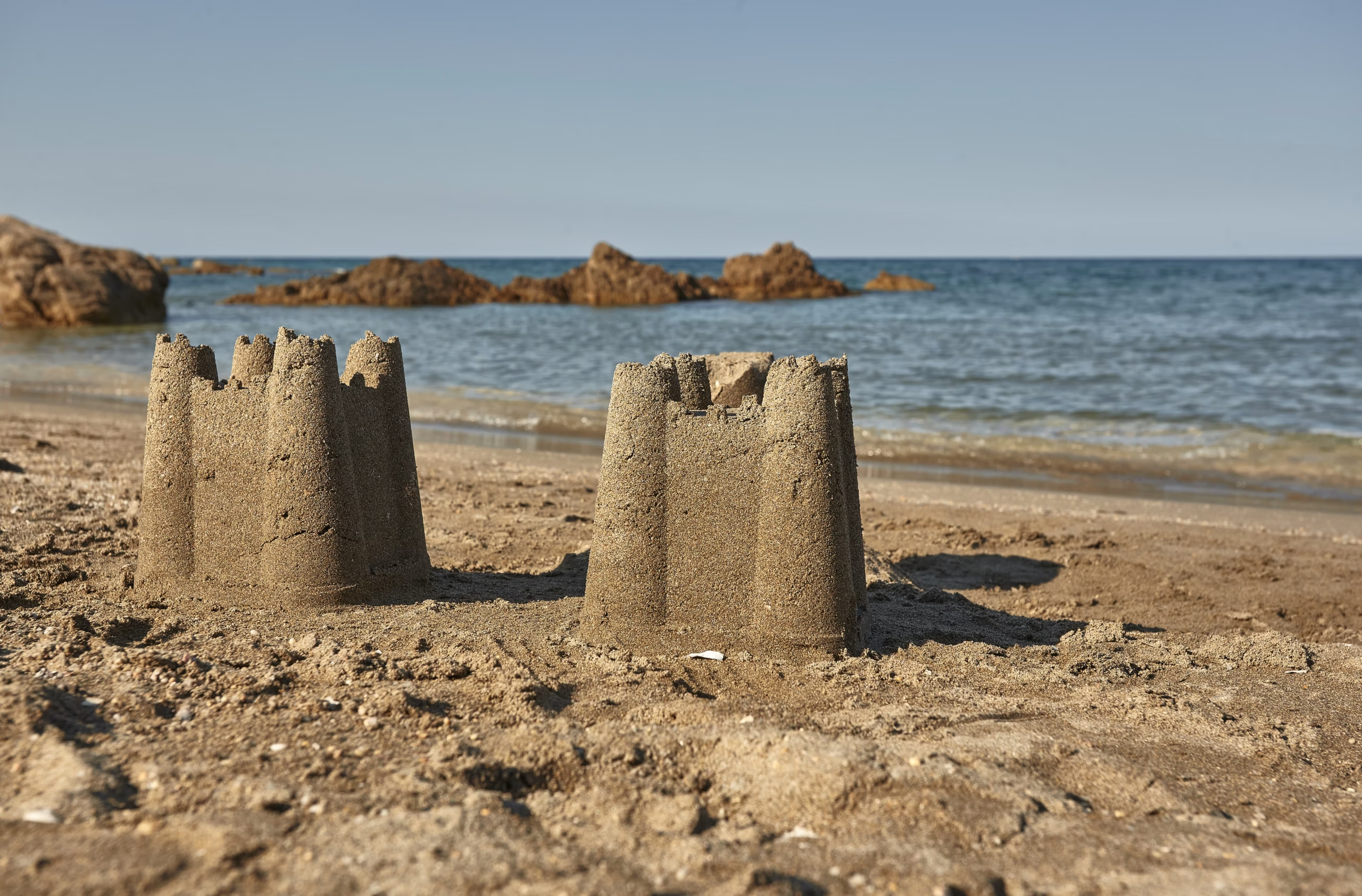
On one beach, we found two sandcastles.
Nothing monumental. Two simple structures, left behind by some child who had already returned to the shade, been called back by his parents, or moved on to building something else.
I photographed them.
Perhaps because I liked them.
Perhaps because those castles already contained everything we were living.
Someone had built something knowing it would not last.
The wind, the sea, or one careless foot would erase it. Yet that child had worked all the same. He had gathered sand, filled buckets, overturned molds, and decorated towers without worrying whether the work would endure.
As adults, we demand that everything lead somewhere.
Work must build a career.
A relationship must have a plan.
A journey must change our lives.
A photograph must become content, a portfolio piece, a sale, or public proof that we were happy.
That child had built a castle because building a castle was beautiful.
End of the fucking business strategy.
Perhaps the carefree spirit I remember from that season held precisely this secret: we did not constantly ask the present to justify its existence.
We were there.
It was enough.
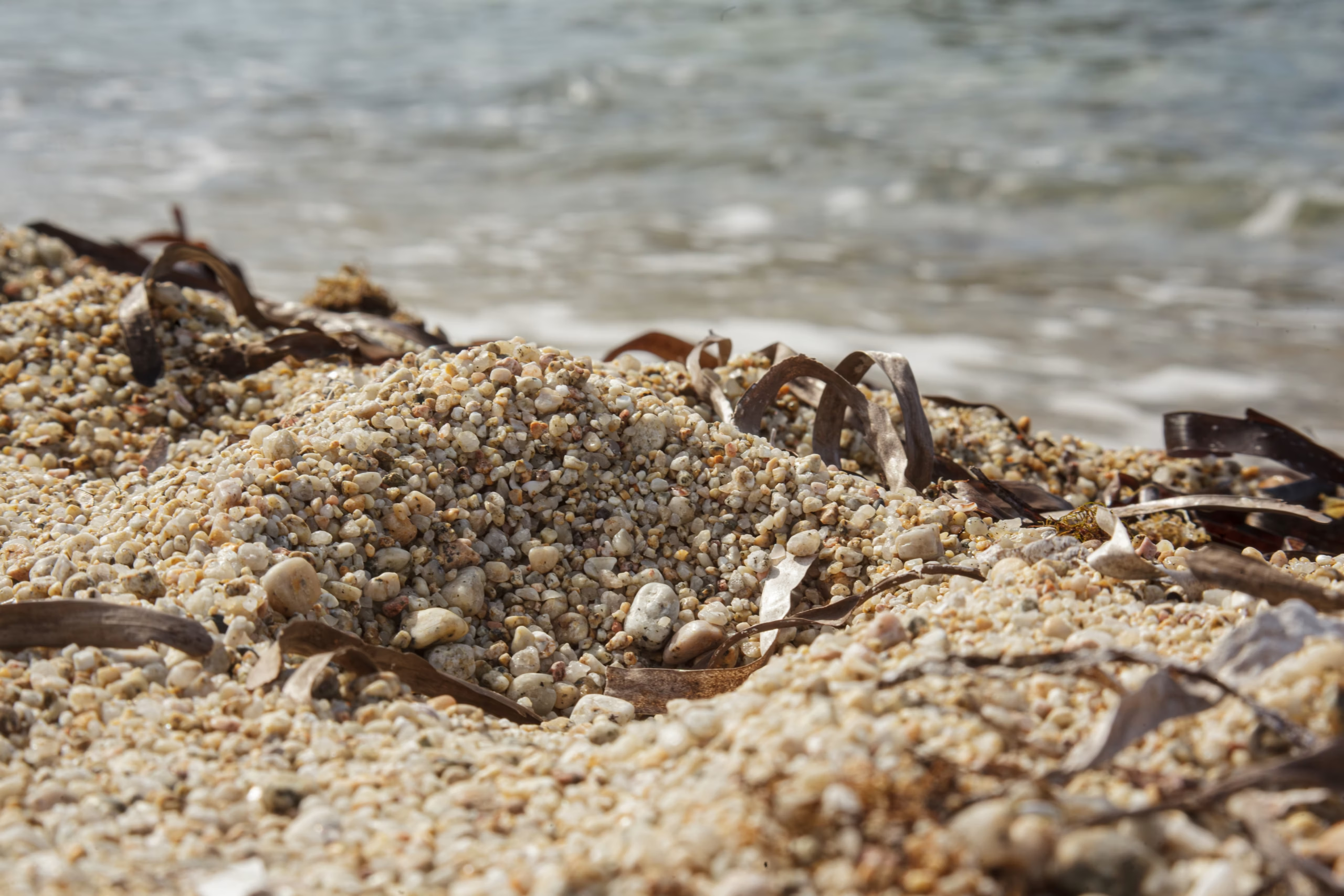
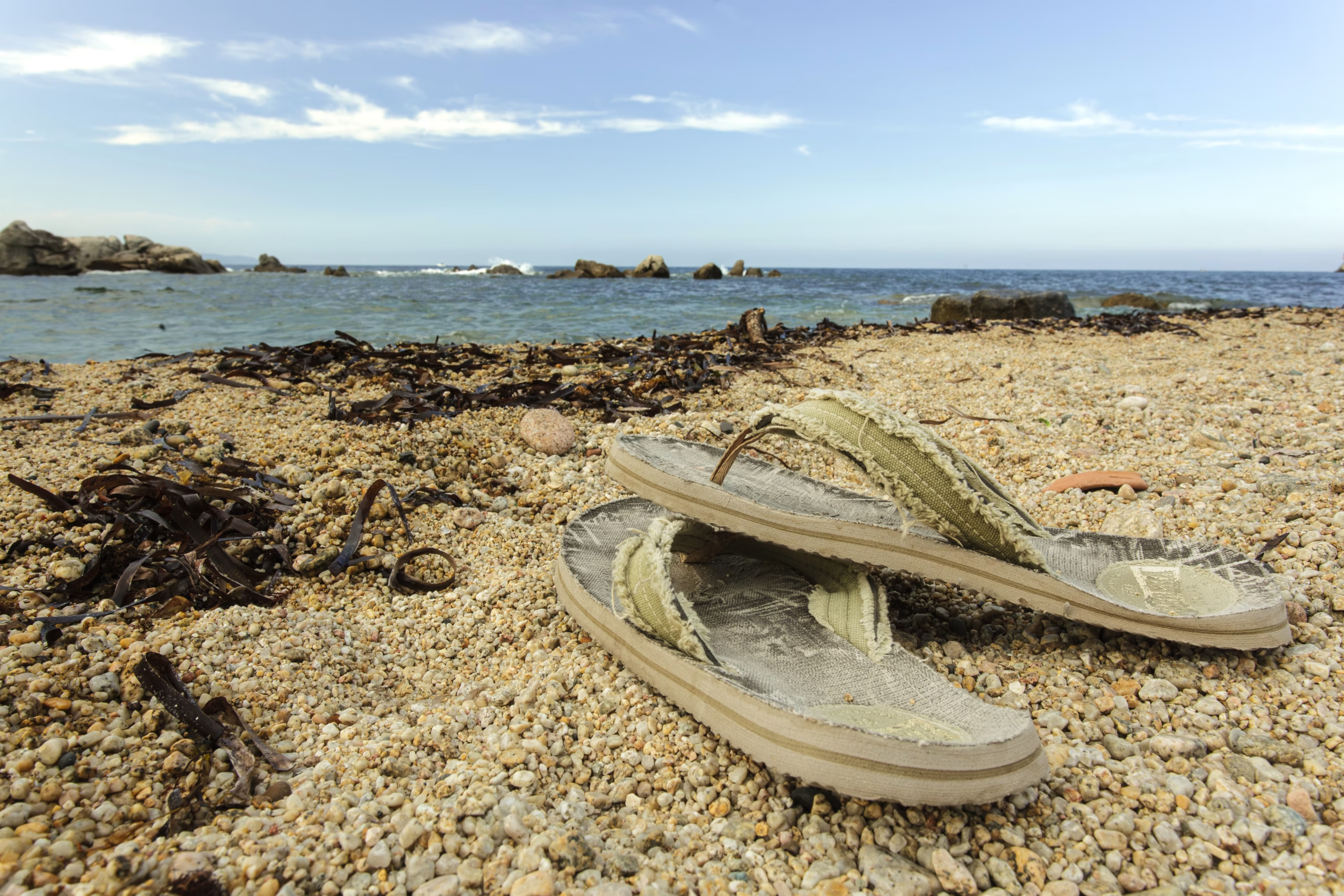
I photographed the sea up close, the shells, the small remnants carried in by the waves, and the flip-flops abandoned at the water’s edge. I do not know who had left them. They looked like two exhausted travelers who had made it as far as the sea and then decided to continue barefoot.
We spent our time watching one another watch the world. Each of us searched for his own framing, his own light, that fragment capable of saying: this is how I saw this place.
There was no competition.
Or, if there was, it was the healthy and slightly idiotic kind that arises among photographers when everyone pretends not to have noticed that someone else found a better composition.
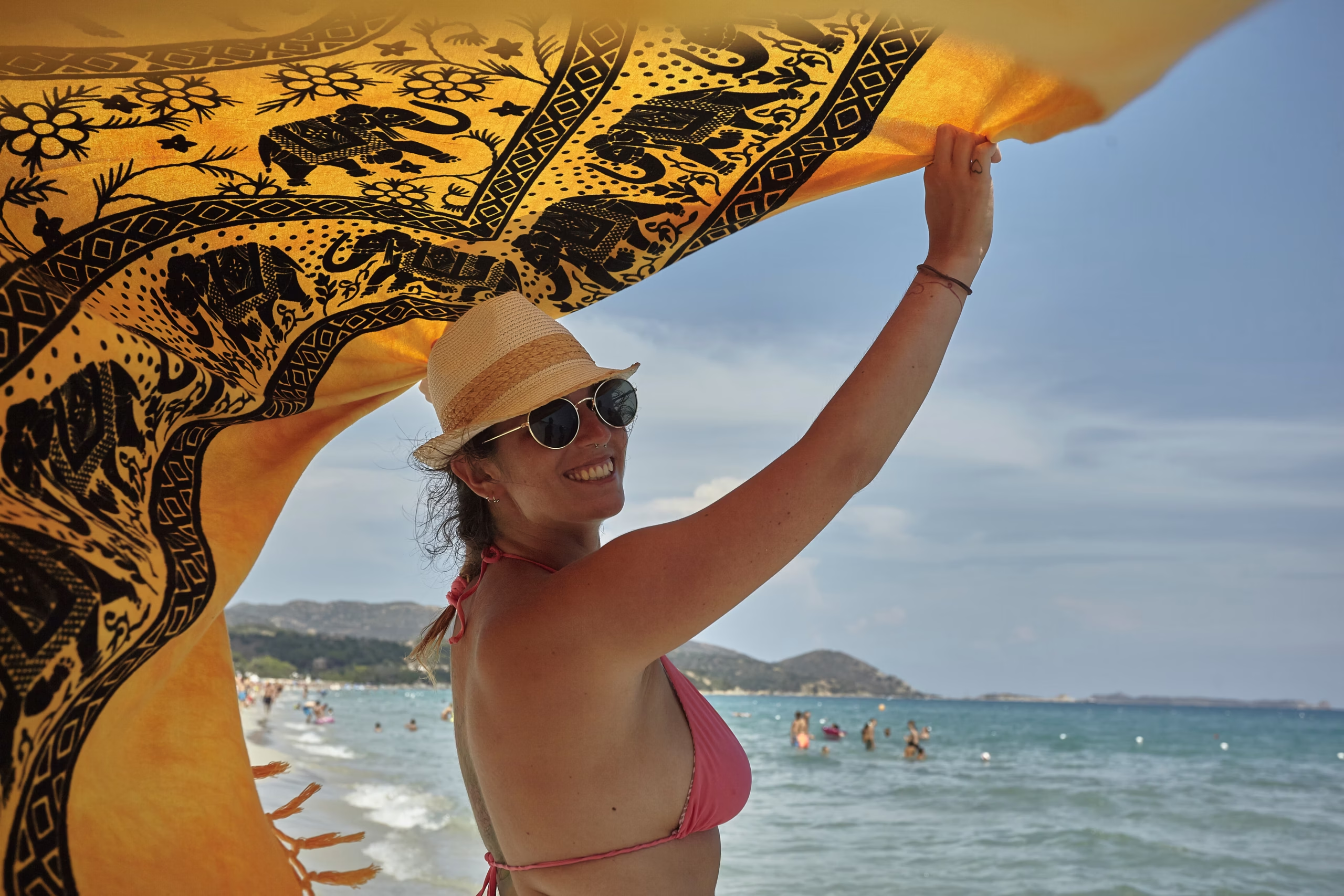
Then there is a young woman lifting a large, colorful cloth as the wind billows it above her head.
I do not remember how much of that photograph was planned.
Probably very little.
The wind took command of the scene, directed the fabric, arranged the light, and did not even ask for a credit.
She laughs.
The cloth unfurls.
The sea continues behind her.
It is an image that needs no explanation. It contains the lightness I pursue throughout this story: not the absolute absence of thought, but the moment when your thoughts stop weighing enough to keep you on the ground.
Being carefree does not mean everything in your life is fine.
It means that, for a few hours, the world can wait.
That summer, it often did.
We walked, explored, and sat before the water. We photographed one another. We built days without realizing that, years later, those were the very days we would long to step back into.
There are faces that still carry me straight back to that time.
People I am still close to.
Friends who remained not only in a photographic archive, but in the good part of my memory.
A friendship born while traveling is different. It skips the useless introductions. It does not know you only over drinks in a bar, or while you tell the best-edited version of your life.
It sees you tired.
Sweaty.
Hungry.
Lost.
It sees you when the trail becomes difficult, when the water is running out, when you have to wait for someone or admit that the direction you chose was completely wrong.
If after all that you still care for each other, there is probably something genuine there.
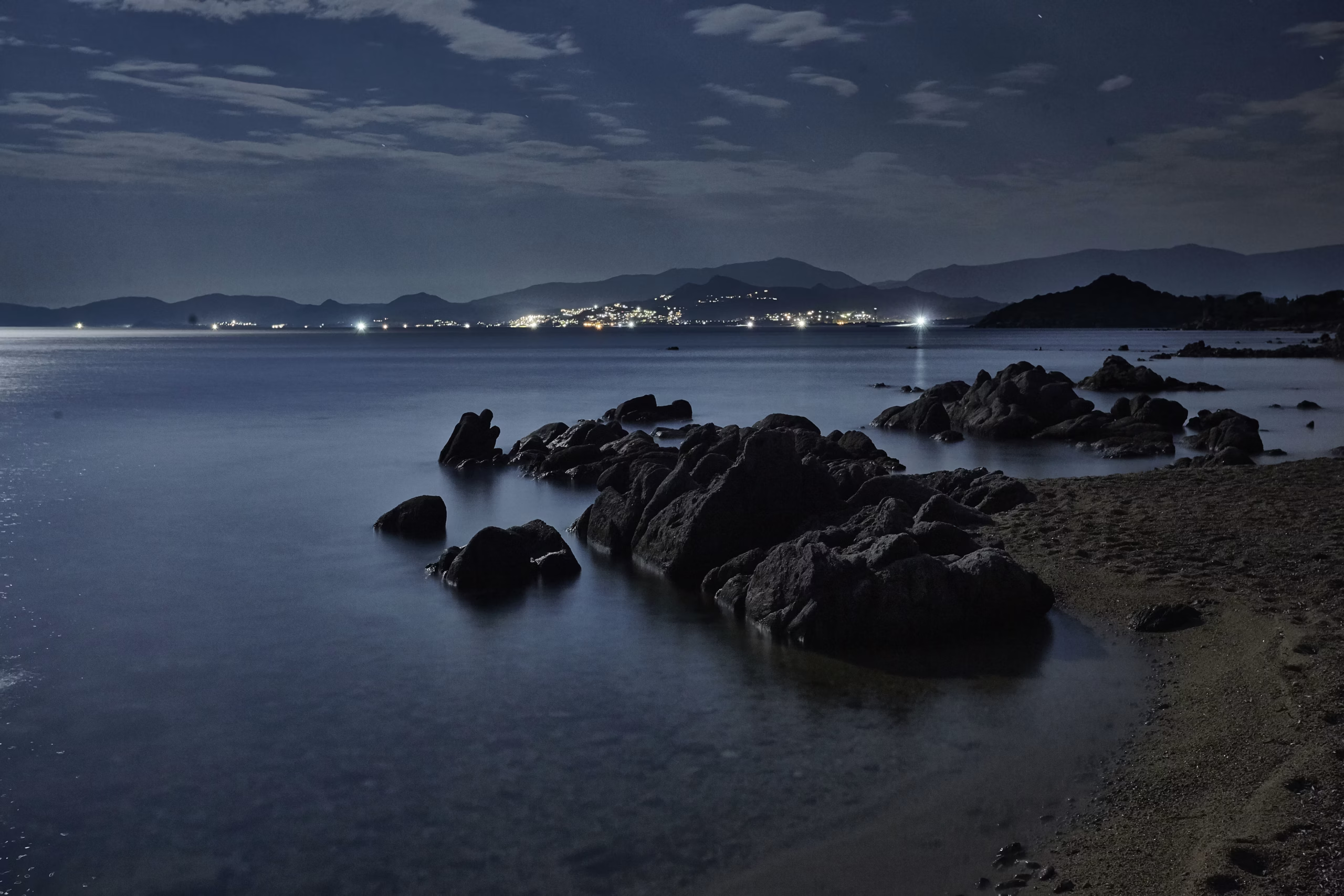
Night arrived without bringing the day to a close.
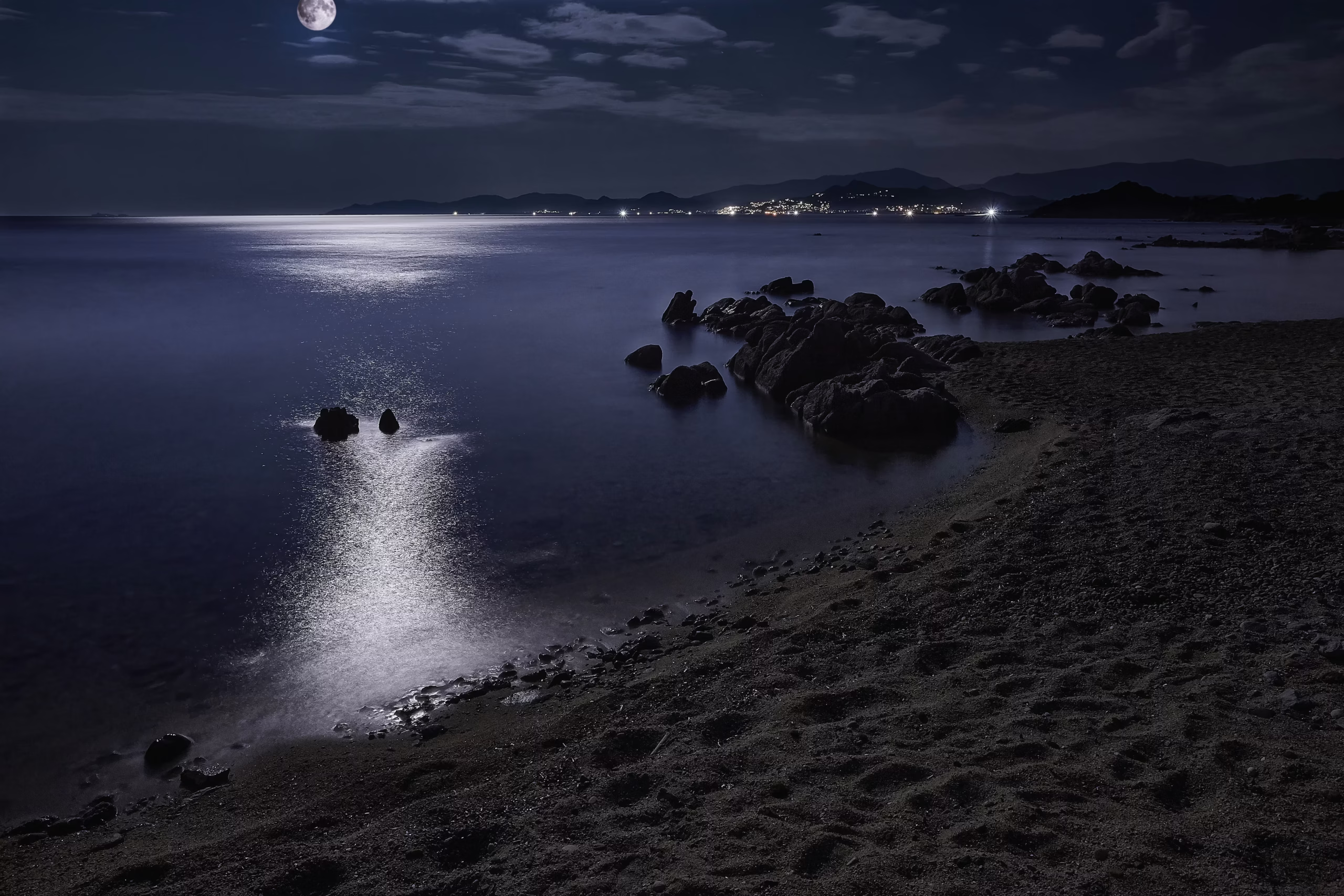
One photograph shows the moon above the sea. Its light falls across the water, laying a silver road through the dark. Rocks emerge like sleeping animals, while in the distance the lights of the towns cling to the coast.
There was no need to do much.
Sometimes it was enough to go out, reach the beach, and remain there.
The sea has a different voice at night. By day, it offers itself to the eye, reveals its color, invites you in. At night, it grows larger. You do not know where it ends or what it contains, and for an instant you understand how ridiculous our insistence on having everything under control truly is.
We were a handful of friends before something immense.
And we did not feel small.
We felt alive.
There are times when life seems to demand answers without pause: where are you going, what do you want to become, how much do you earn, what plans do you have, when are you going to settle down?
That moon did not ask us a goddamn thing.
It lit the water.
We watched it.
A perfectly successful conversation.
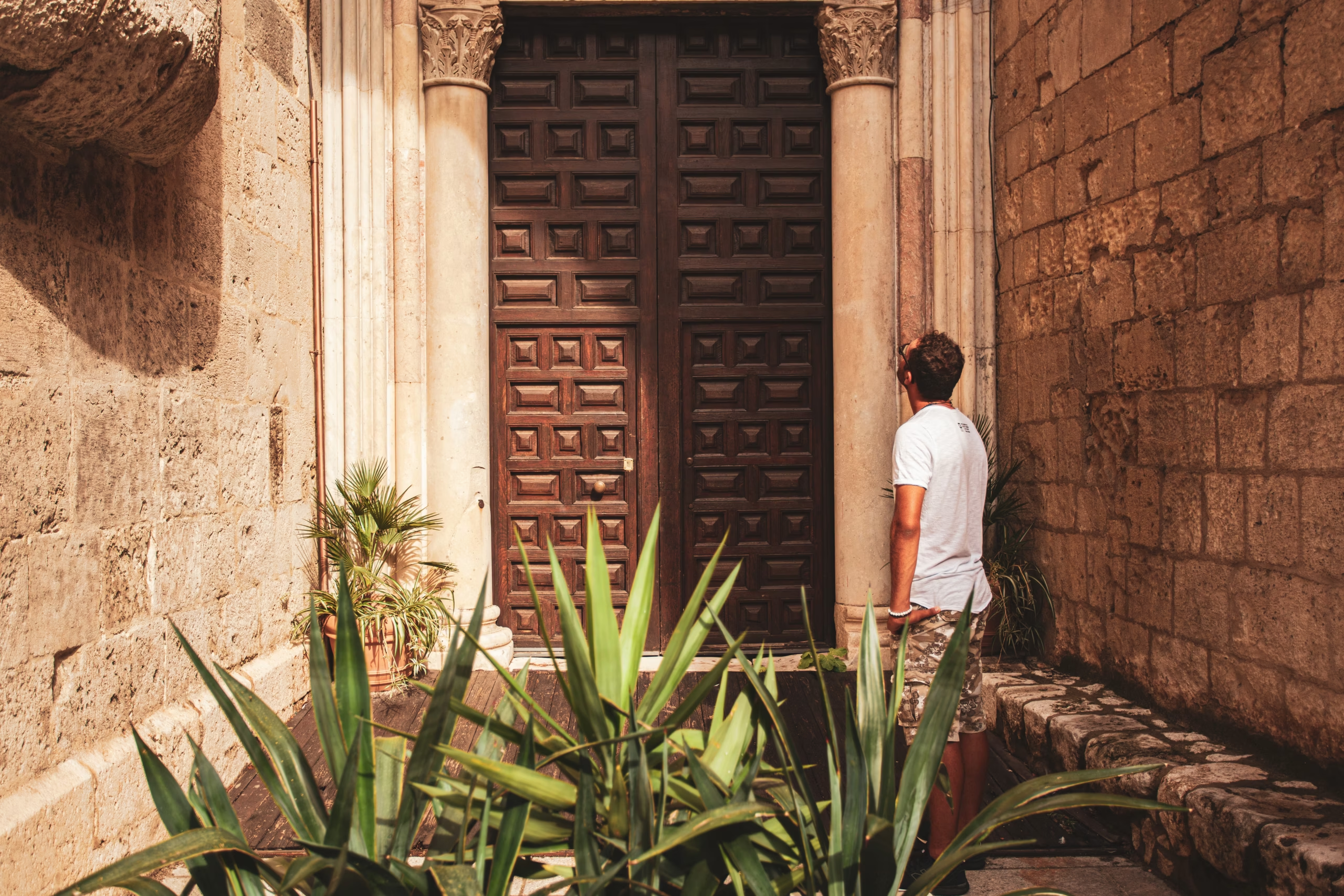
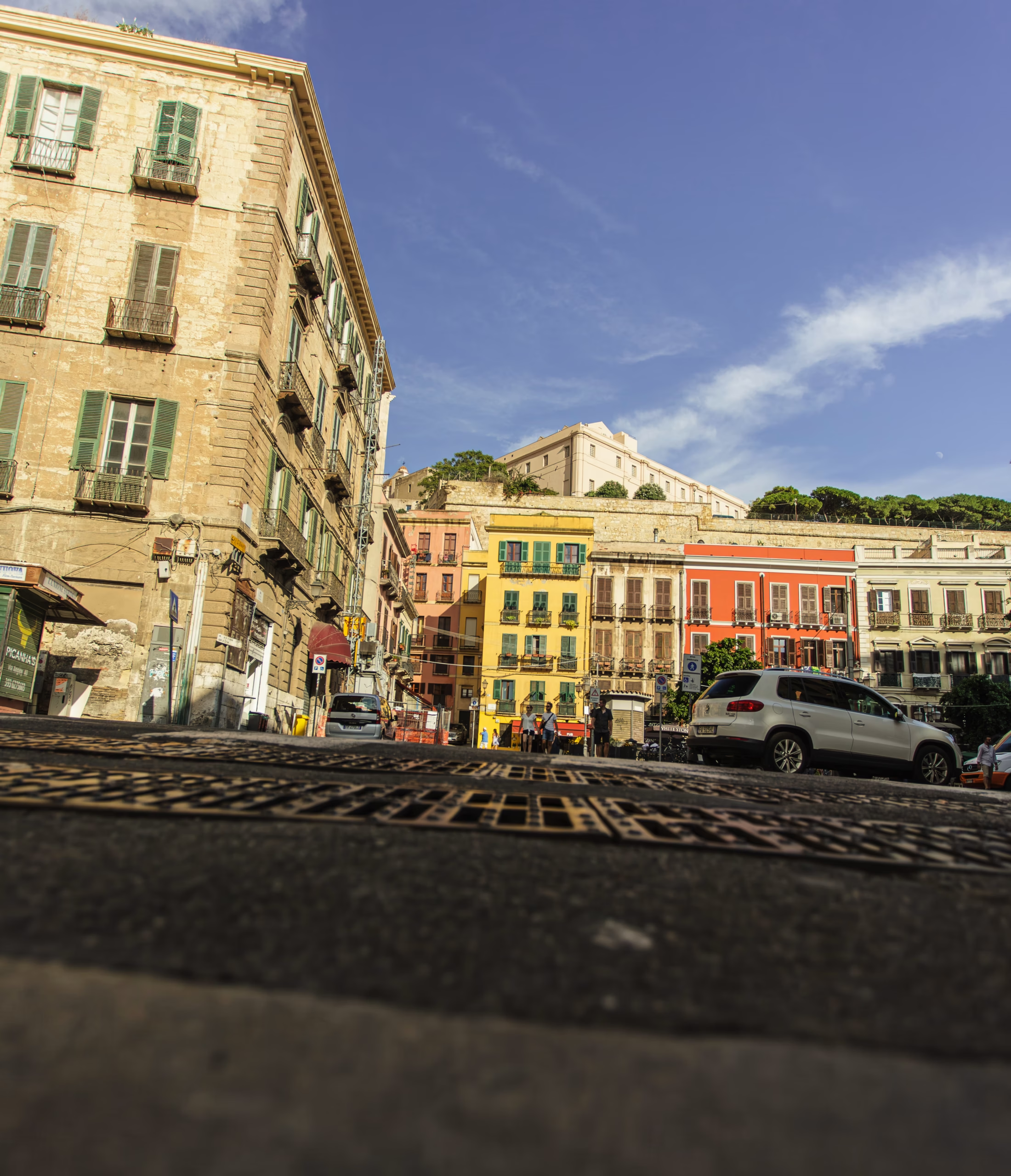
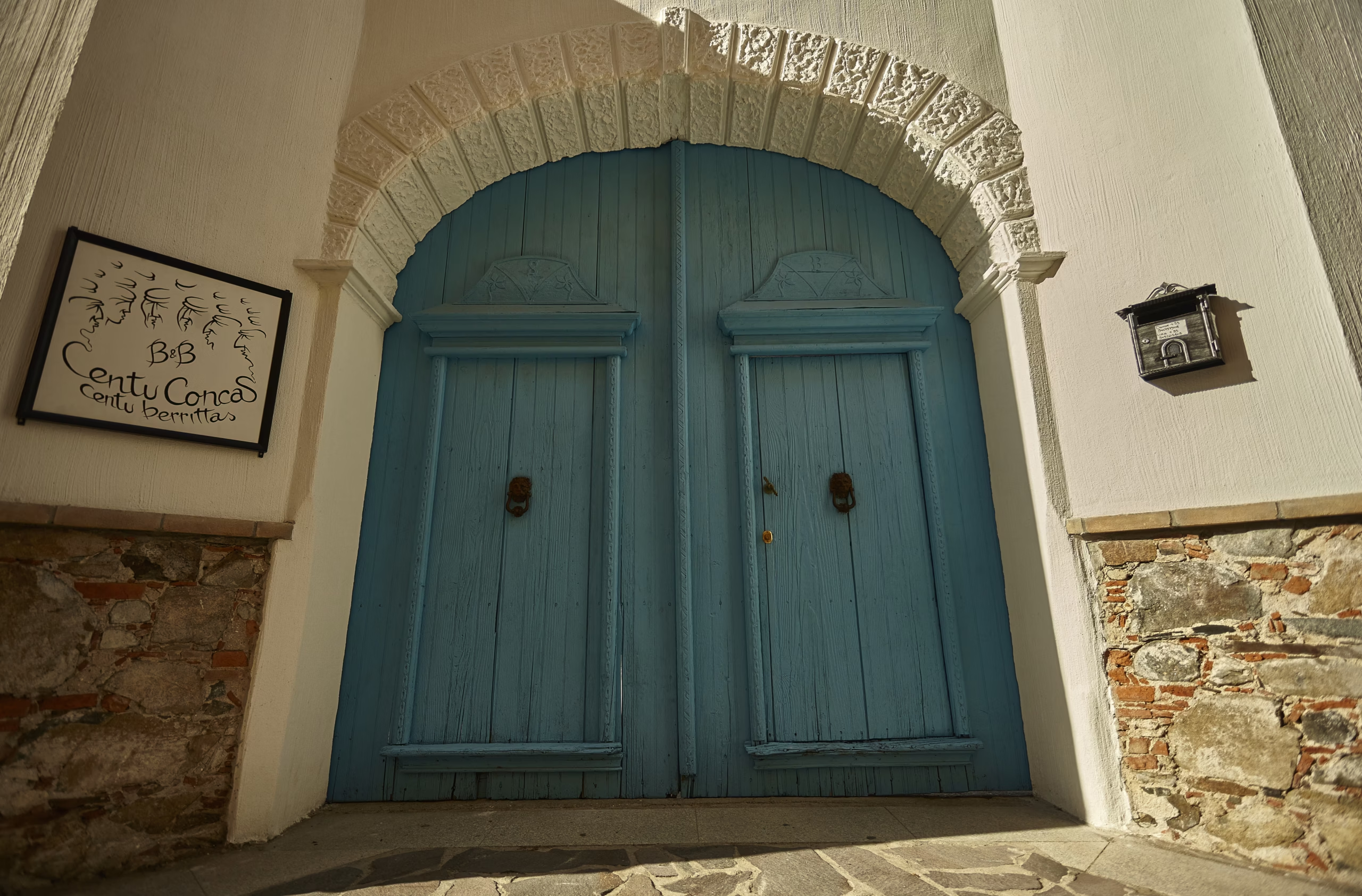
From the coast, we moved on to the towns. Colorful doors set into stone, weathered walls, alleyways, churches, and buildings that seemed to have absorbed the sun for decades. Every place possessed a texture unlike anything I was used to.
There was no need to photograph everything.
I was not trying to compile an architectural census.
I stopped for whatever called to me: a blue door, a peeling wall, someone standing before an enormous entrance, a passage where the light fell at an angle.
When you truly visit cities and towns, they do not reveal themselves through monuments. They slip in through the cracks.
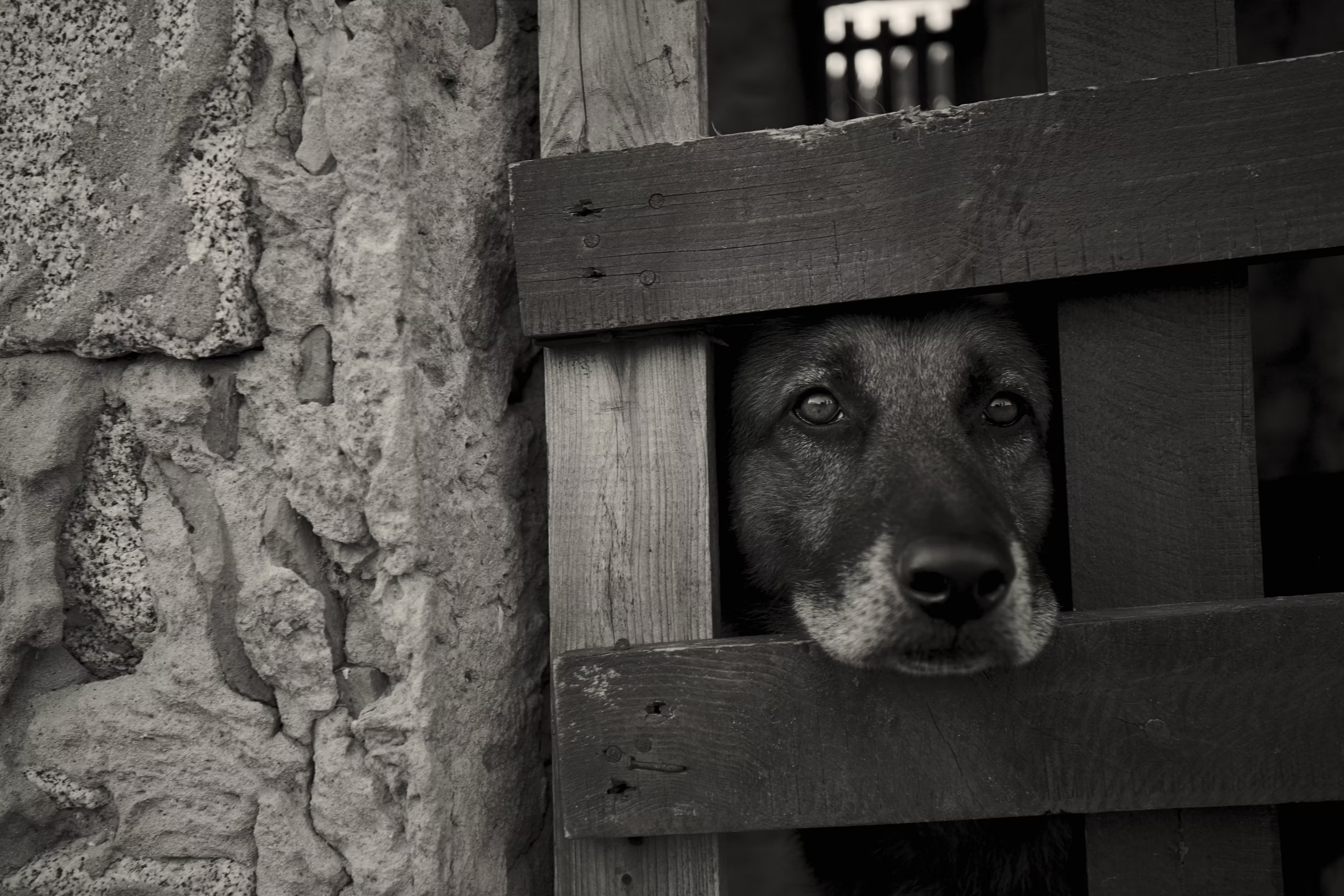
A dog watched through a wooden fence.
Its muzzle poked between two boards, its eyes turned outward. It seemed eager to join the journey, but someone, for reasons that were plainly bureaucratic, had denied the application.
Today, that photograph strikes me as almost too precise.
He was inside.
For the first time, I was out.
I had left home, my habits, and everything I knew to face a season of months far beyond my comfort zone. I did not know exactly what I would find. I knew only that remaining behind the fence had begun to feel more dangerous than crossing it.
The dog looks out.
I had finally stopped doing so.
It was not a heroic gesture. No soundtrack began playing the moment I made the decision. No one turned to me and said: from this day forward, your life will change.
I packed my things.
I left.
Like nearly every important transformation, it began with actions far less spectacular than their result.
In Cagliari, I took only a handful of photographs.
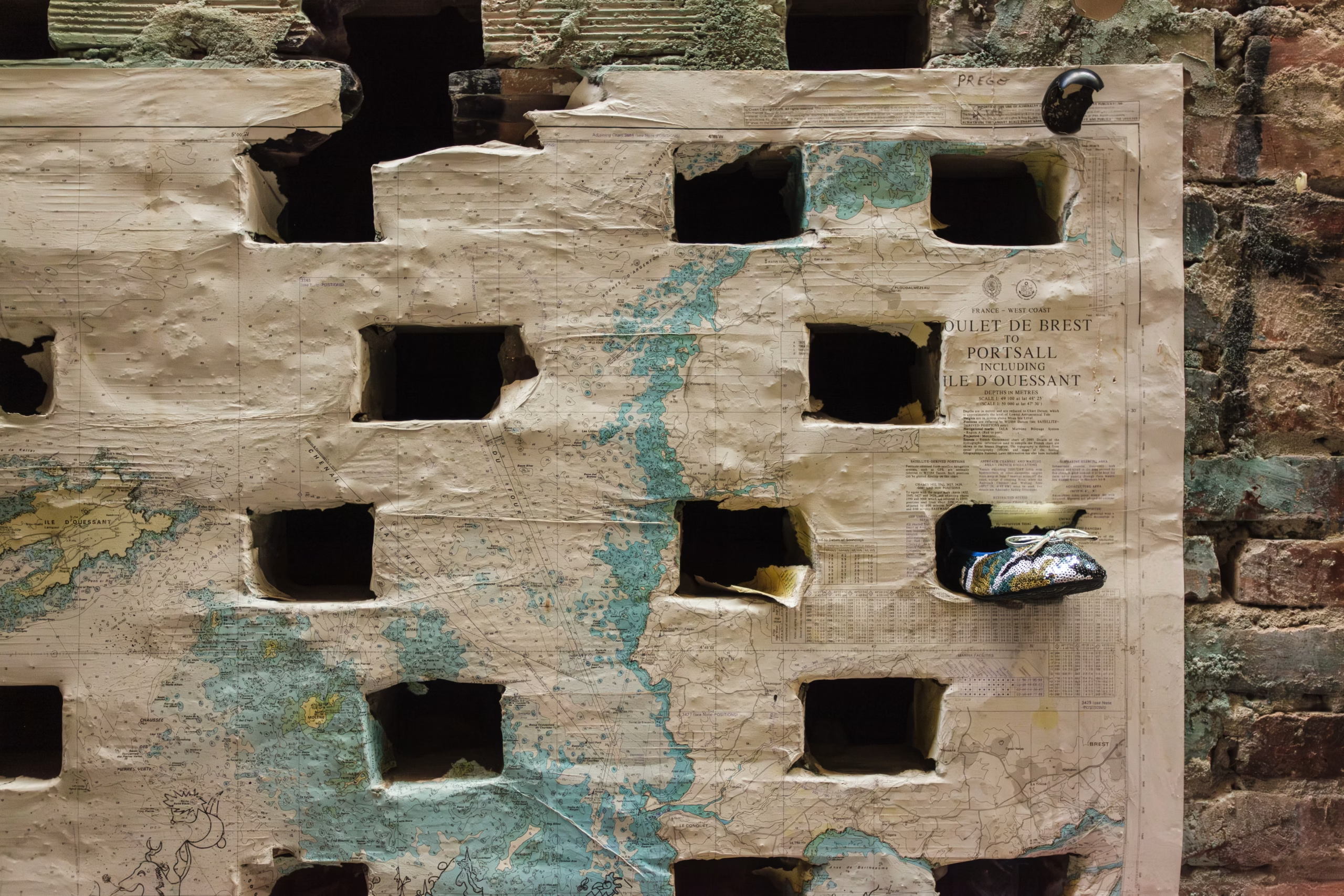
They do not tell the whole city, and that is all right. I was not interested in collecting evidence of its existence. Once again, I was searching for openings, passages, and whatever suggested movement.
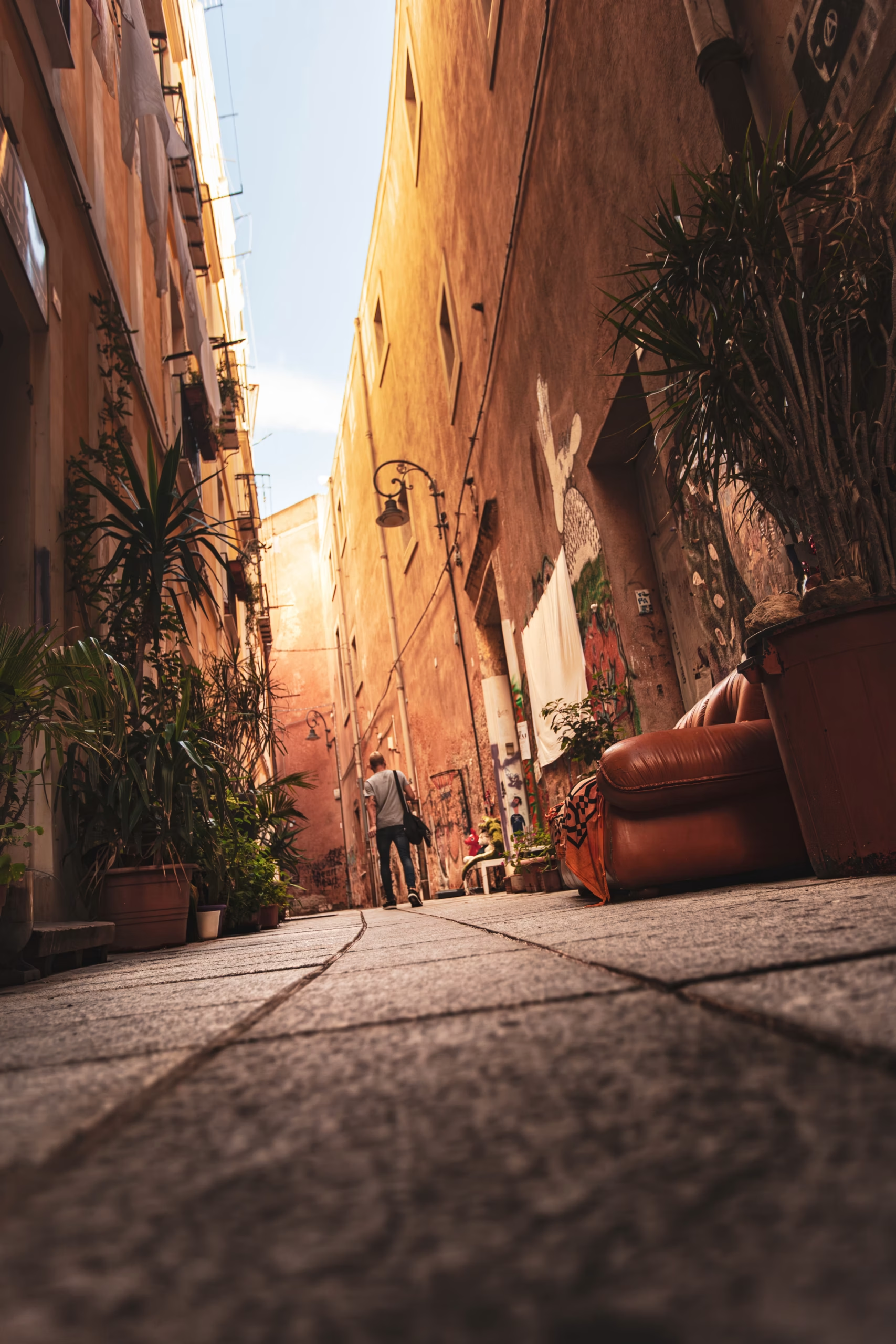
A man walks along a street toward something we cannot see. We do not witness his arrival, and perhaps that is precisely why the image works. It lives in the step, not the destination.
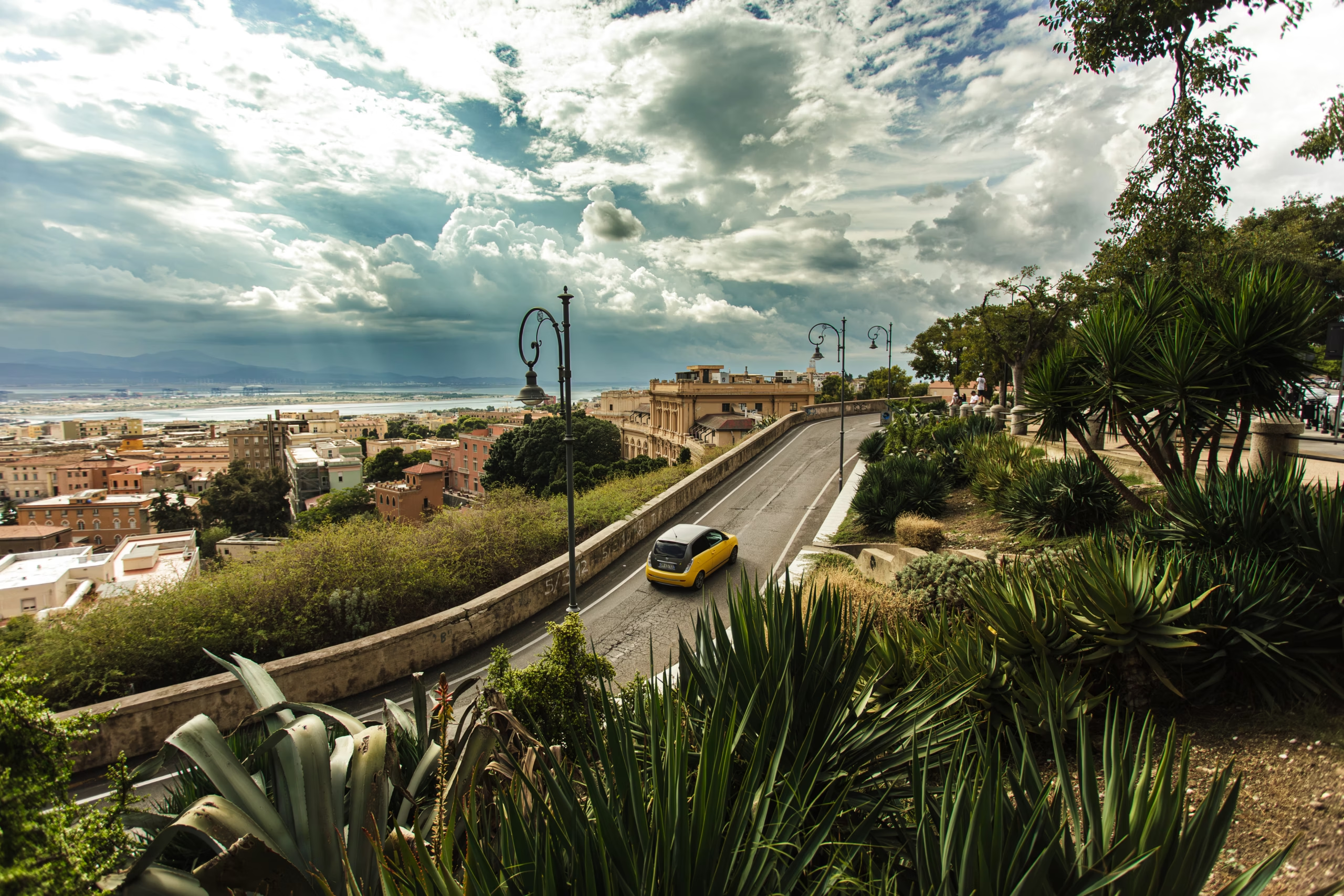
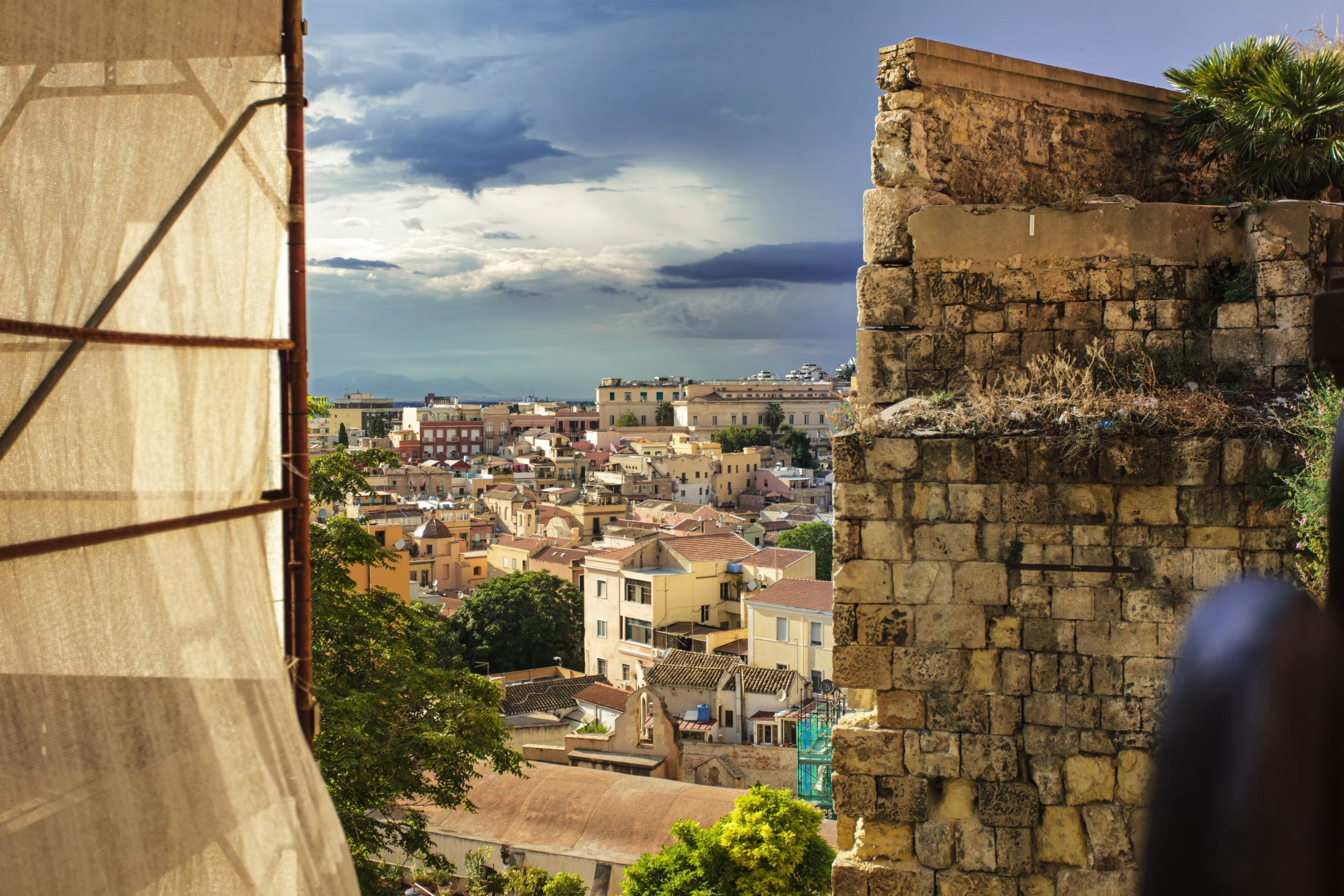
The city appears from above amid stone, awnings, walls, and vegetation. It does not offer itself completely. You have to seek it through a frame, as though it, too, wished to preserve some part of its mystery.
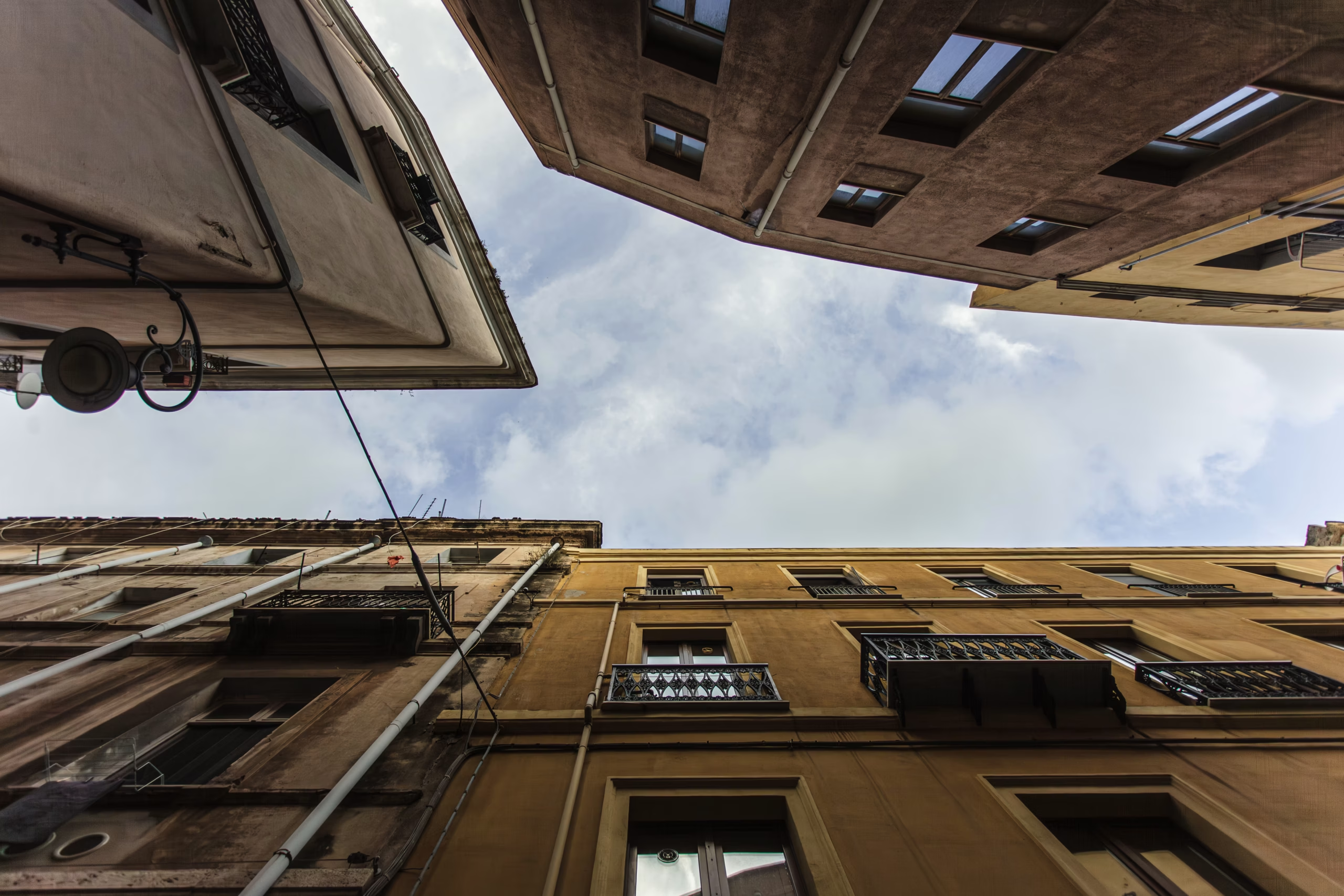
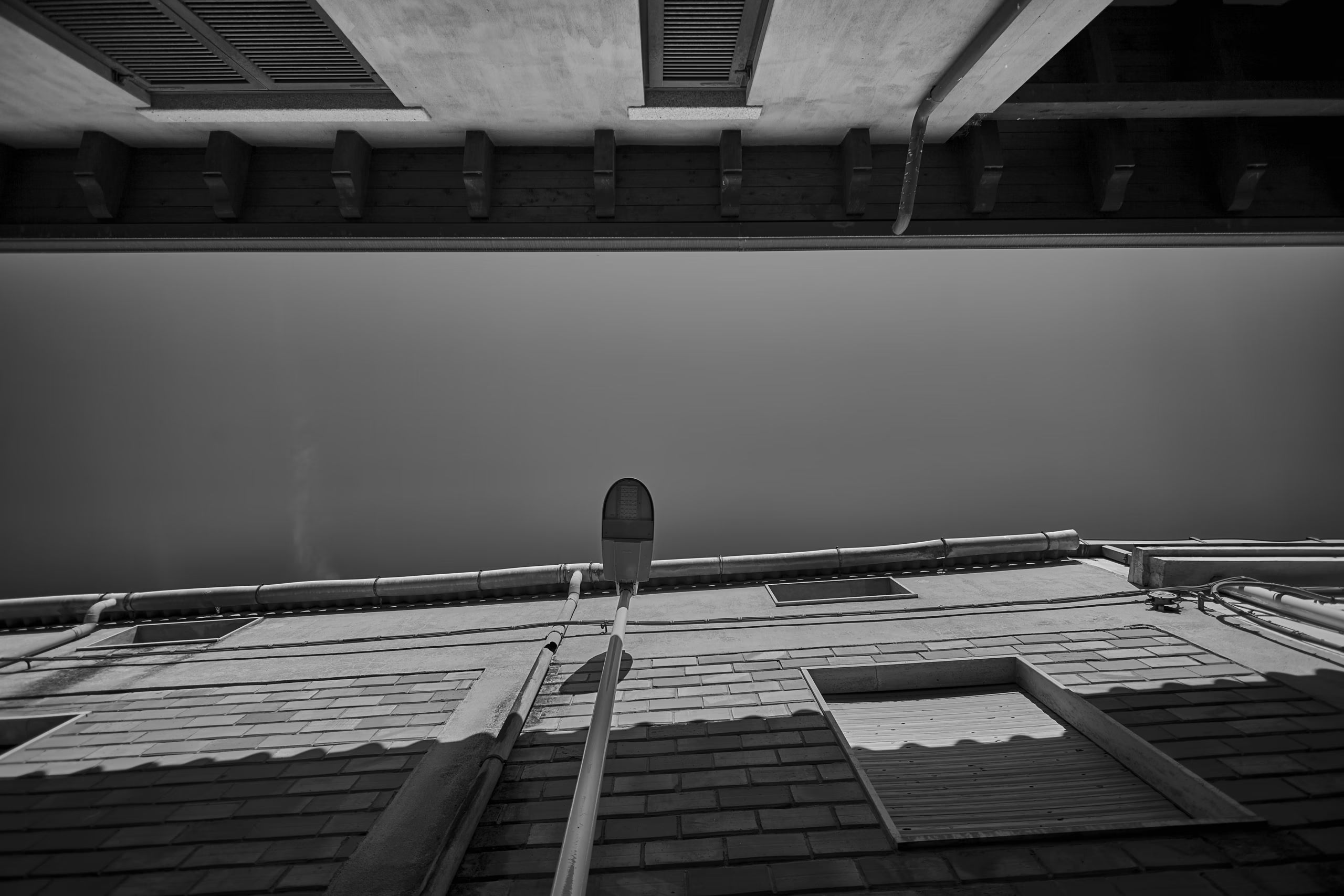
In another photograph, I raise the lens toward the sky. The buildings close around the frame, leaving only an aperture of blue at the center.
For years, I had lived looking mainly at what surrounded me.
During that time, I was finally learning to look beyond it as well.
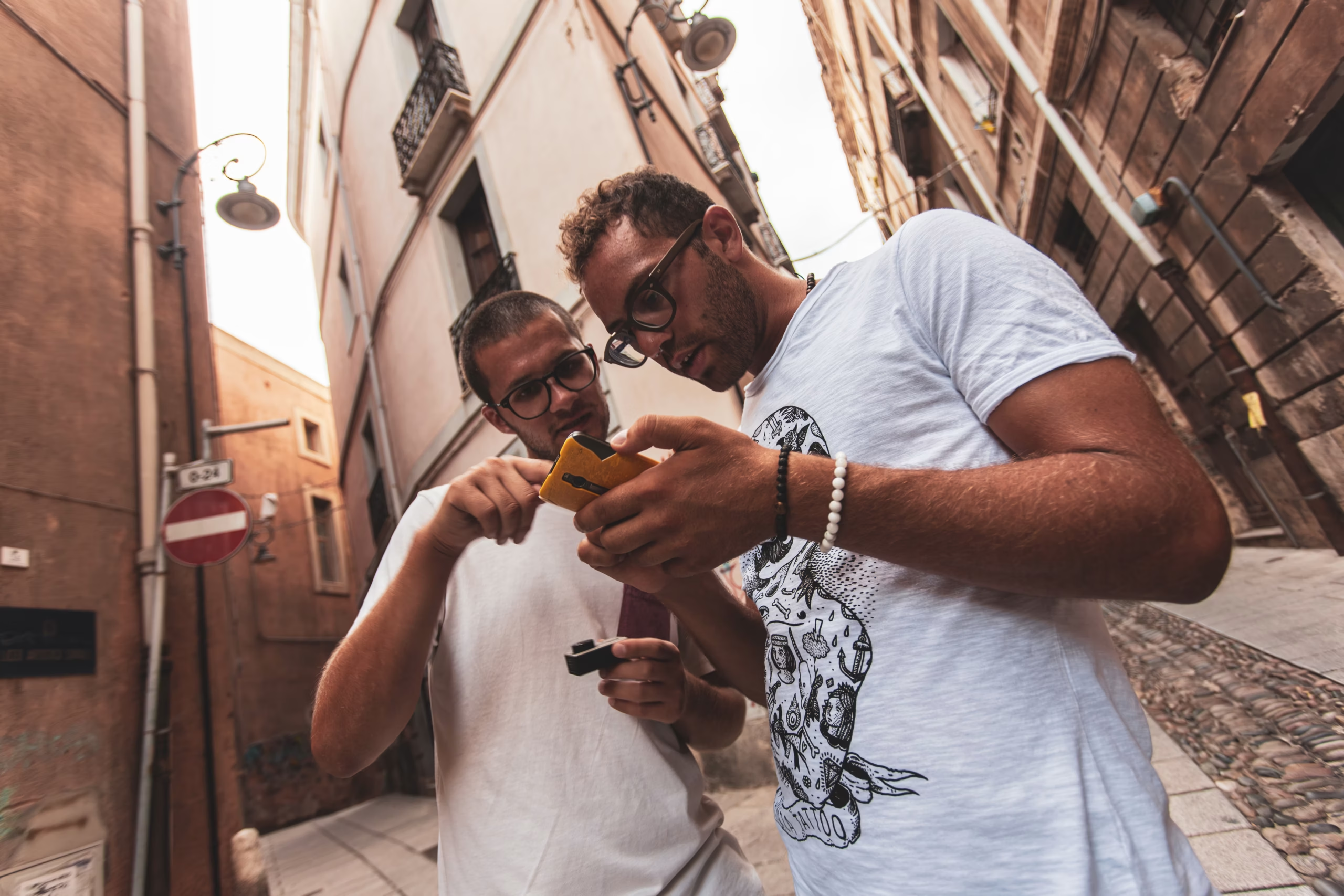
Two friends stand in an alley, bent over a map on a phone. They wear the solemn expressions of two Renaissance cartographers, although they are probably only waiting for the blue dot to decide to cooperate.
The scene makes me smile.
Not only because it captures travel as it really was—full of detours, doubts, and phones rotated in the hope that the road might change out of pity—but because it still feels familiar today.
I, too, was looking for a direction.
Perhaps I still am.
I possess satellite systems capable of telling me exactly which exit to take at a roundabout, but when I ask where the fuck I am supposed to steer my life, Google Maps abruptly loses the signal.
The hardest thing to accept is that perhaps there is no single direction.
There are paths.
People.
Detours.
Times when you run, and others when you stand before the map pretending to have the situation under control.
Back then, we did not always know the way.
But we knew who we were getting lost with.
And that was enough.
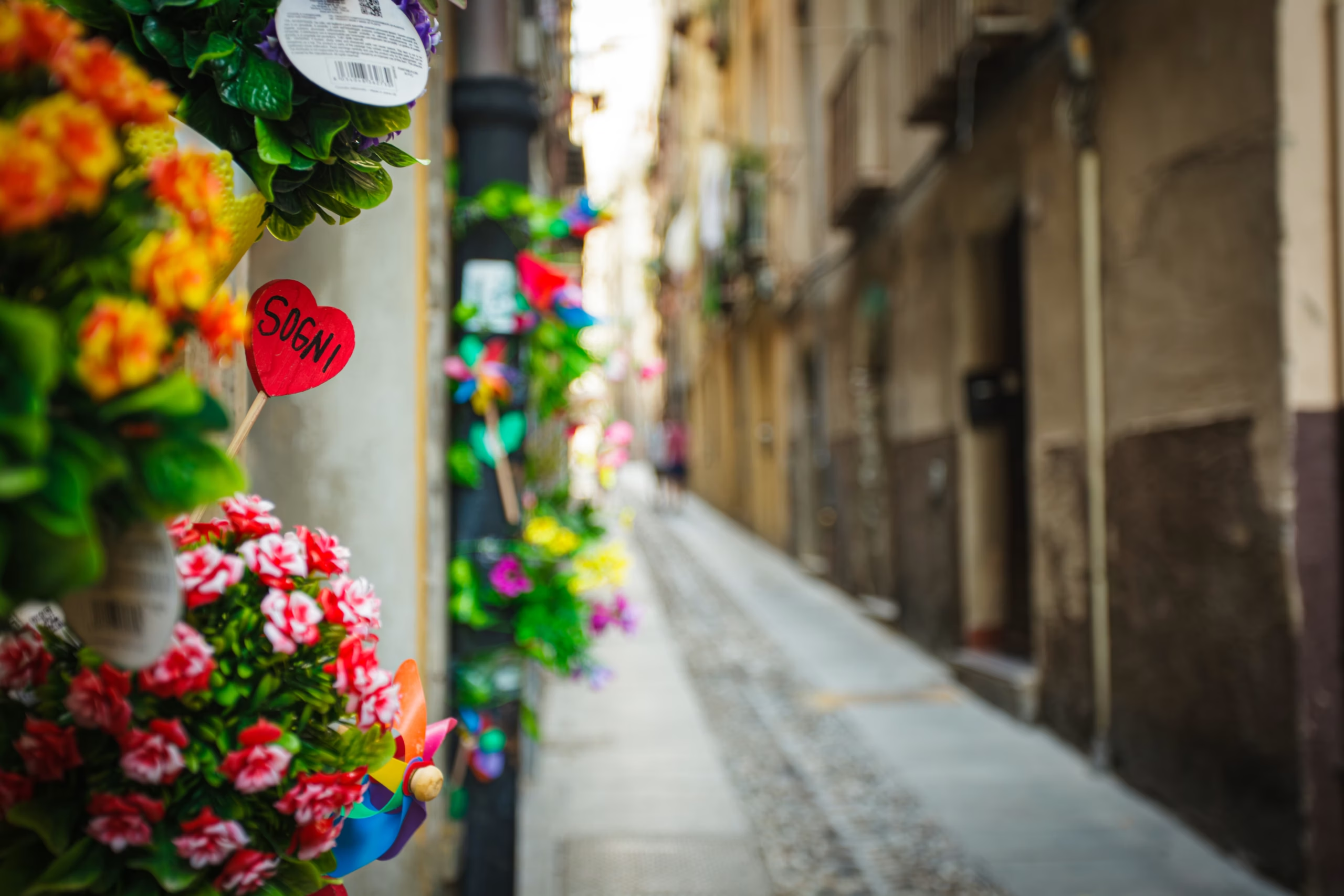
In one alley, a small red heart appears with a word written above it: ‘Dreams.’
Beside it are colorful flowers. Ahead, the road recedes out of focus.
A metaphor so perfect it feels almost indecent.
Follow your heart.
Follow your dreams.
The road is out of focus and you have not the faintest idea where it leads.
Very good, thank you, universe. Subtle as a billboard, as always.
And yet the image says exactly what it needed to say.
The road through life almost never appears sharp in advance. If you wait to understand it completely before moving, you risk spending your existence on the sidewalk, studying a depth of field that will not change by itself.
Sometimes you have to follow something less reliable.
A desire.
A curiosity.
A call you cannot explain.
A red heart fastened beside a cluster of flowers.
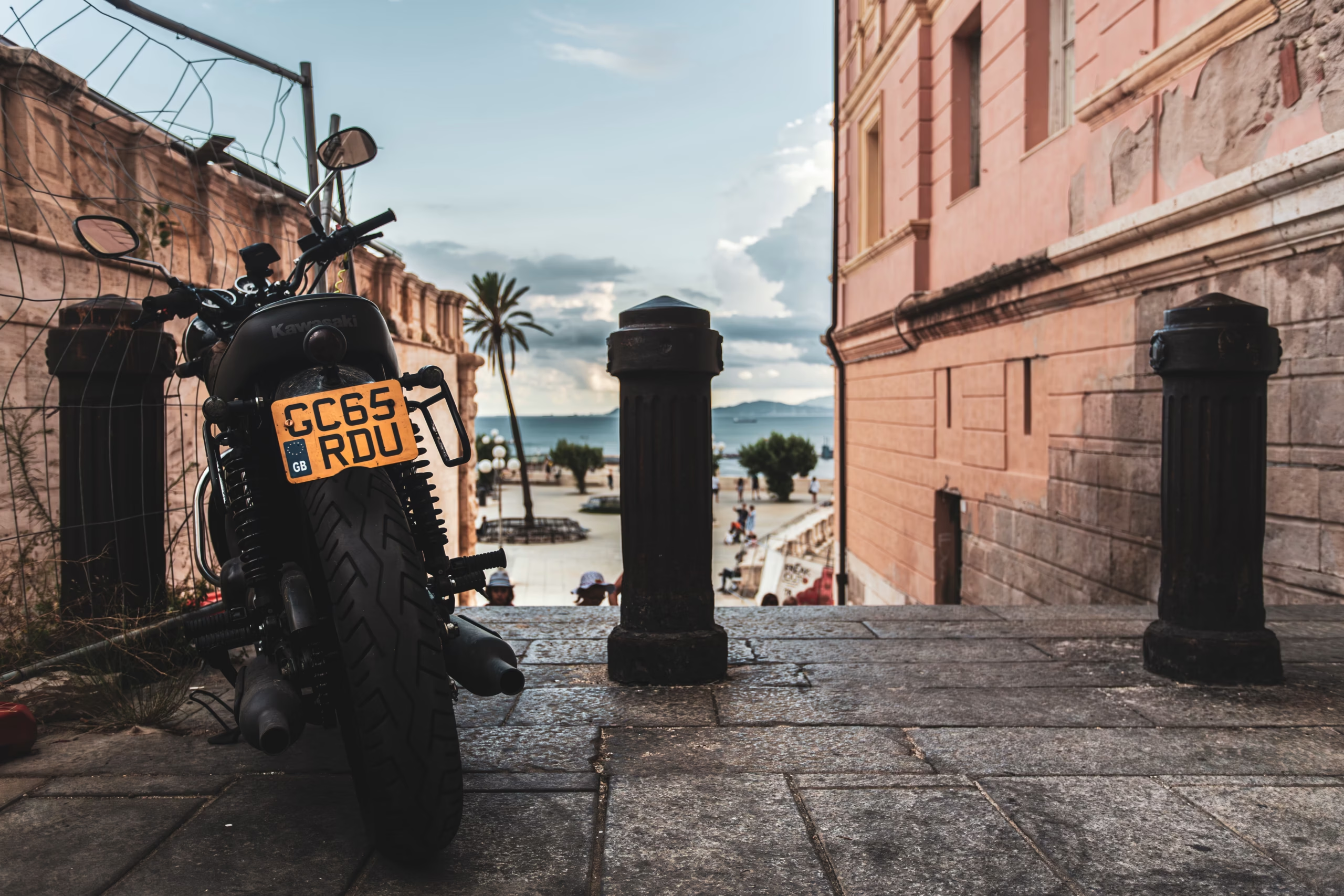
A motorcycle is parked at the end of a street, the sea beyond the buildings. It is going nowhere, yet it already contains the idea of movement.
Motorcycles have this talent. Even at rest, they look ready to leave you behind.
The road, minimal luggage, and a destination that can be decided later.
Travel pared down to its most instinctive form.
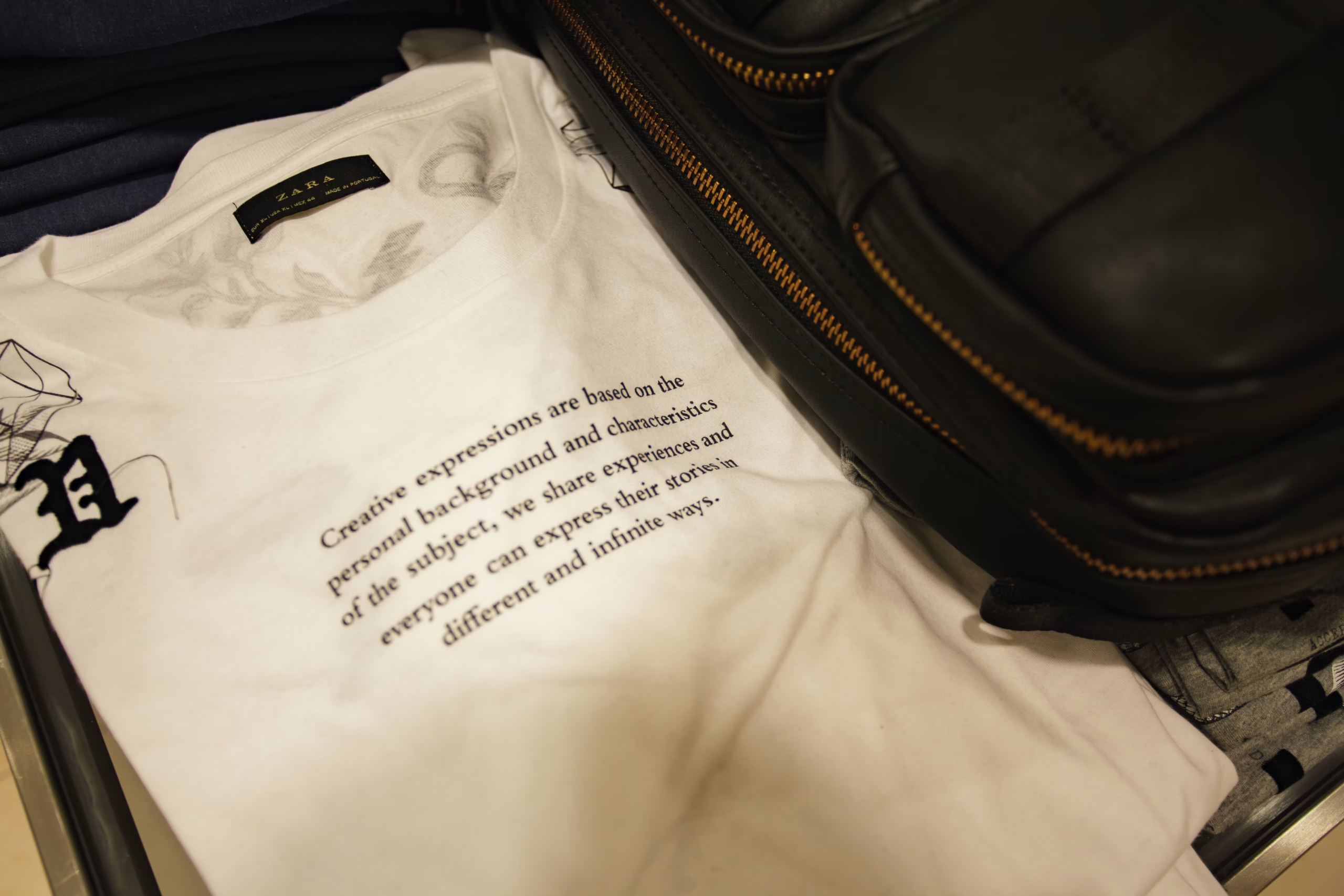
Soon afterward comes a T-shirt bearing a phrase about creative expression: what we make is born of our past, our particular nature, and the way we transform experience into different stories.
It was probably just a T-shirt for sale.
But when the world is drunk enough, it can slip an artistic manifesto onto a piece of clothing.
Those words also sum up this archive.
These photographs are not merely southern Sardinia. They are the way that young man in 2018 saw southern Sardinia.
Another photographer would have seen something else.
He would have chosen other rocks, other faces, other alleyways. He would have ignored the dog, the red heart, the flip-flops, and the sandcastles.
Those are exactly where I stopped.
An artist does not merely tell the story of what stands before him.
He reveals what he is capable of seeing.
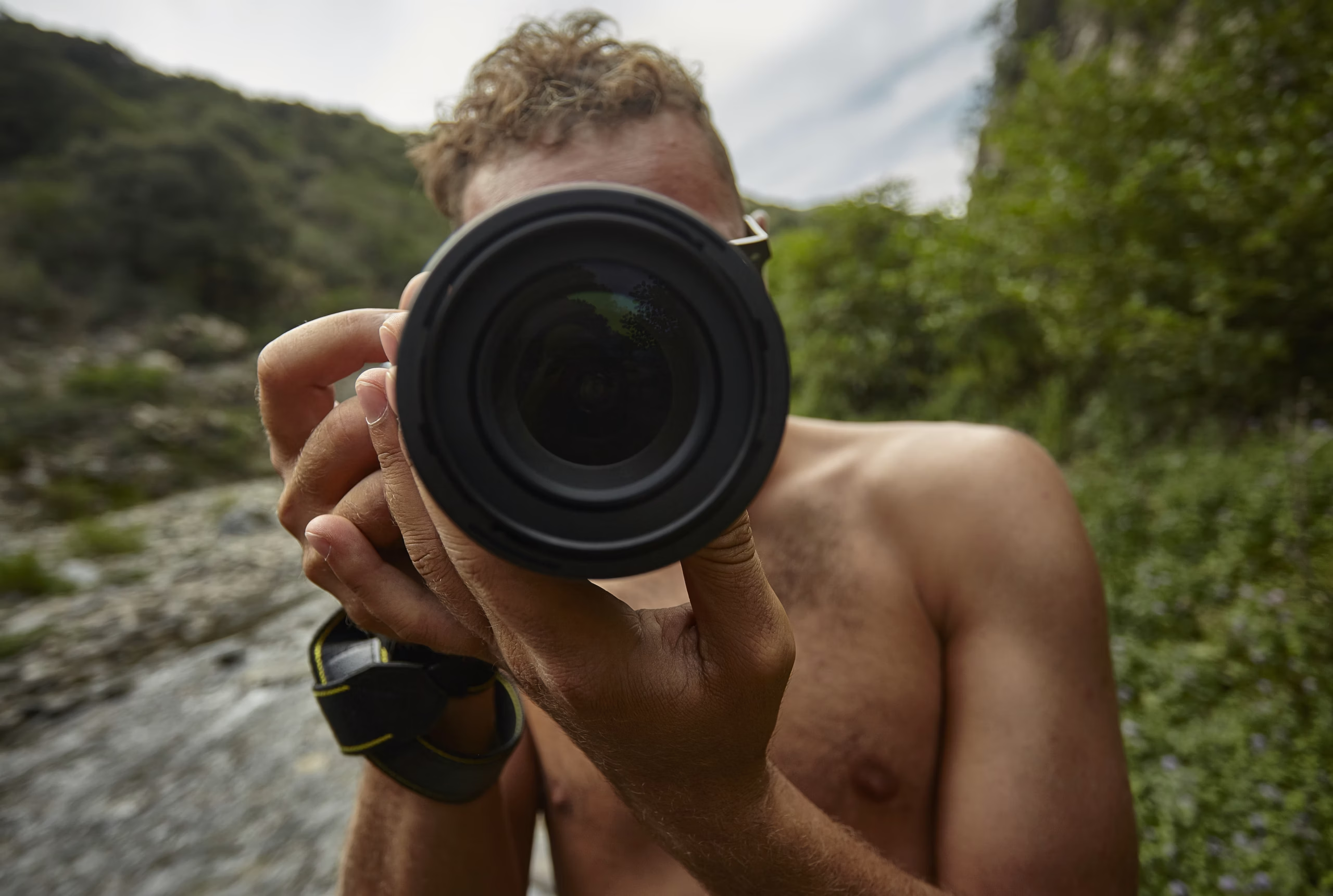
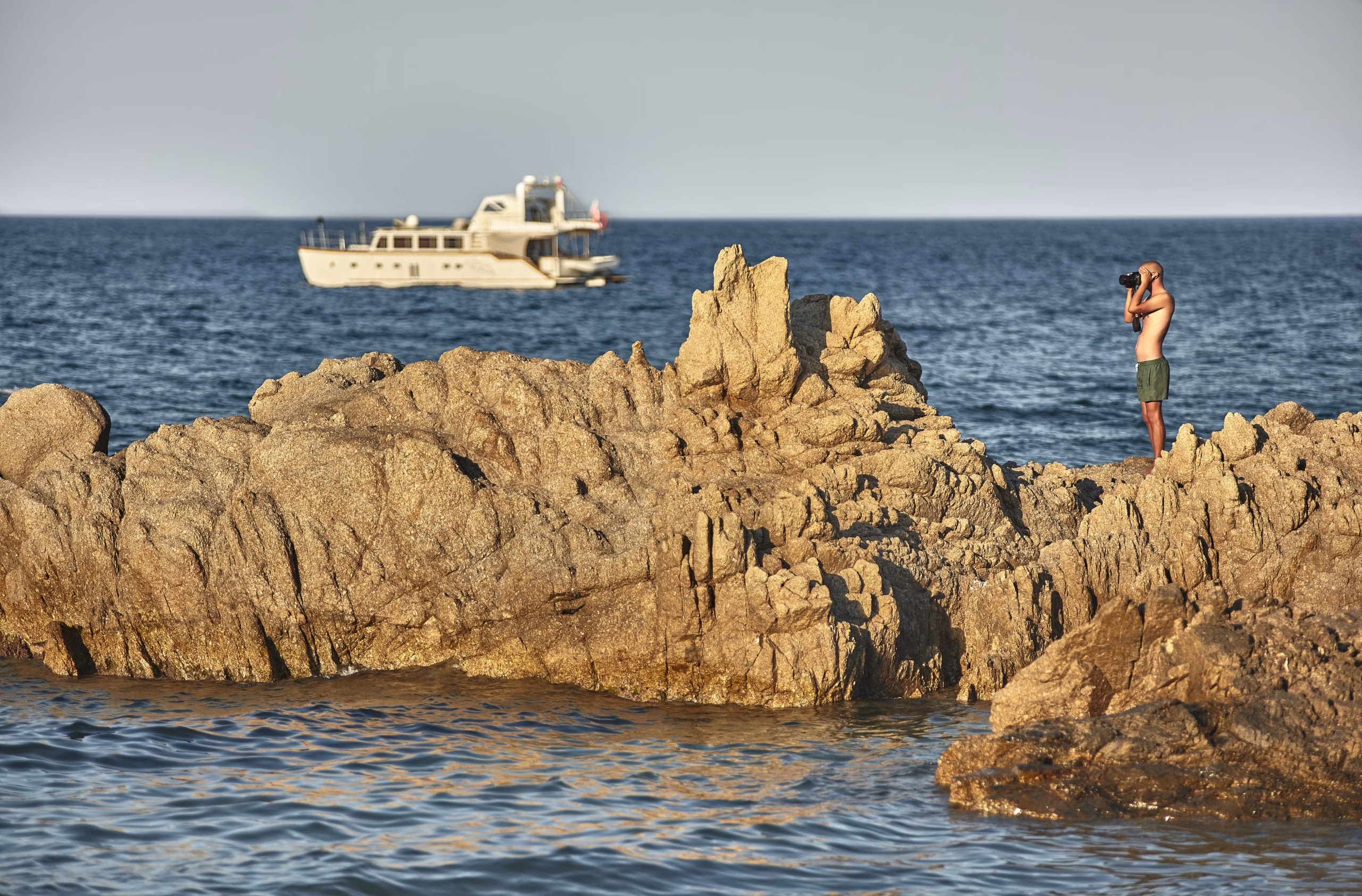
In one image, a friend points his lens directly at me. His face disappears behind the camera. A photographer photographed while photographing.
A kind of Western duel for people who prefer to shoot at one two-hundredth of a second.
That was our language.
We exchanged photographs, perspectives, ideas, and different ways of moving through the same places. We were not merely subjects for one another. We were each other’s witnesses to that season.
Each of us could tell the others: yes, you really were there. You truly were that happy. You did not invent it afterward.
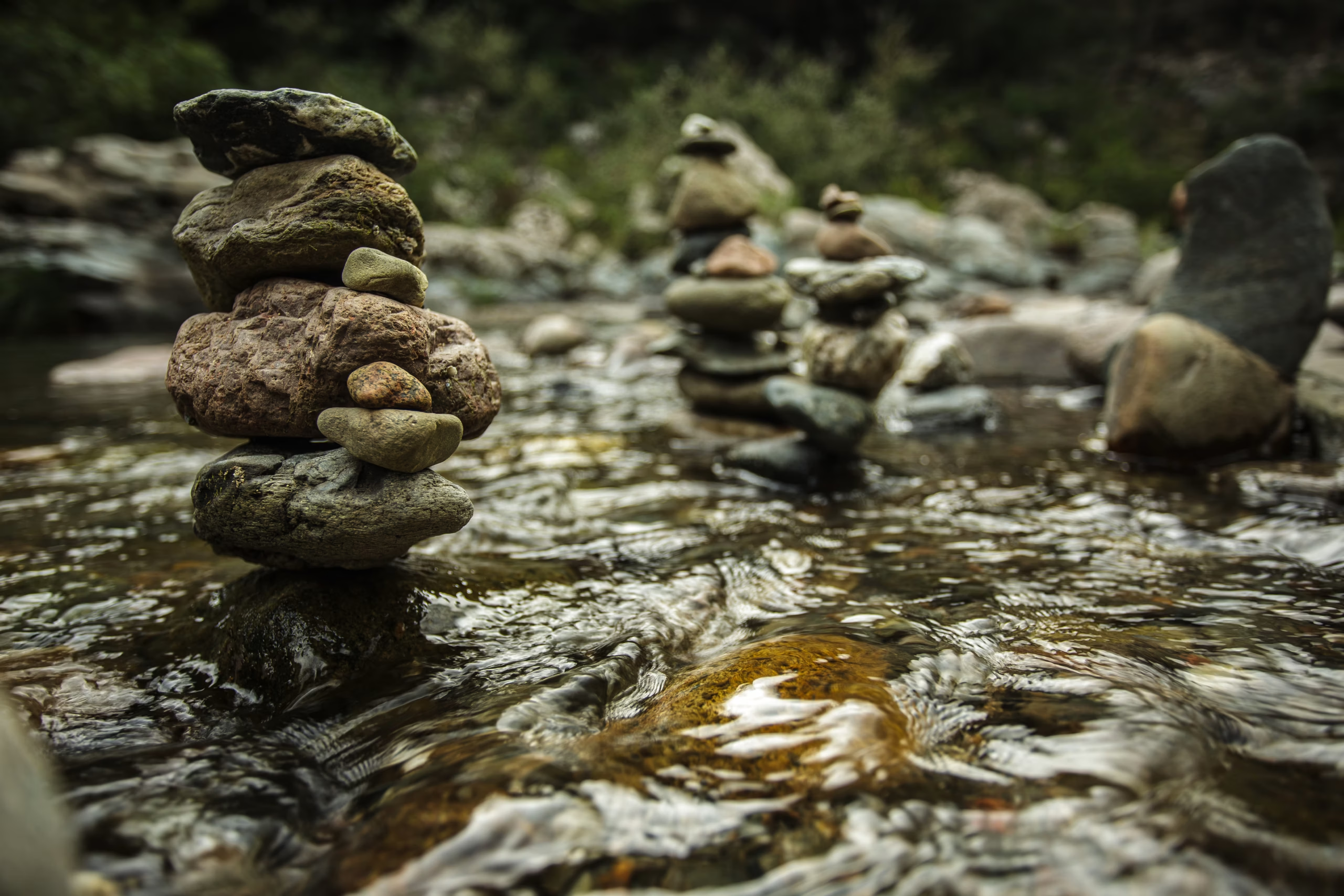
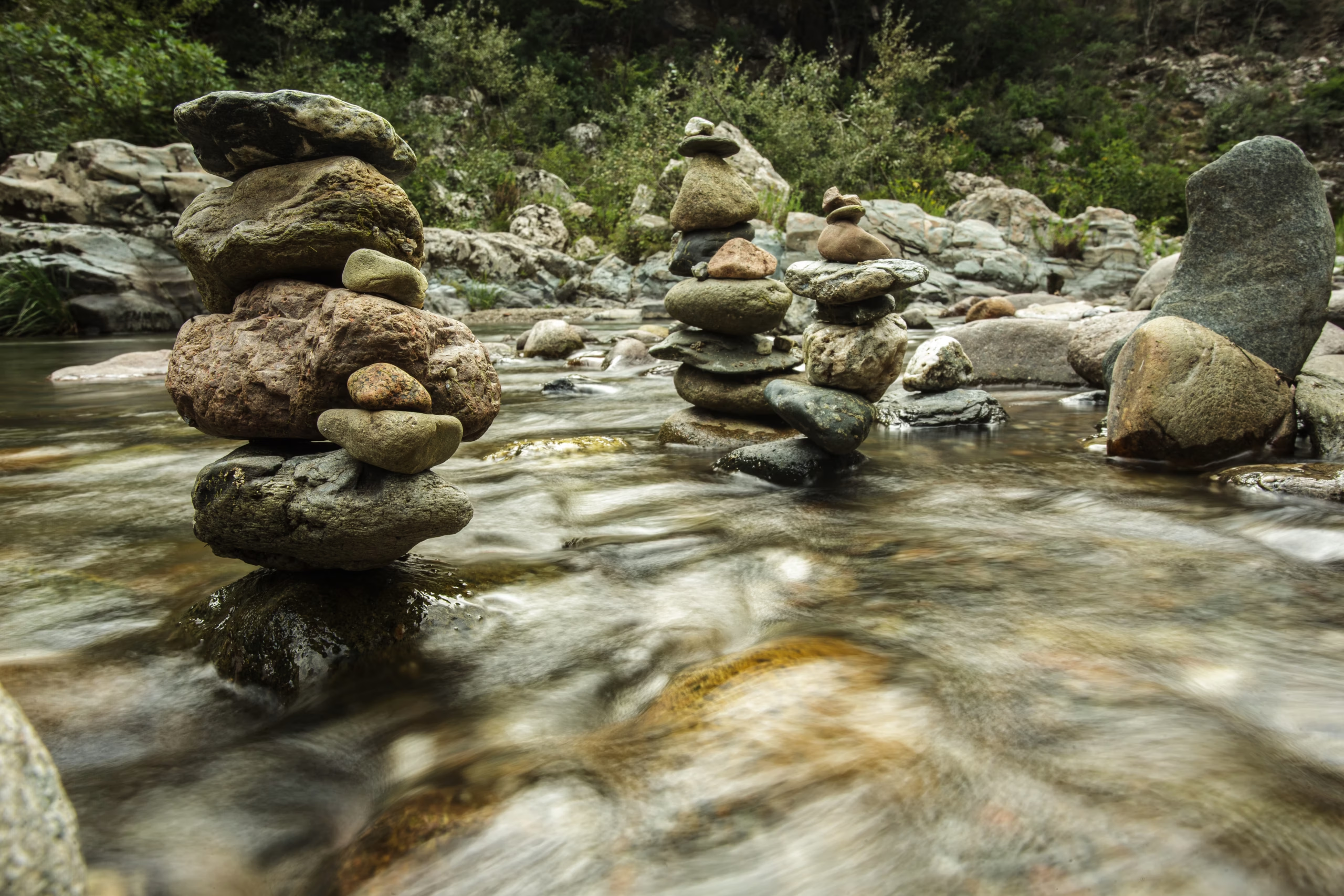
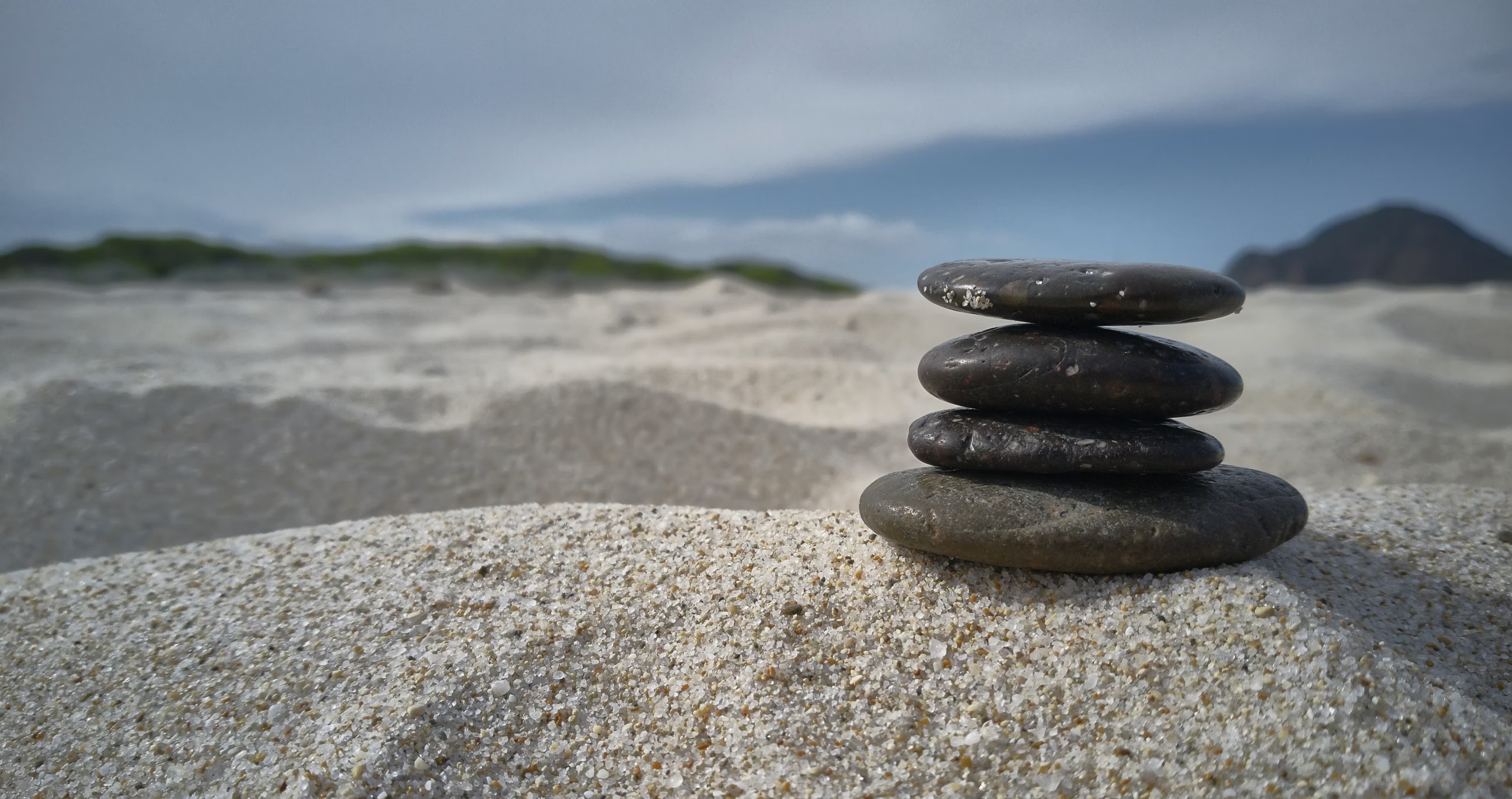
The journey continues inland. Stones balanced in stacks above a stream, small towers built by unknown hands. The river keeps flowing around them without knocking them down.
We, too, were looking for a kind of balance.
Not the definitive, faintly deathlike balance of those who claim they have understood everything by now. A provisional balance made of work, friendship, exploration, exhaustion, and days when it was enough to choose a direction and go.
The stones did not need to know how long they would remain standing.
In that moment, they held.
So did we.
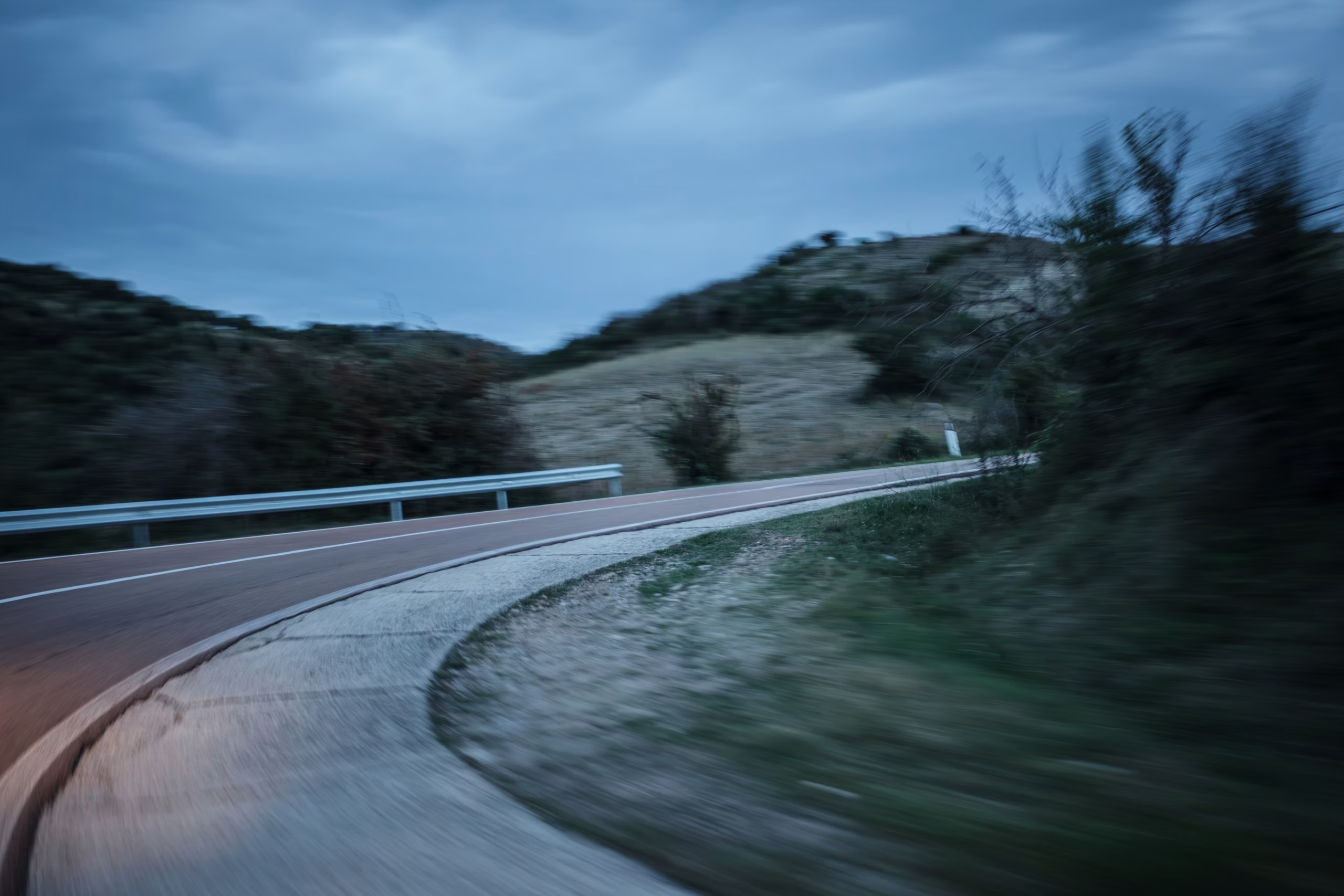
Then come the roads.
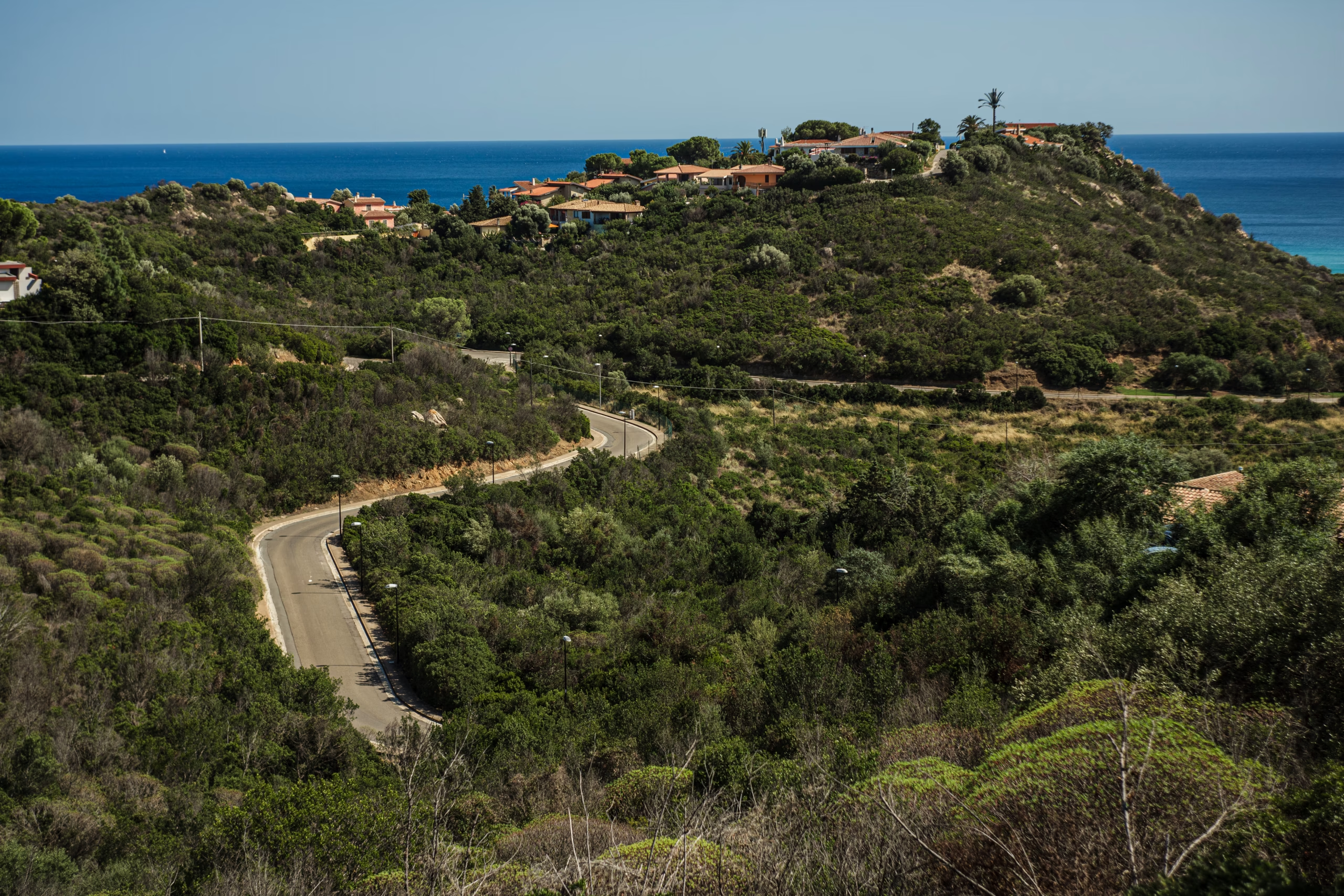
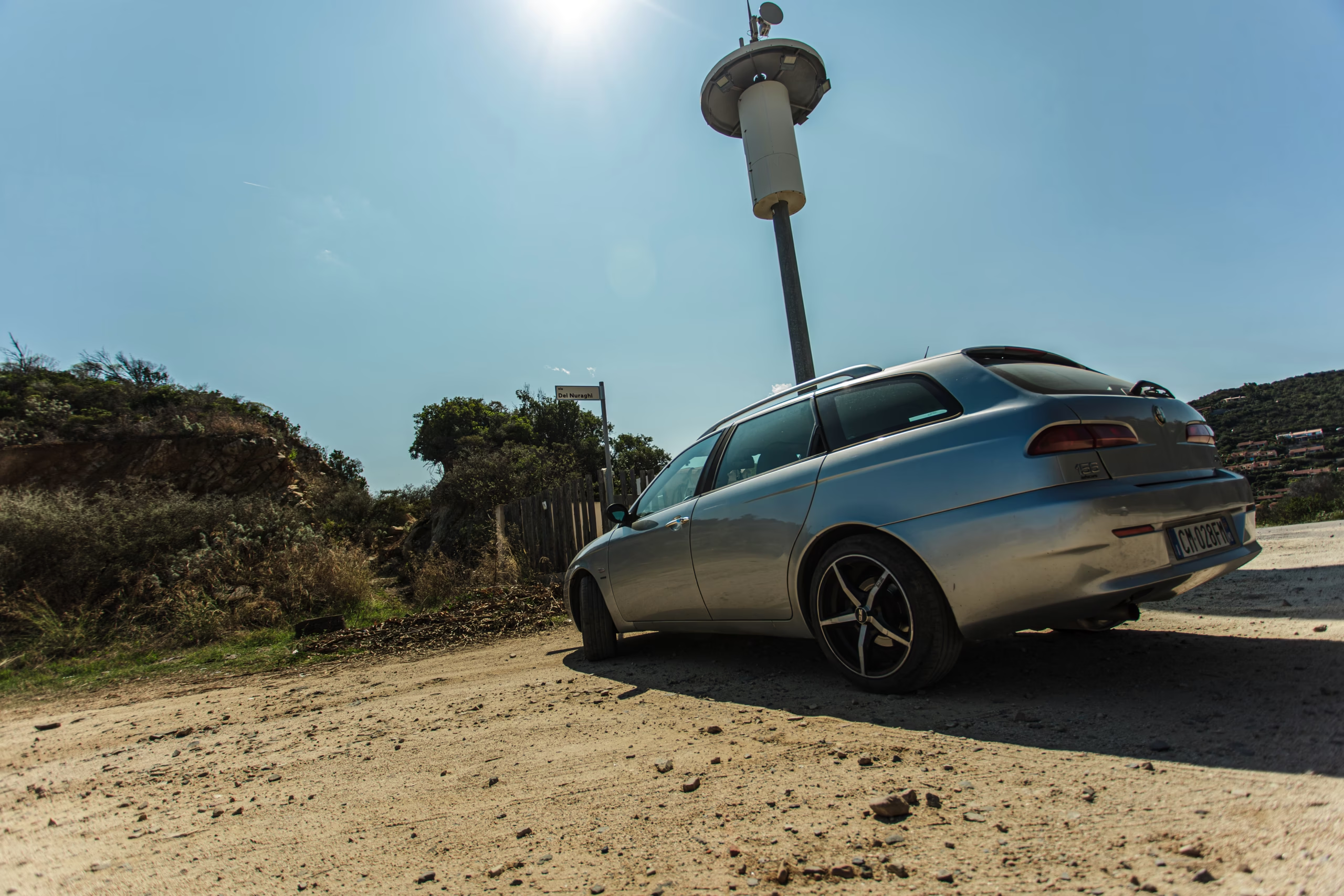
Bends photographed through the window, landscapes in motion, guardrails, mountains, vegetation, and asphalt vanishing around a curve. The car stopped in the sun, switchbacks seen from above, and the coast reappearing at the end of the road.
Travel is not only what you find when you arrive.
It is the movement between two places, the conversations inside the car, the music, the sudden stops, and the moment someone shouts to pull over because he has seen a photograph.
It is having a destination and changing it.
It is taking a wrong turn and finding something better.
It is looking out the window and feeling that, for that day at least, no place is holding you back.
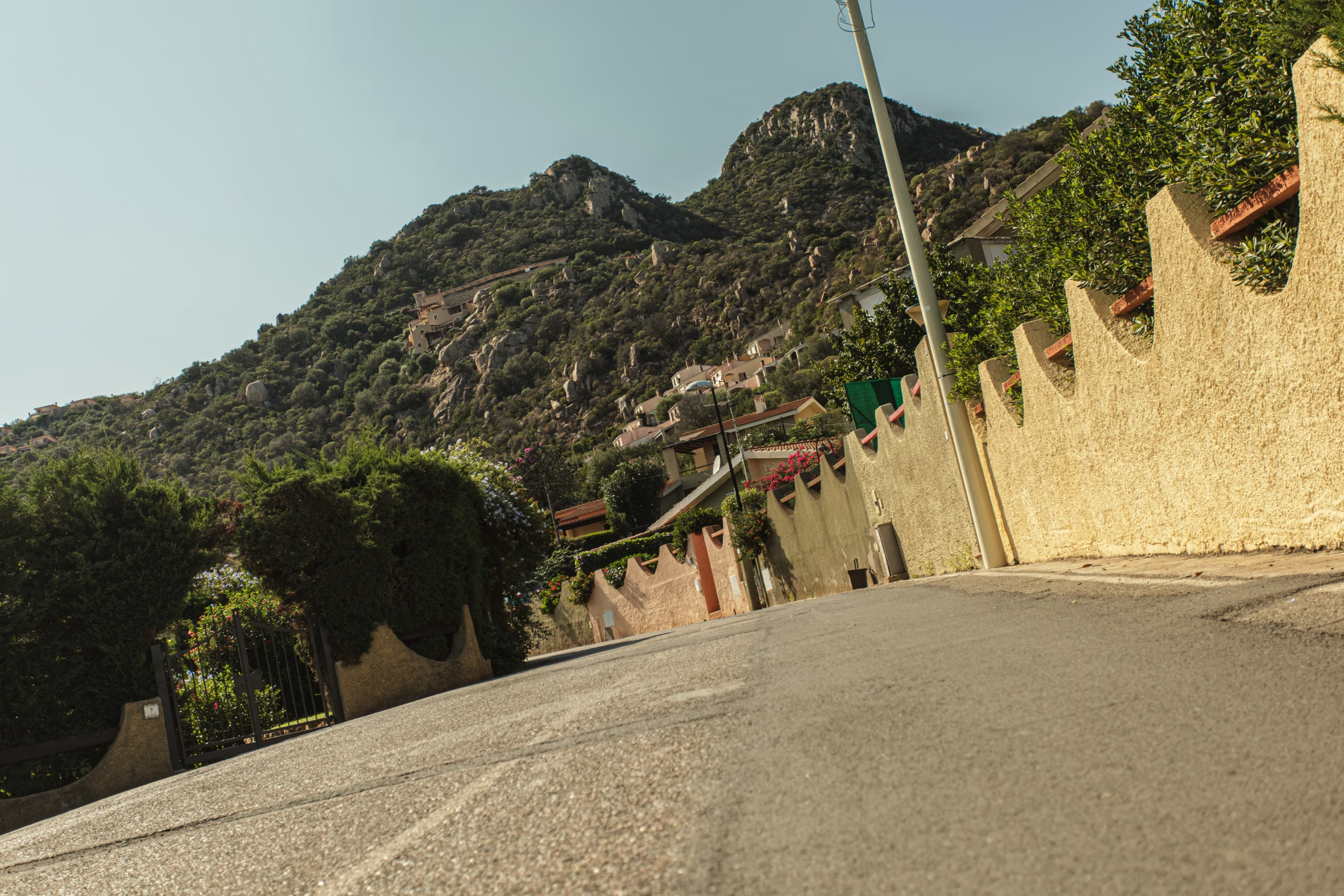
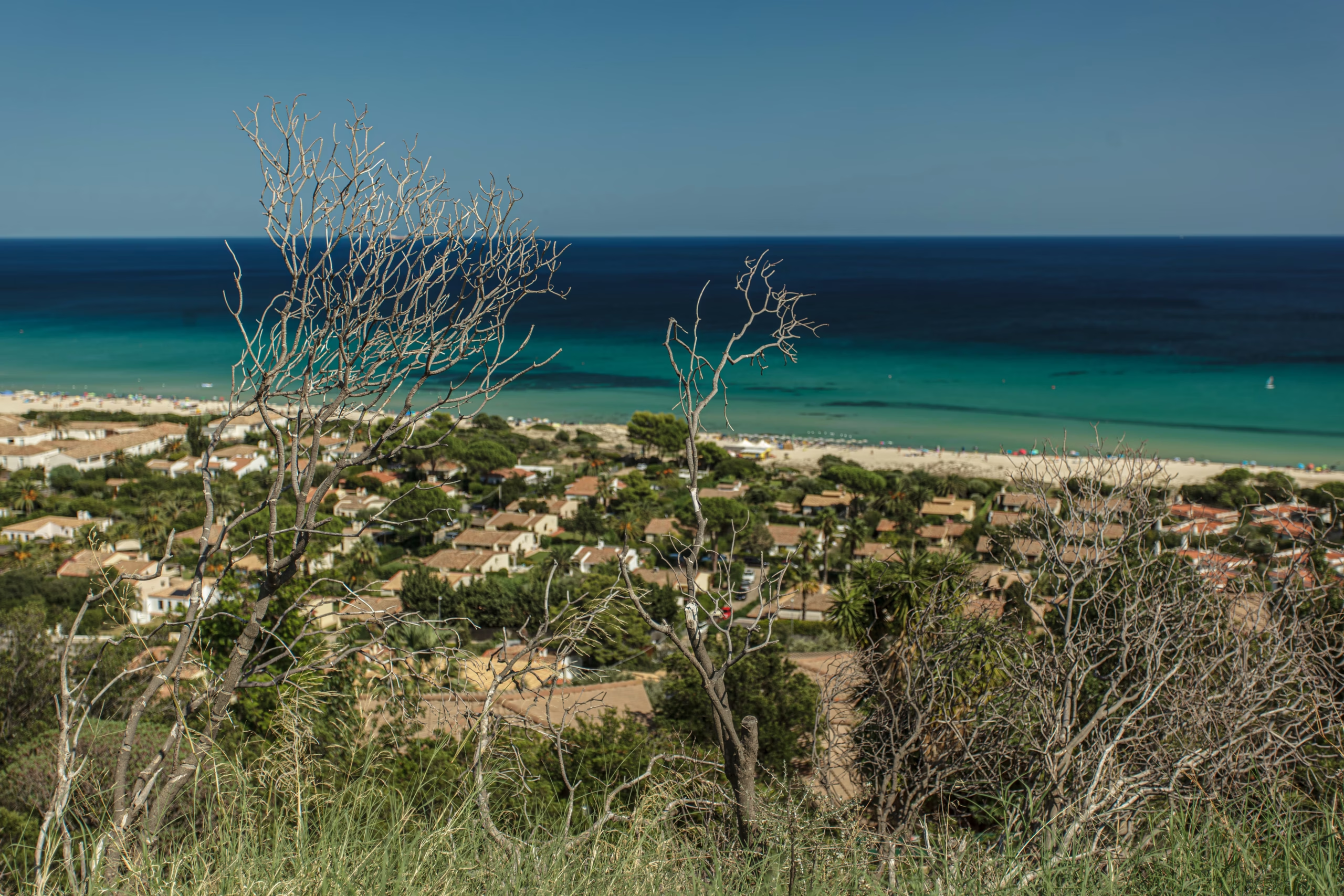
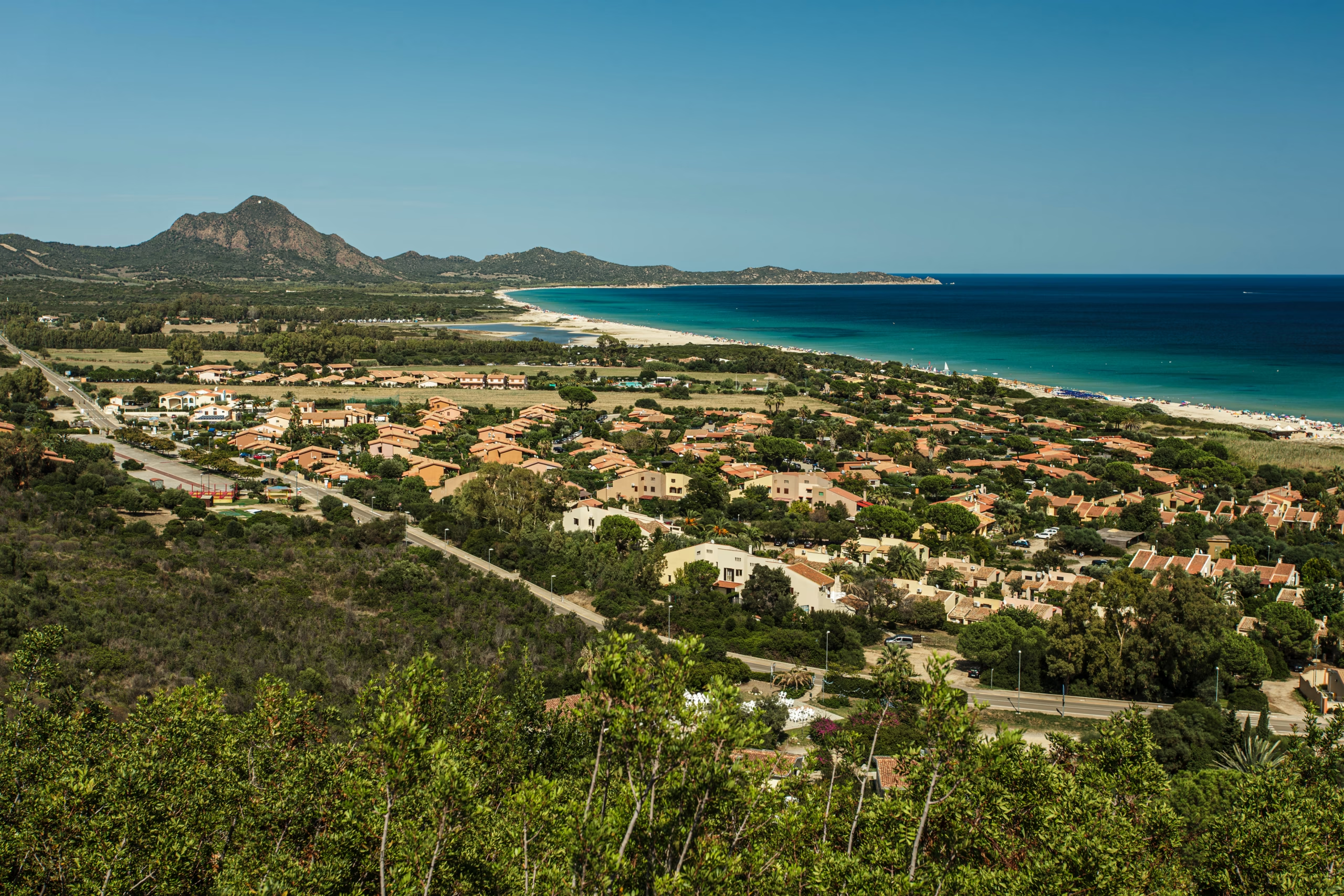
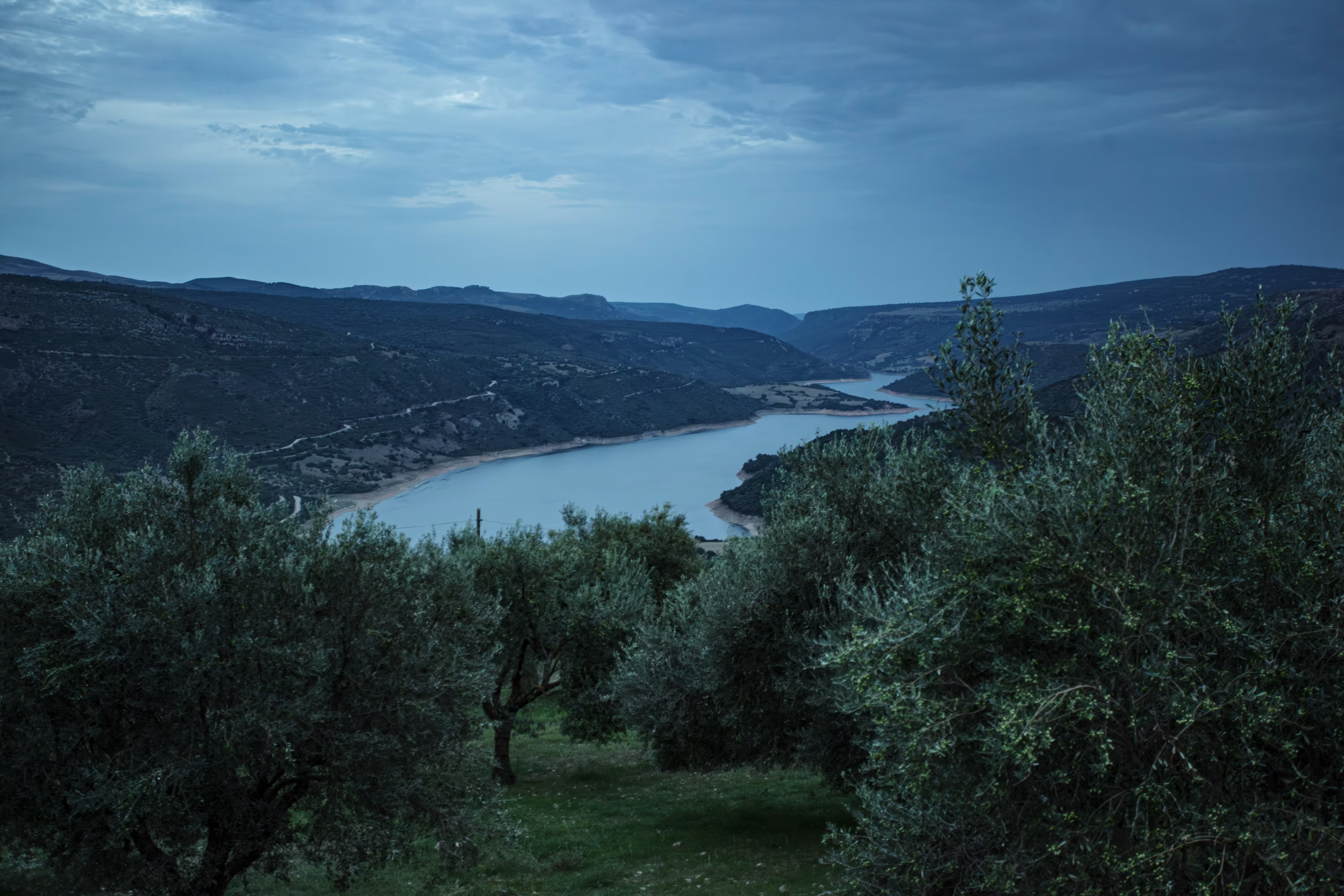
The final images return to the landscape. The coast seen from above, the sea divided into impossible shades, the road cutting through the green, and houses gathered beneath the hills.
There is enough distance to see the whole, but not enough to feel like strangers.
Perhaps that is what the season left me.
The possibility of moving away without disappearing.
Of stepping outside my ordinary life and discovering that beyond the fence there was not necessarily disaster. There were people, places, and versions of myself I would never have met by standing still.
When I think back to 2018, I do not think about work.
I think of my friends.
I think of the cameras emerging from backpacks.
Of the rocks, the caves, the scratched legs, and the feeling that we had earned the landscape after working to reach it.
I think of evenings before the sea, the moon, roads without signs, and towns crossed without hurry.
I think of what was probably the most carefree time of my life.
Not because everything was perfect.
Perfection is a tedious invention of advertising.
I was carefree because the present occupied enough space to keep the future from coming over to bust my balls.
What I was living was enough.
The people with me were enough.
The place where we were was enough.
Then the season ended, as all the things we wish we could preserve eventually do.
I went home.
Time resumed its dirty work. Other experiences came, other people, other journeys, problems, loves, doubts, and directions I believed were right until they ceased to be.
Some of those friends remained.
And whenever I look at these photographs, that version of me reappears as well.
He still does not know exactly what he wants from life.
To tell the truth, neither do I have an especially convincing answer today.
But he has just learned something I still believe to be true: you do not need to know the entire road before you earn the right to leave.
You need only find the courage to open the cage.
Bring the right people with you.
And begin to walk.
In 2018, I left for a season of work.
I returned with friends, thousands of photographs, and proof that life could be light.